
Nov . 25, 2025 09:52 Back to list
Comprehensive Guide to Safety Razor Wire: Durable and Humane Security Solutions
Why Safety Razor Wire Still Matters Globally
You might not think razor wire is a hot topic—yet safety razor wire has quietly become one of the most vital security tools worldwide. It stands at the crossroads of human safety, industrial protection, and humanitarian relief. Frankly, understanding this razor-sharp barrier opens the door to seeing how the world tries to keep peace and security while balancing dignity, cost, and practicality.
From borders to construction sites, safety razor wire offers a surprisingly diverse range of applications addressing a mix of challenges faced globally. It’s not just about fencing — it’s about smart, effective protection that respects people and environment. Let’s dig in and unpack why safety razor wire remains relevant today and what’s driving its evolution.
Global Context: The Broad Reach of Safety Razor Wire
On a global scale, safety razor wire is part of the larger security infrastructure puzzle. According to the International Organization for Standardization (ISO), perimeter security systems, including razor wire, have grown by roughly 5-7% annually as geopolitical tensions and industrial demands increase.[1] Meanwhile, the United Nations reports the rising need for secure zones in humanitarian contexts—from refugee camps to disaster relief centers.[2]
Yet, here’s the real issue razor wire tackles: How do you protect spaces effectively without causing harm? Conventional barbed wire can cut indiscriminately, raising ethical and legal concerns. Safety razor wire attempts to thread the needle by balancing deterrence with less risk of injury—an increasingly important factor in international facilities.
What Exactly Is Safety Razor Wire?
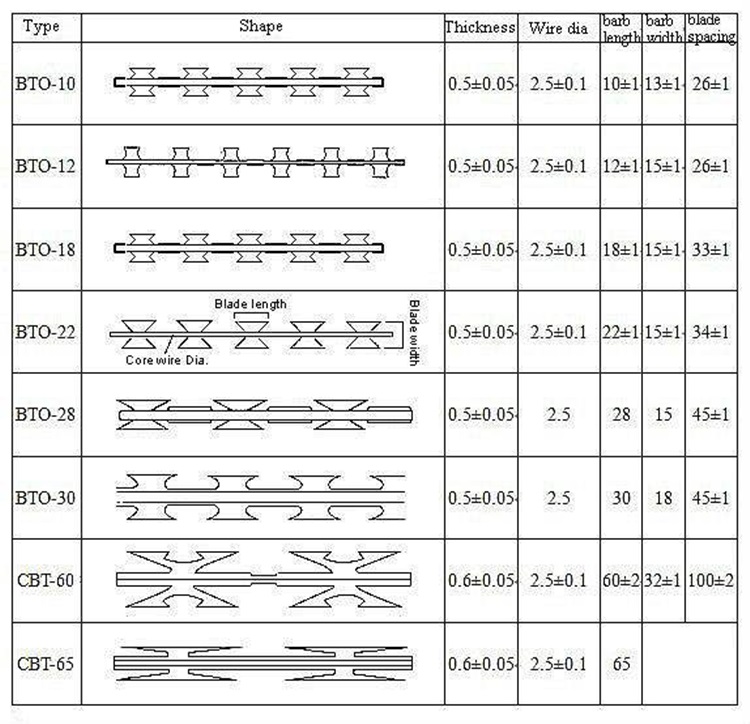
Simply put, safety razor wire is a type of fencing material that features sharp-edged strips designed to deter intrusion but with a twist: it’s engineered to be safer than traditional razor wire. Think of a razor wire that tries to do its job without the unnecessary risk of disastrous injuries. It’s used to create fences or barriers that are tough to climb over or cut through, giving an additional layer of security with built-in precautions.
Modern designs often include protective coatings, specialized blade shapes, or adjusted sharpness—all to align with industrial safety standards or humanitarian norms. So, it’s not just a blunt tool but an evolving product that contributes to safer industrial zones, border security, and emergency situations.
Core Components and Key Considerations
Durability and Material Quality
Safety razor wire is commonly manufactured from galvanized steel or stainless steel, materials that resist rust and corrosion. This impacts lifespan—particularly in humid or coastal environments—and minimizes maintenance costs. The coating not only extends usability but also reduces sharp-edge deterioration that could lead to safety hazards over time.
Adjustable Blade Design
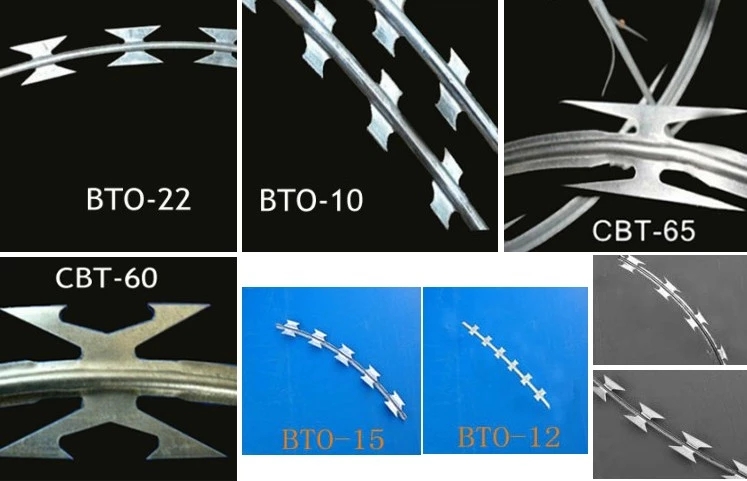
The sharpness and shape of the blades are carefully calibrated. Unlike old-fashioned razor wire that simply cuts, safety razor wire’s edges are designed to deter without severe lacerations. Some manufacturers incorporate roller blades or overlapped strips to maintain a high-security profile while meeting legal regulations.
Scalability and Installation Practices
Because safety razor wire often needs to cover large perimeters, ease of installation matters. Pre-formed coils, modular sections, or quick-mount fixtures enable flexibility. A good system allows users to scale up or down depending on the area’s threat level—think industrial parks vs. temporary humanitarian camps.
Cost Efficiency
Of course, budgets are tight. The balance between upfront material costs, installation labor, and long-term maintenance is critical. Safety razor wire positions itself as a cost-effective alternative—not the cheapest option, but one that reduces costly injuries and legal issues.
Environmental and Humanitarian Compliance
Today’s global landscape demands products that align with human rights guidelines. Safety razor wire can be designed to meet UNHCR and ISO recommendations, mitigating the risk of unintended harm while securing vital areas.
Summary Takeaway:
- Durable materials help longevity and reduce upkeep.
- Blade designs focus on security with lower injury risk.
- Installation options support scaling needs.
- Costs balanced for sustainable, long-term use.
- Compliance with safety & humanitarian standards is essential.
Real World Uses: Where Safety Razor Wire Comes Into Play
Its practical applications span diverse industries and geographic regions. Here are just a few:
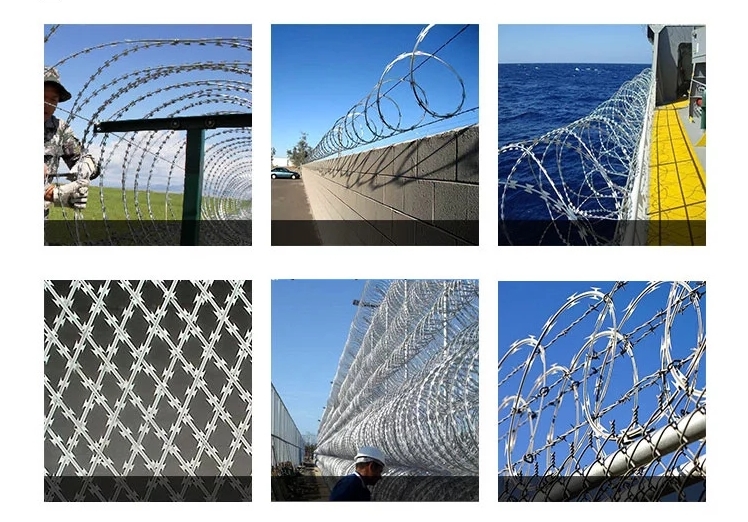
- Border Security: Nations use safety razor wire to fortify borders, providing a visible deterrent while avoiding the excessive harm traditional wire might cause.
- Industrial Zones: Oil refineries, power plants, and factories depend on razor wire for perimeter security, ensuring asset protection without compromising worker safety.
- Humanitarian Sites: Refugee camps and emergency shelters use safety razor wire to create secure but humane zones, balancing protection with human dignity.safety razor wire
- Construction & Temporary Sites: Contractors use coiled wire for quick setup, deterring theft and trespassing at sites often left unattended overnight.
For instance, in post-hurricane recovery zones in Southeast Asia, safety razor wire was key in preventing unauthorized access to hazardous areas, while reducing accidental injuries among displaced populations. Oddly enough, the choice of wire can impact social trust in such unstable environments.
Advantages & Long-Term Value of Safety Razor Wire
Let’s be honest. When deciding on perimeter security, sharpness isn’t the only factor anymore; it’s about trust, cost-effectiveness, and sustainability.
- Cost-Effective Protection: Reduced injury claims and longer material life save significant dollars over time.
- Ethical Security: Designed to deter without maiming, fostering safer environments and better social acceptance.
- Reliability & Maintenance: Improved materials mean fences stay strong and effective with minimal intervention.
- Environmental Impact: Many modern wires use recyclable materials and coatings that withstand weather without toxic residues.
- Psychological Impact: A well-designed fence can make employees, residents, or refugees feel both safe and respected — a nuance not often discussed.
In a nutshell:
Safety razor wire offers a marriage of strength and sophistication — something security professionals say is long overdue.
Product Specification: A Typical Safety Razor Wire Model
| Parameter | Specification |
|---|---|
| Material | Galvanized Steel / Stainless Steel |
| Blade Type | Rolled Serrated with Safety Blunt Edges |
| Coating | Hot-Dip Galvanized & PVC Coated Options |
| Coil Diameter | 450mm - 600mm |
| Tensile Strength | ≥1200 N/mm² |
| Weight per Meter | 0.6 - 0.9 kg |
| Standard Compliance | ISO 9001, UNHCR Safety Guidelines |
Vendor Comparison: Leading Safety Razor Wire Suppliers
| Vendor | Material Options | Customization | Compliance | Price Range (USD) |
|---|---|---|---|---|
| XZ Metal Co. | Galvanized & Stainless Steel | Blade shape, coil size | ISO 9001, UNHCR | $$$ |
| SecureFense Ltd. | Hot-Dip Galvanized Only | Limited | ISO 9001 | $$ |
| Guardian Wire Inc. | Stainless Steel Only | Coil diameter and weight | UNHCR compliant | $$$$ |
Looking Ahead: Trends and Innovations
What’s next for safety razor wire? Well, surprisingly, it’s not just about sharper blades. Innovations include:
- Eco-Friendly Coatings: Development of biodegradable or less toxic coatings aiming to reduce environmental footprint.
- Smart Integration: Embedding sensors for breach detection — security fences going digital.
- Automation-Friendly Designs: Modular fencing that adapts rapidly to changing security needs.
- Energy Efficient Manufacturing: Using green energy sources and recycling steel scrap efficiently.
In real terms: manufacturers are balancing tradition with tech, ensuring safety razor wire remains relevant in smart security ecosystems.
Common Challenges and How to Overcome Them
Safety razor wire isn’t without its quirks:
- Installation Complexity: Improper setup can compromise security or safety; solution: professional training and modular design kits.
- Maintenance Needs: Exposure to harsh climates still causes wear; solution: choosing corrosion-resistant alloys and coatings.
- Balancing Safety & Security: Avoiding injury without losing deterrence—requires ongoing R&D and compliance monitoring.
- Legal Constraints: Different countries impose different fence regulations; solution: adapt product lines per region.
Frequently Asked Questions About Safety Razor Wire
1. What distinguishes safety razor wire from traditional razor wire?
Safety razor wire is engineered to reduce the likelihood of serious injury while maintaining deterrence. It often features specialized blade shapes and protective coatings that minimize cuts, compared to the aggressive sharpness of conventional razor wire.
2. How long can safety razor wire last outdoors?
With proper materials like galvanized or stainless steel and maintenance, safety razor wire can last 10-15 years or more, depending on environmental conditions such as humidity, salt exposure, and UV radiation.
3. Can safety razor wire be used in humanitarian zones?
Absolutely. It is frequently deployed in refugee camps and post-disaster zones where secure boundaries are needed, but minimizing harm to vulnerable populations is a priority.
4. What installation methods ensure optimal safety?
Using pre-assembled coil kits, mounting on sturdy posts with vibration dampening, and professional setup help ensure the wire is secure and safe for both security personnel and nearby individuals.
5. Is it possible to customize safety razor wire for specific projects?
Yes, many suppliers offer customization in blade shape, coil size, and coating types to fit particular project needs, whether industrial, military, or humanitarian.
Final Thoughts
At the end of the day, safety razor wire is an often underappreciated hero in the security world. It combines effectiveness with a conscience—helping to safeguard assets, people, and communities without unnecessary harm. For businesses, governments, and aid organizations, it offers a smart, durable, and responsible solution to the ever-present need for perimeter security.
Want to learn more or source quality safety razor wire? Visit our website — your next layer of smart protection awaits.
References
- ISO/IEC 27001: Perimeter Security Standards, International Organization for Standardization - 2023 Report
- United Nations High Commissioner for Refugees (UNHCR) Security Guidelines, 2022
- World Bank Infrastructure Security Analysis, 2021
-
Hop Dipped Galvanized/PVC Coated Temporary Fence-Durable, Versatile, Reliable|Anping County Xingzhi Metal Wiremesh Products Co., Ltd
NewsApr.14,2026
-
Hop Dipped Galvanized/PVC Coated Temporary Fence-Durable, Versatile, Reliable|Anping County Xingzhi Metal Wiremesh Products Co., Ltd
NewsApr.14,2026
-
Hop Dipped Galvanized/PVC Coated Temporary Fence-Durable, Versatile, Reliable|Anping County Xingzhi Metal Wiremesh Products Co., Ltd
NewsApr.14,2026
-
China PVC Coated Gabion Basket A Comprehensive Guide to Sourcing and Applications
NewsFeb.24,2026
-
China Gabion Wall Solutions for Construction and Erosion Control
NewsFeb.23,2026
-
Comprehensive Guide to China Gabion Bags Applications and Benefits
NewsFeb.22,2026