
Dec . 01, 2025 10:39 Back to list
Expanded Metal Square Mesh: Durable, Versatile Materials for Global Applications
Why Expanded Metal Square Mesh is Gaining Global Attention
You’ve probably passed by panels of expanded metal square mesh without giving them much thought, yet this simple-seeming material is quietly revolutionizing everything from construction safety to humanitarian aid. Globally, expanding populations, urbanizing cities, and growing industrial demands require cost-effective, durable, and versatile materials — and that’s exactly what expanded metal square mesh delivers.
Understanding its properties and applications unlocks better infrastructure solutions, improved safety standards, and more sustainable designs. So, whether you work in construction, manufacturing, or emergency relief, this metal mesh matters to your world — as it does to countless projects worldwide.
Looking at the Big Picture: Why Expanded Metal Square Mesh Matters Globally
According to a recent ISO report, more than 50% of the world’s population now lives in urban areas — and by 2050, that figure may surge past 68%. With such rapid urbanization, construction materials that are both lightweight and strong become critical on a massive scale. Enter expanded metal square mesh, used globally for everything from protective barriers to ventilation panels.
More interestingly, the World Bank has highlighted the importance of resilient building components in areas impacted by climate change and natural disasters. Expanded metal square mesh addresses many of these challenges by offering cost-effective strength and easy adaptability — exactly what humanitarian and industrial sectors urgently need. But despite its growing importance, misconceptions about its durability or cost linger.
What Exactly Is Expanded Metal Square Mesh?
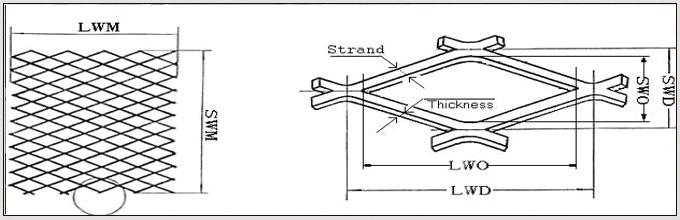
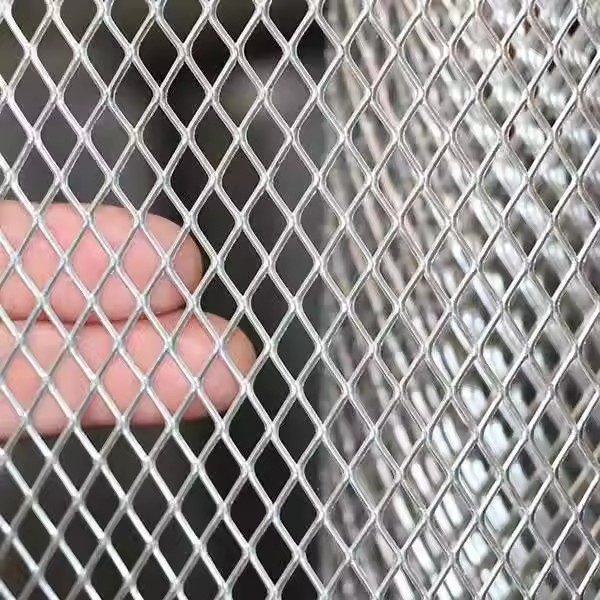
The term “expanded metal square mesh” might sound technical, but its concept is pretty straightforward. Essentially, you begin with a single sheet of metal — often steel or aluminum — and it’s cut and stretched to create a patterned mesh of small square openings. Think of it as a web of metal that's both open and rigid, combining strength and airflow or light passage.
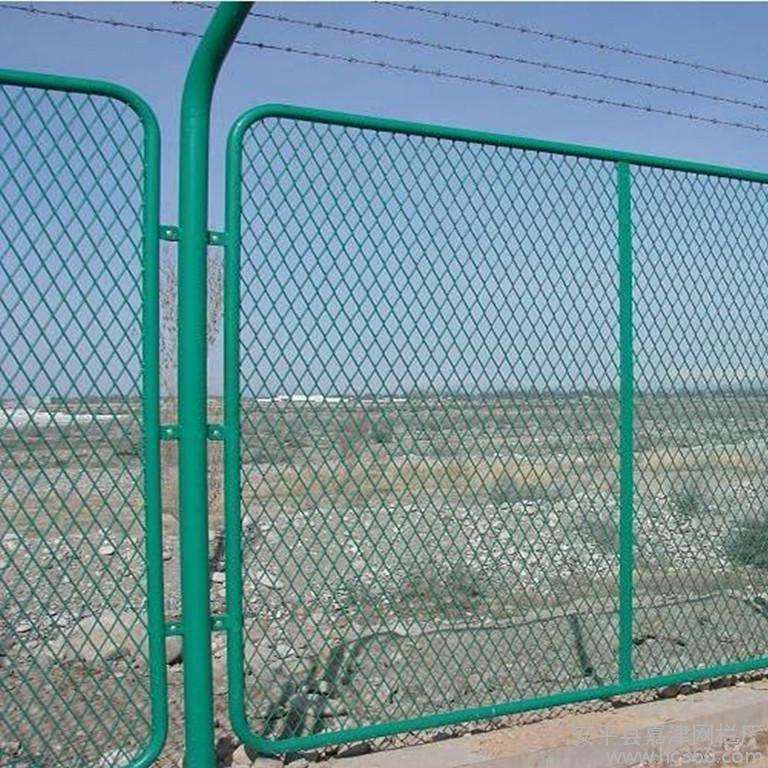
This type of mesh is commonly used where flexibility in design meets a need for robust performance. And yes, that combination is surprisingly common — from industrial fencing security to architectural facades, it finds a niche in modern infrastructure and even in relief settings for temporary shelters or protective barricades.
Breaking Down the Core Features of Expanded Metal Square Mesh
Durability: Built to Last Through the Rough Stuff
Durability is the cornerstone of expanded metal square mesh. Because it’s a continuous piece of metal, there are no welds or joints that can fail — a common weak point in other mesh types. Many engineers praise this for reducing failure points, especially in harsh environments exposed to weather or mechanical impact.
Scalability: Made to Fit Any Project Size
Whether you’re outfitting a small HVAC vent or enclosing an entire industrial plant, the mesh can come in rolls or sheets that scale up easily. This flexibility means it can be custom-cut or fabricated on-site, saving time and reducing waste. I once noticed a small workshop using leftover square mesh panels to create shelving — a neat little afterthought.
Cost Efficiency: Strong but Not a Budget Buster
Compared to welded wire meshes or perforated sheets, expanded metal offers better strength-to-price performance. The manufacturing process wastes less material — since it's “expanded” from the original sheet — which means the raw material input per area is lower. That’s good news for projects with tight budgets looking for maximum durability.
Ventilation & Visibility: Opening Up Spaces Without Sacrificing Strength
Because the mesh has square-shaped openings, it's perfect for applications requiring airflow or visual access, like security screens or sunshades. That means you get a secure barrier without creating a closed-off, claustrophobic space. It's a balance many architects and engineers value.
Corrosion Resistance: Not All Metals Are Created Equal
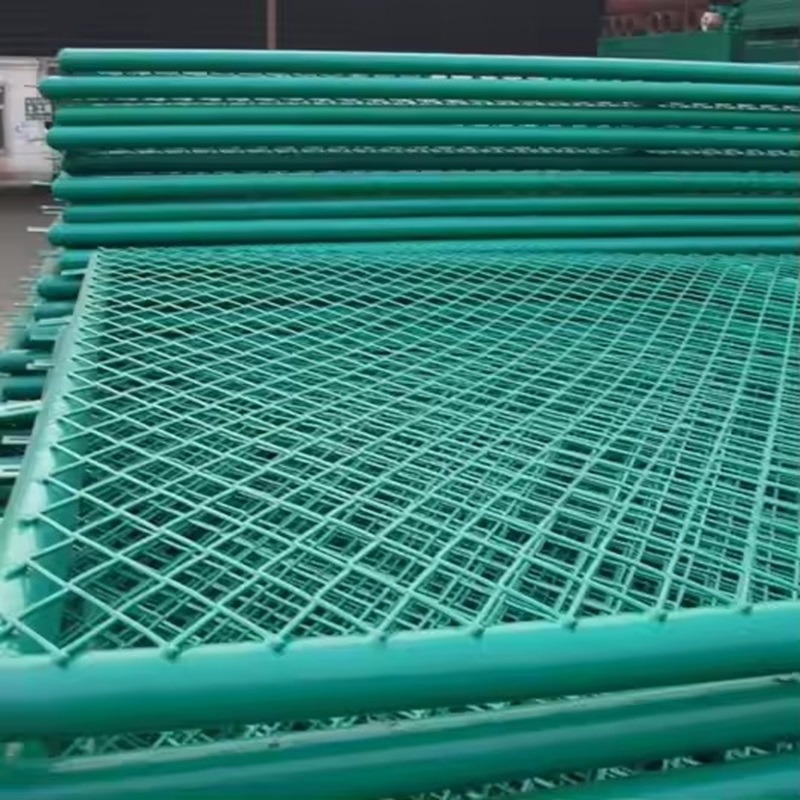
Typically made from galvanized steel or aluminum, the mesh can endure outdoor exposure better than untreated materials. Some manufacturers even apply powder-coating or specialized finishes to improve corrosion resistance further. It’s often the finishing touches that push these meshes over the edge from merely functional to exceptionally durable.
Mini takeaway:
- Expanded metal square mesh offers a mix of strength, flexibility, and ventilation.
- It’s inherently durable due to its production method.
- Cost-effective and available in scalable sizes.
Real-World Applications of Expanded Metal Square Mesh
This isn’t just theoretical. Expanded metal square mesh is everywhere — from stadium fences in the U.S. to air conditioning grills in Europe, and from industrial walkways in Asia to emergency shelters in Africa.
For example, in post-disaster relief operations, organizations use these mesh panels to create lightweight, sturdy partitions and protective enclosures that can be rapidly deployed. Their ventilation properties make them excellent for temporary shelters that prevent overheating.
Another interesting use case is in remote industrial zones — like mining operations in Australia — where rugged, corrosion-resistant mesh secures equipment without hindering visibility or airflow. Architects are also increasingly exploring expanded metal square mesh for green building facades, improving energy efficiency by controlling sunlight penetration.
Advantages & Long-Term Value of Expanded Metal Square Mesh
One of the standout advantages is sustainability. Using less metal per unit area and enjoying a longer lifespan means fewer replacements down the road. From a financial perspective, that’s a big plus for both urban developers and NGOs working with limited funds.
There’s also a subtle emotional benefit. Imagine a disaster survivor seeing a shelter that’s not just functional but thoughtfully made to enable safety and dignity. Materials like expanded metal square mesh contribute to that feeling — they’re reliable, trust-inspiring, and versatile.
Looking Forward: Trends in Expanded Metal Square Mesh
Innovation in this space isn’t slowing anytime soon. Manufacturers increasingly experiment with eco-friendly metals, like recycled aluminum, or explore nano-coatings that resist grime and UV damage. Automation plays a role, too — robotic cutting and stretching produce finer meshes faster with less human error.
Another exciting frontier is integrating mesh panels into smart building designs — embedding sensors that can monitor structural integrity or environmental factors. So, the humble expanded metal square mesh might soon become not just a passive building block, but an active data source.
Challenges & How the Industry Is Overcoming Them
Sure, there are limitations. Installation can sometimes be tricky, especially if custom shapes are required, and corrosion resistance depends heavily on proper coating, which can add to costs. Moreover, while the open mesh provides ventilation, it’s not always the best choice for privacy.
However, manufacturers are addressing these by developing modular interlocking panels, simplifying installation. Also, combining expanded metal with other materials — like polycarbonate sheets — adds privacy while keeping ventilation. It's a collaborative solution process.
Frequently Asked Questions About Expanded Metal Square Mesh
- Q: What thickness of expanded metal square mesh is best for outdoor fencing?
-
Outdoor fencing typically requires 2.0 mm to 3.5 mm thick galvanized steel mesh; thicker mesh offers better durability and security, especially in high-impact zones. However, the exact choice depends on your specific needs and environment.
- Q: Can expanded metal square mesh be customized for unusual shapes?
-
Yes! Expanded metal can be cut and formed into various shapes, making it ideal for architectural facades or specialized industrial applications. Just keep in mind that intricate shapes may increase lead time and cost.
- Q: How does expanded metal square mesh compare to welded wire mesh?
-
Expanded metal offers continuous material strength without weld points—this reduces failure spots. Welded wire mesh usually has joints that can corrode or break. Plus, expanded metal often yields more strength for less weight, but each type suits different applications.
- Q: Is this mesh eco-friendly?
-
Generally, yes. It uses less metal than punched or perforated sheets, and recycled materials are increasingly common in production. Plus, its durability means fewer replacements, reducing overall waste.
Product Specification Table
| Specification | Details |
|---|---|
| Material | Galvanized Steel / Aluminum |
| Thickness | 1.5 mm to 4.0 mm |
| Opening Size | 10 mm × 10 mm (square) |
| Sheet Size | 1.2 m × 2.4 m standard (custom sizes available) |
| Finish | Galvanized / Powder Coated / Plain |
| Weight | Approx. 4.5 kg/m² (depends on thickness) |
Vendor Comparison Table
| Vendor | Price Range | Material Options | Customization | Typical Lead Time |
|---|---|---|---|---|
| MeshTech Industries | $$ | Galvanized Steel, Aluminum | Standard Sizes + Custom Cutting | 2-4 weeks |
| StrongMesh Co. | $$$ | Galvanized, Powder Coated | Full Custom Fabrication | 3-5 weeks |
| EcoMesh Solutions | $ | Recycled Aluminum | Limited Sizes | 1-2 weeks |
For anyone seriously considering the versatility of expanded metal square mesh, it’s worth exploring multiple vendors. Prices, material sourcing, and customization can dramatically affect project success.
Wrapping Up: Why Expanded Metal Square Mesh Could Be Your Next Go-To Material
We live in a world that demands materials to be more adaptable and sustainable. Expanded metal square mesh fits that bill in many ways—offering strength, airflow, cost efficiency, and yes, a dash of future-ready tech potential. So for your next project, consider it.
To dive deeper, or see what’s available, don’t hesitate to check out expanded metal square mesh suppliers who specialize in tailored solutions.
References
-
Hop Dipped Galvanized/PVC Coated Temporary Fence-Durable, Versatile, Reliable|Anping County Xingzhi Metal Wiremesh Products Co., Ltd
NewsApr.14,2026
-
Hop Dipped Galvanized/PVC Coated Temporary Fence-Durable, Versatile, Reliable|Anping County Xingzhi Metal Wiremesh Products Co., Ltd
NewsApr.14,2026
-
Hop Dipped Galvanized/PVC Coated Temporary Fence-Durable, Versatile, Reliable|Anping County Xingzhi Metal Wiremesh Products Co., Ltd
NewsApr.14,2026
-
China PVC Coated Gabion Basket A Comprehensive Guide to Sourcing and Applications
NewsFeb.24,2026
-
China Gabion Wall Solutions for Construction and Erosion Control
NewsFeb.23,2026
-
Comprehensive Guide to China Gabion Bags Applications and Benefits
NewsFeb.22,2026