
Dec . 01, 2025 09:42 Back to list
Comprehensive Guide to Gabion Box Installation | Durable, Eco-Friendly Solutions
Understanding Gabion Box Installation: The Basics and Its Global Importance
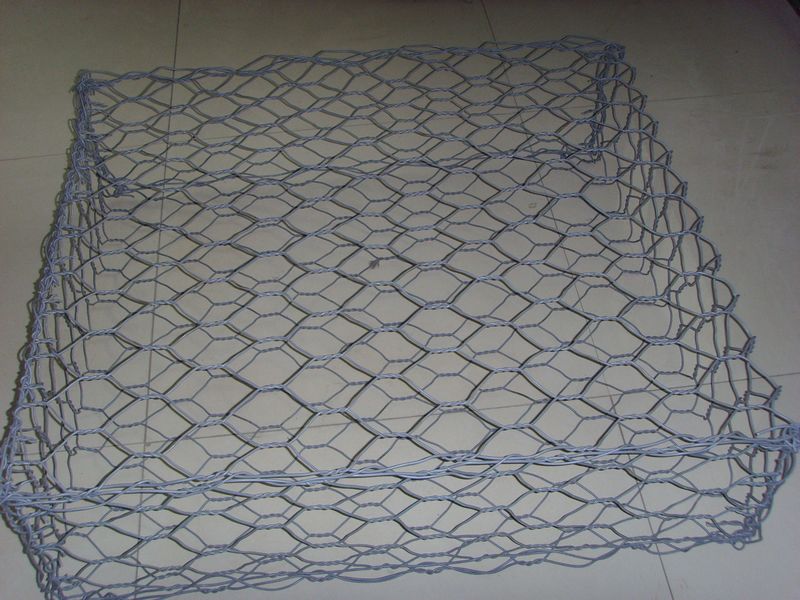
If you’ve ever driven along a rugged coastline or noticed reinforced retaining walls along roadsides, there’s a good chance gabion boxes played a role. But what exactly is gabion box installation, and why should businesses, governments, and NGOs care about it worldwide? Simply put, gabion boxes are wire mesh cages filled with rocks or other durable materials that stabilize slopes, control erosion, and provide heavy-duty reinforcement solutions. They aren’t just construction novelties; they’re key players in infrastructure resilience, environmental conservation, and even humanitarian relief.
Globally, as climate change intensifies extreme weather, coastal erosion accelerates, and urban development pushes against natural landscapes, gabion boxes offer an affordable and sustainable method to protect human habitats. Getting a solid grip on gabion box installation benefits engineers, urban planners, and environmentalists alike — not to mention communities relying on sturdy, eco-friendly infrastructure.
Mini takeaway: Gabion box installation is more than a construction task; it’s a durable, flexible solution addressing some of the earth’s most pressing infrastructure challenges.
Why Gabion Box Installation Matters Globally
As per the United Nations climate reports, rising sea levels and frequent floods threaten millions of people worldwide, particularly in coastal and mountainous regions. The World Bank’s 2020 Infrastructure Outlook even highlights erosion control and slope stabilization as critical investments for resilient development.
Yet, many traditional civil engineering solutions are resource-heavy and costly. This is precisely where gabion boxes come into play. By combining natural stone fillings with galvanized or PVC-coated wire cages, the system merges strength with permeability, allowing water drainage and reducing hydrostatic pressure — a common cause of wall failures.
Frankly, gabion boxes are simpler but surprisingly effective tools that solve complex problems in places where expensive concrete alternatives might be impractical or unsustainable. Their ease of transport and adaptability make them especially valuable in disaster-prone or developing regions.
Mini takeaway: Gabion box installation addresses global challenges — from climate adaptation to affordable infrastructure — by providing a cost-effective, eco-conscious technology.
What Is Gabion Box Installation? A Practical Definition
So, besides the fancy wording, gabion box installation means assembling and placing wire mesh cages, then filling them with suitable rocks or aggregates to create mass structures that support soils, deflect erosive forces, or form retaining walls.
This technique dates back to Roman times but evolved considerably with technological advances. Today’s gabions come with standardized mesh sizes, enhanced corrosion resistance, and accessories like separators and fasteners for better durability and easy assembly.
Industries like civil construction, landscaping, mining, and even humanitarian relief use gabions because they blend engineering strength with environmental harmony, unlike rigid concrete solutions that often disrupt ecosystems and require heavy machinery.
Mini takeaway: At its core, gabion box installation is a straightforward yet versatile method of creating robust, environmentally friendly structures by filling wire cages with stones.
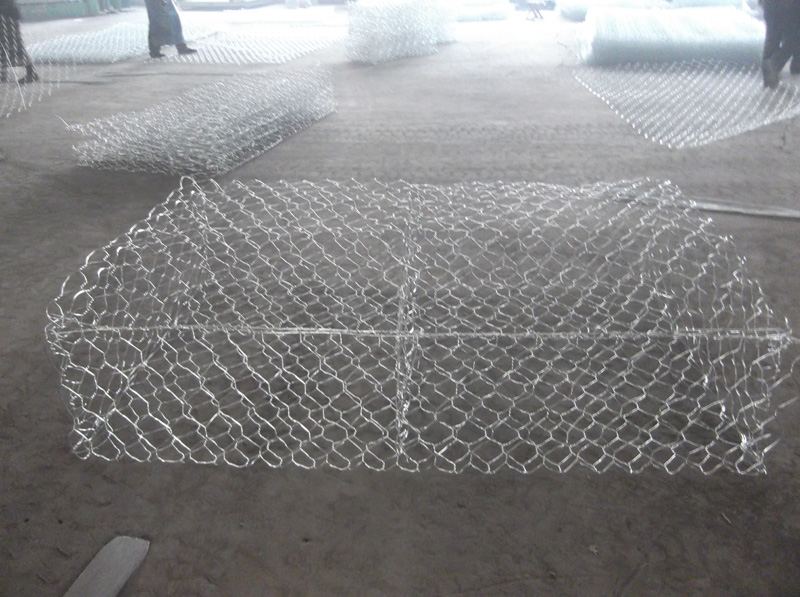
Core Components of Effective Gabion Box Installation
1. Durability and Material Quality
The wire mesh must resist corrosion for decades, often made of galvanized steel with optional PVC coating for harsh environments. Stones should be hard, angular, and clean to ensure compactness and resistance to weather.
2. Structural Design & Scalability
Generally, gabion boxes come in modular units — typically 1m x 1m x 1m — that can be stacked or linked for bigger walls or embankments. This scalability allows engineers to tailor the size and form to each site’s needs.
3. Drainage and Environmental Integration
Unlike solid walls, gabions allow water to pass through, reducing pressure buildup and soil erosion. Over time, vegetation even grows between stones, blending the structure with natural surroundings.
4. Cost Efficiency & Installation Speed
Because gabion boxes are prefabricated and easily assembled on-site, labor costs and installation times are substantially lower than conventional concrete works — a critical factor in emergency or remote deployments.
5. Versatility and Adaptability
From riverbank protection to landscaping gardens, gabion boxes serve multiple roles. Their flexibility is not only physical (shape and size) but conceptual — they fit into projects focused on both aesthetics and function.
Mini takeaway: The success of gabion box installation hinges on materials quality, modular design, quick drainage, cost-effectiveness, and adaptability across projects.
Where Gabion Box Installation Makes a Difference—Global Applications
- Coastal & Riverbank Erosion Control: Countries like Bangladesh and Vietnam extensively use gabion boxes to protect vulnerable shorelines from rising waters.
- Highway and Railway Stabilization: In mountainous regions such as the Alps or Rocky Mountains, gabion installations secure steep slopes, preventing landslides and debris flow.
- Post-Disaster Reconstruction: NGOs often rely on gabion walls in earthquake or flood zones — for example, Nepal's rebuilding efforts — because they can be installed quickly using local materials.
- Urban Landscaping & Architecture: The trend towards “green infrastructure” in cities from Berlin to Singapore includes gabion walls as artistic yet functional garden features.
- Mining and Industrial Sites: Stability in tailings ponds and containment dams frequently employs gabions due to their adaptable nature and drainage features.
Oddly enough, the broad appeal of gabion box installation seems to stem from this combination of simplicity and endless use cases, supported by countless organizations worldwide.
Mini takeaway: Gabion boxes serve critical roles across continents — from disaster mitigation in Asia to urban beautification in Europe, illustrating their unmatched versatility.
Long-Term Benefits of Gabion Box Installation
There’s a certain peace of mind in knowing a floodwall will hold, or a riverbank won't give way during heavy rains. Gabion box installation provides that confidence not only by offering robust structural strength but also by promoting environmental harmony.
- Cost-effective: Compared to traditional concrete or stone masonry, gabion walls require less upfront investment and minimal maintenance.
- Eco-friendly: Their openness allows natural vegetation to thrive, supporting ecosystems and reducing heat island effects.
- Social impact: In many communities, using local stones cuts transport costs and jobs are created locally, supporting economic resilience.
- Reliability: Through decades of use, gabion systems have proven resilient under extreme weather and seismic activity.
Plus, when you consider the emotional factors — the safety for families near riverbanks, the trust engineers place in these structures, the dignity of sustainable projects — it all comes together to make gabion box installation feel like more than just “rocks in cages.” It’s about safeguarding futures.
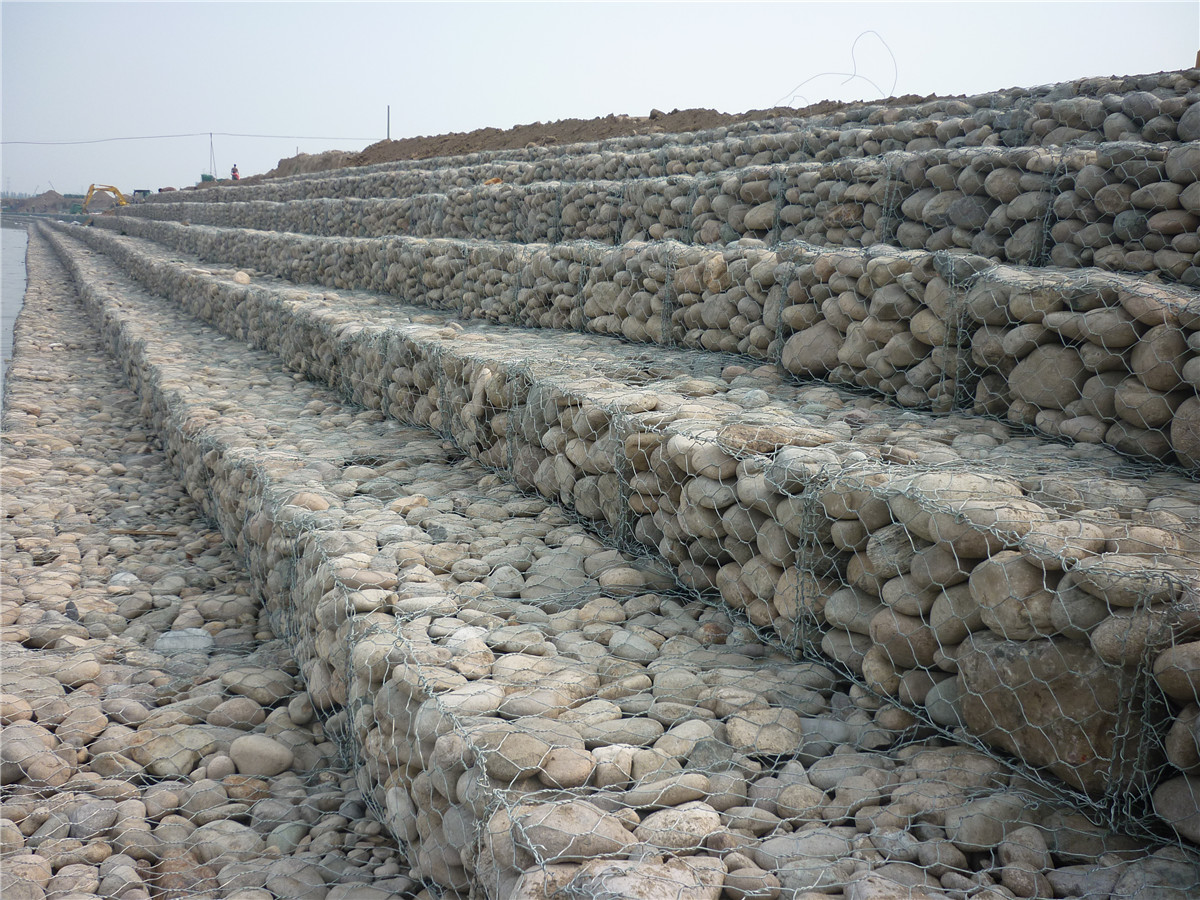
Innovations and Future Directions in Gabion Technology
As industries push for greener and smarter infrastructure, gabion technology is evolving too. Some recent trends include:
- Advanced coatings: Biodegradable and polymer coatings enhance corrosion resistance while reducing environmental footprint.
- Automation: Robotics and drones assist in surveying terrain and preassembling sections, speeding up complex installations.
- Smart monitoring: Sensors embedded in gabion structures detect shifts or moisture, facilitating predictive maintenance.
- Combined systems: Integration with green infrastructure like rain gardens or solar embankments is expanding, promoting multifunctional spaces.
These trends point to a future where gabion box installation is not just about static barriers but dynamic, integrated elements in resilient landscapes.
Challenges and Practical Solutions
Of course, no system is perfect. Common challenges we encounter include:
- Wire corrosion in harsh environments: Saltwater or acidic soils demand special coatings or stainless steel meshes.
- Incorrect stone sizing: Using rounded or too-small particles reduces structure stability.
- Poor installation practices: Gaps, loose ties, or improper layering can compromise performance.
- Logistical hurdles: Remote sites may lack enough quality stone or skilled labor.
Many engineers emphasize thorough site assessment and strict quality controls. Partnering with reputable suppliers who provide prefab kits and clear installation guides can make a world of difference. Plus, engaging local communities for sourcing materials and labor often alleviates transport and skill issues.
FAQ: Your Top Questions About Gabion Box Installation
- Q: How long does a typical gabion box installation take on site?
- A: It depends on the project scale, but a small retaining wall using standard 1m³ boxes might be installed in a few days by a team of 4–6 workers. Modular construction speeds up assembly since gabions arrive prefabricated; filling, positioning and tying are the main tasks.
- Q: Can gabion boxes be used in earthquake-prone areas?
- A: Absolutely. Their flexibility and permeability allow gabion structures to absorb seismic forces better than rigid concrete walls, reducing cracking risks while maintaining stability during tremors.
- Q: What kind of maintenance do gabion walls require?
- Minimal if installed correctly. Checking wire integrity every few years and removing any debris is usually sufficient. Vegetation growth often helps hold stones in place and reduces erosion.
- Q: Are gabions environmentally friendly?
- Yes, because they use natural stone and allow vegetation growth, they integrate well with ecosystems. Low carbon footprint in production and installation compared to concrete also adds to sustainability.
- Q: Is it possible to speed up installation in remote or disaster zones?
- Definitely. Using prefabricated gabion baskets and sourcing local stones reduces transport and preparation time significantly — a crucial advantage in emergencies.
Wrapping Up: Why Gabion Box Installation Deserves Your Attention
From the rugged hills of Asia to urban projects in Europe, gabion box installation proves again and again its value as a resilient, cost-effective, and green solution. Its balance between engineering prowess and environmental respect is rare and increasingly vital as our world faces climatic and societal challenges.
So, if you’re considering a project that demands strength and sustainability, why not explore the benefits of gabion box installation? For full details, specifications, or expert consultation, feel free to reach out or visit our site: gabion box installation.
It’s a simple system with complex impacts — and the best time to get familiar with it might be now.
References:
-
Hop Dipped Galvanized/PVC Coated Temporary Fence-Durable, Versatile, Reliable|Anping County Xingzhi Metal Wiremesh Products Co., Ltd
NewsApr.14,2026
-
Hop Dipped Galvanized/PVC Coated Temporary Fence-Durable, Versatile, Reliable|Anping County Xingzhi Metal Wiremesh Products Co., Ltd
NewsApr.14,2026
-
Hop Dipped Galvanized/PVC Coated Temporary Fence-Durable, Versatile, Reliable|Anping County Xingzhi Metal Wiremesh Products Co., Ltd
NewsApr.14,2026
-
China PVC Coated Gabion Basket A Comprehensive Guide to Sourcing and Applications
NewsFeb.24,2026
-
China Gabion Wall Solutions for Construction and Erosion Control
NewsFeb.23,2026
-
Comprehensive Guide to China Gabion Bags Applications and Benefits
NewsFeb.22,2026