

Dec . 01, 2025 10:31 Back to list
Durable & Versatile 750 Diameter Razor Barbed Wire for Global Security Needs
Understanding 750 Diameter Razor Barbed Wire: Why It Matters Globally
If you’re new to the topic, the term 750 diameter razor barbed wire might sound like a mouthful—and kind of intimidating. But in reality, it’s a crucial element used worldwide for everything from securing borders to safeguarding industrial facilities. Essentially, this wire comes with razor-sharp edges around a 750-micron diameter steel core, designed to provide a tough, nearly impenetrable barrier. It might seem like just fencing, but it plays an outsized role in security, disaster relief, and infrastructure protection.
With rising global tensions and increasing concerns over unauthorized access or livestock safety, understanding the benefits and characteristics of this type of barbed wire can save governments, companies, and NGOs both time and money. Plus, knowing the nuances—like why that specific diameter matters—can help you choose the right product for your needs.
Mini takeaway: 750 diameter razor barbed wire is more than a fence—it’s a strategic tool for protection and peace of mind in many sectors worldwide.
Global Landscape: Why 750 Diameter Razor Barbed Wire is on the Rise
From UN security reports to International Organization for Standardization (ISO) guidelines on perimeter safety, protective fencing standards have grown more stringent over the past decade. The surge in infrastructure development, especially in emerging economies, amid geopolitical challenges means razor barbed wire products like the 750 diameter variant are in demand like never before.
According to the United Nations statistical division, over 70% of countries now consider enhanced perimeter security essential in national planning. Industrial zones, refugee camps, border controls, and even critical wildlife protection zones all rely heavily on tough, long-lasting fencing.
That said, traditional wire fencing often falls short, especially considering thorny challenges like climate wear, vandalism, and rapid deployment needs during emergencies. Here’s where the 750 diameter razor barbed wire shines: it combines durability with sharp deterrence, offering a cost-efficient solution with practical long-term value.
Mini takeaway: Growing global security demands paired with climate and operational challenges make 750 diameter razor barbed wire a consistent top choice for many.
What Exactly is 750 Diameter Razor Barbed Wire?
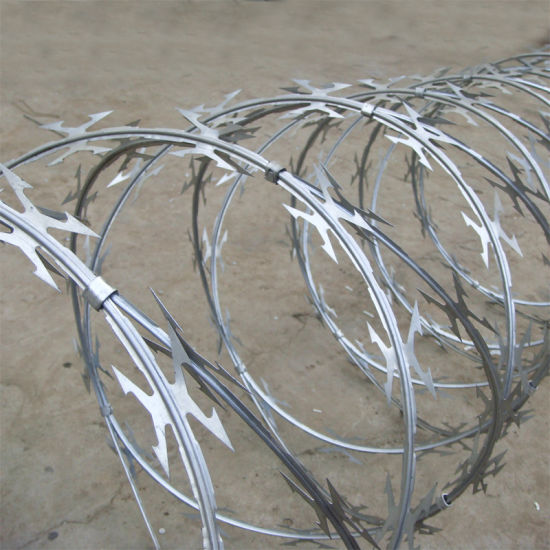
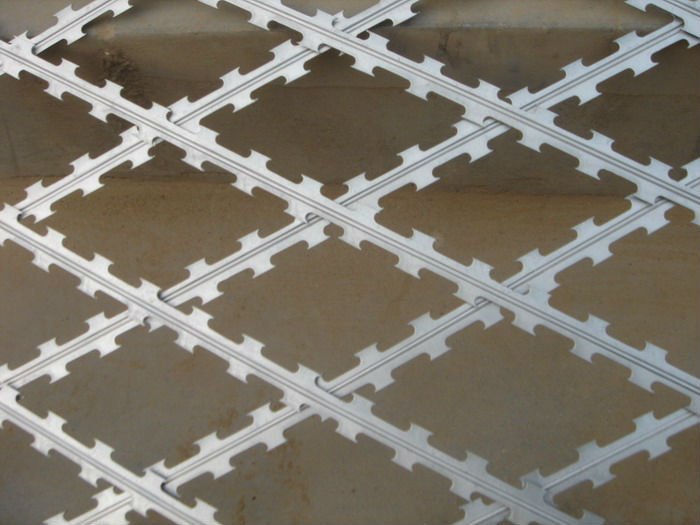
Let’s break it down simply. This is a specialized type of razor wire with a steel core approximately 0.75 mm (hence ‘750 diameter’) thick, around which are wrapped sharp, protruding razor-like edges designed to stop intruders in their tracks. It’s not your everyday barbed wire with those pesky normal spikes; this one’s sharper, more resilient, and more frightening.
The “razor” aspect refers to the flat, closely spaced blades that slice through anything trying to breach it. The diameter indicates the gauge of the core wire—thicker generally means stronger, but there’s a sweet spot to balance weight, flexibility, and cost, which 750 microns strikes well.
Industrially, this wire is used by construction, agriculture, border security, and humanitarian operations alike. It’s the go-to choice for places needing quick but robust perimeter reinforcement, especially in hazardous or vulnerable environments. Think stringent requirements for disaster recovery sites or sprawling industrial compounds.
Core Characteristics That Make 750 Diameter Razor Barbed Wire Work
Durability
The galvanized steel core resists rust and corrosion, even in tropical or desert climates. Many experts I’ve spoken with swear by its longevity, especially when combined with high-quality zinc coating—ensuring the wire lasts years without weakening.
Sharpness & Deterrence
The closely set razor edges aren’t just for show; they’re a psychological and physical barrier that's hard to ignore. In real terms, it deters climbing, cutting, or jumping over, making unauthorized access a serious challenge.
Flexibility & Scalability
This wire balances toughness with enough flexibility to be rolled and transported easily. You can scale its use for temporary setups—like emergency camps—or permanent barriers without complex infrastructure.
Cost Efficiency
Compared to alternatives like electric fences or concrete walls, 750 diameter razor barbed wire offers one of the cheapest protection methods per square meter installed, especially when factoring in installation time and maintenance.
Customization
Manufacturers often provide options in roll length, blade thickness, and wire coating, allowing end-users to tweak specs per project needs.
Mini takeaway: It’s a smart mix of endurance, danger factor, deployability, and affordability — no wonder it’s an industry favorite.
Real-World Uses: Where and How This Razor Wire is Deployed
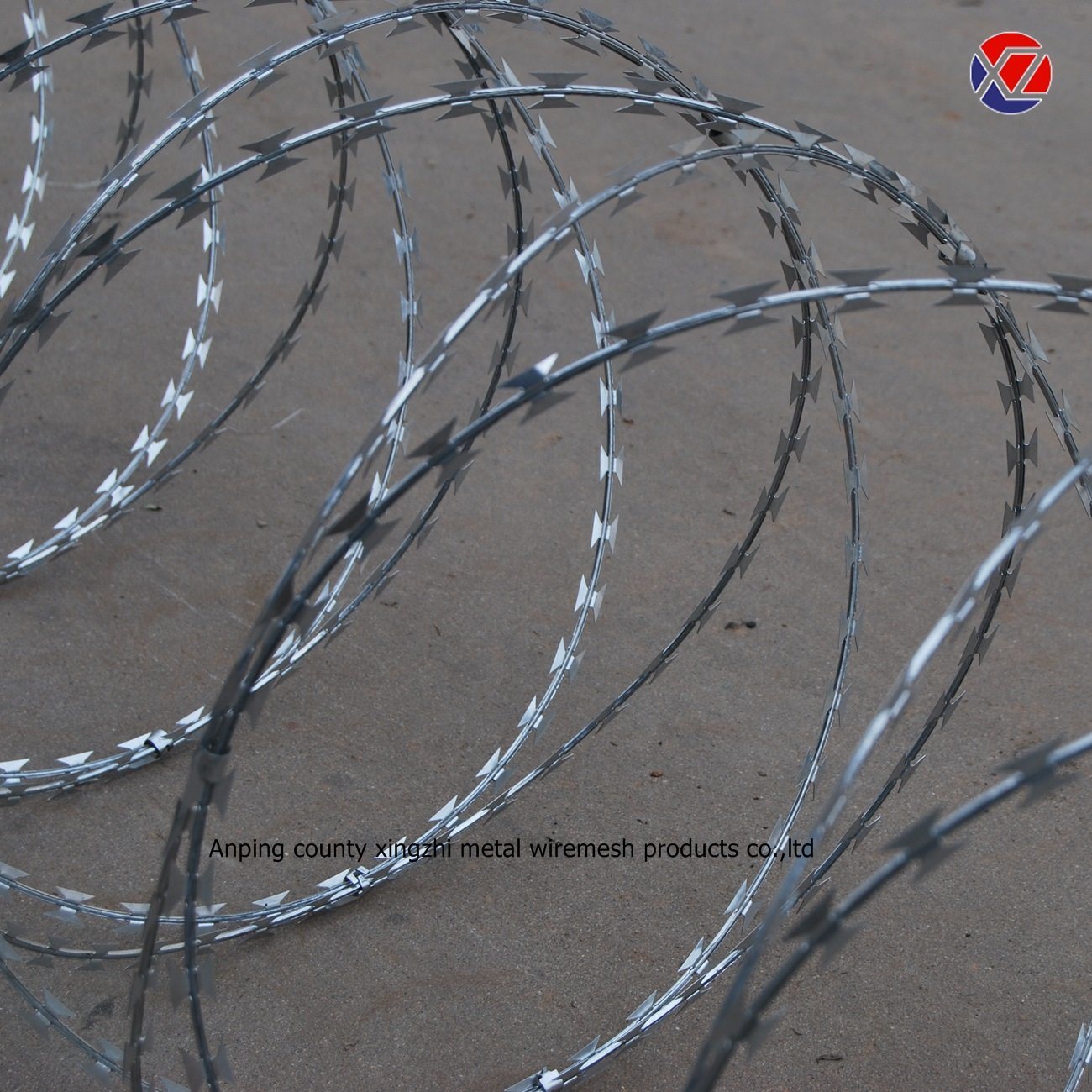
Across continents and sectors, the 750 diameter razor barbed wire proves its versatility:
- Border Security: Countries with contentious boundaries often use this wire layered with concertina coils to slow down illegal crossings. Think of areas along Southeast Asia and African borders.
- Industrial Sites: Remote mining camps and oil fields in harsh environments lock down their perimeters with this wire to protect expensive equipment.
- Disaster Relief Zones: Quick-deploy fencing can segment refugee camps, keeping inhabitants safe and cargo protected.
- Agriculture: Farmers use it to prevent livestock escape or predators entering large-range pastures.
For instance, a Middle Eastern humanitarian NGO deployed 750 diameter razor barbed wire after a large earthquake to secure a temporary shelter area — deterring unauthorized entry without extensive construction time. It’s a perfect example of speed meets efficiency.
750 diameter razor barbed wire manufacturers also continue innovating with coatings that withstand salt air, making coastal deployments viable.
Specifications of a Typical 750 Diameter Razor Barbed Wire
Comparing Major Vendors of 750 Diameter Razor Barbed Wire
Long-Term Advantages Beyond the Sharp Edge
Aside from the obvious, the use of the 750 diameter razor barbed wire comes with several benefits that often go unnoticed:
- Longevity: Once installed, it requires minimal maintenance, which adds up to serious savings over time.
- Safety & Respect: While it’s designed to deter, newer designs minimize accidental injury risk for authorized personnel—a nod to humane security.
- Environmental Impact: Some manufacturers now use eco-friendly galvanization processes that lower environmental footprint.
- Trust & Innovation: For security managers, this wire feels like a silent guard, always on alert but without the noise.
In short, this wire’s story isn’t just about sharpness, but a blend of practicality and humane protection—qualities organizations across the globe value deeply.
Looking Ahead: What’s Next for Razor Barbed Wire?
Innovations tend toward more sustainable and digitally integrated solutions. Smart fencing, for example, combines razor wire with sensors that detect intrusion attempts in real-time, instantly notifying security teams. Imagine that — the old-world razor wire gets a modern upgrade.
Material science is also pushing toward lighter, corrosion-resistant alloys that keep strength but further reduce weight and installation complexity. Renewable energy-powered automated fencing systems are no longer sci-fi either.
All told, the 750 diameter razor barbed wire is poised to stay relevant, evolving quietly but effectively to meet tomorrow’s security challenges.
Challenges & Overcoming Them
Of course, no product is a silver bullet. Some issues include:
- Installation Difficulty: Barbed wire can be tricky and dangerous to install. Trained personnel and protective gear are a must.
- Environmental Wear: Despite coatings, extreme environments may still degrade the wire earlier than expected.
- Public Perception: Razor wire can look harsh, leading to community concerns, especially around refugee camps or urban areas.
But solutions exist: modular pre-assembled panels speed up installation, advanced coating technologies mitigate weathering, and integrating community feedback into fence design softens local opposition.
FAQs About 750 Diameter Razor Barbed Wire
Q1: How does 750 diameter razor barbed wire compare to smaller diameters?
A: The 750 diameter gauge offers increased tensile strength and durability compared to smaller sizes (like 600 or 650 microns). This makes it better suited for high-security settings, though it’s slightly heavier and costlier.
Q2: Can this razor barbed wire be used in coastal regions?
A: Absolutely. When coated properly—usually hot-dip galvanized—it withstands salt-air corrosion better than ordinary steel wire, although occasional inspections are recommended.
Q3: What safety precautions should workers take during installation?
A: Protective gloves, eye shields, and long sleeves are critical due to the razor-sharp edges. Also, using pre-fabricated rolls and correct anchoring tools reduces accident risk.
Q4: Is it possible to customize roll lengths or blade thickness?
A: Many suppliers, including 750 diameter razor barbed wire manufacturers, offer customization options based on project size and security needs.
Q5: How long does a typical roll last in outdoor conditions?
A: With proper coating and maintenance, rolls can last 5–10 years, depending on climate and exposure severity.
Final Thoughts
All things considered, 750 diameter razor barbed wire stands out as a practical, robust answer to today’s complex security landscapes. It’s not just the sharp edges; it’s the engineering thought, the adaptability, and the subtle balancing act of strength with deployability that keeps it relevant.
Curious to learn more or find the right product for your project? Visit us anytime at https://www.xzmetal.com — your trusted partner for high-quality razor wire solutions.
Mini takeaway: Razor wire may seem simple, but its story is layered – much like the many layers of defense it provides.
References:
-
Hop Dipped Galvanized/PVC Coated Temporary Fence-Durable, Versatile, Reliable|Anping County Xingzhi Metal Wiremesh Products Co., Ltd
NewsApr.14,2026
-
Hop Dipped Galvanized/PVC Coated Temporary Fence-Durable, Versatile, Reliable|Anping County Xingzhi Metal Wiremesh Products Co., Ltd
NewsApr.14,2026
-
Hop Dipped Galvanized/PVC Coated Temporary Fence-Durable, Versatile, Reliable|Anping County Xingzhi Metal Wiremesh Products Co., Ltd
NewsApr.14,2026
-
China PVC Coated Gabion Basket A Comprehensive Guide to Sourcing and Applications
NewsFeb.24,2026
-
China Gabion Wall Solutions for Construction and Erosion Control
NewsFeb.23,2026
-
Comprehensive Guide to China Gabion Bags Applications and Benefits
NewsFeb.22,2026