
Nov . 25, 2025 09:21 Back to list
Durable, Eco-Friendly Hexagonal Gabion Mesh for Soil Stabilization and Infrastructure
What’s the Deal with Hexagonal Gabion Mesh?
If you’ve ever walked along a riverbank or glanced over a hillside fortified with a strange wire cage filled with rocks, you might have noticed something called hexagonal gabion mesh. It’s one of those unsung heroes in construction and environmental management — seemingly simple but incredibly important worldwide. Why? Because in an era where infrastructure resilience and sustainable solutions are king, understanding these flexible, protective wire meshes can mean safer lands, controlled erosion, and a greener future.
Globally, erosion and landslides cause billions of dollars in damage annually and jeopardize countless communities. The United Nations Environment Programme (UNEP) has highlighted soil degradation as a top environmental challenge, affecting food security and ecosystem health. Enter hexagonal gabion mesh, a clever structural element that’s affordable, durable, and surprisingly adaptable. If we grasp how this mesh works and where it fits in, it’s easier to appreciate its role in protecting lives and landscapes across continents.
Mini takeaway: Hexagonal gabion mesh is more than just wire cages — it’s a practical answer to global environmental and infrastructural problems with lasting benefits.
Hexagonal Gabion Mesh: Breaking It Down
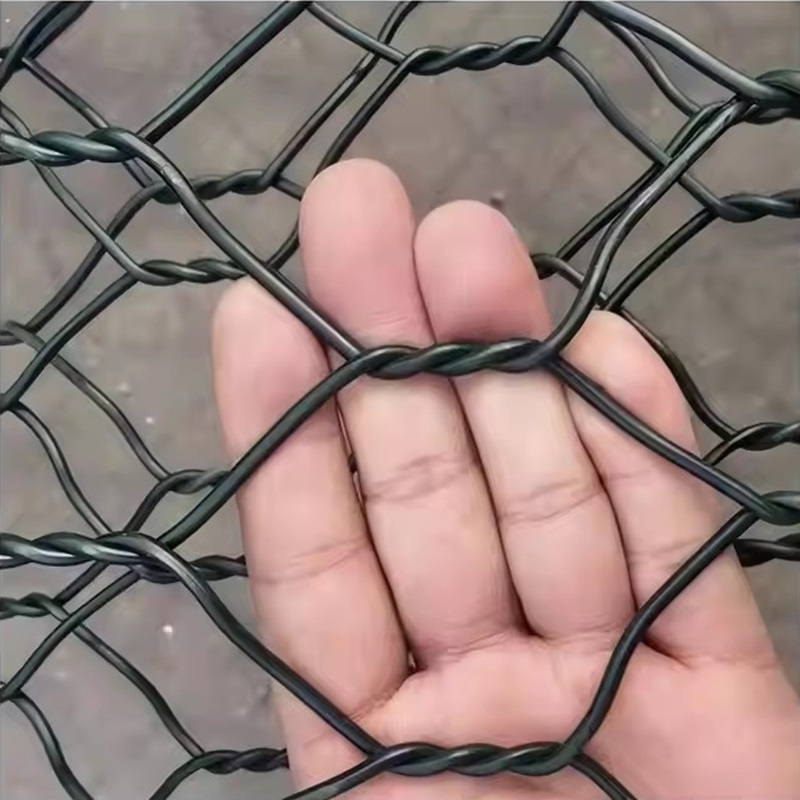
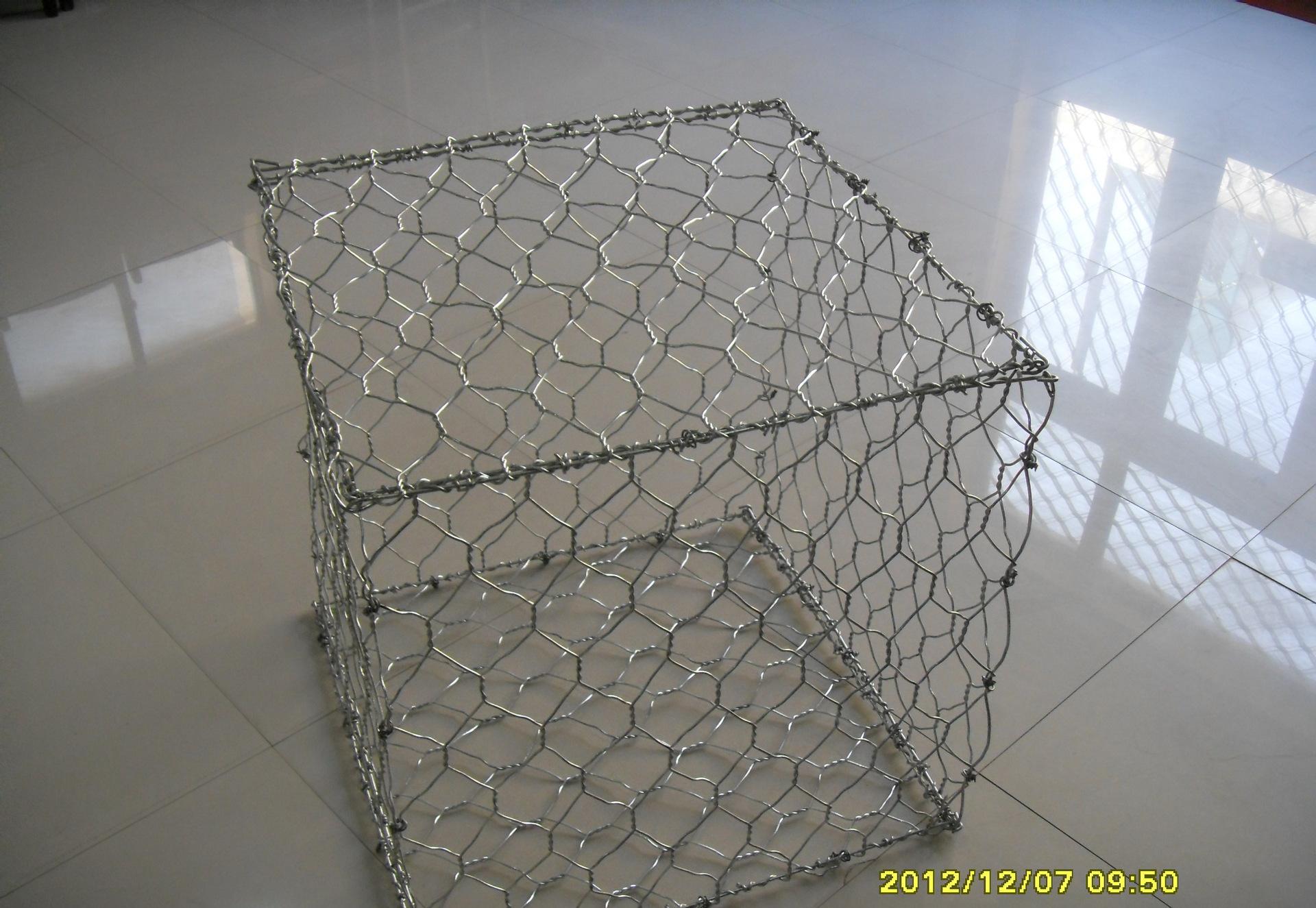
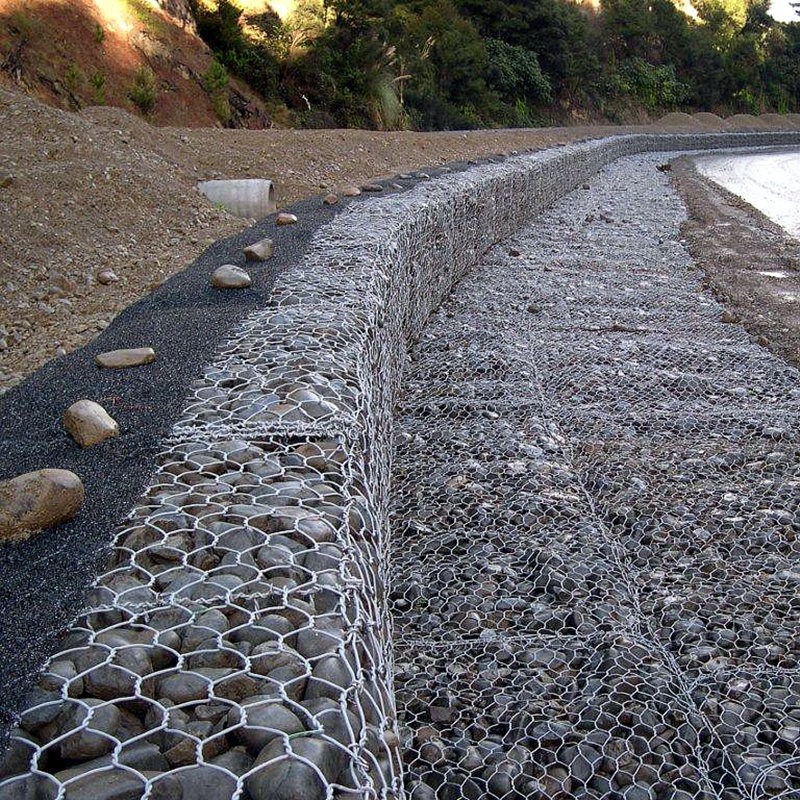
So, what exactly is hexagonal gabion mesh? In plain terms, it’s a type of wire mesh crafted into a honeycomb-like pattern made up of twisted hexagonal cells. These sturdy cages are typically filled with stones or rubble and then positioned for use in retaining walls, slopes, riverbank protections, or even modern landscaping.
The hexagonal shape isn’t accidental. It lends flexibility while maintaining strength, allowing gabions to conform to uneven surfaces and absorb pressure from waves, soil, or frost without cracking. This feature makes the mesh wildly popular in civil engineering, environmental restoration, and humanitarian sectors where rugged, cost-efficient solutions are in demand.
Hexagonal gabion mesh merges traditional building know-how with modern engineering needs — a testament to how simple materials can solve complex problems when applied smartly.
Core Elements that Make Hexagonal Gabion Mesh Tick
Durability and Corrosion Resistance
Most hexagonal gabion meshes are made of galvanized steel wire, often coated with PVC. This dual protection wards off rust and degrading elements, ensuring the cage remains intact for decades, even under harsh weather conditions.
Flexibility and Adaptability
Thanks to the twisted hexagonal pattern, these meshes can bend and slightly deform without losing structural integrity. This is especially useful in earthquake zones or areas with shifting soils, where rigid walls might fail.
Cost Efficiency
Compared to concrete or masonry walls, gabion mesh installations usually require less skilled labor and minimal heavy equipment, which helps shrink project budgets.
Environmental Friendliness
Filling the cages with local stones reduces transportation impacts and integrates structures visually and ecologically into their environments.
Scalability and Customization
Whether you need small erosion control on a hillside or multi-ton retaining walls along highways, gabion mesh sizes and configurations can be tailored to match the project scope.
Mini takeaway: These features combine durability, flexibility, and sustainability — an engineering cocktail perfectly aligned with modern infrastructure demands.
How Hexagonal Gabion Mesh Serves the World
The versatility of hexagonal gabion mesh finds practical applications across diverse regions and sectors.
- Disaster Relief Operations: In the aftermath of floods or earthquakes, temporary retaining walls made from gabions stabilize terrains quickly, preventing further degradation.
- Infrastructure Projects: Roads, bridges, and railways built in hilly or riverine areas benefit from gabions to secure embankments and mitigate landslides.
- Ecological Restoration: With their permeable nature, gabions allow native vegetation to grow, restoring natural habitats on degraded lands.
- Urban Design and Landscaping: Many architects incorporate gabion walls for their rustic aesthetic and functional drainage properties in parks and commercial projects.
Regions prone to soil erosion such as Southeast Asia and the Mediterranean have widely adopted gabion mesh solutions, supported by organizations like the World Bank and UN-Habitat for sustainable development initiatives.
Example in Practice
After devastating monsoons in Sri Lanka, local engineers employed hexagonal gabion meshes to rebuild river embankments efficiently, reducing rebuild times and costs without sacrificing durability — a win-win situation.
Advantages and the Lasting Value of Hexagonal Gabion Mesh
While the obvious benefit is protecting land and infrastructure, the advantages run deeper:
- Economic Savings: Prefabricated mesh and on-site stone filling reduce material transport and labor expenses.
- Longevity: These structures can outlast traditional retaining solutions when installed properly, sometimes exceeding 50 years.
- Sustainability: Gabions’ permeability promotes groundwater recharge and reduces runoff velocity, beneficial to the local ecosystem.
- Social Impact: Rapid deployment and repair capability mean communities aren’t left vulnerable for long periods.
Frankly, gabion mesh inspires trust — tangible, straightforward defense against nature’s unpredictability. It balances innovation with tradition, offering a solution that can feel both high-tech and oddly comforting at once.
Where Is Hexagonal Gabion Mesh Headed Next?
The future for hexagonal gabion mesh looks promising as trends push for greener, smarter infrastructure.
- Material Innovation: Researchers explore composite-coated wires for better durability and reduced environmental footprints.
- Automation: Robot-assisted mesh weaving and on-site deployment techniques can speed up construction while maintaining quality.
- Integration with Green Energy: Combining gabion walls with solar panel supports or green roofs adds multifunctionality.
- Digital Design Tools: 3D modeling increasingly customizes gabion shapes for complex terrain, optimizing material usage.
Even policy-wise, standards like ISO 13834 on gabion technology encourage higher quality and safety internationally, ensuring best practice adoption.
Challenges and Clever Workarounds
Let’s not pretend everything is perfect. Here are a few hurdles and how the industry addresses them:
- Corrosion Over Long Periods: Though galvanized and PVC-coated, constant moisture and salt exposure can wear down meshes. Using better coatings or stainless steel variants helps.
- Proper Installation: If not anchored correctly, gabions might shift or deform. Training technicians and using modern anchoring systems are key.
- Local Stone Availability: Without suitable fill material nearby, transportation costs can spike. Innovating with recycled concrete or artificial stones is an emerging alternative.
Given these challenges, engineers often combine gabion mesh with other materials or protective layers to enhance effectiveness — solutions are never one-size-fits-all.
FAQ: Your Top Questions About Hexagonal Gabion Mesh
Q1: How long does a hexagonal gabion mesh structure typically last?
A1: With proper installation and quality materials, a standard galvanized and PVC-coated gabion mesh structure can last between 30 to 50 years, sometimes longer if environmental conditions are mild.
Q2: Is hexagonal gabion mesh environmentally friendly?
A2: Yes, because the mesh itself uses recyclable steel and the filling often uses local stones, minimizing environmental impact. Additionally, gabions promote water permeability and landscape integration, aiding ecosystems.
Q3: Can hexagonal gabion mesh withstand earthquakes?
A3: Its flexibility makes gabions better suited than rigid concrete walls in seismic zones, as the mesh can absorb and dissipate vibrations without collapsing.
Q4: Are there standards governing hexagonal gabion mesh production?
A4: Absolutely, for instance, ISO 17827 and EN 10223-3 set wire and mesh quality standards, ensuring performance and durability.
Q5: How customizable are gabion sizes and shapes for different projects?
A5: Very customizable. Manufacturers offer a range of mesh aperture sizes and wire diameters, and gabions can be stacked or combined to fit unique engineering requirements.
Product Specification Table: Typical Hexagonal Gabion Mesh
| Specification | Details |
|---|---|
| Mesh Opening Size | 60mm x 80mm (typical range 50-100mm) |
| Wire Diameter | 2.0 - 4.0 mm galvanized, option for PVC coating |
| Material | High-tensile steel wire, galvanized and PVC coated |
| Panel Size | Typically 2m x 1m or customized |
| Coating Thickness | Minimum 40 microns galvanized; 0.5mm PVC option |
| Tensile Strength | >350 MPa typical for quality wires |
Vendor Comparison Table: Popular Hexagonal Gabion Mesh Providers
| Company | Wire Material Options | Customization | Typical Lead Time | Price Range (per sqm) |
|---|---|---|---|---|
| XZMetal | Galvanized, PVC-coated, stainless steel | Fully customizable mesh size & panel dimensions | 2-3 weeks | $10 - $15 |
| SteelTec | Galvanized, zinc-aluminum alloy | Standard sizes, limited shape options | 3-4 weeks | $9 - $13 |
| EnviroMesh | Galvanized, PVC-coated | Customization available for large orders | 4-6 weeks | $11 - $14 |
Wrapping Up: Why Hexagonal Gabion Mesh Will Keep Working for Us
To me, hexagonal gabion mesh feels like one of those elegant engineering solutions that quietly transform the way we protect the environment and build infrastructure. Its blend of resilience, cost-effectiveness, and environmental mindfulness sets a standard many other solutions just can’t match. And with ongoing advancements in materials and deployment, it’s only going to grow more relevant over time.
So, if you’re considering soil stabilization, retaining solutions, or even green design applications, hexagonal gabion mesh definitely deserves a spot on your shortlist. And when you’re ready to explore quality options, be sure to visit our partner XZMetal for the latest in customizable, reliable gabion mesh solutions.
Keep an eye on this stuff — it’s simple, but surprisingly powerful.
References
-
Hop Dipped Galvanized/PVC Coated Temporary Fence-Durable, Versatile, Reliable|Anping County Xingzhi Metal Wiremesh Products Co., Ltd
NewsApr.14,2026
-
Hop Dipped Galvanized/PVC Coated Temporary Fence-Durable, Versatile, Reliable|Anping County Xingzhi Metal Wiremesh Products Co., Ltd
NewsApr.14,2026
-
Hop Dipped Galvanized/PVC Coated Temporary Fence-Durable, Versatile, Reliable|Anping County Xingzhi Metal Wiremesh Products Co., Ltd
NewsApr.14,2026
-
China PVC Coated Gabion Basket A Comprehensive Guide to Sourcing and Applications
NewsFeb.24,2026
-
China Gabion Wall Solutions for Construction and Erosion Control
NewsFeb.23,2026
-
Comprehensive Guide to China Gabion Bags Applications and Benefits
NewsFeb.22,2026