
Nov . 25, 2025 09:28 Back to list
Gabion Mesh Cage Solutions – Durable, Eco-Friendly, and Cost-Effective Barriers for Global Infrastructure
Understanding Gabion Mesh Cages: Why They Matter Worldwide
If you've ever strolled by a riverbank or seen protective barriers along roads, you might have noticed cages filled with rocks or stones — these are gabion mesh cages. At first glance, they might look like simple wire boxes, but their importance—especially in an era where infrastructure resilience and sustainable construction are critical—is enormous. From protecting shorelines to reinforcing slopes, gabion mesh cages are a global solution to one persistent challenge: how to build durable, eco-friendly, and cost-effective barriers that last.
Why care about these mesh cages? Because they combine simplicity with versatility, often playing unsung roles in disaster relief, construction, and environmental protection. Understanding how they work can empower engineers, urban planners, and even humanitarian agencies worldwide.
The Growing Global Context of Gabion Mesh Cages
According to the United Nations, climate change and urban expansion have increased the frequency of floods and landslides, problems gabion mesh cages are uniquely equipped to help mitigate. The World Bank estimates that infrastructure failure due to erosion or flooding costs billions annually, so investing in reliable erosion control is practical.
However, traditional concrete or stone barriers aren’t always ideal; they're costly, less adaptable, and often environmentally unfriendly. That’s where gabion mesh cages come in, offering scalable protective solutions that are durable yet less resource-intensive. This playful yet sturdy system helps solve challenges especially in developing regions, where cost and construction speed matter.
What Exactly Is a Gabion Mesh Cage?
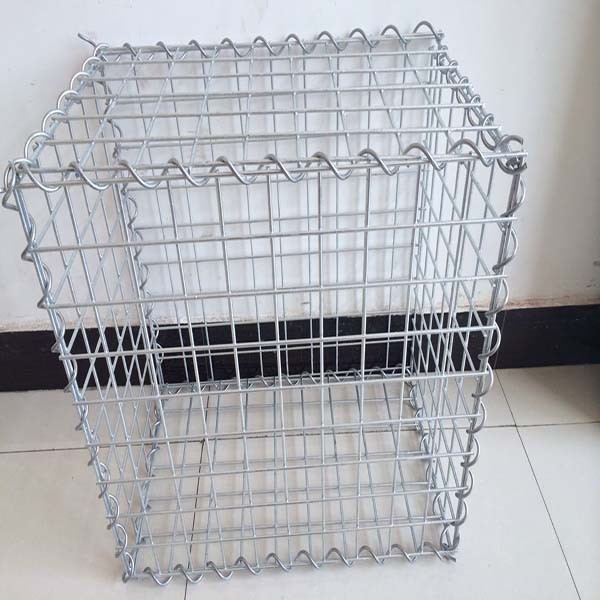
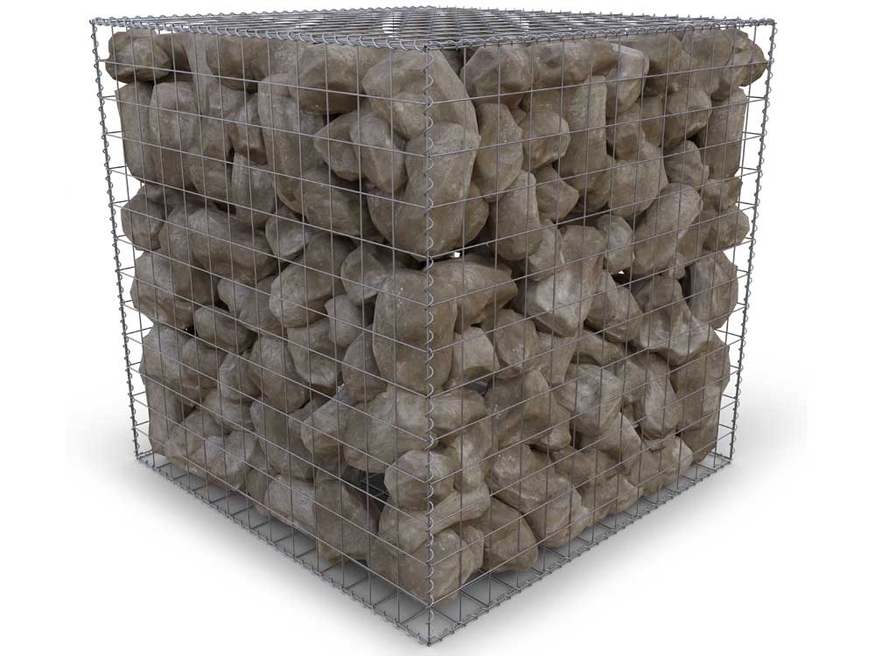
Simply put, a gabion mesh cage is a cage made from galvanized or PVC-coated wire mesh, filled primarily with rocks, stones, or other materials. The cage structure holds the fill material in place, stabilizing soil or water-facing surfaces against erosion or forces of nature.
Originally used in military fortifications centuries ago, modern gabion mesh cages have evolved to serve civil engineering demands and humanitarian projects — like flood defenses and post-disaster shielding. The mesh design allows water to pass through while holding soil or stones firmly, reducing pressure and damage.
Mini takeaway:
Gabion mesh cages marry simple materials and smart engineering to create a cost-effective solution combating erosion and infrastructure threats.
Core Features That Define Gabion Mesh Cages
1. Durability and Strength
Most gabion mesh cages are made with galvanized steel wire or PVC-coated steel to resist rust and corrosion. Their durability means they can withstand harsh environmental conditions for decades, even in salty or wet areas.
2. Flexibility and Scalability
The modular nature of gabion systems allows them to be stacked or connected in various ways, making them ideal for small projects or massive structures. Oddly enough, this flexibility suits uneven terrains well.
3. Cost Efficiency
Compared to poured concrete or stone walls, gabions are often cheaper to supply and install—mainly due to the simple materials and ease of transport. The reduced need for skilled labor further brings prices down.
4. Environmental Friendliness
Since gabion cages use natural fillers like stones and allow water to permeate, they don’t disrupt groundwater flow and enable vegetation growth, improving ecological impacts. Some projects even source local stone, reducing carbon footprints.
5. Easy Installation & Maintenance
Assembly usually involves stacking the cages, securing them with wire, then filling them with locally available material. Maintenance is low—mainly checking for cage integrity—and repairs are straightforward.
Product Specification Table: Typical Gabion Mesh Cage
| Feature | Specification |
|---|---|
| Wire Material | Galvanized steel or PVC-coated steel |
| Mesh Size | 50mm x 100mm (typical) |
| Dimensions | 1m x 1m x 1m or custom sizes |
| Fill Material | Rocks, stones, recycled concrete |
| Weight (filled) | ~1500 kg per cage |
| Lifespan | 20+ years with maintenance |
Global Applications of Gabion Mesh Cages
Gabion mesh cages are deployed all over the world—in mountainous regions to stabilize slopes, coastal areas for shoreline protection, and urban places to prevent flooding.
- Disaster Relief: After floods in Southeast Asia, NGOs use gabion cages for fast riverbank repair.
- Mining and Industrial Zones: In Australia, gabions protect haul roads and embankments against erosion.
- Transportation Infrastructure: In the U.S., highway engineers often integrate gabions along steep roadside cuts to prevent rockfalls.
- Developing Regions: Gabions aid small communities rebuilding after landslides, thanks to their low cost and materials availability.
If you’d like to explore suppliers, check options such as a gabion mesh cage provider who offer modular designs for numerous industries.
Mini takeaway:
Gabion cages answer a universal challenge—protecting landscapes and infrastructure efficiently—across continents and climates.
The Advantages and Long-Term Value of Gabion Mesh Cages
It’s not just about stones in a cage. Gabion mesh cages deliver:
- Cost savings: Less material and labor-intensive means lower upfront and lifecycle costs.
- Environmental harmony: They encourage vegetation growth and avoid water stagnation.
- Structural reliability: Their flexibility reduces cracking and failure—especially in seismic zones.
- Community trust: Locals often participate in installations, promoting ownership and maintenance.
On a personal note, many engineers I know appreciate how these solutions blend old-world simplicity with high-tech thinking – it’s oddly satisfying.
Future Trends and Innovations
The gabion mesh cage market isn’t just resting on its laurels. Here are some emerging trends:
- New materials: Advances in polymer-coated wires increase cage life and reduce rust risk.
- Automation: Robotic assemblers and drone surveys help install and inspect large-scale gabion walls faster.
- Sustainability: Use of recycled and locally sourced fill materials is gaining momentum.
- Smart monitoring: Sensors embedded in cages track stress and movement, providing real-time data for maintenance.
Challenges and Solutions in Using Gabion Mesh Cages
Gabions aren’t perfect. You might run into issues like:
- Wire Corrosion: Even galvanized wires eventually degrade, especially in saline environments.
- Improper Fill: Using unsuitable fill material causes instability.
- Installation Errors: Poor assembly or lack of compaction can lead to cage deformation.
Experts recommend routine inspections and selecting high-quality, coated wire mesh. Also, thorough geotechnical surveys can ensure correct design and installation.
Comparing Gabion Mesh Cage Vendors
| Vendor | Material Quality | Customization | Lead Time | Price Range |
|---|---|---|---|---|
| XZ Metal | Galvanized & PVC coated | Sizes & coatings | 2–4 weeks | $$ |
| Global Gabions Inc. | High-grade galvanized steel | Limited sizes | 3–5 weeks | $$$ |
| EcoBarrier Solutions | PVC-coated mesh | Custom eco-friendly designs | 4–6 weeks | $$$ |
FAQ: Common Questions About Gabion Mesh Cages
Q: How long do gabion mesh cages typically last in coastal environments?
A: When made with high-quality galvanized or PVC-coated mesh and filled with durable rocks, gabion cages can last 20 to 30 years or more, even in salty coastal environments. However, routine maintenance is important to detect any wire corrosion early.
Q: Can gabion mesh cages be used in earthquake-prone areas?
A: Absolutely. Their flexible mesh and stone fill design absorb and dissipate seismic energy better than rigid concrete walls, reducing cracking and failure during earthquakes.
Q: What type of fill material is ideal for gabion cages?
Sturdy, angular rocks that interlock well are preferred because they create stable, heavy barriers. Recycled concrete or local stones may also be used depending on project needs.
Q: Is it possible to customize gabion mesh cages for specific projects?
Yes. Most vendors offer customization in cage sizes, wire thickness, and coatings to match different environmental demands and project scales.
Q: How can international NGOs source gabion cages quickly after disasters?
Partnering with local manufacturers or suppliers like gabion mesh cage providers who have modular, ready-to-ship products can speed deployment. Developing pre-negotiated disaster contracts also helps.
In Conclusion: Why Gabion Mesh Cages Continue to Win Globally
Gabion mesh cages are more than just metal boxes filled with rocks; they represent a practical, eco-friendly, and resilient approach to addressing serious global issues like erosion, disaster damage, and infrastructure instability. Their low cost, durability, and environmental compatibility make them indispensable for engineers, planners, and humanitarian teams worldwide.
If you want to explore high-quality, customizable gabion mesh cage solutions and learn how they might fit your project, you’re invited to visit our website: https://www.xzmetal.com.
References
-
Hop Dipped Galvanized/PVC Coated Temporary Fence-Durable, Versatile, Reliable|Anping County Xingzhi Metal Wiremesh Products Co., Ltd
NewsApr.14,2026
-
Hop Dipped Galvanized/PVC Coated Temporary Fence-Durable, Versatile, Reliable|Anping County Xingzhi Metal Wiremesh Products Co., Ltd
NewsApr.14,2026
-
Hop Dipped Galvanized/PVC Coated Temporary Fence-Durable, Versatile, Reliable|Anping County Xingzhi Metal Wiremesh Products Co., Ltd
NewsApr.14,2026
-
China PVC Coated Gabion Basket A Comprehensive Guide to Sourcing and Applications
NewsFeb.24,2026
-
China Gabion Wall Solutions for Construction and Erosion Control
NewsFeb.23,2026
-
Comprehensive Guide to China Gabion Bags Applications and Benefits
NewsFeb.22,2026