
Nov . 25, 2025 09:39 Back to list
Studded T Post: Durable, Cost-Efficient Steel Fencing Solutions Worldwide
What Exactly Is a Studded T Post, and Why Does It Matter?
At first glance, a studded t post might sound like some niche fencing term no one outside the construction or agriculture world cares about. But oddly enough, these simple steel posts are quietly holding up fences worldwide—from farms in Nebraska to construction sites in Australia. Their importance stretches beyond just keeping cows in place or marking boundaries; they play a role in safety, sustainability, and even emergency response infrastructure that we often overlook.
Understanding studded t posts isn’t just for engineers or fence installers. Digging into their design, applications, and future innovations gives us a glimpse at how small but sturdy solutions support big systems. Plus, with global shifts toward sustainable materials and efficient infrastructure, knowing the strengths and limitations of these posts is more relevant than ever.
The Global Context: Why Studded T Posts Are a Worldwide Staple
The humble studded t post owes some of its global ubiquity to simple facts: they're cost-effective, versatile, and robust. According to the International Organization for Standardization (ISO), nearly 60% of agricultural fencing worldwide uses metal posts, and among these, studded t posts hold a considerable market share.
These posts solve a recurring problem across all climates and terrains—how to efficiently create secure fencing that can withstand weather, animal pressure, and human interference, while remaining easy to install and maintain. In many developing regions, fencing is critical not only for farming but also for protecting property from theft and ensuring livestock safety.
Moreover, in disaster-susceptible regions, fencing with studded t posts helps quickly demarcate access zones or containment areas after flooding or fires. So the challenge these posts address is clear: creating flexible, durable fencing that can be rapidly deployed with minimal tools and cost. And frankly, that’s a big deal in global infrastructure.
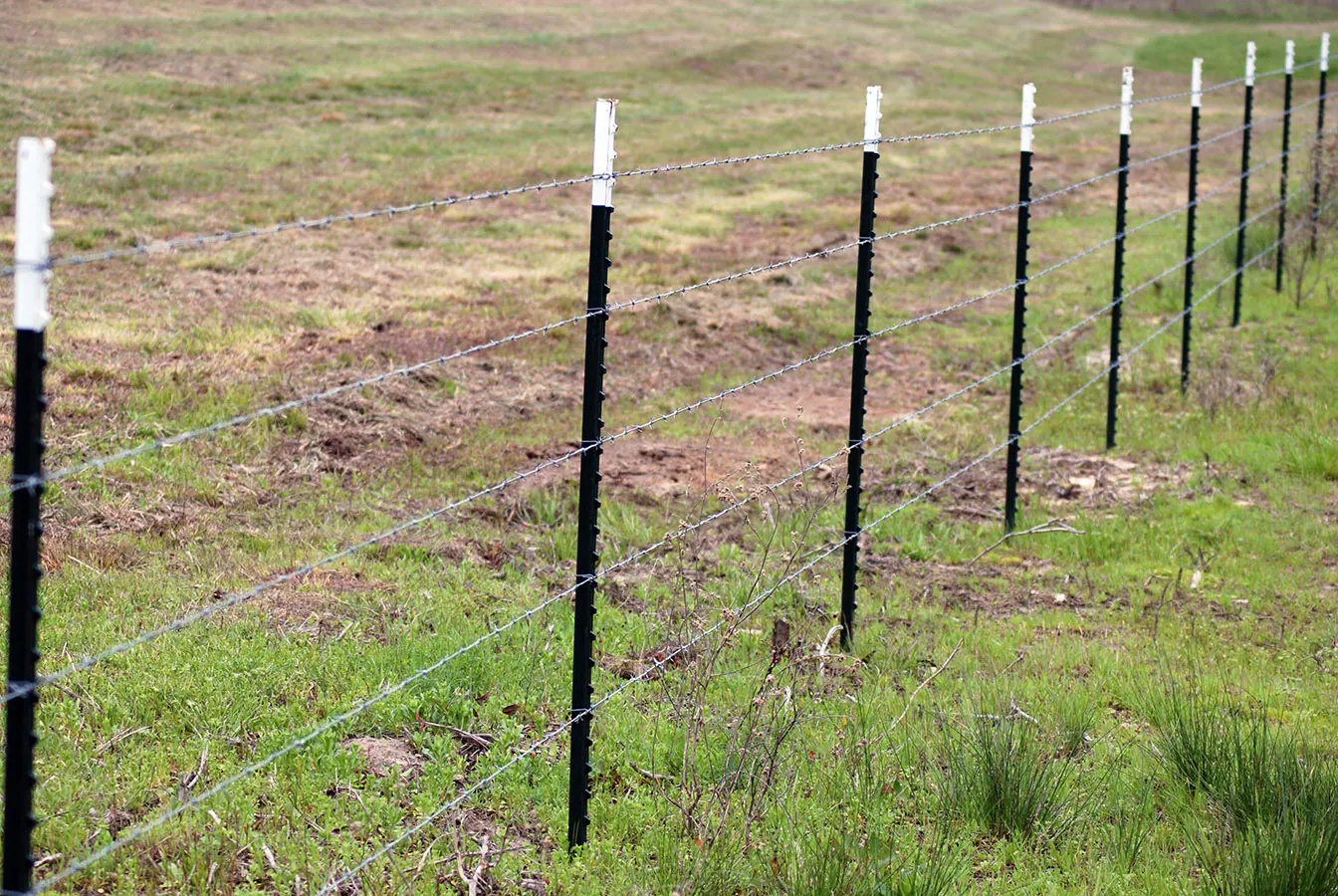
Defining the Studded T Post: A Simple But Ingenious Design
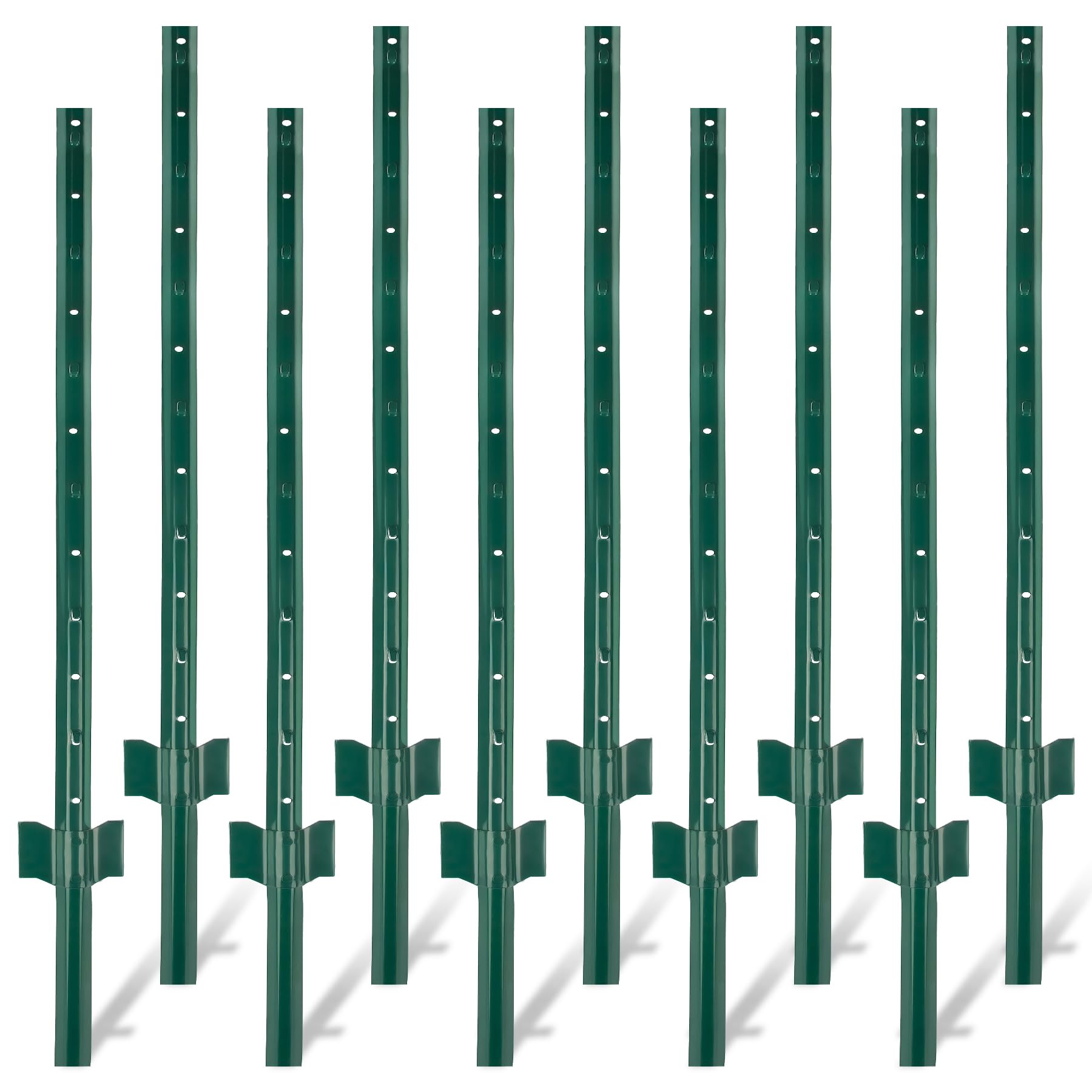
Put simply, a studded t post is a steel fence post shaped like a “T” in cross-section, studded with regularly spaced bumps or nubs along the vertical face. These studs grip fencing wire tightly, preventing slippage—a common problem with smooth posts. The “T” shape combines strength and ease of driving the post into soil.
In construction and agriculture, these posts usually come galvanized to combat rust and corrosion. This makes them suitable for long-term outdoor use across diverse environmental conditions. So, the studded t post’s simple form meets complex real-world needs: economy, durability, and user-friendliness.
Mini Takeaway:
- The studded t post is a low-cost, strong, and self-gripping fencing foundation.
- Its design addresses a universal challenge of secure fencing in all climates.
Core Components and Key Factors in Studded T Post Design
1. Material and Coating
Typically constructed from steel, the posts gain extra life with galvanization or polyester powder coating. This resists rust—pretty vital when you think about standing outside rain, snow, or salty coastal air for years on end.
2. Stud Configuration
The studs aren’t ornamentation—they serve a critical function. Positioned every 4–6 inches, these bumps lock fencing wire in place securely, reducing sag and displacement. The studs’ size and shape also affect how easy (or not) it is to twist wire around the post.
3. Length and Height Variants
Studded t posts usually come in lengths between 5 to 8 feet, balancing penetration depth into the soil with the needed fence height above ground. Custom lengths are available, especially for specialized fencing projects.
4. Weight and Thickness (Gauge)
These posts come in various gauges—roughly from 12 to 14 gauge steel. Thicker posts offer more durability but add weight, affecting handling and transportation costs.
5. Scalability and Installation Ease
Thanks to their design, studded t posts can be installed using simple tools—hammer or post driver—making them accessible even for small-scale farmers or relief workers without heavy equipment.
Mini Takeaway:
Each design choice—from stud size to coating—plays into durability, ease of installation, and long-term reliability in varied global environments.
Global Applications & Use Cases for Studded T Posts
One of the reasons studded t posts are so globally popular is their sheer versatility. Here are some core areas:
- Agriculture: Livestock fencing for cattle, sheep, goats—keeping animals safe and out of crops.
- Construction Sites: Temporary fencing for security and safety barriers.
- Wildlife Management: Protecting conservation areas, controlling animal movements.
- Disaster Relief & Humanitarian: Quick-to-install fences for defining camps, aid distribution points, or secure perimeters after natural disasters.
- Residential & Commercial Landscapes: Property demarcation, garden fencing.
For example, in remote industrial zones in Canada, studded t posts hold up temporary security fences that withstand harsh weather. Meanwhile, NGOs in Africa rely on them to quickly establish safe zones during humanitarian crises—where speed and sturdiness are paramount.
If you want to explore specialized fencing further, check out studded t post options that suit different environments.
Mini Takeaway:
Studded t posts’ adaptability lets them meet diverse global fencing needs—from farms to emergency zones.
The Advantages and Long-Term Value of Using Studded T Posts
Let’s talk about why these posts are steadily preferred over wood or plastic:
- Durability: Steel resists pests, fire, rot, and harsh weather better than wood.
- Cost Efficiency: Though initially pricier than wooden stakes, their long service life and low maintenance reduce overall costs.
- Sustainability: Steel is recyclable, and modern galvanization methods reduce environmental impact.
- Safety and Trust: They create reliable barriers that protect livestock and property, enhancing community stability.
On an emotional level, sturdiness equals peace of mind. Farmers know their fences won’t fail midway through a season, and emergency workers can trust the posts will hold strong despite urgent setups. In innovative terms, it’s a simple technology with profound ripple effects.
What’s Next? Future Trends & Innovations Around Studded T Posts
It might surprise you, but the industry is quietly moving toward greener production methods and smarter integration:
- Eco-Coatings: New powder coatings derived from bio-based materials prolong lifespan and minimize environmental impact.
- Smart Posts: Some experimental fencing incorporates sensors to detect tampering or stress. Imagine a smart fence that alerts you if a section is damaged!
- Automation in Installation: Robotics and automated post drivers are reducing labor costs and speeding up projects.
- Material Advances: Composite posts combining steel and recycled plastics offer hybrid strength with lower carbon footprints.
Clearly, the studded t post—while simple—doesn’t sit still in a world hungry for innovation and sustainability.
Common Challenges with Studded T Posts & How They’re Tackled
Despite many benefits, there are issues, such as:
- Corrosion Over Time: Even galvanization can wear off in extreme environments.
- Installation in Rocky or Hard Soils: Posts can bend or break.
- Weight and Transport: Heavier steel posts increase shipping costs.
To solve these, manufacturers explore thicker coatings or alloy steels, design posts with reinforced tips for rocky soils, and develop modular post systems that ship in components for on-site assembly.
In fact, some companies now offer tailored solutions specific to challenging terrains, demonstrating that the field is quite dynamic.
FAQ: Your Top Questions About Studded T Posts
- Q: How long can a studded t post last outdoors?
- A: With proper galvanization and maintenance, they typically last 15–20 years or more, depending on climate. Coastal salt air environments reduce lifespan without advanced coating.
- Q: Can I install studded t posts myself without special tools?
- A: Yes! Most posts can be driven into the soil using a manual post driver or even a sledgehammer, making them practical for DIY or small projects.
- Q: Are studded t posts recyclable?
- A: Absolutely. Steel is one of the most recycled materials worldwide. When the post reaches end-of-life, it can be melted down and reused with minimal waste.
- Q: What fencing types work best with studded t posts?
- They pair well with barbed wire, woven wire, and electric fencing. The studs help keep wires firmly in place without slippage.
- Q: Are studded t posts eco-friendly compared to alternatives?
- Given their longevity, recyclability, and advances in green coating technology, they often have a lower environmental footprint than treated wood, which requires chemical preservatives.
Wrapping It Up: Why Studded T Posts Still Make Sense
In a way, studded t posts symbolize a balance of tradition and innovation—old-school mechanical design meeting modern sustainability trends. They’re quiet champions of countless fences that keep farms functional, construction sites safe, and emergency zones secure.
If you’re considering upgrading your fencing or planning for rapid deployment in challenging conditions, studying these posts is a smart move. Ready to see what’s available? Visit our website at https://www.xzmetal.com and explore a range of studded t posts tailored to global needs.
Final Reflection
So, next time you see a fence standing firm in the field, there’s a good chance a studded t post is quietly doing the heavy lifting. Like many underrated industrial heroes, it proves that sometimes the simplest designs create the strongest foundations.
References
-
Hop Dipped Galvanized/PVC Coated Temporary Fence-Durable, Versatile, Reliable|Anping County Xingzhi Metal Wiremesh Products Co., Ltd
NewsApr.14,2026
-
Hop Dipped Galvanized/PVC Coated Temporary Fence-Durable, Versatile, Reliable|Anping County Xingzhi Metal Wiremesh Products Co., Ltd
NewsApr.14,2026
-
Hop Dipped Galvanized/PVC Coated Temporary Fence-Durable, Versatile, Reliable|Anping County Xingzhi Metal Wiremesh Products Co., Ltd
NewsApr.14,2026
-
China PVC Coated Gabion Basket A Comprehensive Guide to Sourcing and Applications
NewsFeb.24,2026
-
China Gabion Wall Solutions for Construction and Erosion Control
NewsFeb.23,2026
-
Comprehensive Guide to China Gabion Bags Applications and Benefits
NewsFeb.22,2026