
Dec . 01, 2025 10:39 Back to list
Expanded Metal Mesh Ceiling: Durable, Sustainable & Stylish Solutions for Modern Buildings
Expanded Metal Mesh Ceiling: More Than Just a Ceiling
At first glance, an expanded metal mesh ceiling sounds like a niche or maybe even a mildly industrial design choice. But peel back the layers and you'll see it’s a surprisingly versatile product that touches on pressing global concerns — from sustainable building to resilient infrastructure in vulnerable regions. It matters because ceilings are often overlooked in architecture and construction, yet they play a crucial role in safety, aesthetics, and environmental efficiency. Grasping what an expanded metal mesh ceiling offers isn’t just academic; it’s about smarter, greener, and sometimes lifesaving applications in construction and humanitarian efforts worldwide.
Why the World is Turning Its Attention to Expanded Metal Mesh Ceilings
To put things into perspective, consider this: According to the United Nations, over 55% of the world's population lived in urban areas by 2018, and this is projected to rise to 68% by 2050. Rapid urbanization demands innovative building materials — especially those that are sustainable and multifunctional. The expanded metal mesh ceiling fits right into this trend.
Additionally, ISO standards increasingly emphasize green construction and materials that can adapt to climate resilience challenges. Expanded metal mesh ceilings address several challenges — like ventilation, light diffusion, and structural safety — which are pivotal in megacities and remote industrial zones alike.
In disaster-prone areas, the need for quick-to-install, durable building components is critical, and expanded metal mesh ceilings offer a modular, low-cost solution that’s both effective and adaptable.
What Exactly is an Expanded Metal Mesh Ceiling?
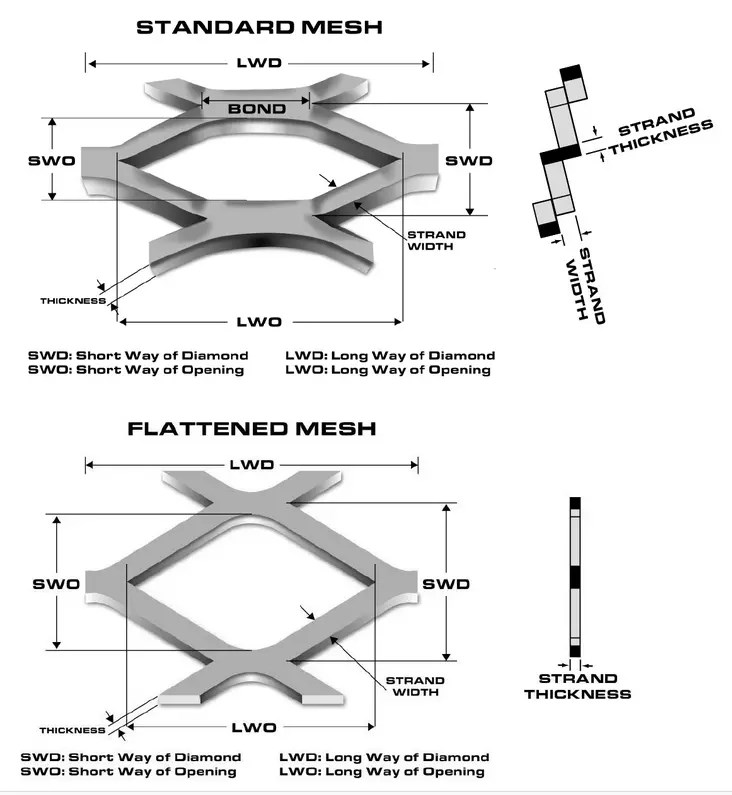
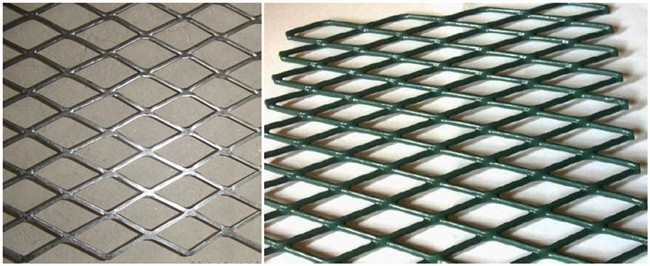
Simply put, an expanded metal mesh ceiling is a sheet of metal that’s been slit and stretched to create a mesh pattern, then installed as a ceiling panel. Think of it like a decorative, sturdy net suspended overhead that lets air and light circulate while providing strength and durability. This mesh isn’t woven but formed from a single sheet, which makes it stronger and lighter than traditional metal grates.
From office designs aiming to balance openness and privacy, to industrial plants requiring fire resistance and ventilation, this product serves multiple modern industrial and architectural needs. Plus, it’s easily recyclable and typically made from steel or aluminum, two materials with a solid global supply chain — which, oddly enough, ties this simple product to international trade and sustainability goals.
Mini Takeaway:
Expanded metal mesh ceilings blend strength, ventilation, and aesthetics in a way that traditional ceiling materials often can’t match — making them globally relevant in construction and design.
Core Components and What Makes Them Essential
1. Durability
Properly galvanized expanded metal mesh resists corrosion and mechanical wear, making it ideal not just for office condos but also for harsh industrial environments. The metal's tensile strength ensures a longer lifespan versus plastic or fabric alternatives.
2. Ventilation and Airflow
The mesh pattern allows air to circulate freely, which is critical in HVAC design, heat dissipation, and humidity control — all factors that building engineers obsess over and that can save energy in the long run.
3. Light Diffusion and Acoustics
Because the mesh lets light through, it can diffuse harsh artificial lighting or shield sensitive mechanical equipment from dust while improving acoustics by breaking up sound waves.
4. Cost Efficiency
Compared to fully sealed ceilings, expanded metal mesh often reduces material usage and installation time. It also enables easier maintenance access — a small but appreciated detail on facility managers’ checklists.
5. Customizability & Aesthetic Appeal
Sizes, thicknesses, finishes, even patterns — all can be tailored. For architects, it’s like a canvas that can be technical or artistic, lending itself to contemporary design themes.
Mini Takeaway:
Durability, airflow, lighting, cost, and style blend to make expanded metal mesh ceilings a smart, multi-benefit choice.
Global Applications See Them in Action
Look around, and you’ll find expanded metal mesh ceilings across industries and geographies:
- Healthcare facilities in Europe use it to support hygienic airflow and easy cleaning.
- Industrial factories in Asia employ it for safety screens and ventilation, especially in electronics assembly plants.
- Commercial retail spaces in North America favor it for its modern look combined with robustness in security.
- In post-disaster relief operations in Southeast Asia, panels can rapidly replace damaged ceiling parts, restoring structural integrity with simple tools.
- Remote mining camps benefit from easy-to-ship and assemble ceiling panels that tolerate harsh environments but cut down cooling costs.
Mini Takeaway:
From city hospitals to disaster relief tents, expanded metal mesh ceilings serve diverse needs worldwide — proving versatility is key.
Advantages & Long-Term Value in Real Terms
It’s easy to list features, but why should you care? Here's the practical payoff:
- Cost savings: Less material waste and installation time saves money upfront.
- Sustainability: Made from recyclable metals, it reduces environmental strain — a small but meaningful contribution to green construction.
- Reliability: Strong against mechanical damage and weather, it’s a long-term investment.
- Safety and dignity: Proper ventilation reduces mold risk; clean environments promote health; sturdy ceilings protect occupants.
- Design innovation: Architects get to be creative without losing functional integrity.
Mini Takeaway:
Beyond the numbers, expanded metal mesh ceilings offer peace of mind — something you can’t always put a price on.
Looking Ahead: Trends & Innovations in Expanded Metal Mesh Ceilings
What’s next for this humble ceiling material? A few things caught my eye:
- Smart coatings that repel dust or bacteria, further boosting hygiene in hospitals.
- Integration with green energy: mesh ceilings that can incorporate solar thin films or light panels, for dual functionality.
- Digital fabrication: 3D modeling and CNC machinery allow bespoke patterns tailored to acoustics or aesthetics.
- Material innovations: bio-based metal composites or ultra-lightweight alloys to further improve sustainability and transport efficiency.
Challenges and How to Overcome Them
Of course, nothing is perfect. Some users note that:
- Installation can be tricky without specialist tools, especially for large or irregular spaces.
- Maintenance involves periodic dusting and checking for corrosion in extreme climates.
- Noise transfer sometimes remains an issue unless combined with acoustic panels.
Solutions? Most manufacturers offer pre-finished panels and modular fasteners now. Adding acoustic backing materials can solve noise issues. Meanwhile, improved surface treatments extend lifespan, while experienced installers make setup less painful.
Product Specifications of a Typical Expanded Metal Mesh Ceiling
| Specification | Typical Value |
|---|---|
| Material | Galvanized Steel / Aluminum |
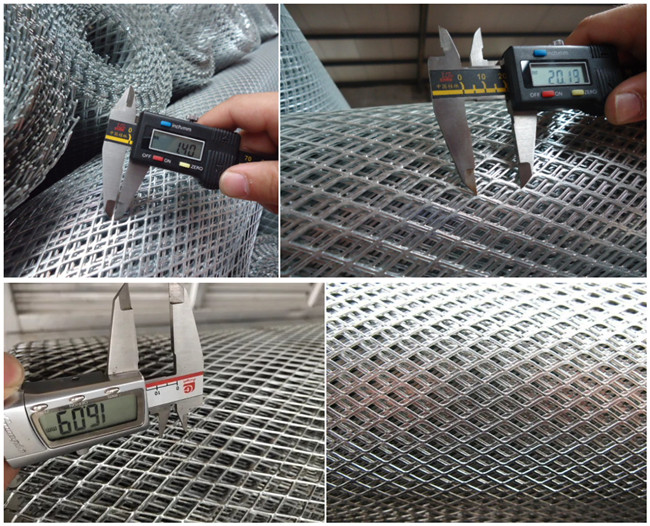
| Mesh Opening Size | 12 x 25 mm (standard), customizable |
| Thickness | 0.8 mm – 2.0 mm |
| Panel Size | 1200 x 2400 mm (typical) |
| Finish | Powder Coated / Bright Galvanized |
| Fire Rating | Class A (ASTM E84) |
Comparing Leading Vendors in Expanded Metal Mesh Ceilings
| Vendor | Material Options | Customization | Lead Time | Price Range |
|---|---|---|---|---|
| XZMetal Corp | Steel, Aluminum, Stainless Steel | Full pattern and size customization | 2-3 weeks | Mid to High |
| GlobalMesh Ltd. | Primarily Aluminum | Limited patterns, standard sizes | 1-2 weeks | Low to Mid |
| SteelNet Solutions | Galvanized Steel Only | Basic custom widths | 3-4 weeks | Mid |
Frequently Asked Questions About Expanded Metal Mesh Ceiling
Q1: How durable is an expanded metal mesh ceiling compared to traditional ceilings?
A: Expanded metal mesh ceilings offer superior durability especially in industrial and outdoor environments due to their corrosion-resistant coatings and strong metal construction. Unlike gypsum or wooden ceilings, they tolerate moisture and impacts better, resulting in a longer lifespan with less maintenance.
Q2: Are these ceilings suitable for acoustic-sensitive environments?
A: While the mesh design alone doesn’t provide soundproofing, it improves sound diffusion. For acoustic-sensitive spaces, it’s often paired with insulation or acoustic panels behind the mesh to balance both airflow and noise control effectively.
Q3: Can expanded metal mesh ceilings be customized for unique architectural designs?
A: Absolutely. Many vendors offer customizable mesh sizes, thicknesses, finishes, and panel dimensions. This flexibility makes it a favorite among architects looking to merge function and artistic expression.
Q4: How eco-friendly are expanded metal mesh ceilings?
A: They score well on sustainability because they're made from recyclable metals like steel and aluminum. Production technology has improved to reduce waste, and many products come with powder coatings that are low in volatile organic compounds (VOCs).
Q5: What should be considered when installing in humid or coastal regions?
A: In these environments, galvanization and specialized coatings are crucial to prevent corrosion. Regular inspections and maintenance help prolong the ceiling’s service life, and vendors often recommend materials specifically tested for saltwater exposure.
Conclusion: Why Expanded Metal Mesh Ceilings Deserve Your Attention
Ultimately, the expanded metal mesh ceiling is a blend of practicality, innovation, and sustainability. It addresses real-world challenges — be they urban density, climate concerns, or cost pressures — all while offering architects and engineers a versatile tool in their inventory. Whether you’re upgrading an industrial plant, designing a new office, or deploying emergency relief shelters, this ceiling option checks boxes you might not think about at first but won’t want to ignore later.
It’s worth diving deeper by visiting trusted suppliers for samples and design consultations — because ceilings, odd as it sounds, really do hold up a lot more than just a roof.
References
-
Hop Dipped Galvanized/PVC Coated Temporary Fence-Durable, Versatile, Reliable|Anping County Xingzhi Metal Wiremesh Products Co., Ltd
NewsApr.14,2026
-
Hop Dipped Galvanized/PVC Coated Temporary Fence-Durable, Versatile, Reliable|Anping County Xingzhi Metal Wiremesh Products Co., Ltd
NewsApr.14,2026
-
Hop Dipped Galvanized/PVC Coated Temporary Fence-Durable, Versatile, Reliable|Anping County Xingzhi Metal Wiremesh Products Co., Ltd
NewsApr.14,2026
-
China PVC Coated Gabion Basket A Comprehensive Guide to Sourcing and Applications
NewsFeb.24,2026
-
China Gabion Wall Solutions for Construction and Erosion Control
NewsFeb.23,2026
-
Comprehensive Guide to China Gabion Bags Applications and Benefits
NewsFeb.22,2026