
Dec . 03, 2025 10:38 Back to list
China 3D Welded Mesh Fence: Durable Security Solutions for Global Use
Understanding the Rise of China 3D Welded Mesh Fence in Modern Infrastructure
In a world where security, durability, and cost-efficiency are paramount, the concept of china 3d welded mesh fence emerges as a fascinating solution. But what exactly is it, why is it gaining traction globally, and how does it influence industries ranging from urban security to humanitarian aid? Frankly, understanding these fences is key for anyone involved in infrastructure planning or industrial applications today.
Global Context: Why Does the China 3D Welded Mesh Fence Matter?
Around the globe, security needs and resource management problems demand more innovative fencing solutions. According to the United Nations, rapid urbanization is increasing the need for clear boundary demarcations that also offer strength and reliability (UN Habitat). Oddly enough, conventional chain-link or barbed wire fences struggle to meet modern demands for durability and aesthetics.
Enter the china 3d welded mesh fence: recognized for robust construction and versatility, it addresses challenges like vandalism resistance, quick installation, and adaptable sizing — factors that matter in everything from industrial zones in Asia to humanitarian camps in Africa.
What Is a China 3D Welded Mesh Fence?
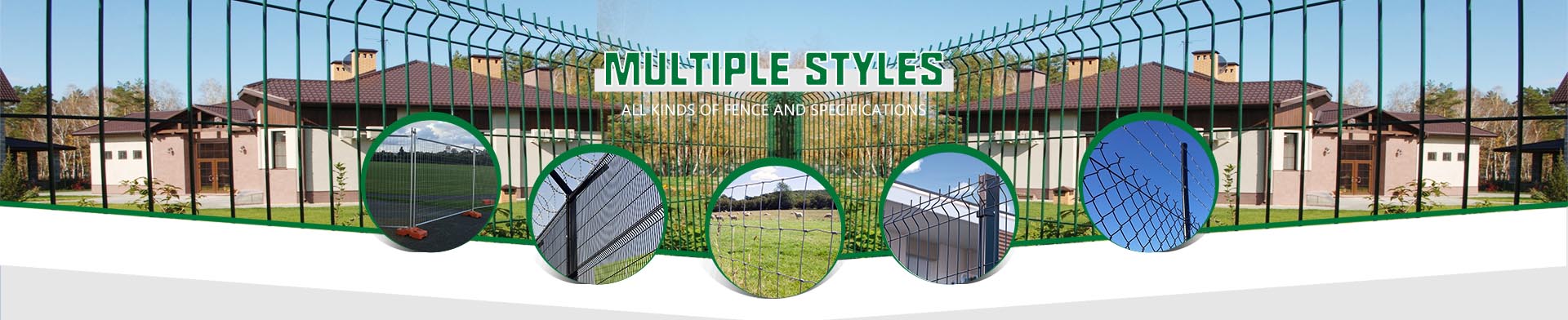
Put simply, a 3D welded mesh fence is a fence panel made by spot-welding steel wires into a rigid mesh, shaped with a three-dimensional bending that provides extra strength and rigidity. The qualifiers "china" or "Chinese" generally denote manufacturing origin but also reflect China's vast production scale and competitive pricing.
This fencing type connects directly to modern industry demands for material that is lightweight yet strong and easily transportable — a boon both for security firms and humanitarian organizations needing quick, reliable solutions.
Core Components and Key Factors of the 3D Welded Mesh Fence
1. Durability
Thanks to galvanized steel wire coatings or PVC layers, these fences resist corrosion and weather damage — a must for outdoor environments prone to rain or humidity.
2. Scalability
Manufacturers produce panels in various dimensions, making the fences adaptable from small residential gardens to sprawling industrial perimeters.
3. Cost Efficiency
China’s manufacturing capacity enables better price points without compromising quality, making these fences attractive for large-scale deployment.
4. Ease of Installation
The simple panel design combined with modular hardware allows for quick assembly — often reducing labor costs and downtime.
5. Security Features
The “3D” shape introduces vertical and horizontal bends that deter climbing or tampering, enhancing protection.
Product Specification Table: Typical China 3D Welded Mesh Fence
| Specification | Details |
|---|---|
| Material | Galvanized Steel Wire / PVC Coated |
| Wire Diameter | 3.0 - 5.0 mm |
| Panel Size | 2000mm x 2500mm (Custom sizes available) |
| Mesh Opening | 50mm x 200mm |
| Color Options | Green, Black, Grey (PVC coated) |
| Installation | Bolt & Clamp System, Modular Panels |
Global Applications & Use Cases
These fences don't just decorate your average backyard. They’re found everywhere from bustling industrial parks in China to secure perimeters around refugee camps in Jordan. For example:
- Post-disaster relief: In temporary camp setups, rapid fencing ensures safety and order.
- Industrial fencing: Factories and warehouses in Southeast Asia rely on them for reliable security demarcations.
- Public infrastructure: Railway lines and airports employ them for their durability and ease of maintenance.
- Agricultural sectors: Livestock farms use mesh fences for containment that withstands weather and animal pressure.
Oddly enough, despite their industrial strength, the fences are sometimes chosen for aesthetic projects, thanks to customizable coatings and neat, consistent mesh patterns.
Vendor Comparison Table: Leading China 3D Welded Mesh Fence Manufacturers
| Vendor | Primary Market | Price Range (USD/m²) | Lead Time | Certifications |
|---|---|---|---|---|
| XZ Metals | Global Export (Industrial, Security) | 12 - 18 | 2-4 weeks | ISO 9001, CE |
| Hengda Fencing | Asia-Pacific Regional | 10 - 15 | 3-5 weeks | ISO 14001, SGS |
| Tianjin Fence Co. | Domestic Chinese Market | 9 - 13 | 1-3 weeks | CE, ASTM compliant |
Advantages & Long-Term Value
Why do so many decision-makers opt for china 3d welded mesh fence panels? It boils down to a handful of key reasons:
- Cost Effectiveness: Affordable pricing combined with low maintenance makes it ideal for projects on tight budgets.
- Sustainability: The use of recyclable steel and long lifecycle reduces waste, aligning with eco-conscious goals.
- Reliability & Safety: These fences withstand tampering attempts better than traditional wire meshes, enhancing perimeter security.
- Dignity & Trust: For humanitarian contexts, secure fencing promotes a feeling of protection and order among displaced communities.
In real terms, choosing a 3D welded mesh fence isn't just about steel and wires; it's a blend of innovation and trustworthiness.
Future Trends & Innovations
Looking ahead, the industry is buzzing with innovations. There’s talk of integrating sensors into mesh panels for real-time breach alerts, or using new composite materials that combine lighter weight with even stronger corrosion resistance.
Green manufacturing techniques are another area to watch. China’s push toward sustainability means these fences may soon come with lower carbon footprints, aided by digital fabrication and automation. The “smart fence” concept isn't too far off, potentially revolutionizing security fencing as we know it.
Challenges & Solutions
That said, no tech is perfect. Weld quality inconsistency and variable coating thickness are challenges that manufacturers often face, which can affect lifespan. In rainy or coastal regions, even the best galvanized finishes wear down faster than you’d hope.
To counter this, quality control protocols (like ISO 9001) and third-party certifications play a vital role. Also, applying dual coatings (galvanized plus PVC) is a common practice to extend durability. For buyers, sourcing from certified vendors with transparent supply chains helps mitigate headaches later.
FAQ: Your Questions About China 3D Welded Mesh Fence
- Q: How does a 3D welded mesh fence compare to traditional chain-link fencing?
- A: The 3D welded mesh provides greater rigidity and resistance to deformation. It’s harder to climb and tamper with, offering improved security and a cleaner look.
- Q: Can these fences withstand harsh weather conditions?
- A: Yes, especially when galvanized and PVC-coated. However, in extremely corrosive environments, periodic inspections and maintenance extend lifespan.
- Q: Are these fences suitable for rapid deployment in emergency situations?
- A: Absolutely. Their modular design and lightweight panels enable quick installation, ideal for disaster relief zones or temporary secure areas.
- Q: What are the typical lead times for ordering these fences from China?
- A: From major suppliers, lead times average 2-4 weeks, depending on order size and customization requirements.
- Q: Are there environmental certifications associated with these products?
- A: Many manufacturers comply with ISO 14001 environmental management standards, reflecting responsible production processes.
Conclusion
China 3D welded mesh fence products represent a compelling combination of affordability, strength, and adaptability that’s hard to beat. Whether securing industrial sites, aiding humanitarian efforts, or defining urban landscapes, their impact is notable and growing. For those interested in exploring further or sourcing quality fences, I recommend visiting china 3d welded mesh fence suppliers — a good way to find verified products and suppliers.
At the end of the day, this technology feels like a quiet revolution in fencing — sturdy, thoughtful, and quietly transforming how we think about border security and infrastructure in the 21st century.
Mini takeaway: The rise of china 3d welded mesh fence merges industrial innovation with real-world demands, delivering safety, scalability, and sustainability — all in one fence.
References
-
Comprehensive Guide to China Chicken Wire Mesh for Poultry and Garden Use
NewsJan.27,2026
-
China Hot Dip Galvanized Welded Wire Mesh Your Comprehensive Sourcing Guide
NewsJan.27,2026
-
Why China Removable Fence from XZMetal is Ideal for B2B Industrial Security Solutions
NewsJan.06,2026
-
China D Section Pale Fence – Durable Industrial Fencing Solutions from China
NewsJan.06,2026
-
China Welded Mesh – Durable Mesh Solutions from XZMetal
NewsJan.05,2026
-
China 3/8 Inch Welded Wire Mesh – Durable, Cost-Effective Industrial Solution from China
NewsJan.05,2026