
Dec . 08, 2025 14:23 Back to list
Comprehensive Guide to China Gabion Cage: Durable, Cost-Efficient Erosion Control Solutions
Understanding the China Gabion Cage: A Global Perspective
If you haven’t come across the term “china gabion cage” before, it’s worth your attention. Oddly enough, this humble product plays a surprisingly big role in construction, civil engineering, and humanitarian projects worldwide. Essentially, gabion cages are wire mesh containers filled with rocks or rubble, used for reinforcing slopes, controlling erosion, and even stabilizing structures. The “china” in the name points to suppliers or manufacturing hubs in China, known for their cost-efficient, high-volume production of these cages.
Globally, with increasing infrastructure needs—especially in places prone to natural disasters or rapid urbanization—the demand for durable, sustainable, and affordable retaining solutions is on the rise. According to the World Bank, nearly half the world’s urban population lives in areas at risk of landslides or flood erosion, emphasizing the importance of effective terrain reinforcement solutions like gabion cages.
Mini takeaway: China gabion cages offer a practical, accessible solution to global challenges in civil engineering, balancing durability and cost-efficiency.
What Exactly Is a China Gabion Cage?
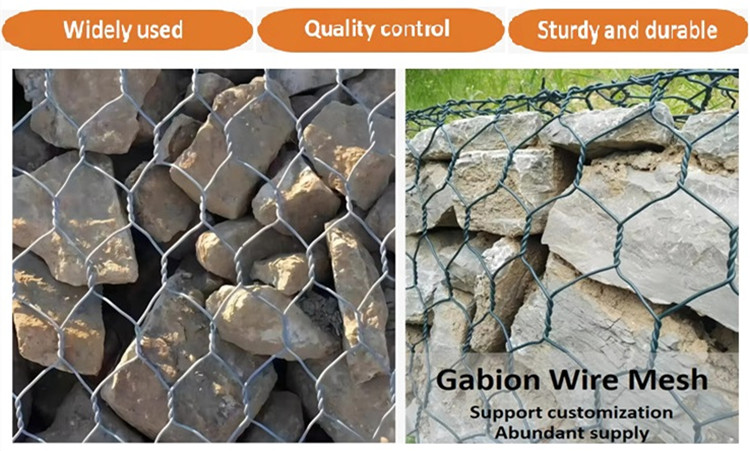
In simple terms, a gabion cage is a robust, galvanized or PVC-coated steel wire mesh box. It’s filled on-site with stones or sometimes recycled concrete. What makes the china gabion cage special is China’s vast manufacturing capacity, offering various sizes and coatings suitable for different climates and projects—from roadside embankments in Asia to flood barriers in Africa.
In industry contexts, these cages show up all over the place—hydraulic engineering, landscaping, and, increasingly, disaster relief efforts. For instance, rapid deployment gabion cages can stabilize slopes after a landslide or protect riverbanks against erosion quickly and affordably.
Core Components and Key Factors
1. Durability
China gabion cages are often made from galvanized wire or coated with PVC for corrosion resistance—critical when exposed to harsh weather or saline environments. This means they can last 20 years or more without major maintenance.
2. Scalability
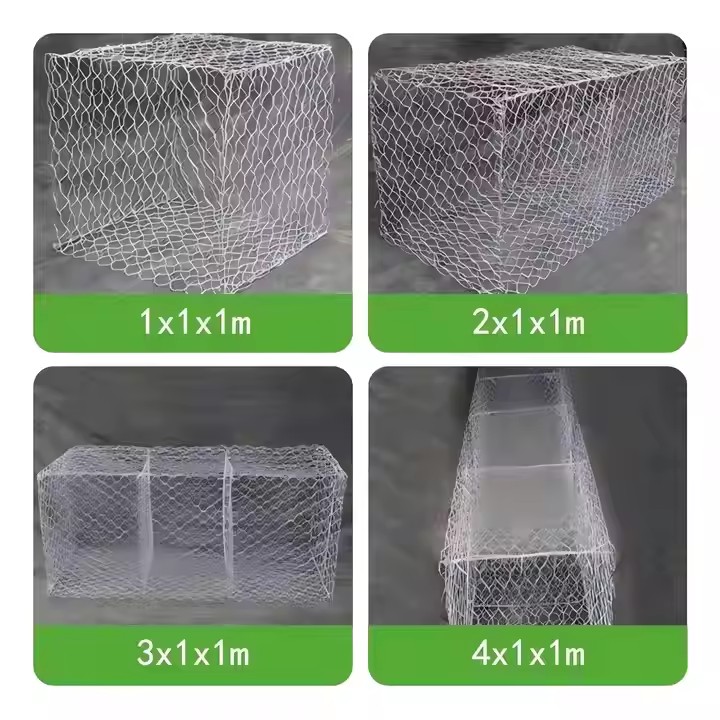
They come in various sizes and can be connected modularly to suit small garden walls or sprawling infrastructure projects. This flexibility is huge for engineers and architects.
3. Cost Efficiency
Due to mass manufacturing and material sourcing, china gabion cages undercut many Western suppliers by 15-30% on price, without compromising on standards—great for projects with tight budgets.
4. Environmental Friendliness
Filled with natural or recycled stone, gabions minimize environmental impact compared to concrete walls, promoting better drainage and habitat integration.
5. Ease of Installation
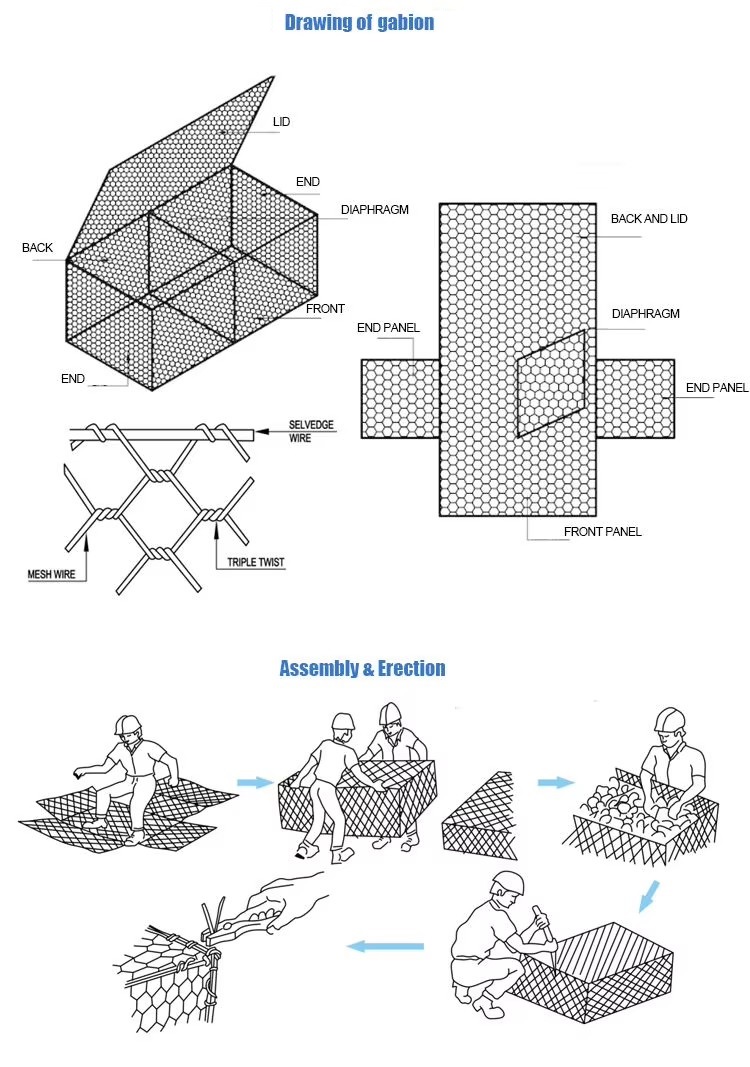
No heavy machinery or complex foundations are needed—skilled labor can assemble and fill cages quickly, sometimes within a day.
| Specification | Typical Value | Notes |
|---|---|---|
| Wire Diameter | 3.0-4.0 mm | Standard galvanization |
| Mesh Size | 50x100 mm, 75x100 mm | Varies by use case |
| Coating | Galvanized / PVC | PVC improves corrosion resistance |
| Dimensions | 1 x 1 x 1 m (common) | Custom sizes available |
| Weight (empty) | ~35 kg | Easy to transport |
Global Applications & Use Cases
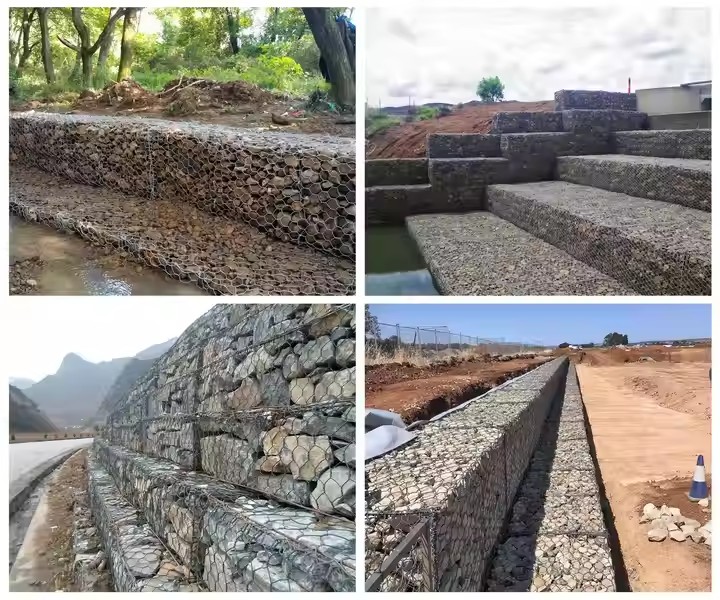
The beauty of china gabion cages is their sheer versatility. In Asia, particularly along the Yangtze River basin, they prevent soil erosion on riverbanks with minimal ecological disruption. African countries, grappling with flood risks and rapid urban growth, employ gabion cages to stabilize new settlement areas quickly.
In humanitarian relief, organizations use them to rebuild retaining walls that were washed away by floods or earthquakes. From the mountainous terrains of Nepal to coastal zones in the Philippines, china gabion cage solutions help communities regain safety and resilience.
Mini takeaway: Their adaptability makes china gabion cages indispensable from remote industrial zones to disaster-affected urban neighborhoods worldwide.
Comparing China Gabion Cage Vendors
| Vendor | Coating Options | Lead Time | Price per Unit | Certifications |
|---|---|---|---|---|
| XZ Metal | Galvanized, PVC | 2-3 weeks | $45-$55 | ISO 9001, CE |
| Huatai Wire Mesh | Galvanized only | 3-4 weeks | $40-$50 | ISO 9001 |
| Strong Mesh Ltd. | PVC Coating | 2 weeks | $50-$60 | CE |
Advantages & Long-Term Value
Why do many engineers and project managers swear by china gabion cages? Well, first there’s the logical angle: affordable, resilient, and environmentally sound. Compared to poured concrete retaining walls, gabion cages require less foundation work and can flex slightly with shifting soil, avoiding costly repairs down the line.
On an emotional level, it feels like these structures communicate “trust.” You know your hillside won’t just crumble next rainy season. Also, in community projects, gabion cages provide a dignified way to rebuild infrastructure without excessive disruption—and they integrate naturally with the environment.
Future Trends & Innovations
Looking ahead, some exciting shifts are underway. For example, manufacturers are exploring bio-based coatings to reduce plastic usage in PVC layers. Digital transformation is another big one: imagine drones and AI being used to assess erosion risk and optimally design custom gabion structures.
Green energy projects are also benefiting. Solar farms on uneven terrain use china gabion cages to stabilize ground cheaply and sustainably. Automation in welding and weaving processes is improving quality and cutting lead times further—hinting at a future where gabions are even more accessible worldwide.
Challenges & Practical Solutions
Still, not everything’s perfect. Corrosion remains a concern in harsh marine environments despite coatings, necessitating periodic maintenance. Transport costs can be tricky for remote locations, and skilled installation is essential to prevent failures.
Innovative responses include mixing traditional gabion materials with cutting-edge composites for lifespan extension and modular design kits to simplify assembly for local teams. Training workshops and partnerships with NGOs also help overcome expertise gaps in emerging markets.
FAQ: Common Questions on China Gabion Cage
- Q: How long do china gabion cages typically last in outdoor environments?
A: With galvanized or PVC coating, china gabion cages can last 20-30 years under normal conditions. Factors like saltwater exposure may reduce this, but regular inspection and maintenance help extend life. - Q: Can gabion cages be customized for specific projects?
A: Absolutely. Manufacturers offer varied sizes, wire gauges, and coatings to meet project-specific demands, from small retaining walls to large flood barriers. - Q: Are china gabion cages eco-friendly compared to alternatives?
A: Yes, they use natural or recycled fill materials and support soil stabilization with minimal chemical additives, making them a preferred sustainable choice in civil engineering. - Q: How quickly can china gabion cages be delivered and installed?
A: Most suppliers deliver within 2-3 weeks, and installation on-site can often be completed in a few days thanks to modular design and straightforward assembly.
Conclusion: Why China Gabion Cage Matters
In the grand scheme, china gabion cages represent a smart, adaptable, and increasingly accessible solution for managing earthworks and erosion worldwide. Their blend of affordability, durability, and environmental harmony means they’ll likely remain staples in civil and humanitarian infrastructure projects for years to come.
If this overview piqued your interest, I warmly encourage you to explore more and connect with reputable suppliers like china gabion cage. It’s an investment in both quality and global resilience.
And yes, it’s amazing how such a simple technology can quietly hold back nature’s power…and help communities thrive.
References:
-
Hop Dipped Galvanized/PVC Coated Temporary Fence-Durable, Versatile, Reliable|Anping County Xingzhi Metal Wiremesh Products Co., Ltd
NewsApr.14,2026
-
Hop Dipped Galvanized/PVC Coated Temporary Fence-Durable, Versatile, Reliable|Anping County Xingzhi Metal Wiremesh Products Co., Ltd
NewsApr.14,2026
-
Hop Dipped Galvanized/PVC Coated Temporary Fence-Durable, Versatile, Reliable|Anping County Xingzhi Metal Wiremesh Products Co., Ltd
NewsApr.14,2026
-
China PVC Coated Gabion Basket A Comprehensive Guide to Sourcing and Applications
NewsFeb.24,2026
-
China Gabion Wall Solutions for Construction and Erosion Control
NewsFeb.23,2026
-
Comprehensive Guide to China Gabion Bags Applications and Benefits
NewsFeb.22,2026