
Dec . 02, 2025 08:16 Back to list
Gabion Boxes: Durable, Sustainable Solutions for Slope Stability & Environmental Protection
Gabion Boxes: An Essential Solution for Modern Engineering and Environmental Challenges
Gabion boxes might not be the flashiest term you hear in construction or environmental management, but they play a surprisingly crucial role worldwide. These wire mesh cages filled with rocks or other materials help stabilize slopes, prevent erosion, and even form security barriers. Understanding what gabion boxes are and their diverse benefits can shed light on how low-tech solutions often handle high-stakes problems, from civil infrastructure to disaster relief efforts.
Global Context: Why Gabion Boxes Matter in Today’s World
Worldwide, infrastructure resilience and environmental protection are becoming increasingly urgent. With climate change causing unexpected weather patterns and rising instances of flooding, landslides, and soil erosion, the global need for cost-effective, adaptable stabilization methods is clear. According to the United Nations Environment Programme, erosion affects nearly 75 billion tons of fertile soil annually, threatening agricultural productivity and biodiversity.
That’s where gabion boxes come in. Their global relevance stretches from remote Himalayan settlements safeguarding against landslides, to urban river embankments resisting flood surges. They help solve problems that are both immediate and long-term – preserving land integrity and preventing costly damage.
What Exactly Are Gabion Boxes?
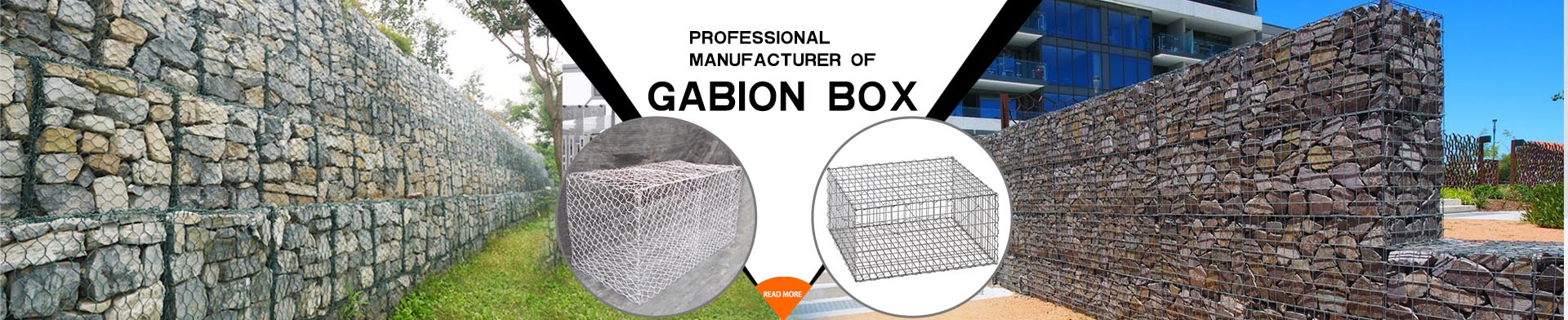
At their core, gabion boxes are cages made from galvanized steel wire mesh, filled with stones or sometimes recycled construction debris. The term "gabion" itself comes from the Italian gabbione, meaning “big cage.” Used since ancient times, they’ve become a staple in modern civil engineering, landscaping, and environmental restoration projects. Their combination of flexibility, permeability, and strength makes them ideal for tackling a variety of challenges.
In humanitarian contexts, gabion boxes serve as quick-to-install retaining walls or flood barriers that can be deployed at lower costs than concrete structures, which require heavy machinery and curing time.
Core Features of Gabion Boxes
Durability and Strength
The wire mesh is typically galvanized or coated to resist corrosion, which is critical because gabions face constant exposure to weather and water. For example, a 4 mm thick galvanized wire with PVC coating can withstand years of harsh conditions with little maintenance.
Permeability and Drainage
Unlike solid walls, gabion boxes allow water to pass through, reducing pressure buildup and minimizing risk of structural failure. This permeability also prevents waterlogging in soils, which can be a major cause of slope instability.
Flexibility and Scalability
Gabions adapt well to ground movement because their mesh cages and fill can shift slightly without cracking or failing. This makes them especially useful in earthquake-prone or flood-affected regions. Plus, they can be stacked or arranged to fit a site’s exact dimensions.
Cost Efficiency
Since gabions use locally available stone or rubble and don’t require expensive materials or skilled labor for assembly, they offer a budget-friendly alternative to poured concrete or masonry walls.
| Feature | Specification |
|---|---|
| Mesh Wire Diameter | 3.0 - 5.0 mm (galvanized, PVC coated) |
| Box Dimensions | 1m x 1m x 1m (customizable) |
| Fill Material | Granite, limestone, recycled concrete |
| Tensile Strength | ≥ 380 N/mm² (wire) |
Global Use Cases: Real Life Applications of Gabion Boxes
Gabion boxes are everywhere and quite versatile. In the United States, they’re common in highway embankments to stabilize slopes along freeways. Down in parts of Africa, NGOs use gabion walls as flood defenses and soil erosion barriers to protect agricultural lands.
Gabion boxes also feature heavily in mining and industrial zones, especially in Australia and Canada, where they help secure steep cuts and tailing dams. Post-disaster relief efforts in Southeast Asia rely on gabions as quick foundation supports or temporary flood protection.
Advantages and Long-Term Value
What really stands out about gabion boxes is their sustainability. Because you can often use locally sourced fill material, the environmental footprint is lower compared to transporting ready-mix concrete or steel panels. And they offer social safety benefits — they can protect communities from landslides and floods, preserving homes and livelihoods.
There’s also a certain dignity in deploying a solution that works with nature rather than against it — a philosophy some engineers and planners now endorse wholeheartedly.
Emerging Trends & Innovations
Tech innovations are weaving themselves into gabion manufacturing, too. Coatings have improved dramatically with polymer layers reducing rust risk for decades rather than years. Some firms are exploring integrating sensors within gabions to monitor stability or moisture in real time — a smart engineering move aligned with the digital transformation sweeping the industry.
Green policies worldwide encourage the use of recycled materials inside gabions, connecting circular economy principles to infrastructure development. Automation in mesh weaving and modular customization has also reduced lead times, making gabion solutions faster and cheaper to deploy than ever before.
Challenges and How Experts Address Them
Despite their strengths, gabion boxes aren’t perfect. They can suffer from mesh corrosion in highly acidic soils or saltwater environments if not properly protected. Maintenance sometimes requires replacing fill materials displaced by heavy floods. Experts suggest combining gabions with geotextiles to improve longevity, or periodically inspecting and tightening wire lacing.
Furthermore, training local workers on installation best practices is essential — or else gabion walls won’t perform optimally. Luckily, many construction firms and NGOs offer such training with great success.
| Vendor | Material Quality | Customization | Delivery Speed | Price Range |
|---|---|---|---|---|
| XZ Metal | High (PVC-coated galvanized steel) | Fully customizable sizes | Fast (2-3 weeks) | $$ |
| StoneTech | Standard galvanized steel | Limited sizes | Moderate (4-6 weeks) | $ |
| EcoBarriers | Enhanced polymer coatings | Custom sizes and fill options | Fast (2-4 weeks) | $$$ |
FAQ: Practical Questions About Gabion Boxes
Q1: How long do gabion boxes typically last in outdoor environments?
A1: With proper galvanized and PVC-coated wire mesh, gabion boxes can last anywhere from 20 to 50 years, depending largely on environmental conditions. Regular inspection and maintenance also extend lifespan, especially in corrosive settings.
Q2: Can local stones be used as fill material?
A2: Absolutely. One of the strengths of gabions is their flexibility in fill. Using local stone not only cuts costs but also improves sustainability by reducing transportation emissions. Just ensure the stones are suitably sized to fit securely.
Q3: Are gabion boxes eco-friendly compared to concrete walls?
A3: Generally yes. They require less cement and often use recycled or natural stone. Plus, their permeability supports groundwater flow, reducing negative environmental impacts.
Q4: How quickly can gabion structures be installed?
A4: Gabion boxes can be assembled and filled relatively quickly with minimal machinery, often taking days rather than weeks, which is valuable in emergency or remote situations.
Conclusion
Gabion boxes are a testament to engineering simplicity meeting complex challenges. They provide cost-effective, durable, and environmentally conscious solutions across the globe. If you’re considering infrastructure or erosion control projects, gabions might be just the reliable, scalable approach you’re looking for. To explore more about high-quality gabion solutions and customization options, be sure to visit our website: https://www.xzmetal.com.
Little things can make a big difference — and with gabion boxes, that difference can last decades.
References:
1. United Nations Environment Programme – Soil Erosion Data (https://www.unep.org)
2. ISO 10336:2011 – Steel Wire Mesh Standards
3. Wikipedia – Gabion (https://en.wikipedia.org/wiki/Gabion)
-
Comprehensive Guide to China Chicken Wire Mesh for Poultry and Garden Use
NewsJan.27,2026
-
China Hot Dip Galvanized Welded Wire Mesh Your Comprehensive Sourcing Guide
NewsJan.27,2026
-
Why China Removable Fence from XZMetal is Ideal for B2B Industrial Security Solutions
NewsJan.06,2026
-
China D Section Pale Fence – Durable Industrial Fencing Solutions from China
NewsJan.06,2026
-
China Welded Mesh – Durable Mesh Solutions from XZMetal
NewsJan.05,2026
-
China 3/8 Inch Welded Wire Mesh – Durable, Cost-Effective Industrial Solution from China
NewsJan.05,2026