
Dec . 01, 2025 11:25 Back to list
Hexagonal Mesh Wire: Durable, Flexible Solutions for Global Industry and Infrastructure
Understanding Hexagonal Mesh Wire: The Unsung Hero of Industry and Infrastructure
Hexagonal mesh wire might not be the phrase you hear at every kitchen table conversation, but its global impact quietly stretches across construction sites, agricultural fields, and disaster relief zones alike. Imagine a versatile, durable weaving of wire that balances strength with flexibility — that’s basically what hexagonal mesh wire offers. In a world facing challenges like rapid urbanization, environmental remediation, and humanitarian crises, understanding this material can make a real difference.
So why does this matter on a global scale? The United Nations estimates that by 2050, two-thirds of the world's population will live in urban areas, accelerating the need for materials that are strong, adaptable, and resource-efficient. Hexagonal mesh wire meets those criteria in surprising ways. Whether stabilizing soil erosion on a hillside in Nepal or protecting industrial zones in Europe, this wire mesh’s unique design is proving indispensable.
Hexagonal Mesh Wire: What Exactly Are We Talking About?
At its core, hexagonal mesh wire is a type of metal wire mesh patterned in a hexagonal (six-sided) shape. You might know it better as "chicken wire" or "gabion mesh," but these terms only scratch the surface of its industrial muscle. Made generally from galvanized steel or stainless steel, the mesh is crafted by weaving wires into contiguous hexagonal openings.
Why hexagonal? Engineers and architects like this shape because it offers an optimal balance of flexibility and strength. It's a classic example of nature-inspired design — bees use hexagons in their hives for structural efficiency, and here, industry mimics that. Hexagonal mesh wire also contributes significantly to disaster mitigation efforts, wildlife enclosures, and infrastructure reinforcement.
Key Features That Make Hexagonal Mesh Wire Work So Well
Durability: Built to Last Through the Years
Finished with galvanization or PVC coating, hexagonal mesh wire resists rust and corrosion even in harsh environments. For example, coastal areas with salty air rely on these coatings to keep the mesh intact. Durability isn’t just about lasting longer — it means fewer replacements, reduced waste, and better cost efficiency over time.
Scalability: From Small Gardens to Massive Construction
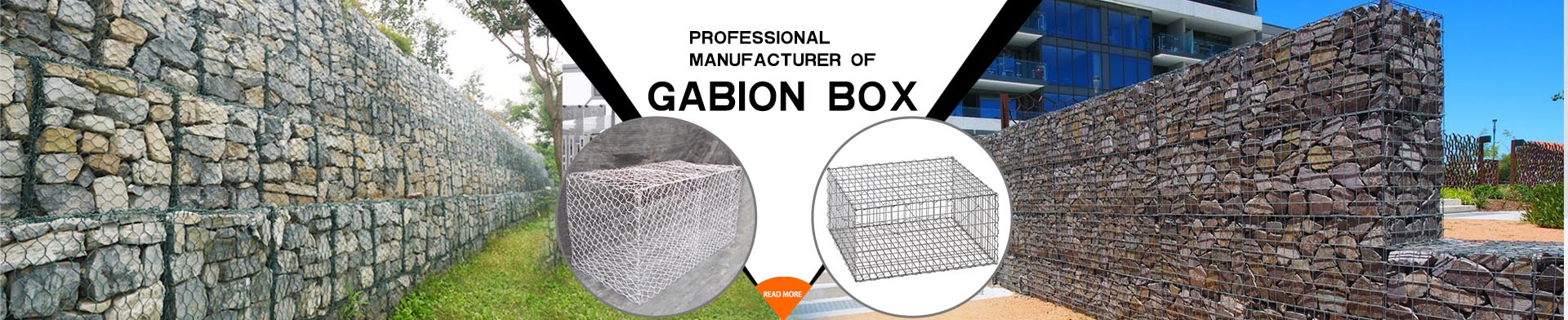
This mesh adapts well to different scales. You might find it enclosing a small backyard or forming entire retaining walls filled with stone — gabions. This flexibility allows engineers to design solutions tailored to project size and budget.
Cost Efficiency: Affordable Strength
Compared to solid metal sheets or concrete barriers, hexagonal mesh wire offers a cost-effective alternative. It uses less raw metal for coverage while maintaining structural stability. For developing regions, this makes it a go-to resource.
Environmental Compatibility: Eco-Friendly Choices Matter
Because the materials are often recyclable, and its use supports erosion control and habitat restoration, the mesh wire checks off some pretty important sustainability boxes.
Flexibility & Adaptability: Conforming to Environmental Needs
On uneven land or in seismic zones, the mesh’s flexibility helps it absorb shocks without cracking or buckling, something more rigid structures might fail to do.
Mini takeaway: Hexagonal mesh wire isn’t just a metal fence — it’s a carefully engineered material balancing durability, cost, and environmental concerns.
Hexagonal Mesh Wire Around the World: Real-World Applications
The mesh appears in everything from livestock fencing in Australia to erosion control in the Alps. Humanitarian agencies use hexagonal mesh in post-disaster reconstruction, creating gabion walls to hold back mudslides or floods. Remote industrial sites in Africa employ it as protective cages for electrical components, showing its versatility and resilience.
For example, after the 2015 Nepal earthquake, NGOs quickly deployed gabion structures reinforced with hexagonal mesh wire to rebuild retaining walls, stabilizing hillsides and preventing further landslides during monsoon rains. This small but mighty use case highlights global impacts.
In more developed regions, such as Germany and Japan, hexagonal mesh wire solutions contribute to green architecture trends. Living walls wrapped in mesh support vegetation growth, improving air quality and biodiversity in urban centers.
Product Specification Table
| Specification | Details |
|---|---|
| Material | Galvanized steel, stainless steel, PVC-coated steel |
| Wire Diameter | 1.6mm to 3.0mm (commonly) |
| Mesh Size | 12.5mm to 100mm hexagons |
| Coating Type | Hot-dip galvanization or PVC coating |
| Typical Roll Size | 1m x 25m, custom sizes available |
Vendor Comparison: A Quick Look at Leading Suppliers
| Vendor | Material Quality | Customization Options | Lead Time | Sustainability Focus |
|---|---|---|---|---|
| XZ Metal Co. | High-grade galvanized steel | Full range of mesh sizes | 2 weeks | Recycling program & eco-packaging |
| SteelWire Global | Stainless and galvanized options | Standard sizes only | 1 week | Limited sustainability efforts |
| EcoMesh Supplies | Galvanized with eco-friendly processes | Custom coatings & size orders | 3 weeks | Full commitment to green energy |
Advantages and Long-Term Value of Hexagonal Mesh Wire
Using hexagonal mesh wire means investing in a product that provides not just physical safety but social value. It helps protect communities against natural disasters, safeguard ecosystems, and enable sustainable development.
On the logical side, its cost-saving benefits can’t be overstated. You get a reliable, adaptable product that holds up to weather and time—often with minimal maintenance. Emotionally, it brings peace of mind. Structures built with it can mean security for families or businesses, sometimes even resilience under catastrophic conditions.
In a way, you’re not just buying wire. You’re investing in trust and innovation—a material that quietly supports progress.
Future Trends and Innovations
Looking ahead, expect greater integration of smart technologies with hexagonal mesh wire. Innovations include wire coatings embedded with sensors for structural health monitoring and the use of recycled metals to lower carbon footprints further. Some companies are experimenting with bio-coatings that resist microbial growth, which is especially useful in agricultural or food-related settings.
Moreover, automation in manufacturing is speeding up production cycles and customization choices, making it easier than ever to source tailored mesh solutions that fit specific environmental challenges.
Common Challenges and How the Industry is Tackling Them
Despite its many strengths, hexagonal mesh wire isn’t perfect. The biggest hurdles sometimes relate to installation complexity on large scales and vulnerability to vandalism or heavy impact damage in urban environments.
Experts recommend modular assembly techniques and combining mesh with other materials like concrete or geotextiles to enhance durability. Some vendors are pioneering anti-graffiti coatings or hybrid mesh designs to address these issues. I suppose it’s just a reminder that no material is a silver bullet — but with clever use, solutions are more robust than ever.
FAQ: Frequently Asked Questions About Hexagonal Mesh Wire
- Q: What types of coatings are best for hexagonal mesh wire in coastal areas?
A: Hot-dip galvanization combined with PVC or polymer coatings offer the best rust resistance in salty air conditions. These layers protect the steel from corrosion and extend the mesh’s lifespan considerably in coastal environments. - Q: Can hexagonal mesh wire be recycled after use?
A: Yes, most hexagonal mesh wire is fully recyclable, especially if made from galvanized or stainless steel. Recycling helps reduce waste and supports sustainable industry practices. - Q: How quickly can hexagonal mesh wire solutions be deployed in emergency scenarios?
A: Depending on the size and scope, modular gabion cages or fencing using hexagonal mesh wire can be assembled in a matter of days, making them excellent for rapid response in disaster zones. - Q: Are there customization options for mesh size and wire thickness?
A: Absolutely. Many suppliers, like XZ Metal Co., offer a wide range of mesh sizes and wire diameters tailored to specific use cases and engineering demands.
In Conclusion: Why Hexagonal Mesh Wire Is Worth Your Attention
If you've made it this far, you see hexagonal mesh wire is more than just industrial fencing. It's a global staple for infrastructure, ecology, and safety—enduring yet adaptive, economical yet reliable. As the world continues to grapple with urban growth and environmental challenges, using smart materials like this can unlock resilience and sustainability.
To explore more about hexagonal mesh wire, including custom specifications and ordering, visit https://www.xzmetal.com. Whether you’re an engineer, architect, or humanitarian planner, I suspect you’ll find solutions that speak directly to your challenges.
References
-
Comprehensive Guide to China Chicken Wire Mesh for Poultry and Garden Use
NewsJan.27,2026
-
China Hot Dip Galvanized Welded Wire Mesh Your Comprehensive Sourcing Guide
NewsJan.27,2026
-
Why China Removable Fence from XZMetal is Ideal for B2B Industrial Security Solutions
NewsJan.06,2026
-
China D Section Pale Fence – Durable Industrial Fencing Solutions from China
NewsJan.06,2026
-
China Welded Mesh – Durable Mesh Solutions from XZMetal
NewsJan.05,2026
-
China 3/8 Inch Welded Wire Mesh – Durable, Cost-Effective Industrial Solution from China
NewsJan.05,2026