
Dec . 02, 2025 14:25 Back to list
Wire Mesh Gabion Box: Durable, Eco-Friendly Solutions for Global Infrastructure
Understanding the Wire Mesh Gabion Box: A Global Perspective
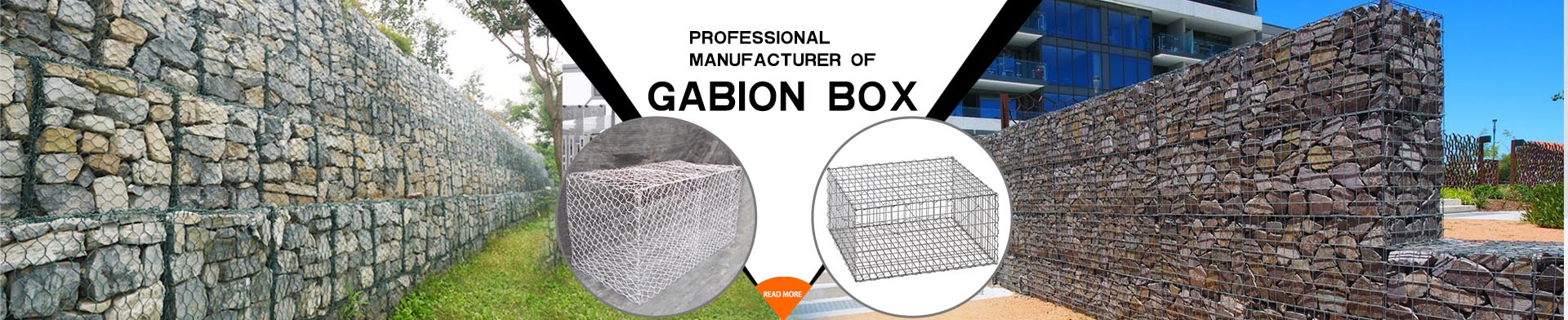
Wire mesh gabion boxes might not be the first thing that springs to mind when you think about engineering solutions or disaster relief, but in reality, they’re quietly transforming how we manage erosion, build retaining walls, and even support humanitarian infrastructure worldwide. These simple yet robust structures are made by weaving thick galvanized steel wires into mesh cages, which are then filled—usually with rocks or recycled concrete—to form solid, permeable walls or barriers.
Why does this matter on a global scale? Well, erosion control, flood defense, and sustainable construction all hinge on reliable, adaptable materials and designs. The wire mesh gabion box is one such tool that meets these needs effectively, and with an eye towards both environmental and economic benefits.
Introduction: The Global Relevance of Wire Mesh Gabion Boxes
With climate change intensifying weather extremes, managing land and water effectively is more important than ever. According to the United Nations, soil erosion affects approximately 75 billion tons of fertile soil annually, threatening agriculture and ecosystems. Meanwhile, infrastructure resilience is a priority worldwide, supported by organizations like the World Bank who fund projects that use erosion control systems globally.
Wire mesh gabion boxes serve as an affordable and durable solution to many of these issues. They reduce landslides, prevent riverbank erosion, and provide structural support in places as diverse as the rolling hills of Europe, flood-prone regions of Southeast Asia, and arid deserts developing rapidly.
What Exactly is a Wire Mesh Gabion Box?
In plain terms, a wire mesh gabion box is a sturdy, wire cage filled with stones or other solid materials. These boxes are modular, stackable, and often stitched together to create flexible retaining walls or erosion barriers that interact naturally with their environment.
This “contain and reinforce” idea dates back centuries but now enjoys modern revival thanks to advances in material treatments—especially galvanized and PVC-coated wire meshes that resist corrosion. Oddly enough, the concept intersects with humanitarian applications beyond construction: environmental restoration, water management systems, and sometimes even makeshift shelters or barriers in crisis zones.
Core Components & Key Factors of Wire Mesh Gabion Boxes
1. Durability
The wire mesh typically consists of galvanized steel wire or PVC-coated variants. These protect against rust and degradation, ensuring a gabion wall endures in harsh climates for decades. It’s vital because the whole structure depends on the integrity of the mesh.
2. Scalability
Each gabion box is essentially a unit cube or rectangular prism that can be connected to others—allowing large, complex structures customized for site-specific needs. Whether for a tiny home garden or industrial dam spillway, scalability is a strength.
3. Cost Efficiency
Compared to poured concrete or masonry, gabions use locally available fillers (rocks, recycled debris), drastically cutting material costs and environmental footprint. Labor can also be faster since filling is straightforward.
4. Environmental Compatibility
Because they are permeable, gabions reduce water pressure buildup behind retaining walls and allow vegetation to grow through gaps—improving ecological integration and reducing soil erosion naturally.
5. Versatility
In construction, civil engineering, and landscaping, gabions adapt to challenging topographies. Urban planners, agricultural managers, and engineers appreciate how they bring strength without rigidity.
Wire Mesh Gabion Box: Product Specifications
| Specification | Typical Value | Remarks |
|---|---|---|
| Wire Diameter | 2.7 - 4.0 mm | Higher for heavy-duty applications |
| Mesh Size | 50 x 100 mm (common) | Allows infiltration and fill retention |
| Material | Galvanized / PVC-coated steel | Corrosion resistant coatings |
| Box Dimensions | 1m x 1m x 1m (standard) | Custom sizes available |
| Fill Materials | Rock, gravel, recycled concrete | Depends on availability and application |
Vendor Comparison: Wire Mesh Gabion Boxes
| Feature | XZ Metal | Competitor A | Competitor B |
|---|---|---|---|
| Corrosion Resistance | Galvanized & PVC Coated | Galvanized Only | Basic Galvanized |
| Customized Sizes | Yes | Limited | No |
| Lead Time | 2-3 weeks | 4-5 weeks | 3-4 weeks |
| Price | Competitive | Higher | Lower but lower quality |
| Sustainability Credentials | ISO 14001 Certified | No | No |
Real-World Applications & Impact
In real terms, wire mesh gabion boxes show up in a variety of settings—from coastal erosion defenses in Europe to riverbank restoration in Africa and hillside stabilization in South Asia. In post-disaster relief operations, they help rebuild infrastructure quickly and cost-effectively—stations where concrete pouring isn't feasible or too slow.
For instance, many governments and NGOs rely on gabion boxes in flood-prone regions to reconstruct embankments. In remote industrial zones, they protect equipment foundations against shifting soil. Even urban planners use them as attractive, green walls that allow vegetation to flourish.
Mini takeaway: Their versatility and environmental harmony make wire mesh gabion boxes an indispensable tool for engineers and planners worldwide.
Advantages & Long-Term Value
- Cost-Effectiveness: Utilizing local materials minimizes expenses.
- Durability: Resistant to weather and corrosion for decades.
- Environmental Benefits: Permeable structure aids water drainage and vegetation growth.
- Social Impact: Enables safer infrastructure, thus protecting lives and livelihoods.
- Trust & Innovation: Well-understood technology that adapts easily to new challenges.
People often overlook just how emotionally reassuring it is to know your retaining wall isn’t going to fail during heavy rains, for example. Safety translates into trust, and in many places, that means communities can rebuild and thrive rather than just survive.
Emerging Trends and Innovations
Looking forward, the industry is experimenting with biodegradable fillers and smart sensors that monitor movement or water pressure inside gabions. Imagine a flexible digital infrastructure that talks back to you... It’s not sci-fi anymore. Also, green energy projects—like hydroelectric plants—are incorporating gabions for eco-friendly dam reinforcement.
Automation in the assembly process and developments in more resilient coatings will certainly push the limits of traditional gabion boxes soon.
Challenges & Expert Solutions
That said, gabions aren’t a silver bullet. Corrosion can sneak in if coatings are compromised; incorrect fill material affects stability; stacking errors may reduce lifespan. Experienced engineers recommend strict quality control on mesh coatings and filling materials, plus professional installation. Innovative approaches include combining gabions with geotextiles for improved soil retention and slope stabilization.
FAQ: Frequently Asked Questions About Wire Mesh Gabion Boxes
- Q: How long does a typical wire mesh gabion box last?
A: With proper materials and installation, gabion boxes can last 50 years or more, particularly if galvanized and PVC coated to prevent rust. - Q: Are gabion boxes environmentally friendly?
A: Yes, they encourage natural drainage, use local fill materials, and often reduce concrete use, lowering carbon footprints significantly. - Q: Can gabion boxes be customized?
A: Absolutely. Sizes, mesh gauge, and coating types can be tailored to meet project-specific requirements, including irregular shapes. - Q: Do gabion boxes require special maintenance?
A: Minimal maintenance is needed, but periodic inspections for mesh damage and fill displacement ensure longevity. - Q: How do I source quality gabion boxes internationally?
A: Look for certified manufacturers like XZ Metal that comply with ISO standards and offer export support and documentation.
Conclusion
The wire mesh gabion box is more than just a cage filled with rocks; it’s a proper engineering solution that balances cost, durability, and ecological footprint. In a world grappling with environmental challenges and infrastructure needs, these structures offer a proven, scalable, and innovative answer. If you’re looking for a reliable partner or more detailed info, do visit our website and see what’s possible with modern gabions.
To sum up: wire mesh gabion boxes are quietly shaping the future of sustainable construction and disaster resilience — a humble hero that many engineers and planners swear by.
1. United Nations Environment Programme. “Sustainable Land Management.”
2. World Bank Group. “Soil Erosion and Infrastructure Resilience.”
3. ISO 1461: “Hot dip galvanized coatings on fabricated iron and steel articles.”
-
Comprehensive Guide to China Chicken Wire Mesh for Poultry and Garden Use
NewsJan.27,2026
-
China Hot Dip Galvanized Welded Wire Mesh Your Comprehensive Sourcing Guide
NewsJan.27,2026
-
Why China Removable Fence from XZMetal is Ideal for B2B Industrial Security Solutions
NewsJan.06,2026
-
China D Section Pale Fence – Durable Industrial Fencing Solutions from China
NewsJan.06,2026
-
China Welded Mesh – Durable Mesh Solutions from XZMetal
NewsJan.05,2026
-
China 3/8 Inch Welded Wire Mesh – Durable, Cost-Effective Industrial Solution from China
NewsJan.05,2026