
Dec . 04, 2025 10:05 Back to list
China Welded Gabion Box – Durable, Cost-Effective Solutions for Global Infrastructure
Understanding the China Welded Gabion Box: A Global Engineering Solution
When we talk about sustainable infrastructure in harsh environments, few products are quite as essential as the china welded gabion box. These sturdy wire containers, filled typically with stone, have become indispensable worldwide for erosion control, retaining walls, flood protection, and even landscaping. But beyond their basic functionality, gabion boxes reflect an intersection of engineering, environmental stewardship, and economic efficiency that resonates globally—especially in rapidly developing or disaster-prone areas.
So why does the china welded gabion box matter in a broader sense? Well, for starters, their usage aligns closely with several UN Sustainable Development Goals, especially those concerning sustainable cities and climate resilience. According to global infrastructure estimates, the demand for cost-effective, durable, and eco-friendly materials like gabion boxes has surged in recent years—particularly in Asia and Africa, where urban expansion meets environmental challenges head-on.
Understanding this product’s specs, applications, and future trends is not just for engineers or construction professionals. It grants policymakers, NGOs, and planners new tools to build safer, longer-lasting communities. Let’s dive deeper.
What Is a China Welded Gabion Box?
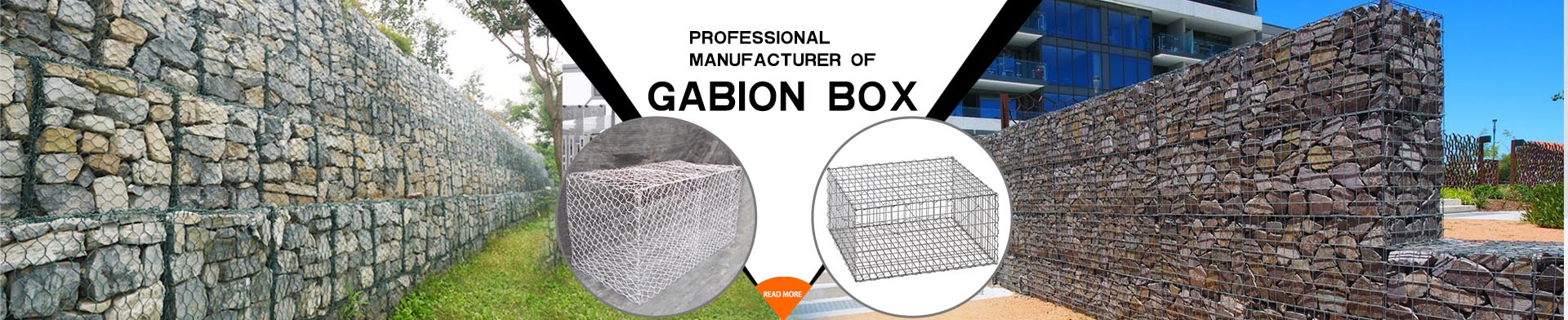
At its core, a china welded gabion box is a rectangular mesh cage, usually made of galvanized steel wire, whose panels are welded together for structural strength. These boxes get filled with stones or other heavy, natural materials, making a flexible yet robust unit capable of withstanding hydraulic pressure or soil movement.
While the concept of gabions dates back centuries, the “welded” aspect ensures a more uniform mesh size and enhanced durability compared to the traditional woven ones. Chinese manufacturers have specialized in producing these in large quantities, often adhering to ISO standards like ISO 17831-1 for mechanical properties.
Modern infrastructure projects and emergency response measures rely on these welded versions for their ease of installation, modularity, and adaptability.
Key Components of China Welded Gabion Boxes
1. Durability and Corrosion Resistance
Steel wires used today are often galvanized or coated with PVC to prevent rusting — crucial when these boxes live in wet or saline environments. This means they can last decades without significant maintenance.
2. Scalability and Modularity
Since they come in standard sizes but can be combined in various configurations, they fit everything from small garden boundaries to massive retaining walls. This scalability makes planning and logistics simpler.
3. Cost Efficiency
Compared to poured concrete or masonry, gabion boxes are usually cheaper to produce and quicker to install, which is a big deal in budget-limited public works.
4. Environmental Compatibility
By filling the boxes with locally sourced rock, you reduce transportation emissions and support surrounding ecosystems. Plus, the permeability of these structures encourages vegetation growth, aiding soil stabilization naturally.
5. Mechanical Strength
The welded mesh's robust structure prevents deformation under extreme loads, which is vital in flood-prone or seismic zones.
Product Specifications Snapshot
| Specification | Typical Range | Notes |
|---|---|---|
| Material | Galvanized Steel Wire, PVC coated | ISO 17831 compliant |
| Mesh Size | 75x100 mm to 100x120 mm | Customization available |
| Wire Diameter | 2.7mm to 4.0mm | Varies by load specs |
| Panel Dimensions | 1x1x1m, 2x1x0.5m, etc. | Standard modular sizes |
| Load Bearing Capacity | 500–1200 kg per m² | Depends on infill stone quality |
Mini takeaway: The china welded gabion box’s design balances mechanical strength with environmental adaptability — truly a product of thoughtful engineering.
Global Applications and Examples
Honestly, the versatility here is striking. From the flood defenses lining the Yangtze River to stabilizing slopes in the Himalayas, welded gabion boxes have proven essential. Interestingly, organizations like the International Federation of Red Cross have even used gabion walls post-flooding in Southeast Asia to quickly rebuild protective barriers.
In urban landscaping, they're winning hearts for beautifying parks and riverbanks while controlling erosion. And in remote industrial zones—think mining or hydroelectric plants—they provide a quick, reliable structural solution that’s adaptable to uneven terrain.
Vendor Comparison: Leading China Welded Gabion Box Manufacturers
| Vendor | Product Range | Lead Time | Customization Options | ISO Certification |
|---|---|---|---|---|
| XZ Metal | Standard + Custom Sizes | 2-4 weeks | Yes, PVC coating & mesh size | ISO 9001 |
| Tianjin Wire Mesh Co. | Mostly standard panels | 3-5 weeks | Limited | ISO 14001 |
| Guangzhou Gabion Works | Expanded meshes, customized | 4 weeks | Yes, including design | ISO 9001 & CE |
Long-Term Advantages of Using China Welded Gabion Boxes
- Cost Savings: Lower lifecycle costs vs. traditional concrete or masonry walls, factoring in installation and maintenance.
- Eco-Friendliness: Use of natural infill materials and permeability supports habitat preservation.
- Reliability: Proven resilience during floods and seismic events, protecting lives and property.
- Community Impact: Faster construction means quicker restoration of critical infrastructure.
- Aesthetic Versatility: They don’t have to be ugly—gabions can be integrated into green urban designs, combining form and function.
Mini takeaway: It’s a rare example of innovation yielding benefits economically, socially, and environmentally.
Future Trends & Innovation
Looking ahead, the integration of smart sensors into gabion structures is beginning to take shape, monitoring strain and environmental impact in real-time. Combine that with greener, biodegradable coatings soon to replace PVC, and we’re looking at truly smart, sustainable infrastructure.
Moreover, digital fabrication techniques and automation could allow on-site customization and faster deployment—something NGOs operating in unpredictable environments would welcome.
Challenges and Solutions
Of course, nothing’s perfect. One challenge is the degradation of wire coatings over time in highly acidic or alkaline soils, which may compromise structural integrity. Engineers tend to recommend regular inspections and, in challenging sites, alternate coating materials such as HDPE or even stainless steel wires, though they come at higher costs.
Plus, logistical challenges of transporting large gabion units to remote zones mandate modular designs that can be assembled on-site with minimal tools. Many suppliers now offer knock-down options, easing this pain point.
FAQ: Frequently Asked Questions About China Welded Gabion Box
- How long does a typical china welded gabion box last?
- With proper galvanization and environmental conditions, these boxes can last 20 to 50 years. PVC coating extends lifespan but requires inspection every 5–10 years to ensure protection.
- Are welded gabion boxes more durable than woven ones?
- Generally, yes. Welded mesh offers greater uniformity and mechanical strength, reducing deformation risk under high loads compared to woven gabions.
- Can I use local stones as infill in gabion boxes?
- Yes, using local rock reduces costs and environmental impact. However, stones should be hard, angular, and resistant to weathering for best performance.
- What applications suit these gabion boxes best?
- They’re ideal for retaining walls, slope stabilization, riverbank protection, and noise barriers, among others.
- How do NGOs source china welded gabion boxes for international projects?
- It's common to partner with certified manufacturers who provide export-compliant documentation and support custom specifications as per project requirements.
Conclusion
Ultimately, the china welded gabion box stands out as a deceptively simple yet profoundly impactful engineering solution. When you consider its durability, cost-effectiveness, and sustainability, it’s no surprise that it remains a cornerstone in infrastructure projects worldwide. If you’re exploring ways to improve your project’s resilience or lower its environmental footprint, this product deserves a closer look.
For more detailed information or custom orders, you can visit our trusted supplier: china welded gabion box.
It’s a piece of technology that quietly supports modern life—strong, adaptable, and, frankly, a little bit elegant in its practicality.
-
Comprehensive Guide to China Chicken Wire Mesh for Poultry and Garden Use
NewsJan.27,2026
-
China Hot Dip Galvanized Welded Wire Mesh Your Comprehensive Sourcing Guide
NewsJan.27,2026
-
Why China Removable Fence from XZMetal is Ideal for B2B Industrial Security Solutions
NewsJan.06,2026
-
China D Section Pale Fence – Durable Industrial Fencing Solutions from China
NewsJan.06,2026
-
China Welded Mesh – Durable Mesh Solutions from XZMetal
NewsJan.05,2026
-
China 3/8 Inch Welded Wire Mesh – Durable, Cost-Effective Industrial Solution from China
NewsJan.05,2026