
Dec . 08, 2025 14:16 Back to list
Razor Barbed Wire Fencing: Durable Security Solutions for Global Needs
Understanding Razor Barbed Wire Fencing: An Essential Security Solution
Razor barbed wire fencing might sound intimidating at first, but it’s a crucial component of modern security worldwide. Essentially, it’s a type of fencing material designed to prevent unauthorized access with sharp-edged metal strips that discourage climbing or cutting. This fencing solution plays an important role in securing industrial sites, border areas, correctional facilities, and even humanitarian operations. In a world where physical security concerns remain high, understanding the benefits and intricacies of razor barbed wire fencing offers valuable insights for engineers, facility managers, and security professionals alike.
Mini takeaway: Razor barbed wire fencing is a simple yet powerful tool in global security efforts, merging durability and deterrence in one effective package.
Global Context: Why Razor Barbed Wire Fencing Matters
On a global scale, razor barbed wire fencing isn't just for keeping trespassers out of a yard—it’s often a frontline defense in conflict zones, border security, and disaster management. According to reports by the United Nations and WHO, secure fencing reduces illegal crossings and protects vulnerable communities. The World Bank estimates that investment in perimeter security including razor wire fencing can reduce theft and vandalism costs by up to 40% in industrial zones worldwide.
But here’s the challenge: balancing robust security measures with ethical considerations and safety is tricky. Razor barbed wire fencing responds to this by offering a relatively low-cost, highly effective barrier that’s easy to deploy, even in remote or unstable regions.
Mini takeaway: Razor barbed wire fencing supports global security objectives by providing an efficient, scalable, and cost-conscious solution to perimeter control.
What Exactly is Razor Barbed Wire Fencing?
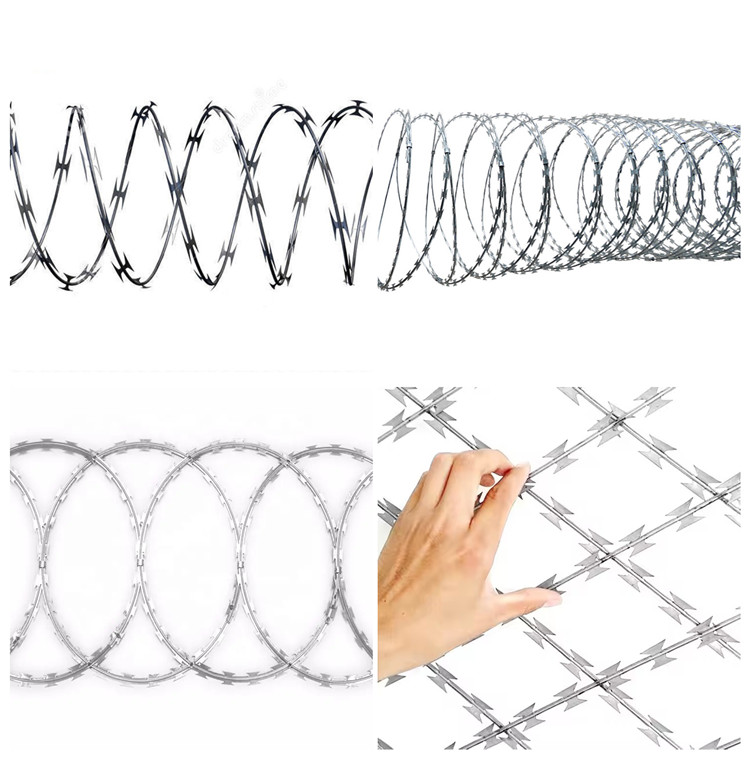
Simply put, razor barbed wire fencing consists of a galvanized steel core wrapped with sharp, pointed metal edges crafted into coils or straight strands. Unlike traditional barbed wire, razor wire has wider and sharper cutting edges, making it a more aggressive deterrent. It’s commonly used in prisons, military bases, and border fences, but also in industrial and agricultural sectors for enhanced protection.
It’s interesting to note that its use extends even to humanitarian and disaster relief settings — providing quick, reliable perimeter control to secure camps or sensitive sites from unauthorized entry or wildlife threats.
Mini takeaway: Razor barbed wire fencing melds simple design with formidable security function, adaptable across numerous critical applications.
Core Components and Key Factors of Razor Barbed Wire Fencing
- Durability: Made from galvanized or stainless steel, it withstands harsh weather and corrosion over years of exposure.
- Deterrence Effectiveness: Its razor-sharp blades deliver a physical and psychological barrier that discourages trespassing.
- Cost Efficiency: Compared to solid walls or advanced electronic systems, razor wire offers an affordable, low-maintenance security layer.
- Easy Installation: Coiled design allows rapid deployment and flexibility to fit varied terrains and fence designs.
- Scalability: From small facilities to hundreds of kilometers of border fencing, razor wire adapts to diverse scale needs.
- Maintenance: Periodic inspection suffices for longevity, unlike sensor-heavy or electrically charged fences.
In real terms, you could say these attributes make razor barbed wire fencing the “workhorse” of perimeter control solutions worldwide.
Typical Specifications of Razor Barbed Wire Fencing
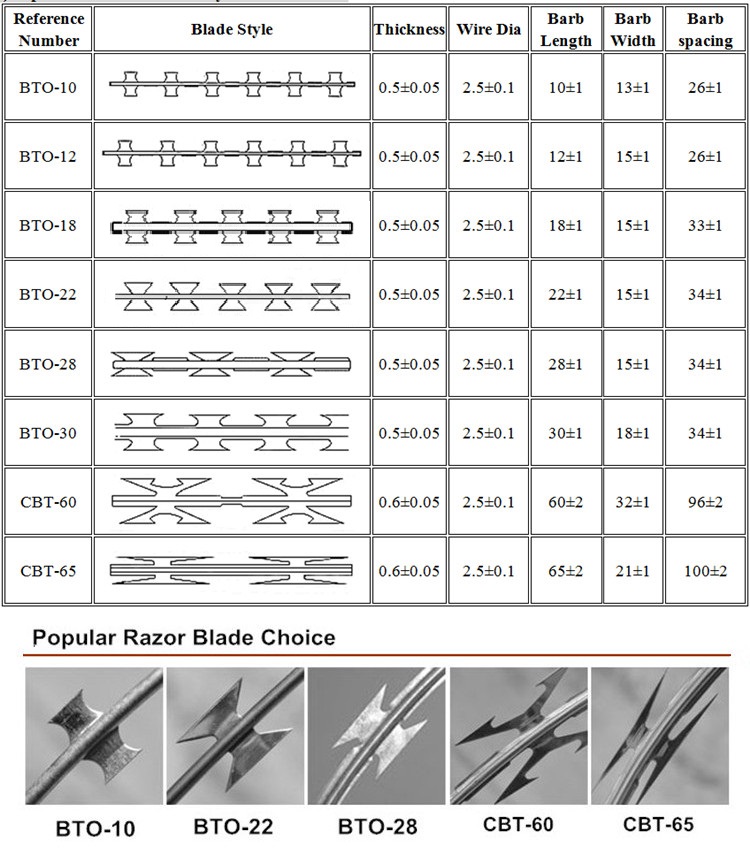
| Specification | Description |
|---|---|
| Material | Galvanized Steel / Stainless Steel |
| Blade Length | Typically 15-22 mm per blade |
| Wire Diameter | 1.8 mm to 4 mm (depending on security level) |
| Coil Diameter | 450 mm to 650 mm |
| Coil Length | 5 to 15 meters |
Global Applications and Use Cases
Oddly enough, razor barbed wire fencing finds diverse uses—from securing borders in Europe and the Middle East, to protecting critical infrastructure in Africa and Asia.
- Border Security: Countries like the USA, Hungary, and India deploy extensive lengths of razor wire to regulate and secure international borders.
- Correctional Facilities: Prisons worldwide commonly use razor wire as the first line of physical perimeter protection.
- Industrial Sites: Mining, manufacturing, and energy sectors rely on razor wire fencing to secure equipment and sensitive zones, especially in remote environments.
- Disaster Relief and Refugee Camps: UN and humanitarian organizations use razor fencing to demarcate safe zones quickly and prevent unauthorized incursion.
One client in East Africa mentioned how razor wire fencing enabled a rapid security perimeter to be set around a remote water treatment plant, which helped reduce vandalism and theft significantly.
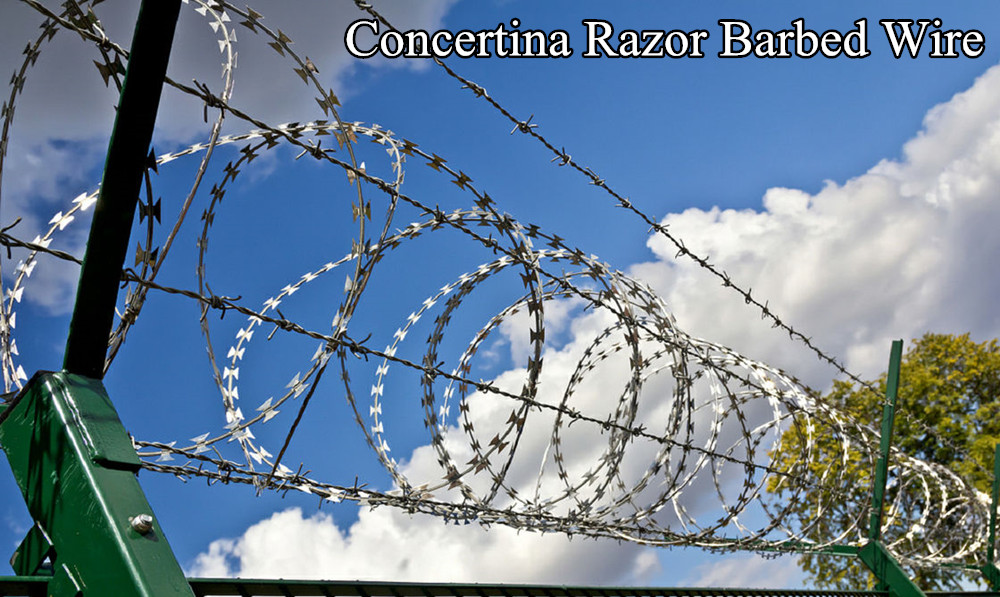
Explore razor barbed wire fencing options here.
Advantages and Long-Term Value
When it comes to advantages, it’s about more than just sharp metal strands. For one, razor barbed wire fencing is cost-effective. Compared to constructing concrete walls or deploying electronic surveillance, it provides a high ROI with minimal maintenance.
There’s also the social impact to consider. By securing premises effectively, facilities can offer safer environments—whether that’s for workers, residents, or vulnerable populations. Security breeds trust and encourages investment in struggling regions.
Most engineers I’ve talked to say the technology strikes a practical balance between deterrence, safety (it deters without intending serious harm), and ease of use. Over years, this fencing often lasts far longer than expected, even in harsh climates.
Vendor Comparison: Popular Razor Barbed Wire Suppliers
| Vendor | Material Quality | Range of Sizes | Price Range | Global Shipping |
|---|---|---|---|---|
| XZ Metal | High-grade galvanized/stainless steel | Wide | Competitive | Yes |
| SteelSafe Co. | Premium galvanized steel | Moderate | Mid-range | Regional only |
| Global Fence Ltd. | Standard galvanized steel | Basic | Budget | Limited |
Future Trends and Innovations
Looking ahead, razor barbed wire fencing is slowly evolving with sustainability and technology in mind. We’re seeing experiments with environmentally friendlier coatings, and incorporation of smart sensors to alert security teams of breaches without sacrificing the passive barrier function.
There’s also increasing push towards easier recycling of fencing materials, and even energy-harvesting fences that power small site sensors — though that’s still early days.
Challenges and Solutions
It’s no secret that razor wire fencing isn’t perfect. Installation in rugged or urban areas can be tricky and requires skill to ensure safety. Additionally, concerns around the humanitarian implications in conflict zones are valid and demand thoughtful implementation.
Experts suggest combining razor barbed wire fencing with surveillance tech and clear signage to both enhance security and reduce unintentional harms. Also, modular fencing panels are making deployment faster and safer, especially for temporary setups.
FAQ: Frequently Asked Questions About Razor Barbed Wire Fencing
- Is razor barbed wire fencing suitable for residential properties?
- Generally, it’s more common in industrial or high-security settings due to its aggressive design. However, some residential properties use it on top of walls or gates for extra deterrence where local regulations allow.
- How long does razor barbed wire fencing last in outdoor conditions?
- When made from galvanized or stainless steel, it can last over 10 years with minimal maintenance, even in harsh weather, thanks to its corrosion resistance.
- Can razor wired fences be combined with electronic security systems?
- Absolutely. Many facilities integrate razor wire fencing with CCTV, motion sensors, and alarms to create layered security solutions.
- What safety precautions should be taken during installation?
- Given the sharp edges, installers should use protective gloves, eye protection, and long-sleeve clothing, and follow manufacturer guidelines to avoid injuries.
- How can organizations procure razor barbed wire fencing internationally?
- Many reputable suppliers like XZ Metal offer global shipping and support custom orders. Documentation and compliance with local import regulations are key—often facilitated by experienced vendors.
Conclusion: Making the Smart Choice in Security
Razor barbed wire fencing remains a cornerstone in securing lands, facilities, and communities worldwide. Offering durability, cost efficiency, and adaptability, it’s a solution that’s hard to beat for many perimeter security challenges.
If you’re evaluating fencing options or need reliable razor wire products for your project, consider visiting https://www.xzmetal.com for expert advice and quality solutions.
Oddly enough, such a straightforward technology keeps proving its worth time and again. In a world that’s changing fast, sometimes the simplest defense is the most trusted.
— Thanks for reading, and stay secure.
-
Hop Dipped Galvanized/PVC Coated Temporary Fence-Durable, Versatile, Reliable|Anping County Xingzhi Metal Wiremesh Products Co., Ltd
NewsApr.14,2026
-
Hop Dipped Galvanized/PVC Coated Temporary Fence-Durable, Versatile, Reliable|Anping County Xingzhi Metal Wiremesh Products Co., Ltd
NewsApr.14,2026
-
Hop Dipped Galvanized/PVC Coated Temporary Fence-Durable, Versatile, Reliable|Anping County Xingzhi Metal Wiremesh Products Co., Ltd
NewsApr.14,2026
-
China PVC Coated Gabion Basket A Comprehensive Guide to Sourcing and Applications
NewsFeb.24,2026
-
China Gabion Wall Solutions for Construction and Erosion Control
NewsFeb.23,2026
-
Comprehensive Guide to China Gabion Bags Applications and Benefits
NewsFeb.22,2026