
Feb . 17, 2026 01:45 Back to list
Comprehensive Guide to China Temporary Fence Base Selection and Installation
China Temporary Fence Base: A Comprehensive Guide
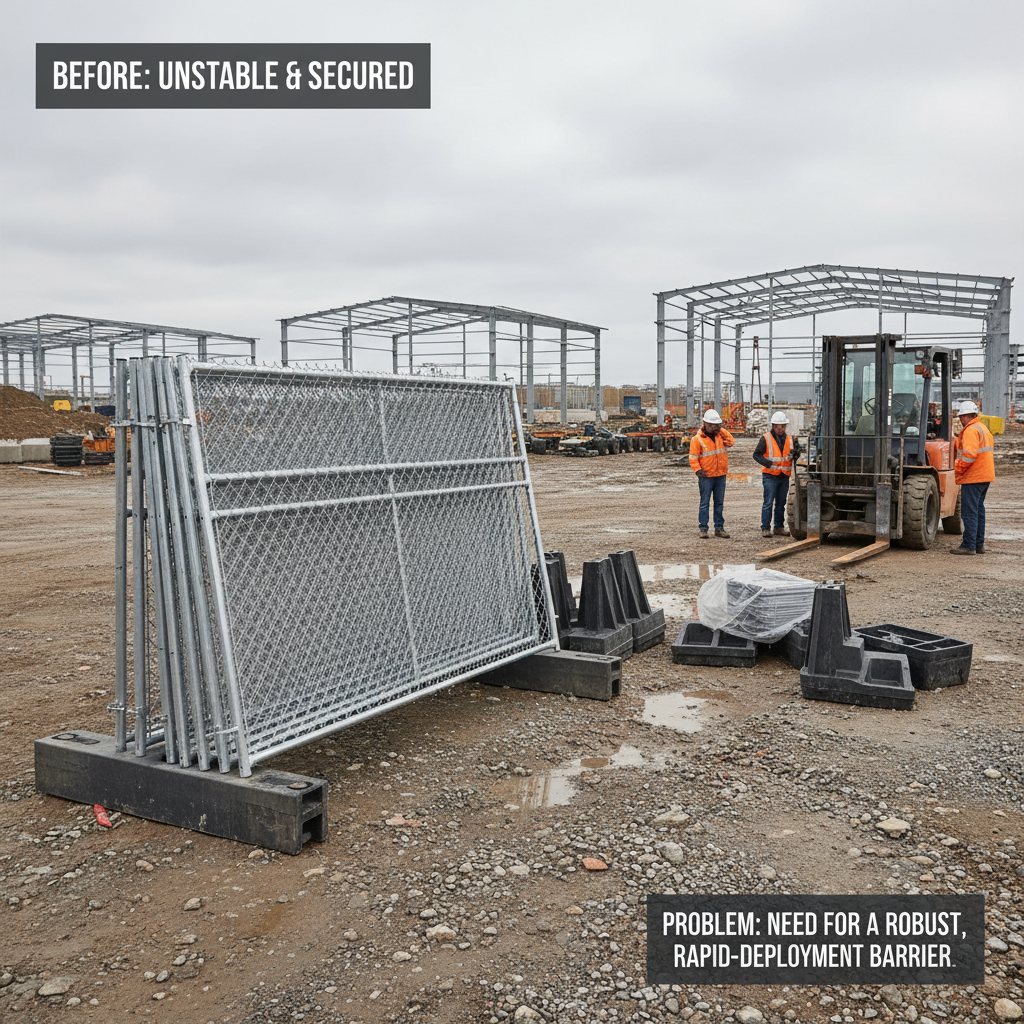
When securing construction sites, events, or managing crowd control, a reliable temporary fence is essential. However, the stability of the fence heavily relies on its china temporary fence base. This article provides a thorough overview of temporary fence bases, covering types, materials, selection criteria, and installation best practices. Choosing the right base ensures the safety and security of your site, preventing accidents and unauthorized access. We’ll explore why selecting a quality base is just as important as the fencing itself.
Understanding Different Types of Temporary Fence Bases
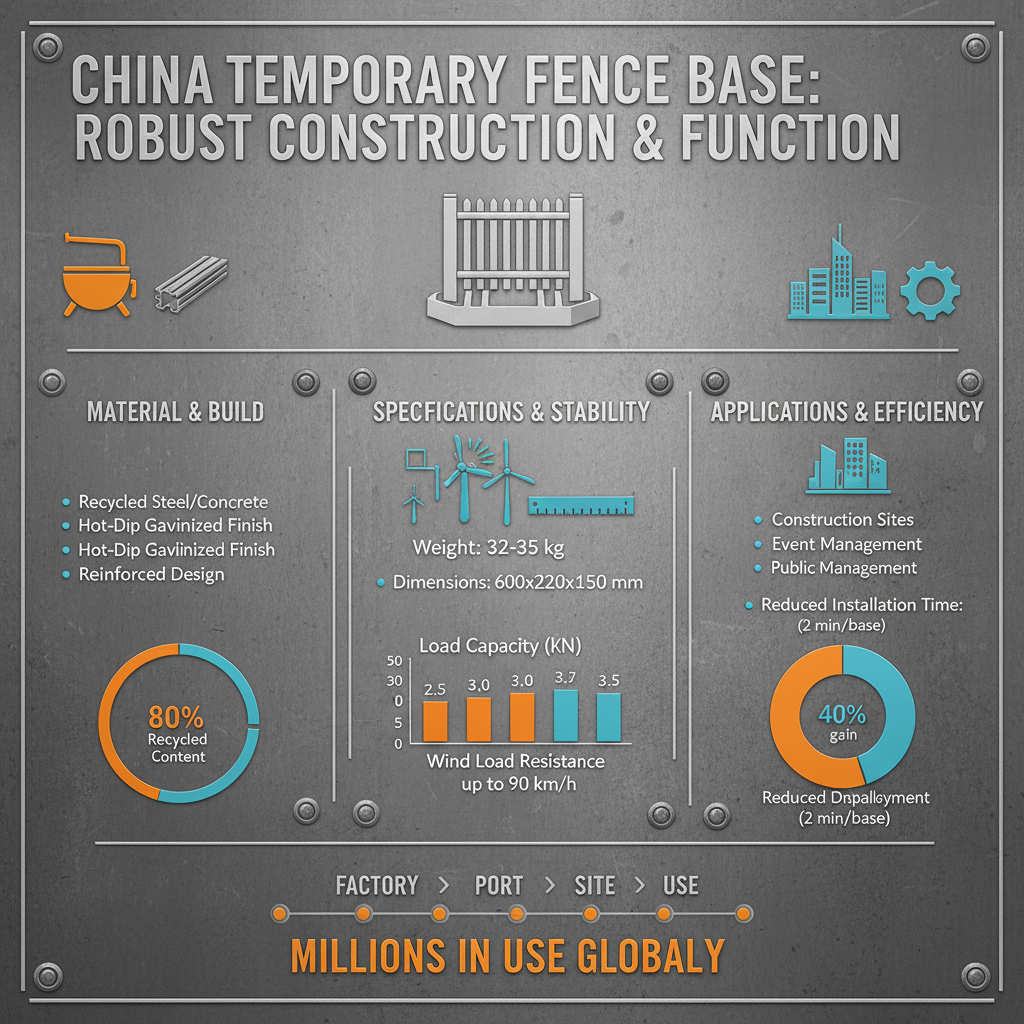
Temporary fence bases come in various designs, each suited for specific ground conditions and security needs. The most common types include concrete-filled plastic bases, metal bases, and rubber bases. Concrete-filled plastic bases offer excellent stability and are ideal for general use. Metal bases are robust and suitable for more demanding applications. Rubber bases provide good grip and are often used on sensitive surfaces. Each type impacts the overall stability and cost-effectiveness of your temporary fence system. Consider the terrain, intended duration of use, and security requirements when selecting a base type. XZ Metal offers a wide variety of these base types.
Key Takeaway: Choosing the right base is crucial for fence stability. Consider the ground conditions, security needs, and length of time the fence will be installed.
Material Considerations for China Temporary Fence Bases
The material of the temporary fence base significantly impacts its durability and performance. Plastic bases are lightweight and cost-effective, while metal bases provide superior strength. Rubber bases offer excellent grip and are less likely to damage the surface they are placed on. The quality of the materials used directly correlates with the base's ability to withstand weather conditions, impacts, and prolonged use. Corrosion resistance is also a vital factor, especially in coastal areas or environments with high humidity. XZ Metal sources high-quality materials for long-lasting bases.
Material Benefits:
• Plastic: Lightweight, cost-effective.
• Metal: Durable, strong, corrosion-resistant.
• Rubber: Excellent grip, surface protection.
China Temporary Fence Base Types: A Comparison
Choosing the correct temporary fence base depends on several factors. The table below provides a side-by-side comparison of popular base types. Understanding the pros and cons of each allows you to make an informed decision based on your specific needs and budget. Considering the longevity and reusability of the base is also important for long-term cost savings.
Selecting the Right china temporary fence base for Your Project
Proper selection of a temporary fence base is a multi-faceted decision. Consider the ground conditions – is the surface concrete, grass, gravel, or uneven terrain? What level of security is needed? A high-security application will require a more robust base like a metal base filled with concrete. The duration of the installation also plays a role; long-term installations benefit from durable, weather-resistant bases. Remember to account for wind loads, especially in exposed areas. XZ Metal provides expert guidance to help you choose the best solution.
Installation Best Practices for Temporary Fence Bases
Correct installation is vital for fence stability. Ensure the ground is reasonably level before placing the base. If using concrete-filled bases, fill them completely and allow the concrete to cure properly before erecting the fence. For metal bases, ensure they are securely anchored to the ground if necessary, especially in windy conditions. Regularly inspect bases for signs of damage or shifting. Proper installation not only enhances safety but also extends the lifespan of the entire fence system. XZ Metal provides detailed installation guides and support.
Conclusion: Ensuring Safety and Security with Quality Bases
Choosing the right china temporary fence base is paramount for safety, security, and cost-effectiveness. Consider the application, ground conditions, and budget when making your selection. By prioritizing quality materials and proper installation, you can ensure a stable and reliable temporary fence system. Don't compromise on the foundation of your security – choose wisely!
Frequently Asked Questions (FAQs)
What is the recommended weight for filling a concrete temporary fence base?
The recommended weight for filling a concrete-filled temporary fence base typically ranges from 20 to 30 kilograms (44 to 66 pounds). The exact weight may vary depending on the base's size and the manufacturer's specifications. Ensure the concrete completely fills the cavity, leaving no air gaps. Using the appropriate amount of concrete provides optimal stability and prevents the base from tipping over. Refer to the product documentation for the specific weight recommendation for your base.
How do I prevent temporary fence bases from shifting on uneven ground?
To prevent bases from shifting on uneven ground, consider using shims to level the base before erecting the fence. For metal bases, using ground stakes can provide additional anchoring. Rubber bases can offer better grip on certain surfaces. Regularly inspect the bases to ensure they remain level and secure. In challenging terrain, using larger or heavier bases may be necessary. Proper preparation of the ground is crucial for stability.
Are temporary fence bases reusable?
Yes, most temporary fence bases are reusable, making them a cost-effective solution. However, the lifespan depends on the material and how well they are maintained. Plastic bases may become brittle over time, while metal bases can corrode if not properly protected. Regularly inspect bases for damage and replace them when necessary. Proper storage when not in use will extend their lifespan. XZ Metal offers durable, reusable bases designed for multiple uses.
What are the best bases for high-wind areas?
In high-wind areas, metal bases are generally the best choice due to their superior strength and stability. Adding concrete fill to the metal bases provides even greater resistance to wind loads. Ensure the bases are securely anchored to the ground using ground stakes if necessary. Consider the height of the fence and the potential wind speeds when selecting the appropriate base. It’s always recommended to over-engineer the base system in high-wind environments for added safety.
-
Hop Dipped Galvanized/PVC Coated Temporary Fence-Durable, Versatile, Reliable|Anping County Xingzhi Metal Wiremesh Products Co., Ltd
NewsApr.14,2026
-
Hop Dipped Galvanized/PVC Coated Temporary Fence-Durable, Versatile, Reliable|Anping County Xingzhi Metal Wiremesh Products Co., Ltd
NewsApr.14,2026
-
Hop Dipped Galvanized/PVC Coated Temporary Fence-Durable, Versatile, Reliable|Anping County Xingzhi Metal Wiremesh Products Co., Ltd
NewsApr.14,2026
-
China PVC Coated Gabion Basket A Comprehensive Guide to Sourcing and Applications
NewsFeb.24,2026
-
China Gabion Wall Solutions for Construction and Erosion Control
NewsFeb.23,2026
-
Comprehensive Guide to China Gabion Bags Applications and Benefits
NewsFeb.22,2026