Scaffolding steel plank for building represents a crucial element in modern construction and infrastructure development worldwide. These robust platforms provide safe and efficient access for workers during building, maintenance, and repair activities. From towering skyscrapers to intricate bridge structures, scaffolding steel plank ensures both worker safety and project completion within specified timelines. The demand for reliable and durable scaffolding solutions is constantly increasing, driven by rapid urbanization and growing infrastructure projects in both developed and developing nations.
Globally, the scaffolding industry is a multi-billion dollar market, projected to continue its growth trajectory in the coming years. Factors contributing to this expansion include stringent safety regulations, increasing construction activity in emerging economies, and advancements in scaffolding technology. Scaffolding steel plank, as a core component, is subject to rigorous quality control and standardization, adhering to international standards such as those set by ISO and OSHA. The efficient and safe execution of construction projects fundamentally relies on quality scaffolding access.
Understanding the nuances of scaffolding steel plank, including its material composition, load-bearing capacity, and safety features, is paramount for engineers, construction managers, and workers alike. This knowledge is not only essential for ensuring worker safety but also for optimizing project efficiency and minimizing potential risks. The selection and proper use of scaffolding steel plank are integral to mitigating accidents and ensuring successful project outcomes.
The Importance of Scaffolding Steel Plank
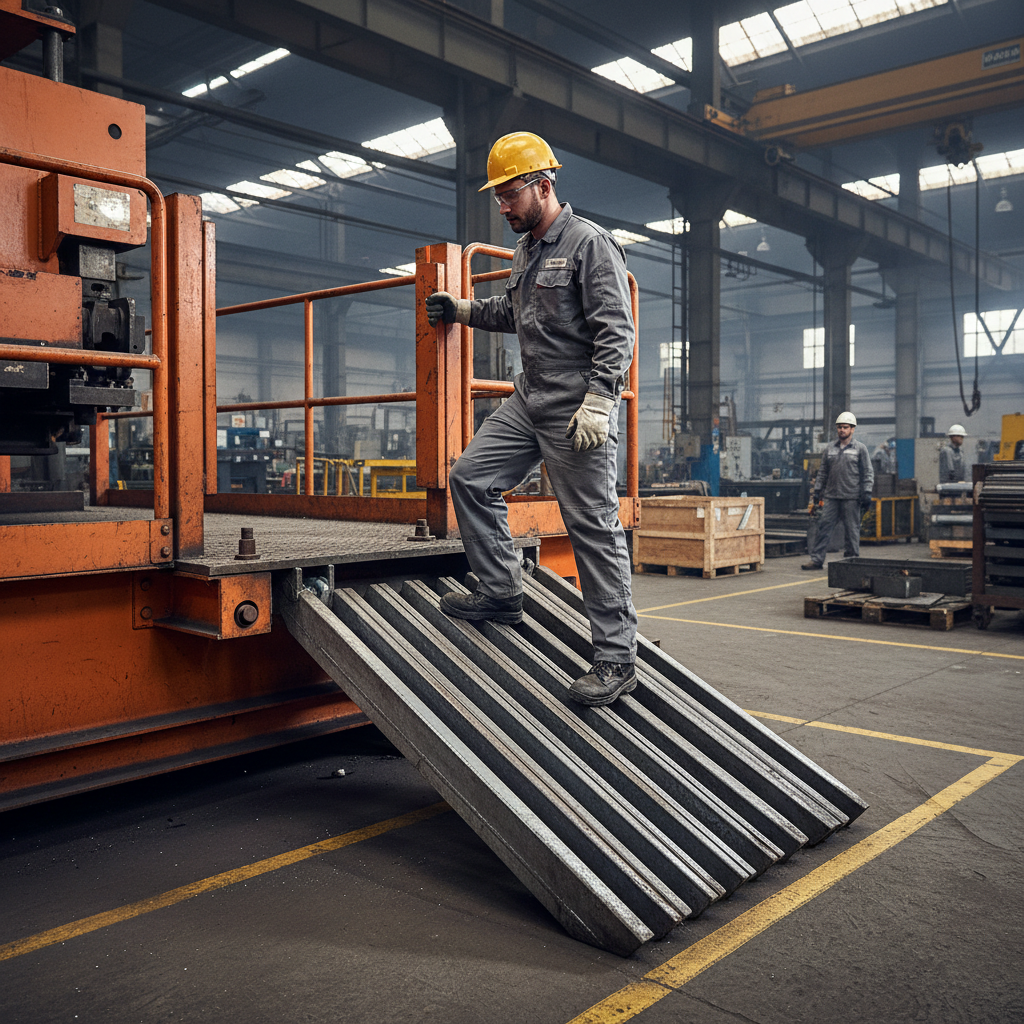
The cornerstone of safe and efficient construction lies in the quality and reliability of the scaffolding systems employed. Scaffolding steel plank, as the primary working surface, directly impacts worker safety and productivity. Choosing the right plank, considering factors like load capacity, material durability, and non-slip surfaces, is essential for minimizing workplace accidents. A robust plank contributes to a more stable and secure work environment, fostering confidence and efficiency among construction crews.
Beyond safety, the selection of quality scaffolding steel plank influences project timelines and overall costs. Durable planks require less frequent replacement, reducing downtime and maintenance expenses. Properly designed and manufactured planks can withstand harsh weather conditions and heavy loads, ensuring long-term performance and minimizing the risk of structural failure. This investment in quality translates into long-term savings and a more reliable construction process.
Defining Scaffolding Steel Plank
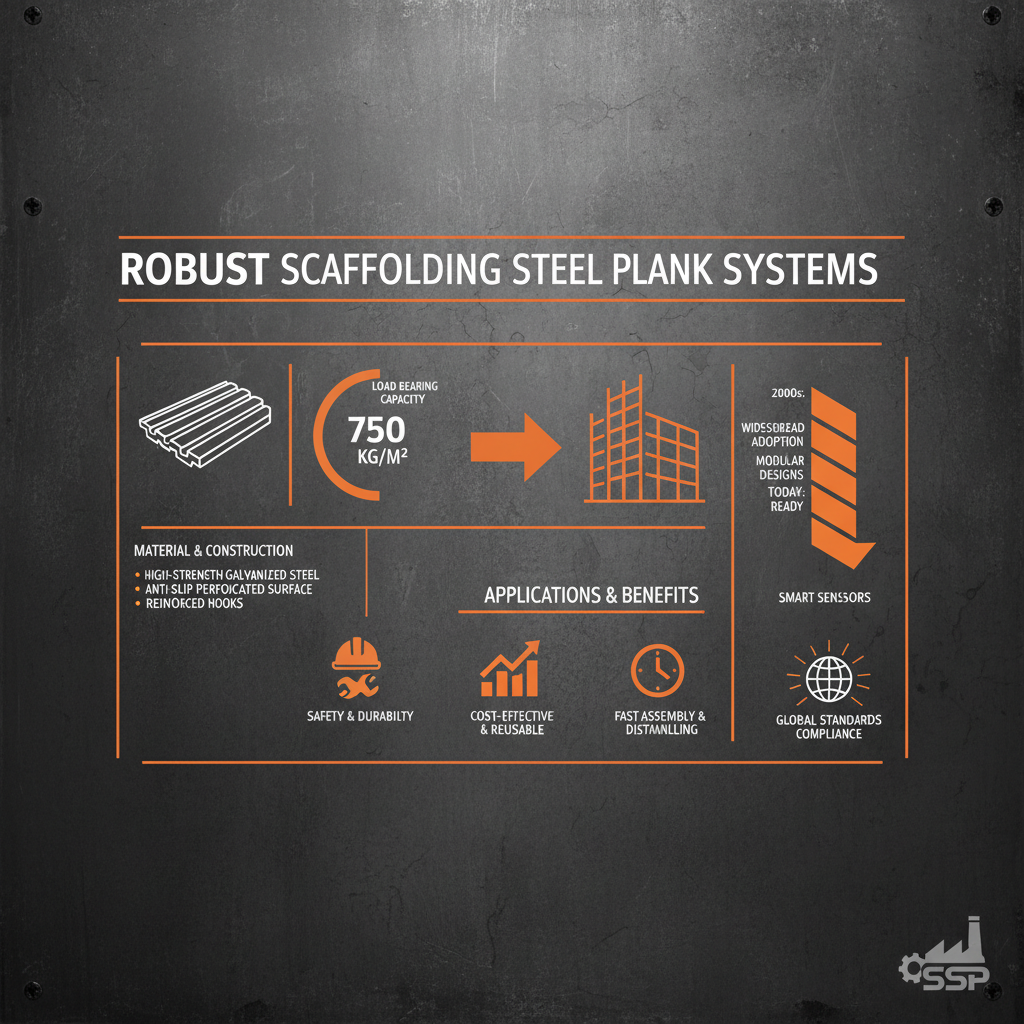
Scaffolding steel plank refers to the horizontal support members used in scaffolding systems to create a safe working platform for construction personnel. Typically constructed from steel, these planks are designed to withstand significant weight and provide a stable surface for workers, tools, and materials. They are essential components of various scaffolding configurations, including frame scaffolding, system scaffolding, and tube and coupler scaffolding. The planks are designed to distribute loads evenly, preventing bending or breakage under pressure.
In modern industry, scaffolding steel plank plays a critical role in maintaining construction productivity and safety standards. These planks aren’t merely planks; they represent a commitment to worker well-being and project integrity. Adherence to safety regulations, like those stipulated by OSHA, is paramount in the manufacturing and use of these vital components. Properly manufactured scaffolding steel plank is designed for ease of installation and removal, optimizing workflow efficiency.
The term ‘scaffolding steel plank’ often encompasses different types of steel constructions, including galvanized steel for rust prevention, aluminum for lightweight applications, and composite materials for enhanced strength-to-weight ratios. The choice of material depends on the specific application, environmental conditions, and budgetary constraints. Proper certification and testing of scaffolding steel plank are fundamental to guaranteeing its structural integrity and adherence to safety standards.
Core Components and Features
Durability is a defining characteristic of high-quality scaffolding steel plank. These planks are engineered to withstand heavy loads, impacts, and exposure to the elements without compromising structural integrity. Galvanized steel is a common choice, offering excellent corrosion resistance, extending the lifespan of the plank and reducing maintenance costs. This is especially important in outdoor construction projects.
Scalability is another crucial aspect. Scaffolding systems must be adaptable to varying project requirements, and the steel plank must support adjustments in height and width. Modular designs, allowing for easy addition or removal of planks, are preferred. Compatibility with different scaffolding frame types is also critical for versatile application.
Cost-efficiency is a key consideration for construction companies. While investing in higher-quality steel plank may involve a higher initial cost, the long-term benefits, such as reduced maintenance, increased safety, and extended lifespan, often outweigh the upfront expense. This lifecycle cost analysis demonstrates the value of choosing reliable and durable scaffolding solutions.
Key Performance Indicators
Evaluating the performance of scaffolding steel plank requires considering several key indicators. Load capacity, measured in pounds or kilograms, determines the maximum weight the plank can safely support. Deflection rate, indicating the amount the plank bends under load, is crucial for maintaining stability. Surface friction, often assessed using a coefficient of friction, directly impacts worker safety by preventing slips and falls.
The durability of scaffolding steel plank, assessed through corrosion resistance tests and impact strength measurements, is a primary indicator of its longevity and long-term cost-effectiveness. Regular inspection and maintenance schedules are essential for ensuring consistent performance and identifying potential issues before they escalate. Thorough documentation of these inspections is vital for compliance with safety regulations.
Scaffolding Steel Plank Performance Metrics
Global Applications and Industries Served
Scaffolding steel plank finds extensive application across numerous industries globally. The construction sector is the primary consumer, utilizing scaffolding for building construction, bridge maintenance, and infrastructure projects. The oil and gas industry relies heavily on scaffolding for platform maintenance and repair work, often in challenging environments.
In post-disaster relief operations, scaffolding steel plank provides crucial access for emergency responders and reconstruction teams, facilitating rapid assessment and repair of damaged infrastructure. Industrial maintenance, including power plants and manufacturing facilities, leverages scaffolding for regular inspections and repair work. Remote industrial zones often depend on durable and easily transportable scaffolding systems for accessing elevated work areas.
Geographically, demand for high-quality scaffolding steel plank is strong in rapidly developing economies such as China, India, and Southeast Asian nations, driven by extensive infrastructure projects. North America and Europe maintain consistent demand for scaffolding in construction, maintenance, and renovation activities. Stringent safety regulations in these regions drive the adoption of higher-quality, certified scaffolding solutions.
Advantages & Long-Term Value Proposition
The advantages of utilizing robust scaffolding steel plank are multifaceted. Reduced accident rates translate into lower insurance costs and improved worker morale. Increased construction speed and efficiency directly impact project profitability. A longer plank lifespan minimizes replacement costs and reduces waste, contributing to sustainability efforts. These combined factors present a compelling economic and safety argument for investing in premium scaffolding solutions.
Beyond the quantifiable benefits, scaffolding steel plank instills a sense of trust and reliability within a construction team. Knowing that the work platform is secure and dependable empowers workers to focus on their tasks without fear of accidents. This enhanced safety culture fosters a more positive and productive work environment, ultimately contributing to project success.
Future Trends and Innovations
The future of scaffolding steel plank is being shaped by several emerging trends. Lightweight composite materials are gaining traction, offering a combination of strength and reduced weight for easier handling and transportation. Digital integration, including the use of sensors and data analytics, is enabling real-time monitoring of plank condition and load distribution, enhancing safety and predictive maintenance.
Automation in scaffolding assembly and disassembly is poised to improve efficiency and reduce labor costs. The development of modular, rapidly deployable scaffolding systems is simplifying logistics and accelerating project timelines. Sustainability initiatives are driving the demand for recycled and eco-friendly materials in scaffolding construction.
Furthermore, the integration of Building Information Modeling (BIM) with scaffolding design and planning is improving project coordination and minimizing potential clashes. These innovations are collectively contributing to a safer, more efficient, and sustainable scaffolding industry, ensuring scaffolding steel plank continues to evolve to meet the changing demands of the construction sector.
Challenges & Solutions
Despite advancements, several challenges remain in the scaffolding steel plank industry. Ensuring consistent quality control across manufacturers and suppliers is paramount. Maintaining adherence to evolving safety regulations requires ongoing training and certification programs. Transportation and storage of planks can present logistical hurdles, particularly on congested construction sites.
Solutions involve implementing stricter quality assurance protocols, investing in employee training programs, and adopting efficient logistics management systems. The use of standardized plank designs and compatible components can simplify assembly and disassembly. Embracing digital technologies, such as RFID tracking, can improve inventory management and reduce the risk of lost or damaged planks.
Collaboration between manufacturers, contractors, and regulatory bodies is essential for addressing these challenges and fostering a culture of safety and innovation. Continuous improvement in material science and engineering will lead to the development of more durable, lightweight, and sustainable scaffolding steel plank solutions.
Summary of Scaffolding Steel Plank Challenges and Solutions
| Challenge |
Impact on Project |
Proposed Solution |
Implementation Cost (Scale 1-10) |
| Inconsistent Quality |
Increased risk of failure, safety hazards |
Implement rigorous quality control standards |
6 |
| Regulatory Compliance |
Legal penalties, project delays |
Ongoing training & certification |
7 |
| Logistical Issues |
Project delays, increased costs |
Efficient logistics management systems |
5 |
| Material Degradation |
Reduced lifespan, potential failures |
Use of corrosion-resistant materials |
8 |
| Worker Training |
Increased risk of accidents |
Comprehensive safety training programs |
4 |
| Lack of Standardization |
Compatibility issues, complex assembly |
Adoption of standardized designs |
6 |
FAQS
The lifespan of scaffolding steel plank varies depending on the material, environmental conditions, and maintenance practices. Galvanized steel planks typically last 10-15 years with proper care, while aluminum planks can offer a similar lifespan. Regular inspection, cleaning, and rust prevention treatments are crucial for maximizing longevity. Damage like cracks or significant corrosion necessitate immediate replacement to ensure safety.
Safety is paramount. Always ensure planks are properly secured, free from defects, and have sufficient load capacity for the intended use. Workers should wear appropriate safety harnesses and non-slip footwear. Regularly inspect planks for damage and replace any compromised components. Adhering to OSHA guidelines and conducting thorough site-specific safety training are also essential.
The load capacity is typically marked on the plank itself by the manufacturer. This rating indicates the maximum weight the plank can safely support, including workers, tools, and materials. Never exceed the stated load capacity. Consider the weight distribution and potential dynamic loads when calculating the total weight on the plank. Always consult safety regulations and manufacturer's guidelines.
Galvanized steel offers excellent corrosion resistance and strength, making it suitable for harsh environments. However, it’s heavier than aluminum. Aluminum planks are lightweight and easy to handle, but may have a lower load capacity and are more susceptible to damage. The choice depends on the specific application and weight requirements. Galvanized steel is the more common choice in many demanding scenarios.
Yes, OSHA (Occupational Safety and Health Administration) sets strict regulations regarding scaffolding safety, including requirements for plank quality, inspection, and proper use. These regulations are designed to minimize workplace accidents and ensure worker safety. Adherence to these standards is legally mandated and critical for maintaining a safe construction environment. Consult OSHA guidelines for the most up-to-date requirements.
Scaffolding steel plank should be inspected before each shift, and more frequently in harsh conditions. Inspections should look for cracks, bends, corrosion, and any other damage. A qualified person should perform these inspections and maintain detailed records. Damaged planks must be removed from service immediately. Regular preventative maintenance is key to ensuring safe operation.
Conclusion
Scaffolding steel plank remains an indispensable component of modern construction, underpinning safety, efficiency, and project success. From its foundational role in providing stable work platforms to its influence on long-term cost savings and sustainability, its importance cannot be overstated. The continuous advancements in materials, design, and digital integration are poised to further enhance its performance and reliability in the years to come.
Investing in high-quality scaffolding steel plank is not simply a cost, but a strategic investment in worker safety, project integrity, and long-term profitability. Embracing innovative technologies, adhering to stringent safety standards, and prioritizing regular maintenance will unlock the full potential of this essential construction element. For reliable and durable scaffolding solutions, visit our website: www.xzmetal.com.