Hexagonal wire mesh, a versatile and robust material, plays a crucial role in a wide spectrum of applications globally. From reinforcing structures and protecting livestock to serving as a foundational component in rapid deployment housing and erosion control, its unique properties address critical needs across diverse industries and humanitarian efforts. Understanding its manufacturing, characteristics, and applications is paramount for engineers, construction professionals, and aid organizations alike, fostering innovation and efficient solutions in a rapidly changing world.
The global demand for hexagonal wire mesh is steadily increasing, driven by factors such as expanding infrastructure projects, growing awareness of environmental protection, and the escalating need for cost-effective and durable solutions in disaster relief and security. According to reports from the World Bank, the infrastructure gap in developing countries requires significant investment, with materials like hexagonal wire mesh proving essential for efficient and sustainable construction. ISO standards ensure consistent quality and performance, facilitating international trade and trust in this vital material.
This demand underscores the importance of understanding the intricacies of hexagonal wire mesh – its advantages over traditional materials, its varying applications, and its potential for future innovations. Its relatively low cost, ease of installation, and adaptability make it a preferred choice in numerous projects, contributing to both economic growth and societal well-being.
Introduction to Hexagonal Wire Mesh
Hexagonal wire mesh, often referred to as chicken wire or hexagonal netting, is a woven mesh created from interlocking strands of wire. Its inherent strength and flexibility make it a surprisingly versatile material used across a vast array of industries. The specific gauge of the wire, the size of the hexagonal openings, and the coating applied (galvanized, PVC coated, etc.) all impact its suitability for different applications.
The enduring popularity of hexagonal wire mesh stems from its practical advantages and cost-effectiveness. It provides robust containment, efficient filtration, and effective protection, making it ideal for applications ranging from agricultural fencing to industrial safety barriers. The continuous evolution of manufacturing techniques and material science ensures that hexagonal wire mesh remains a relevant and reliable solution for modern challenges.
Defining Hexagonal Wire Mesh
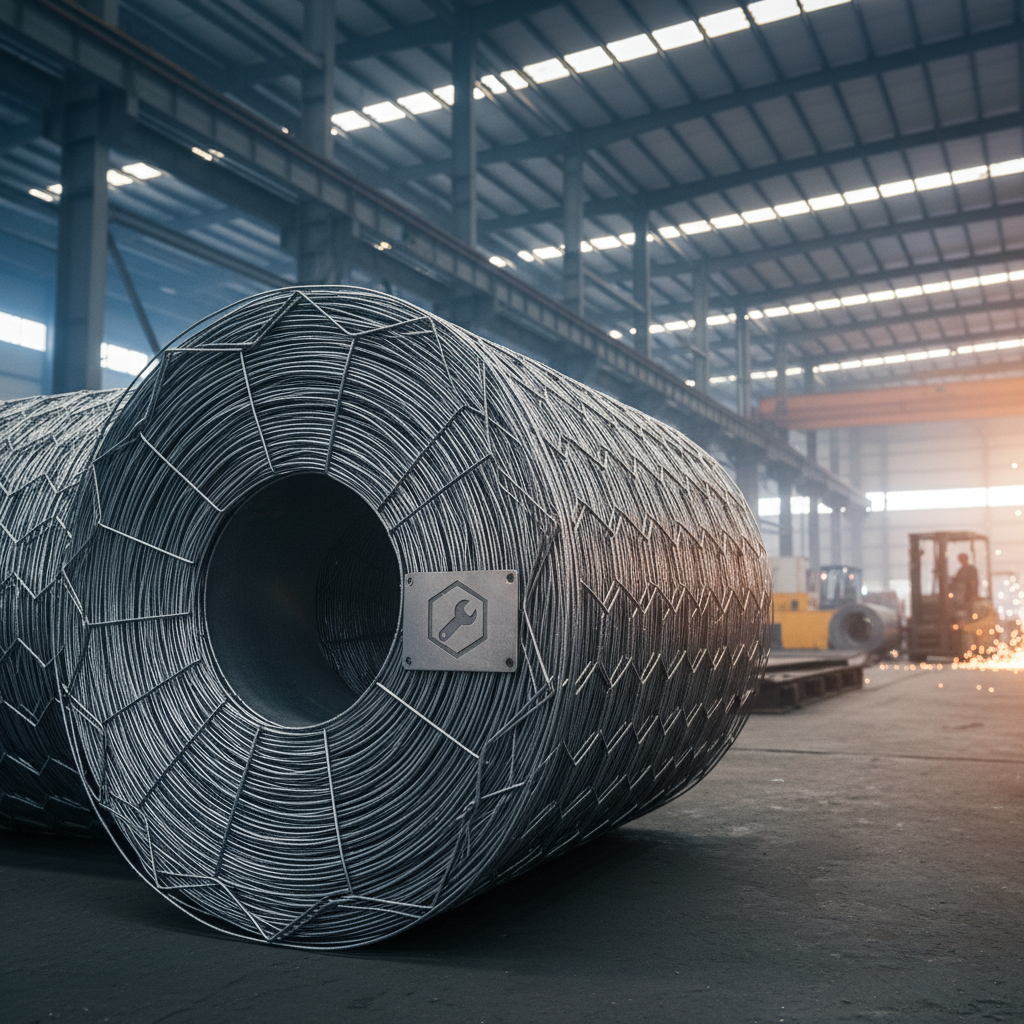
At its core, hexagonal wire mesh is a type of woven fencing material constructed from interconnected metal wires forming a repeating hexagonal pattern. This pattern, resembling a honeycomb, provides exceptional strength and flexibility. It’s typically produced through a twisting process where wires are interwoven, creating a durable and resilient mesh. The resulting structure distributes stress evenly, making it less prone to tearing or breaking under pressure.
Unlike welded wire mesh, hexagonal wire mesh exhibits a degree of elasticity, allowing it to conform to uneven surfaces and absorb impacts. This is particularly important in applications like animal containment and erosion control where flexibility is crucial. The mesh's interconnected structure also prevents the formation of sharp edges, enhancing safety for both humans and animals.
The connection to modern industry and humanitarian needs is significant. In disaster relief, hexagonal wire mesh is frequently used in the construction of temporary shelters and gabion baskets for flood control. In agriculture, it protects crops and livestock. Its versatility makes it a cornerstone material in both developed and developing nations.
Key Properties of Hexagonal Wire Mesh
Several key properties define the performance and applicability of hexagonal wire mesh. Durability is paramount. Properly galvanized or coated wire resists corrosion, extending the mesh's lifespan even in harsh environmental conditions. This resistance to weathering ensures long-term reliability and minimizes maintenance costs.
Scalability refers to the mesh’s adaptability to various project sizes and configurations. Hexagonal wire mesh can be easily cut, shaped, and joined to create custom solutions. Its lightweight nature facilitates handling and installation, even in remote or challenging locations. This adaptability is critical for projects ranging from small garden enclosures to large-scale industrial barriers.
Cost-efficiency is another significant advantage. Compared to other fencing materials like solid wood or concrete, hexagonal wire mesh offers a comparable level of security and containment at a fraction of the cost. This makes it an attractive option for projects with limited budgets, without compromising on quality or performance. Further enhancing its value is its relatively low transportation cost due to its lightweight profile.
Applications Across Industries
The applications of hexagonal wire mesh are remarkably diverse. In agriculture, it's widely used for poultry fencing, rabbit hutches, and protecting crops from pests and wildlife. In construction, it serves as reinforcement in concrete, creating a strong and durable composite material. It's also extensively used in landscaping for erosion control and retaining walls, particularly in the form of gabions.
Industrially, hexagonal wire mesh is integral to safety barriers, machine guards, and ventilation systems. Its open weave allows for airflow while providing a physical barrier. In post-disaster relief operations, hexagonal wire mesh is rapidly deployed for building temporary shelters and creating secure perimeter fencing for refugee camps. In remote industrial zones, it provides cost-effective and reliable security solutions for protecting valuable assets.
Application Rating of Hexagonal Wire Mesh
Advantages & Long-Term Value
The tangible benefits of utilizing hexagonal wire mesh are numerous. Its cost-effectiveness, as previously mentioned, significantly reduces project expenses. Its sustainability is also notable. Galvanized steel is recyclable, minimizing environmental impact, and the long lifespan of the mesh reduces the need for frequent replacements. The modular nature of hexagonal wire mesh also enables easy repair and modification, extending its useful life.
Beyond the practical advantages, hexagonal wire mesh delivers valuable social impact. In disaster relief, it provides a sense of security and dignity to displaced populations. In agriculture, it protects livelihoods and ensures food security. The reliability and durability of the mesh foster trust among users, establishing it as a dependable solution for a wide range of applications.
Future Trends in Hexagonal Wire Mesh
The future of hexagonal wire mesh is poised for innovation. Research and development efforts are focusing on developing more sustainable coatings that offer enhanced corrosion resistance and reduced environmental impact. The integration of smart technologies, such as sensors embedded within the mesh for monitoring structural integrity or security breaches, is also gaining traction.
The rise of green energy initiatives may increase demand for hexagonal wire mesh in applications like wind turbine blade protection and solar panel fencing. Furthermore, advancements in automation and digital manufacturing are streamlining production processes, reducing costs and improving quality control. These trends promise to solidify hexagonal wire mesh's position as a crucial material for years to come.
Challenges & Solutions
Despite its numerous advantages, hexagonal wire mesh faces certain challenges. One common limitation is its susceptibility to damage from sharp objects or significant impacts. Addressing this requires utilizing heavier gauge wire, implementing protective coatings, or combining the mesh with reinforcing materials.
Another challenge is the potential for sagging over long spans. Solutions include using support posts at regular intervals or incorporating tension wires to maintain structural integrity. Furthermore, ensuring proper installation and maintenance is crucial to maximizing the lifespan and performance of the mesh. Expert guidance and adherence to industry best practices can mitigate these challenges effectively.
Finally, maintaining consistent quality control during manufacturing is essential. Regular testing and inspection processes, aligned with ISO standards, can guarantee that the hexagonal wire mesh meets the required specifications and performs reliably in its intended application.
Summary of Challenges and Solutions for Hexagonal Wire Mesh
| Challenge |
Severity (1-10) |
Proposed Solution |
Implementation Cost (1-10) |
| Susceptibility to Damage |
7 |
Heavier Gauge Wire & Protective Coatings |
6 |
| Sagging Over Long Spans |
6 |
Support Posts & Tension Wires |
4 |
| Corrosion in Harsh Environments |
8 |
Advanced Galvanizing & PVC Coating |
7 |
| Quality Control Variations |
5 |
Stringent ISO Compliance & Regular Testing |
5 |
| Installation Complexity |
4 |
Simplified Installation Guides & Trained Installers |
3 |
| Limited Aesthetic Appeal |
3 |
Decorative Coatings & Landscaping Integration |
2 |
FAQS
The lifespan of hexagonal wire mesh varies significantly depending on the climate and coating applied. Galvanized mesh typically lasts 10-20 years in mild climates, while PVC coated mesh can extend this to 25-30 years. In harsh marine environments or areas with high levels of pollution, more frequent inspections and maintenance are recommended, potentially shortening the lifespan to 5-10 years without proper care. The gauge of the wire also plays a critical role; heavier gauges offer greater longevity.
While hexagonal wire mesh is commonly used for animal containment, its suitability for large or aggressive animals depends on the gauge of the wire and the mesh opening size. For animals like cattle or horses, a heavier gauge wire and smaller openings are essential to prevent breakage and escape. Reinforcing the mesh with additional strands or using a double-layered system is also advisable. For truly aggressive animals, alternative fencing materials might be more appropriate.
Hexagonal wire mesh generally offers greater flexibility and resistance to tearing compared to welded wire mesh. Welded wire mesh, while providing a more rigid structure, is prone to cracking at the weld points under stress. Hexagonal mesh distributes stress more evenly across the woven structure. However, welded wire mesh often has a smoother surface and can offer better aesthetic appeal in some applications.
The production of hexagonal wire mesh involves energy consumption and the use of raw materials like steel. However, galvanized steel is readily recyclable, mitigating some environmental concerns. PVC coatings, while offering corrosion resistance, are less readily recyclable. Choosing eco-friendly coatings and prioritizing manufacturers with sustainable production practices can minimize the environmental impact. Proper disposal and recycling of the mesh at the end of its lifespan are also crucial.
Yes, hexagonal wire mesh is commonly used in erosion control, particularly in the form of gabions – wire mesh baskets filled with rocks or stones. Gabions create a flexible and permeable structure that stabilizes slopes, prevents soil erosion, and allows for natural drainage. The mesh helps to contain the fill material and distribute the load, effectively reinforcing the slope. It’s a cost-effective and environmentally friendly solution for various erosion control applications.
Handling hexagonal wire mesh requires wearing protective gloves and clothing to prevent cuts and abrasions from sharp edges. Eye protection is also recommended. When cutting the mesh, use appropriate wire cutters and avoid creating loose wire ends. During installation, ensure the mesh is securely fastened to prevent sagging or collapsing. Always follow manufacturer’s instructions and adhere to local safety regulations.
Conclusion
Hexagonal wire mesh stands as a testament to the power of simple yet effective design. Its versatility, durability, and cost-effectiveness have cemented its place as a cornerstone material across a remarkably diverse range of industries and applications. From securing agricultural lands and protecting wildlife to providing critical support in disaster relief and contributing to sustainable infrastructure, its impact is far-reaching and consistently valuable.
Looking ahead, continued innovation in materials science and manufacturing processes will further enhance the performance and sustainability of hexagonal wire mesh. By embracing advancements in coatings, smart technologies, and responsible production practices, we can unlock even greater potential for this essential material, ensuring it remains a vital resource for building a more resilient and sustainable future. For high-quality hexagonal wire mesh solutions, visit our website today.