Window screen technology plays a crucial role in modern living, extending far beyond simply keeping insects out of our homes. It represents a vital layer of protection, contributing to public health, energy efficiency, and overall quality of life. From its humble beginnings as a rudimentary mesh, window screen has evolved into a sophisticated industry utilizing diverse materials and innovative designs, impacting communities globally. Understanding its nuances is essential for architects, homeowners, and public health officials alike.
The global demand for effective window screen solutions is driven by factors such as increasing urbanization, growing awareness of vector-borne diseases, and a rising focus on sustainable building practices. According to the World Health Organization, vector-borne diseases account for over 17% of all infectious diseases, highlighting the critical need for preventative measures like functional window screen. The market is experiencing steady growth, fueled by innovation in materials like fiberglass, stainless steel, and specialized polymers, ensuring both durability and performance.
Furthermore, advancements in window screen aren’t solely focused on pest control; they also address issues like pollen filtration, UV protection, and even security. This adaptability and increasing relevance solidify window screen’s position as an essential component of modern infrastructure, requiring ongoing research and development to meet evolving needs.
The Importance of Window Screen
Window screen isn't merely an afterthought in construction; it’s an integral component of healthy and sustainable environments. Its primary function – preventing insects – directly impacts public health by reducing the transmission of diseases like malaria, dengue fever, and Zika virus. The cost-effectiveness of properly installed window screen makes it a highly impactful intervention, particularly in regions with limited access to advanced healthcare systems.
Beyond health, window screen contributes significantly to energy efficiency. By allowing natural ventilation while blocking insects, it reduces the reliance on air conditioning, lowering energy consumption and associated carbon emissions. This aspect is becoming increasingly important as global efforts to combat climate change intensify, making window screen a crucial element in green building initiatives.
Defining Window Screen
At its core, window screen is a physical barrier designed to prevent the entry of insects, debris, and other unwanted elements into a building through open windows and doors. Traditionally made from woven wire mesh, modern window screen utilizes a variety of materials, including fiberglass, aluminum, and stainless steel, each offering distinct advantages in terms of durability, visibility, and cost.
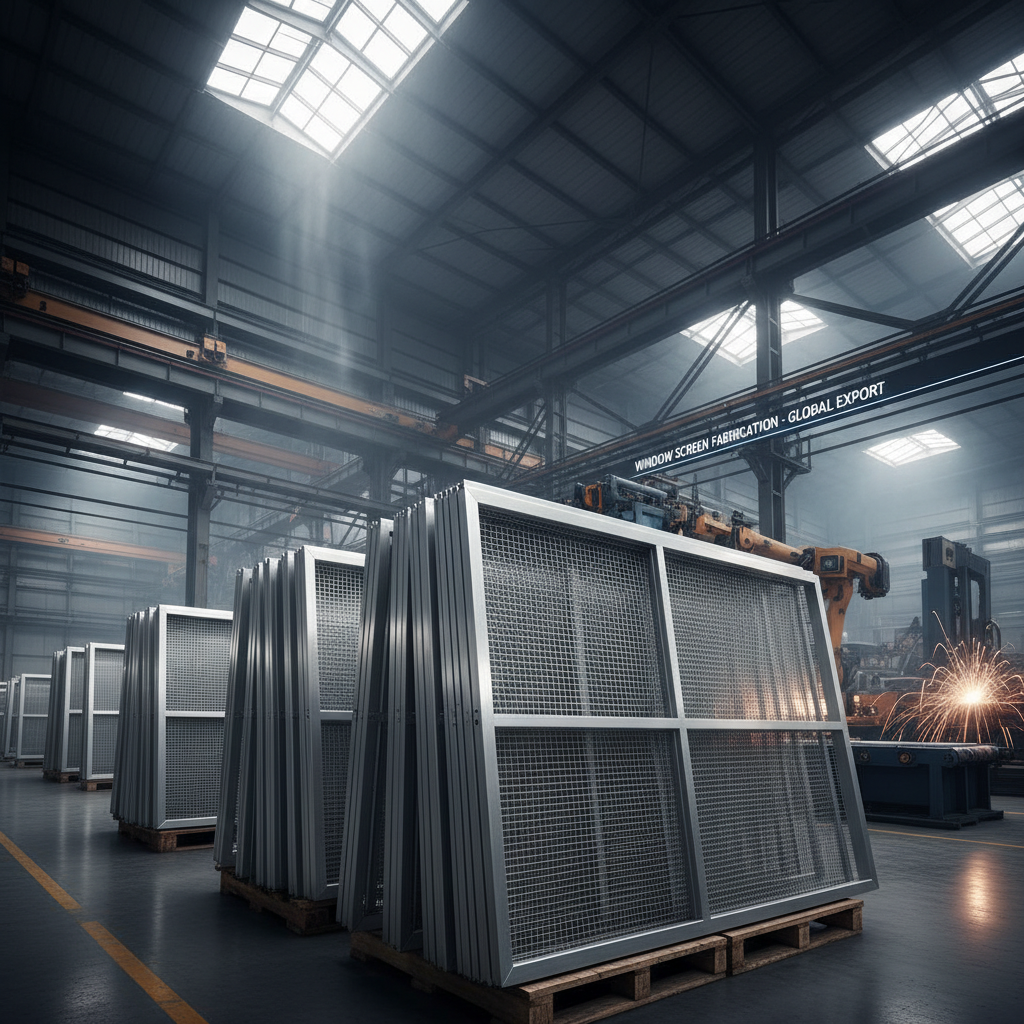
The connection to modern industry lies in the advanced manufacturing techniques employed to create high-performance window screen. From precision weaving processes to specialized coatings that enhance UV resistance and insect repellency, the production of window screen involves a sophisticated supply chain and skilled labor.
In the context of humanitarian needs, window screen becomes invaluable in providing safe and habitable shelter. In disaster relief efforts and refugee camps, it plays a vital role in preventing the spread of disease and ensuring the well-being of vulnerable populations. Its lightweight and relatively inexpensive nature make it easily deployable in emergency situations.
Core Components of Effective Window Screen
Effective window screen relies on several key components working in harmony. The mesh itself, determining the level of insect protection and visibility, is paramount. Material selection significantly influences longevity and resistance to environmental factors. Furthermore, the frame, typically constructed from aluminum, wood, or vinyl, provides structural support and facilitates installation.
Beyond the physical components, proper installation is critical. A poorly fitted window screen allows gaps for insects to enter, negating its purpose. The quality of the spline – the material used to secure the mesh to the frame – also impacts the screen's durability and resistance to weathering. Regular maintenance, including cleaning and occasional replacement, extends the lifespan of the window screen.
Finally, consider the coating applied to the window screen. Many modern screens feature coatings that enhance UV resistance, preventing the mesh from becoming brittle and fading in sunlight. Other coatings offer antimicrobial properties, inhibiting the growth of mold and mildew, particularly in humid environments.
Key Performance Indicators for Window Screen
Assessing the effectiveness of window screen requires evaluating several key performance indicators. Mesh density, measured in wires per inch, directly correlates with the size of insects it can exclude. Higher density mesh provides better protection but may slightly reduce visibility and airflow. Another important metric is tensile strength, indicating the screen's resistance to tearing and damage.
UV resistance is crucial for longevity, particularly in regions with intense sunlight. Materials should be tested for their ability to withstand prolonged UV exposure without significant degradation. Furthermore, airflow permeability measures how effectively the screen allows air to pass through, impacting ventilation rates and energy efficiency.
Window Screen Performance Comparison
Global Applications and Use Cases
Window screen finds widespread application across diverse geographic locations and industries. In tropical regions prone to mosquito-borne diseases, it’s a critical public health tool, protecting communities from malaria, dengue fever, and Zika virus. In temperate climates, it provides relief from nuisance insects like flies and gnats, improving quality of life.
The construction industry is a primary consumer of window screen, incorporating it into residential, commercial, and industrial buildings. Agricultural applications include greenhouse screening to regulate temperature and protect crops from pests. In post-disaster relief operations, window screen is often used to create temporary shelters and provide a basic level of protection for displaced populations.
Advantages and Long-Term Value
The advantages of utilizing high-quality window screen extend far beyond immediate pest control. The long-term value lies in the reduced healthcare costs associated with preventing insect-borne diseases, improved energy efficiency leading to lower utility bills, and increased property value through enhanced comfort and livability.
From a social impact perspective, window screen contributes to a sense of security and well-being, allowing individuals to enjoy open windows and fresh air without fear of insects. Its reliability and durability, particularly with modern materials, ensure a long service life, minimizing the need for frequent replacements. This translates to both economic savings and environmental benefits.
Furthermore, the growing demand for sustainable building materials aligns perfectly with the eco-friendly aspects of certain window screen options, such as recycled polyester or fiberglass, fostering innovation and responsible manufacturing practices.
Future Trends and Innovations in Window Screen
The future of window screen is poised for significant innovation. Research is focused on developing self-cleaning screens with antimicrobial properties, reducing maintenance requirements and improving hygiene. Smart window screen incorporating sensors to detect air quality and automatically adjust ventilation are also on the horizon.
Advancements in material science are leading to the creation of ultra-durable and lightweight screens with enhanced UV resistance and increased airflow permeability. The integration of nanotechnology could result in screens that repel insects without the need for chemical treatments, offering a more environmentally friendly solution.
Furthermore, the increasing focus on energy efficiency and smart home technology will drive demand for window screen systems that seamlessly integrate with building automation systems, optimizing ventilation and indoor air quality.
Summary of Window Screen Material Performance
| Material Type |
Durability (1-10) |
Visibility (1-10) |
Cost (1-10) |
| Aluminum |
9 |
7 |
6 |
| Fiberglass |
8 |
8 |
5 |
| Stainless Steel |
10 |
6 |
9 |
| Polyester |
7 |
9 |
4 |
| Vinyl Coated Polyester |
6 |
8 |
5 |
| Nylon |
5 |
10 |
3 |
FAQS
Stainless steel consistently ranks as the most durable material for window screen, offering exceptional resistance to corrosion, tearing, and UV degradation. While it comes at a higher price point, its longevity and minimal maintenance make it a cost-effective option in the long run. Aluminum is also highly durable, but can be susceptible to bending. Fiberglass provides good durability at a more affordable price.
The lifespan of window screen varies depending on the material and environmental factors. Generally, fiberglass and aluminum screens last 10-15 years, while stainless steel screens can last 20 years or more. Signs that indicate a need for replacement include tears, holes, significant corrosion, or a noticeable reduction in visibility due to dirt and damage. Regular cleaning can extend the lifespan.
Window screen effectiveness depends on the mesh density. Standard mesh (18x16) effectively blocks most common insects like flies, mosquitoes, and gnats. However, smaller insects like no-see-ums (biting midges) can pass through. For these, a finer mesh (20x20 or even finer) is required. Choosing the appropriate mesh density is crucial for optimal insect protection.
Yes, window screen can contribute to energy efficiency by allowing natural ventilation while blocking direct sunlight. This reduces the need for air conditioning, lowering energy consumption and costs. However, the impact on energy efficiency is also dependent on factors like window orientation, climate, and building insulation. Choosing a screen with good airflow permeability maximizes its energy-saving potential.
Cleaning window screen regularly prevents dirt and debris buildup, extending its lifespan. A gentle brush or vacuum cleaner with a brush attachment can remove loose debris. For more stubborn dirt, use a mild soap solution and a soft cloth. Avoid harsh chemicals or abrasive cleaners, as they can damage the mesh. Rinse thoroughly with clean water and allow to dry completely.
Yes, many modern window screen materials are treated with UV inhibitors to prevent degradation from sunlight exposure. These coatings help maintain the screen's integrity and prevent it from becoming brittle or discolored over time. Look for screens specifically marketed as UV-resistant, particularly if you live in a sunny climate. Darker colored screens also tend to offer greater UV protection.
Conclusion
In conclusion, window screen represents a simple yet remarkably impactful technology, offering benefits spanning public health, energy efficiency, and overall quality of life. From its core components to its future innovations, understanding the nuances of window screen is vital for building professionals, homeowners, and public health advocates alike. Its adaptability and continuous improvement ensure its relevance in a rapidly changing world.
Looking ahead, continued research and development in material science and smart technologies will undoubtedly lead to even more sophisticated and effective window screen solutions. Investing in high-quality window screen is not simply a matter of pest control; it’s an investment in a healthier, more sustainable, and comfortable future. Visit our website at window screen to explore our range of products and learn more about how we can meet your needs.