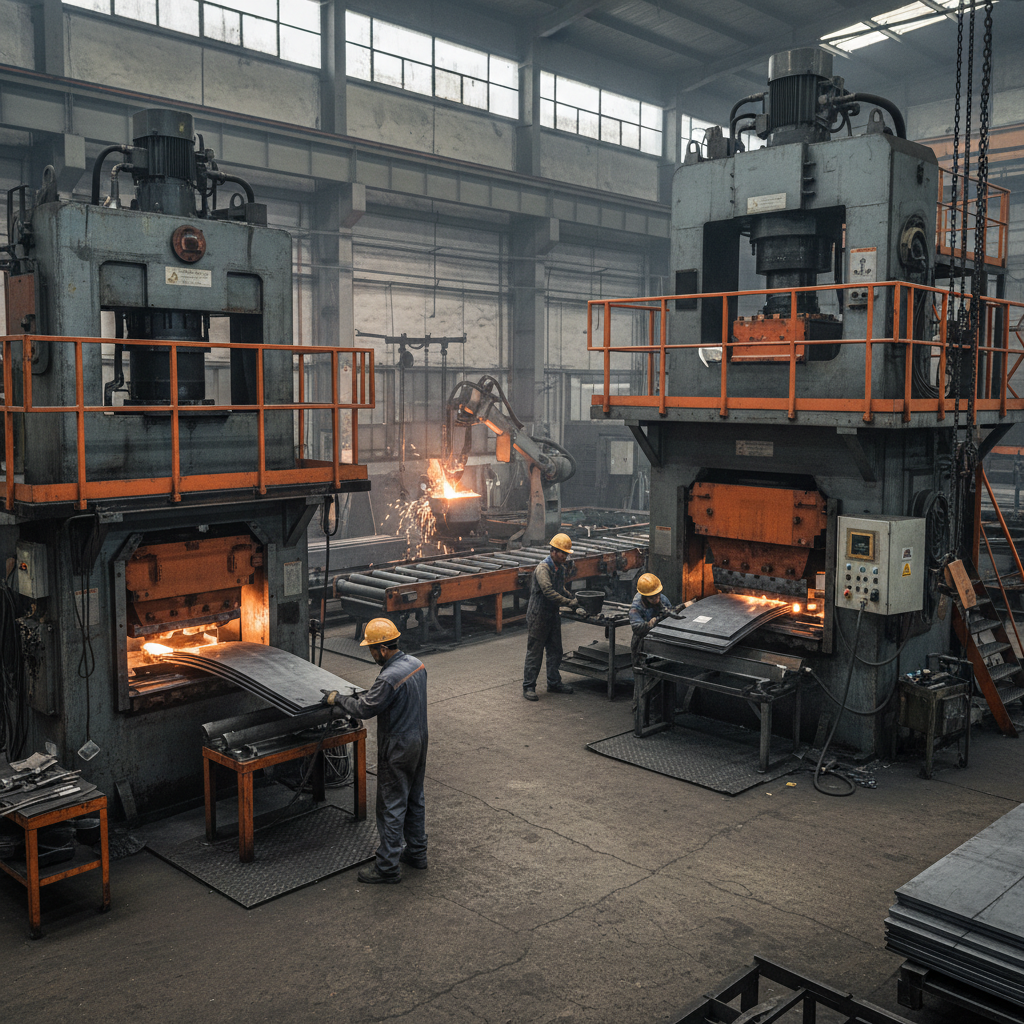
To be honest, the whole industry is buzzing about prefabrication these days. Everyone’s talking about speeding things up, reducing waste…which is great, don’t get me wrong. But have you noticed, a lot of these prefab solutions, they look fantastic on paper, all neat and tidy, but then you get to a real construction site, and…well, things get messy. It’s like designing a car in a wind tunnel and then expecting it to handle a dirt road. Anyway, I think the biggest challenge is always getting the details right.
It’s not just about the big pieces, it's the small stuff. Like, the connectors – those little guys are crucial. I encountered this at a factory in Tianjin last time; they were using a new type of quick-connect fitting that looked brilliant in the catalog. But on site, the guys couldn’t get them to seat properly in cold weather. Turns out the plastic got brittle. Little things like that can completely derail a project.
When we’re talking about chain link mesh fence, we’re mostly dealing with galvanized steel wire, right? It smells faintly metallic when you handle it, and it's surprisingly heavy. You can tell a good quality wire by the coating – it should be smooth and uniform, not patchy or flaky. And you have to be careful unrolling it, it can snag and kink if you’re not paying attention. We’ve started using a PVC coated version more and more, it's a bit more expensive but lasts a lot longer, especially in coastal areas.
The Current Trends in chain link mesh fence
Strangely enough, there's been a real push for higher gauge, smaller mesh sizes lately. Everyone wants a tighter weave, I guess. Security’s the main driver, obviously. Also, color coatings are becoming way more popular. No one wants plain galvanized anymore; they want green, black, even beige to blend with the surroundings. It makes the job look a little nicer, I suppose, even if it doesn't make it any easier to install.
And surprisingly, demand for temporary chain link is skyrocketing. Not just for construction sites, but for events, crowd control…you name it. People are realizing it’s a quick and cost-effective way to secure an area.
Common Pitfalls in chain link mesh fence Design
The biggest mistake I see? Undersizing the posts. People try to save a few bucks on materials, and then the whole fence sags after a couple of years. It’s a false economy, believe me. Also, not paying enough attention to the gate hardware. A flimsy gate latch is just asking for trouble. And… forget it, I won't mention it, but I once saw someone try to use concrete filled PVC pipe as a post. It didn't end well.
Another thing: tension wire. People either use too little, or they don't install it correctly. Tension wire is what keeps the mesh taut and prevents it from buckling. It's a simple concept, but it's often overlooked.
And I've seen far too many instances where the foundation isn’t adequate. A chain link fence might seem light, but it can exert a surprising amount of force, especially in high winds. You need a solid base, or it’ll all come tumbling down.
Materials Used in chain link mesh fence Construction
As I said, galvanized steel is the workhorse. It's durable, relatively inexpensive, and provides good corrosion resistance. But it's heavy, and can be a pain to work with. Then there’s aluminum chain link, which is lighter and won’t rust, but it's significantly more expensive and not as strong. We also get requests for stainless steel for really demanding environments, like near saltwater, but the cost…whew.
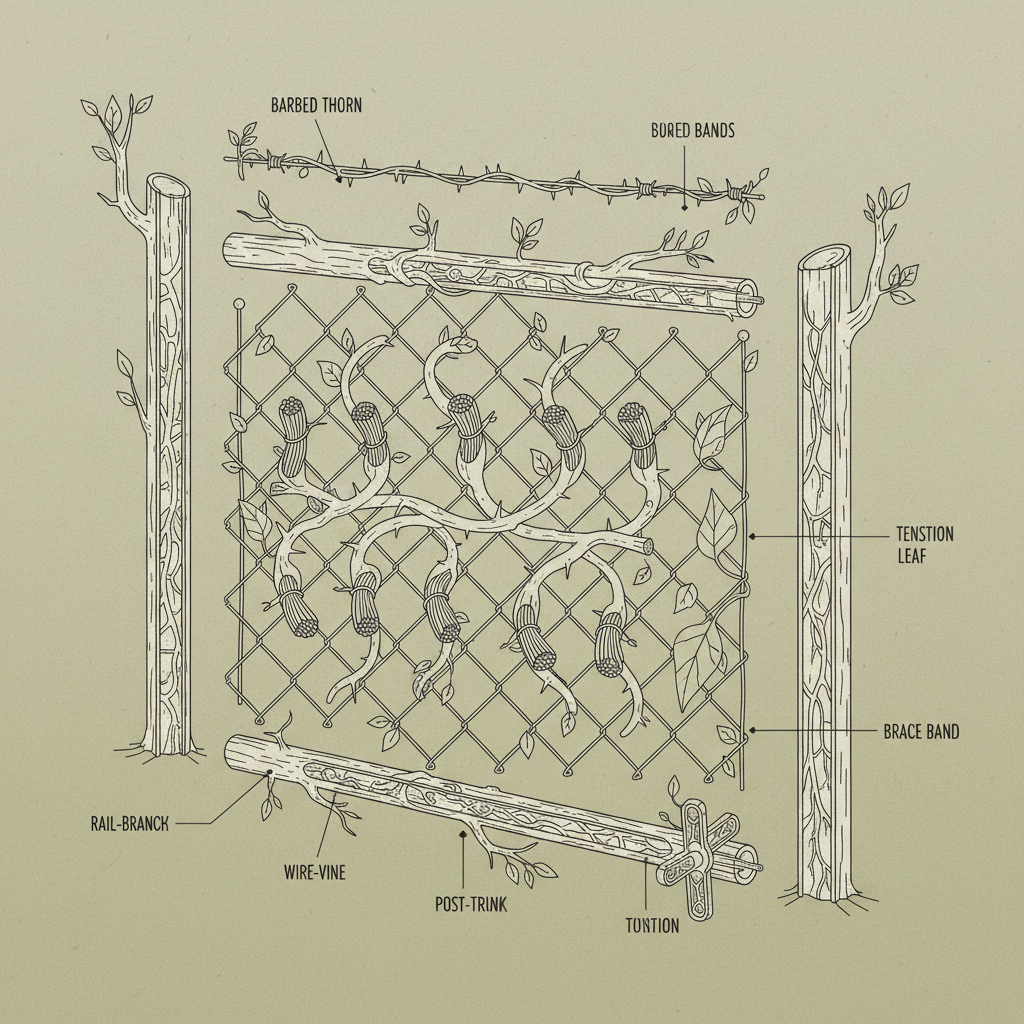
The posts are usually steel pipe, but you can get them in aluminum or even wood, although wood requires a lot more maintenance. The tension wire is typically high-strength steel, and the fittings are usually galvanized steel or aluminum. You’ve also got the tension bands and brace bands, which are usually steel.
The coating is key. PVC is the most common, offering good protection against corrosion and a range of color options. But you also get polyethylene and vinyl coatings, each with its own strengths and weaknesses. I’ve learned the hard way to always check the coating thickness – a thin coating won’t last long in harsh weather.
Testing and Quality Control of chain link mesh fence
Look, we don't send samples to a lab to get analyzed. Testing happens on site. We stretch it, we pull on it, we try to bend it. If it feels flimsy, it's no good. We also check the galvanization – is it smooth and even? Is there any visible rust? That’s pretty much it.
The real test is how it holds up over time. A good fence should be able to withstand wind, rain, snow, and the occasional attempt to climb it. We've had clients ask about tensile strength reports, but honestly, those numbers don't always translate to real-world performance.
chain link mesh fence Performance Metrics
Real-World Applications of chain link mesh fence
You see it everywhere, right? Around schools, industrial sites, parks… it’s the go-to for perimeter security. But it's also used for things you wouldn't expect, like animal enclosures at zoos or even as a support for climbing plants. I even saw it used as a temporary barrier at a music festival last year.
It’s particularly common in areas prone to theft or vandalism. I worked on a project in a warehouse district where they needed to secure a large outdoor storage area. Chain link was the most cost-effective solution, and it provided a good level of security.
Advantages and Disadvantages of chain link mesh fence
The biggest advantage? Cost. It’s the cheapest way to secure a large area. It’s also relatively easy to install and maintain. But it's not pretty, let’s be honest. It’s functional, but it doesn’t exactly add to the aesthetic appeal of a property. And it’s not the most secure option, a determined intruder can usually find a way through.
It is also quite visible; while it offers a clear line of sight, it doesn't provide any privacy. Plus, it can be damaged by storms or vandalism. We've had clients complain about it looking "too industrial."
Customization Options for chain link mesh fence
You can customize the height, the mesh size, the wire gauge, the coating color… pretty much anything. We had a client last month, that small boss in Shenzhen who makes smart home devices, insisted on changing the interface to for their perimeter fence. He thought it would be a 'premium' look. The result? It cost him a fortune, and the guys on site hated it because the connectors were so fiddly. Learned that one the hard way!
We’ve also done projects where clients wanted different top rail styles, like decorative caps or rounded edges. It doesn’t change the functionality, but it can improve the appearance.
A quick comparison of chain link mesh fence customization
| Customization Feature |
Cost Impact |
Installation Difficulty |
Security Enhancement |
| Height Adjustment |
Low |
Easy |
Moderate |
| Mesh Size Variation |
Moderate |
Easy |
High |
| Coating Color |
Moderate |
Easy |
None |
| Post Cap Style |
Low |
Easy |
None |
| Wire Gauge Upgrade |
High |
Moderate |
High |
| Top Rail Modification |
Moderate |
Moderate |
Low |
FAQS
It really depends on the environment, but with proper maintenance, you can easily get 15-20 years out of a galvanized steel chain link fence. PVC coating can extend that to 25 years or more. Regular inspection for rust and prompt repairs are key. If you live near the ocean, you’ll need to be especially vigilant about corrosion. A good coat of paint every few years can make a big difference.
The key is proper post spacing and adequate tension wire. Don't stretch the posts too far apart, and make sure the tension wire is installed correctly and tightened regularly. Using heavier gauge posts and wire will also help. And don’t skimp on the bracing! It's what keeps everything stable, especially in windy conditions.
Minor tears can often be patched with a wire tie. For larger damage, you’ll likely need to replace the damaged section of mesh. Make sure to use the same gauge wire and coating as the existing fence. Sometimes, if a post is damaged, you’ll need to replace the entire post and re-tension the surrounding section.
Not really, no. Chain link is inherently see-through. However, you can add privacy slats to the mesh, which can block a significant amount of visibility. Slats come in a variety of colors and materials, but they can also increase wind resistance, so you need to factor that in. It's not a perfect solution, but it can offer some degree of privacy.
You'll need a post hole digger, a tensioning tool, wire cutters, pliers, a level, and a measuring tape. A chain link stretcher is almost essential for tightening the mesh properly. And don't forget gloves! Chain link wire can be rough on your hands. Safety glasses are also a good idea, especially when cutting wire.
Absolutely. Most municipalities have zoning regulations that specify maximum fence heights and setback requirements. It's crucial to check with your local building department before you start any fence installation. You don't want to get hit with a fine or be forced to tear down your fence later on. Ignoring those rules can be a real headache.
Conclusion
Ultimately, chain link mesh fence is a simple, effective, and affordable solution for perimeter security. It’s not the fanciest option, and it’s not without its limitations, but it gets the job done. It’s been around for decades for a reason, and it’s likely to remain a popular choice for years to come.
But here’s the thing: all the fancy specs and materials in the world don’t matter if the fence isn’t installed correctly. Ultimately, whether this thing works or not, the worker will know the moment he tightens the screw.