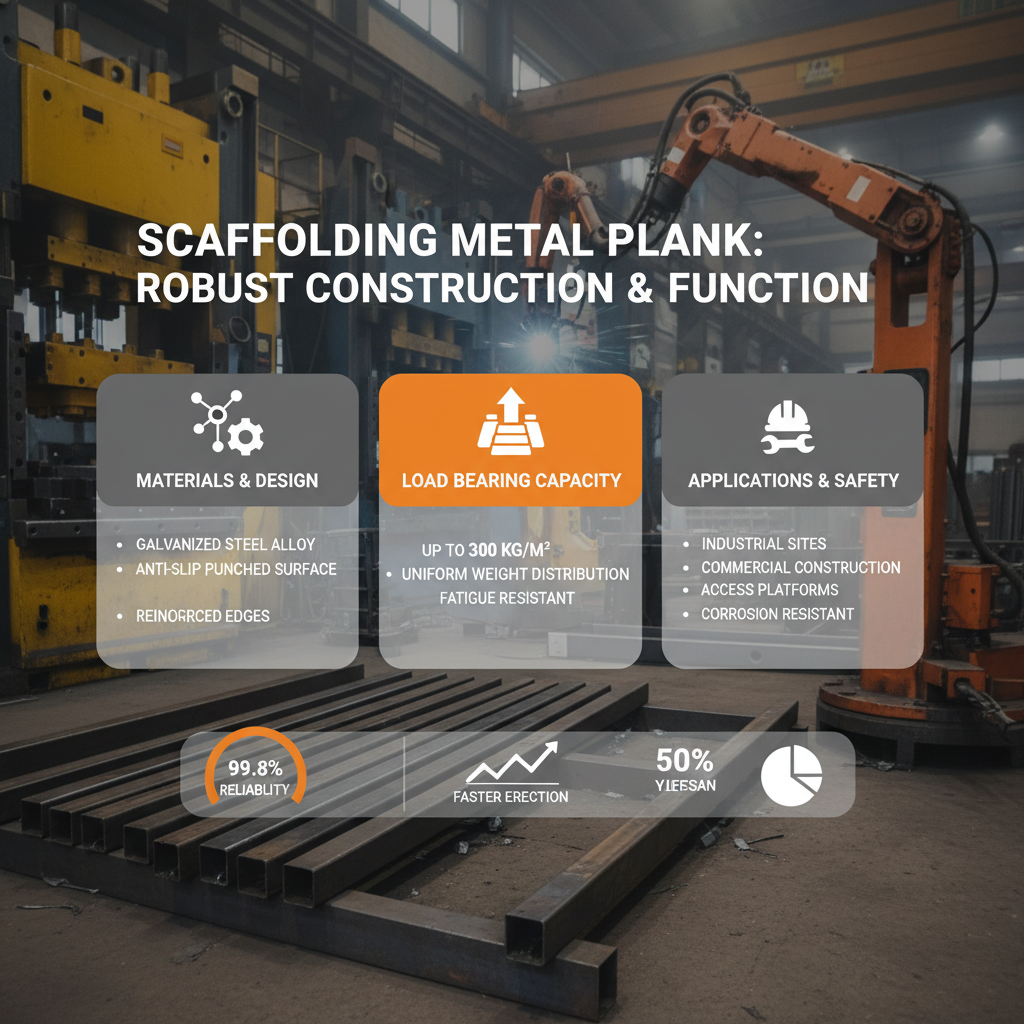
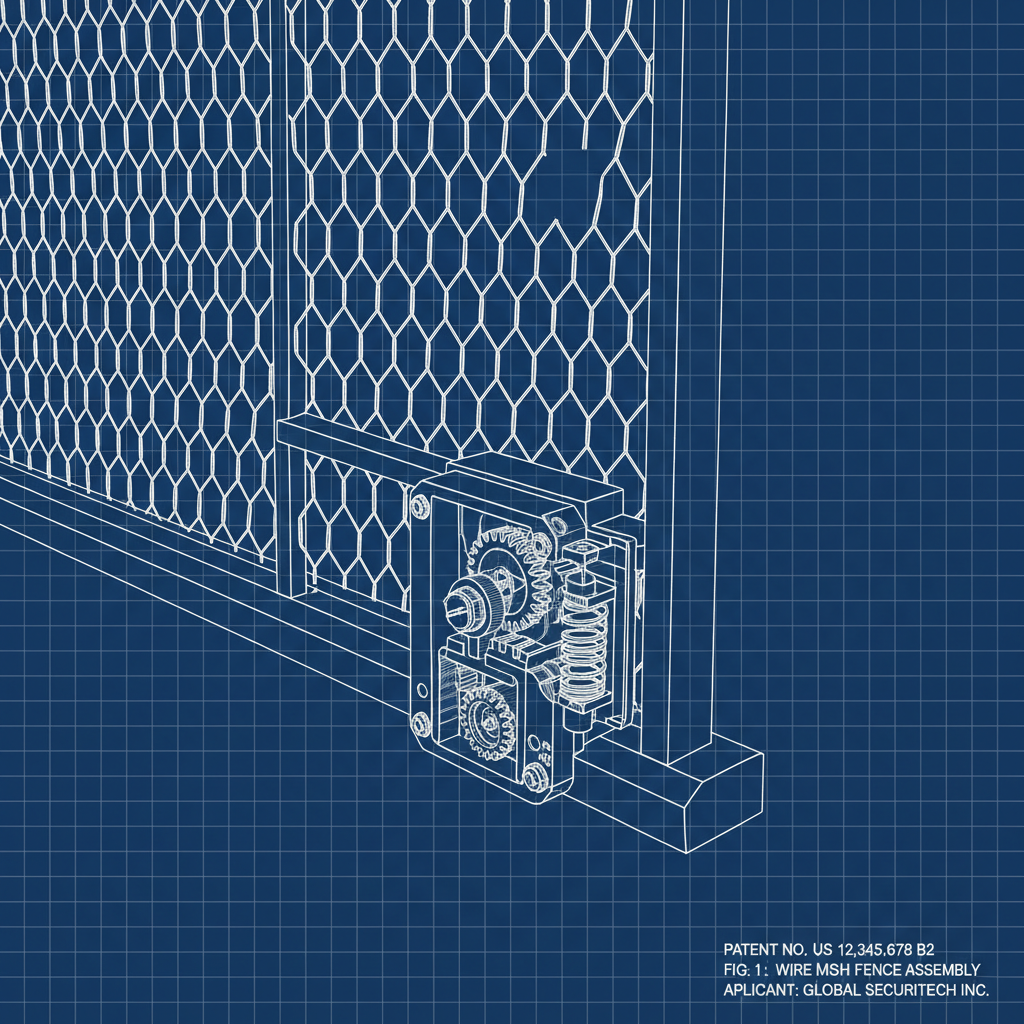
Heavy duty grating plays a critical role in modern infrastructure, offering robust and reliable solutions for a wide array of applications. From industrial walkways and platforms to drainage systems and security barriers, its strength and durability are essential for ensuring safety and efficiency. Understanding the nuances of heavy duty grating – its materials, construction, and applications – is paramount for engineers, architects, and project managers seeking long-lasting and cost-effective solutions.
Globally, the demand for heavy duty grating is continually rising, driven by infrastructure development in emerging economies and the increasing need for robust safety measures in established industrial sectors. The United Nations Sustainable Development Goals, particularly those focused on infrastructure and industrialization, directly correlate with the growing demand for high-quality grating systems. With a market projected to reach significant growth in the coming years, a thorough grasp of its benefits and applications is increasingly vital.
This comprehensive guide delves into the world of heavy duty grating, exploring its core components, diverse applications, advantages, and future trends. We’ll examine the factors influencing its selection, the challenges associated with its implementation, and the innovative solutions that are shaping the future of this essential building material.
Introduction to Heavy Duty Grating
Heavy duty grating isn't merely a construction component; it’s a foundational element in ensuring safe and efficient operations across countless industries. Its robust design allows it to withstand substantial loads, making it ideal for walkways, platforms, and stair treads in environments where heavy machinery and foot traffic are commonplace. Without reliable grating, these areas could become significant safety hazards.
The global market for heavy duty grating is driven by infrastructural projects in rapidly developing nations, the need to upgrade existing infrastructure in developed countries, and the strict safety regulations governing industrial environments. Choosing the correct heavy duty grating is vital for any successful, long-lasting project. A well-chosen system provides peace of mind, knowing that personnel and equipment are secure.
Defining Heavy Duty Grating
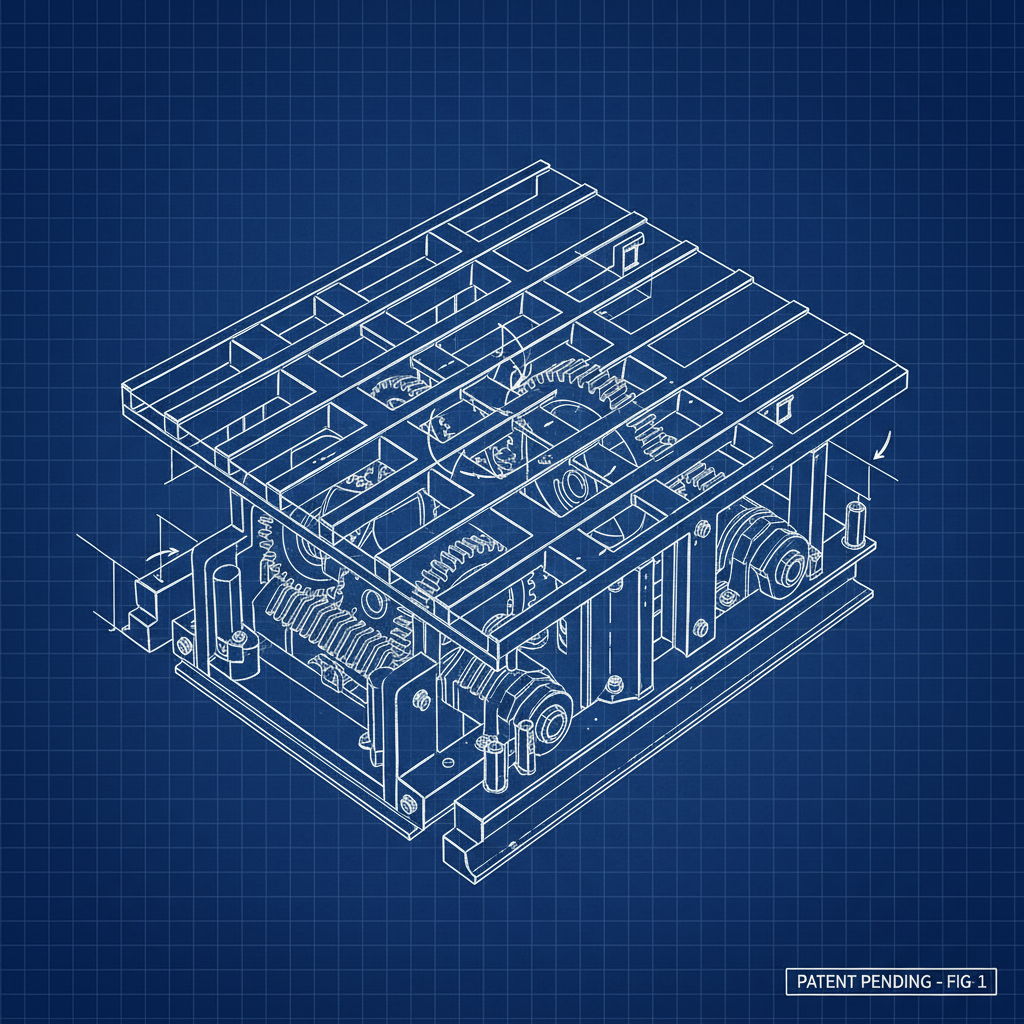
Heavy duty grating refers to a structural material constructed from interconnected metal bars or elements, forming an open grid pattern. Unlike solid surfaces, this design allows for the passage of liquids, debris, and air, making it especially valuable in applications where drainage or ventilation are crucial. Typically manufactured from carbon steel, stainless steel, or aluminum, its strength and load-bearing capacity are significantly higher than standard grating options.
This type of grating is fundamentally linked to modern industrial needs. As industries have become more complex and demanding, the requirement for safe and efficient flooring and structural components has increased. Heavy duty grating provides a durable, non-slip, and readily maintainable surface, essential for maintaining operational efficiency and worker safety.
Its connection to humanitarian needs also exists. In disaster relief and temporary infrastructure scenarios, quickly deployable grating can create stable walkways and platforms in challenging environments, facilitating aid distribution and rebuilding efforts.
Key Factors of Heavy Duty Grating
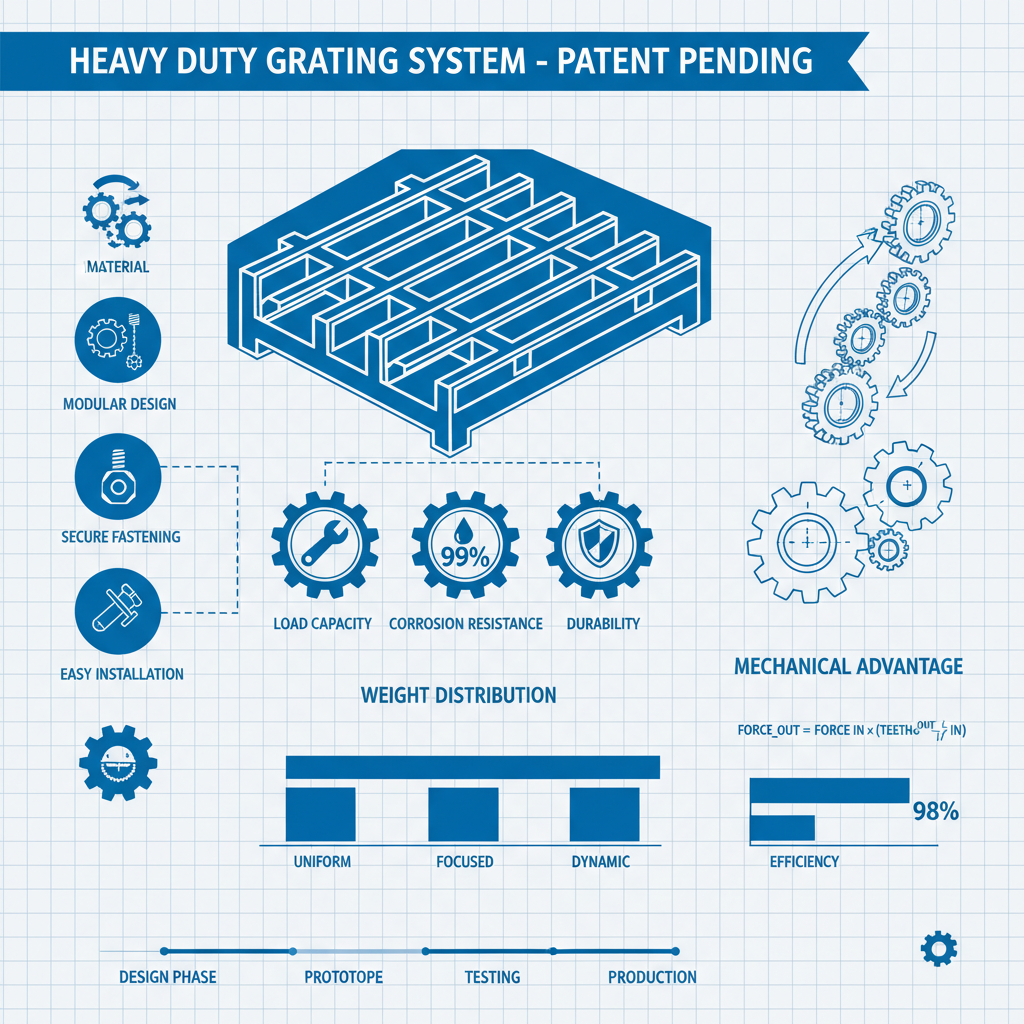
Durability is arguably the most crucial factor. Heavy duty grating is designed to withstand constant use, exposure to harsh environments, and significant loads without compromising its structural integrity. This longevity translates into reduced maintenance costs and a longer lifespan, making it a cost-effective investment in the long run.
Scalability is another key benefit. Grating systems can be easily customized and adapted to fit specific project requirements, accommodating various spans, load capacities, and configurations. This flexibility makes it suitable for a wide range of applications, from small-scale platforms to large-scale industrial complexes.
Cost-efficiency plays a significant role in its adoption. While the initial investment may be slightly higher than alternatives, the reduced maintenance requirements and extended lifespan of heavy duty grating often result in lower total cost of ownership.
Load Capacity is paramount for safety. The grating must be designed and tested to support the expected loads, including static loads, dynamic loads, and impact loads.
Corrosion Resistance is critical, especially in marine or chemical environments. Materials like stainless steel or specialized coatings can protect against corrosion, extending the lifespan of the grating.
Ease of Installation contributes to project efficiency. Pre-fabricated grating systems can be quickly and easily installed, minimizing downtime and labor costs.
Global Applications of Heavy Duty Grating
Heavy duty grating finds extensive use in the oil and gas industry, providing safe walkways and platforms on offshore rigs and refineries. These environments demand robust materials capable of withstanding harsh marine conditions and heavy loads.
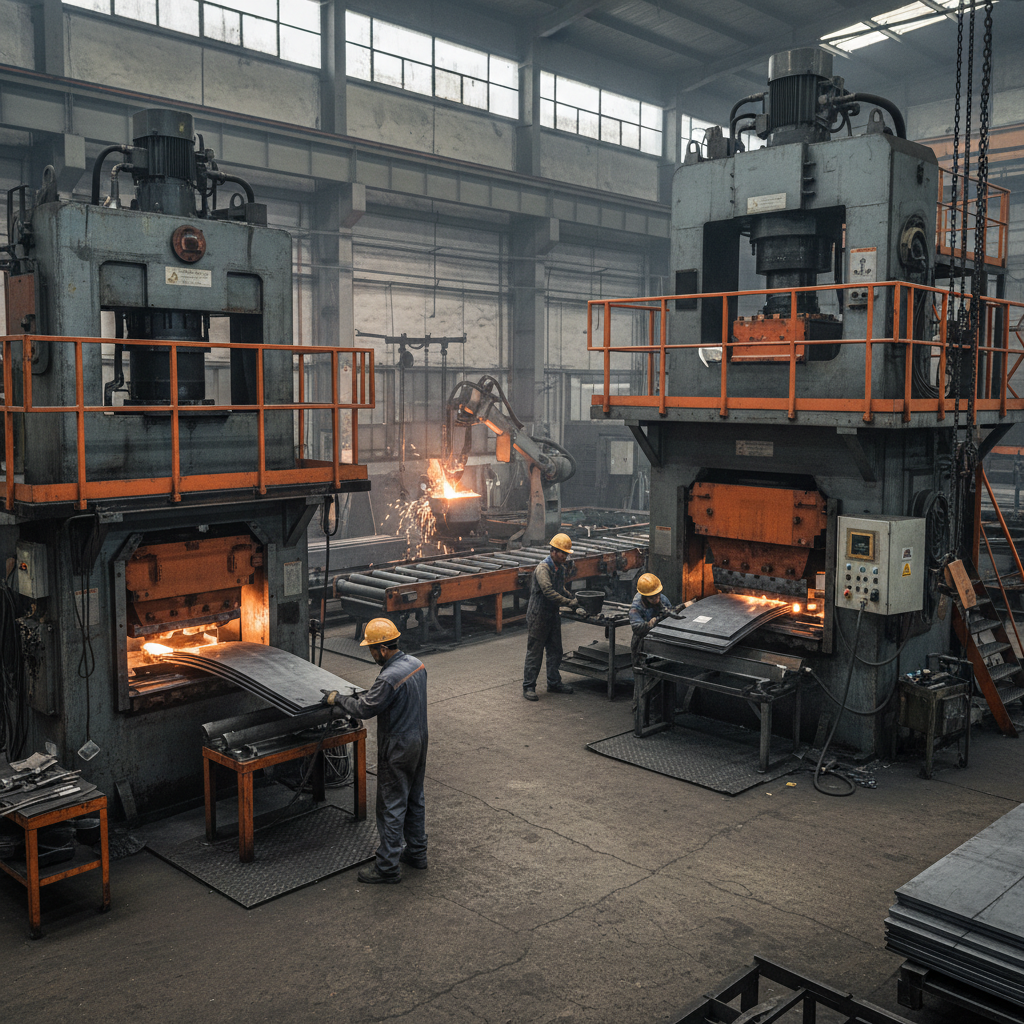
In the manufacturing sector, it’s essential for creating elevated walkways, mezzanines, and machine guards, enhancing worker safety and improving operational efficiency. Power plants utilize heavy duty grating for walkways, platforms, and ventilation systems, ensuring reliable and safe operations.
In post-disaster relief operations, it can be rapidly deployed to create temporary bridges, walkways, and staging areas, facilitating aid delivery and recovery efforts. In remote industrial zones, where access to traditional construction materials is limited, pre-fabricated heavy duty grating provides a practical and efficient solution for building essential infrastructure.
Heavy Duty Grating Application Distribution
Advantages and Long-Term Value
The tangible benefits of heavy duty grating are numerous. From a cost perspective, its longevity and low maintenance requirements translate into significant savings over time. Sustainability is also a key advantage, with many grating materials being recyclable, reducing environmental impact.
Beyond the financial and environmental benefits, heavy duty grating delivers substantial social impact. By providing safe and reliable walkways and platforms, it minimizes the risk of workplace accidents, promoting a safer and more productive work environment. This, in turn, fosters trust between employers and employees, strengthening workplace morale.
Future Trends in Heavy Duty Grating
The integration of smart technology is poised to revolutionize the heavy duty grating industry. Sensors embedded within the grating can monitor load distribution, detect structural fatigue, and provide real-time data to maintenance teams, enabling proactive maintenance and preventing catastrophic failures.
The development of new, lightweight, and high-strength materials, such as fiber-reinforced polymers (FRP), offers further opportunities for innovation. These materials provide superior corrosion resistance and reduced weight, making them ideal for challenging environments.
Challenges and Solutions
A common challenge is ensuring proper installation to maintain structural integrity. Incorrect installation can significantly reduce the load-bearing capacity of the grating and compromise safety. Rigorous quality control measures and certified installation teams are essential to mitigate this risk.
Another challenge is corrosion, particularly in harsh environments. Utilizing corrosion-resistant materials, such as stainless steel or aluminum, and applying protective coatings can significantly extend the lifespan of the grating. Regular inspections and maintenance are also crucial for identifying and addressing corrosion issues before they escalate.
Finally, the initial cost can be a barrier to adoption for some projects. However, a life-cycle cost analysis, which considers the long-term benefits of reduced maintenance and increased durability, often demonstrates the cost-effectiveness of heavy duty grating.
Summary of Challenges and Solutions Related to Heavy Duty Grating
| Challenge |
Severity (1-10) |
Potential Impact |
Mitigation Strategy |
| Improper Installation |
8 |
Reduced Load Capacity, Safety Hazard |
Certified Installers, Quality Control |
| Corrosion |
7 |
Structural Weakening, Lifespan Reduction |
Corrosion-Resistant Materials, Coatings |
| High Initial Cost |
5 |
Budget Constraints, Delayed Projects |
Life-Cycle Cost Analysis, Value Engineering |
| Material Fatigue |
6 |
Potential for Structural Failure |
Regular Inspections, Load Monitoring |
| Limited Design Flexibility |
4 |
Constraints on Architectural Designs |
Custom Fabrication, Modular Systems |
| Supply Chain Disruptions |
3 |
Project Delays, Increased Costs |
Diversified Suppliers, Strategic Inventory |
FAQS
Load-bearing capacities vary significantly depending on the material, grating design (mesh size, bar thickness), and span. Generally, heavy duty grating can support loads ranging from several hundred to thousands of pounds per square foot. Consult manufacturer specifications and engineering calculations to determine the appropriate capacity for your specific application. Safety factors should always be applied to ensure adequate support and prevent failure.
The material is a primary factor in corrosion resistance. Carbon steel is susceptible to rust but can be protected with coatings like galvanization or epoxy. Stainless steel offers superior corrosion resistance, especially in marine or chemical environments. Aluminum is also highly corrosion-resistant, lightweight, and suitable for specific applications. Selecting the appropriate material based on the environmental conditions is vital for longevity.
Regular maintenance helps extend the lifespan of heavy duty grating. This includes visual inspections for signs of corrosion, damage, or loose fasteners. Cleaning to remove debris and contaminants is also important. Periodic re-coating of carbon steel grating may be necessary to maintain corrosion protection. Following manufacturer’s guidelines for maintenance is crucial.
Proper installation is critical for ensuring structural integrity. Grating should be supported correctly, with adequate spacing between supports based on the load requirements and span. Fasteners should be tightened to the specified torque. It’s recommended to use qualified installers who are familiar with best practices and safety regulations. Verify compliance with local building codes.
Heavy duty grating significantly enhances workplace safety by providing a stable, slip-resistant walking surface. Its open grid design allows for drainage of liquids and debris, reducing slip hazards. It also provides clear visibility of underlying equipment and areas, minimizing the risk of falls and accidents. Using appropriately rated heavy duty grating is a core component of a robust safety program.
Yes, heavy duty grating is often highly customizable. Manufacturers can fabricate grating to specific dimensions, including length, width, and mesh size. They can also adjust the bar thickness and spacing to meet particular load requirements. Customization allows for seamless integration into a wide range of projects and ensures optimal performance.
Conclusion
Heavy duty grating is a foundational element in modern infrastructure, offering a compelling combination of strength, durability, safety, and cost-effectiveness. Its wide range of applications, from industrial facilities to disaster relief efforts, highlights its versatility and importance. Understanding its core components, advantages, and future trends is essential for professionals seeking reliable and long-lasting solutions.
As technology advances and environmental concerns grow, innovations in materials, smart technology integration, and sustainable manufacturing processes will continue to shape the future of heavy duty grating. Investing in quality heavy duty grating solutions translates to enhanced safety, reduced lifecycle costs, and a more resilient and sustainable infrastructure. For high-quality grating solutions, visit our website: www.xzmetal.com.