To be honest, things are moving fast these days. Everyone’s talking about prefabrication, modular builds…it’s all the rage. But I’ve been on enough sites to know that ‘fast’ doesn't always mean ‘good’. It usually means someone’s cutting corners somewhere. You see a lot of designs that look beautiful on paper, but are a nightmare to actually build. Have you noticed how architects specify these crazy angles? Easy for them to draw, but try getting a steelworker to bend that without a sweat and a few choice words.
I was at a concrete factory last month, and the smell…whew. It hits you right in the face. They're experimenting with new admixtures, trying to get stronger mixes that cure faster. It’s all about reducing turnaround time, right? But you still need to feel the consistency. Too dry, it cracks. Too wet, it slumps. And don’t even get me started on the aggregates. The quality varies wildly, and it makes a huge difference. It’s not just about the specs on the sheet; it’s about getting your hands dirty and knowing what’s good and what isn’t.
With palisade fence, though…that’s a different beast. It's been around forever, but there’s still innovation. It’s not glamorous, but it’s solid.
Industry Trends & Design Pitfalls
Strangely enough, security is always in demand, no matter the economy. That’s why palisade fence keeps popping up. But I’ve seen designs that are over-engineered to the point of absurdity. Like, really? Do you need a 3-meter palisade fence around a garden center? Anyway, I think the trend is towards blending security with aesthetics. People want protection, but they don't want to feel like they’re living in a fortress. And the demand for faster installation is huge. Everyone wants it up yesterday.
The biggest pitfall? Underspecifying the foundations. Everyone focuses on the height and the steel gauge, but forgets that if the posts aren’t set properly, the whole thing will wobble like a drunk sailor. I encountered this at a schoolyard last year…absolute mess.
Materials & On-Site Handling
The steel itself…that’s crucial. You get what you pay for. Cheap steel bends too easily, rusts too quickly. I prefer galvanized steel, with a good powder coating. It feels…substantial. You can tell it’s going to last. And handling it? You need gloves, obviously. Those edges are sharp. You also need to be careful about stacking. You don't want to scratch the coating. I've seen crews just toss the panels around, and it makes me cringe.
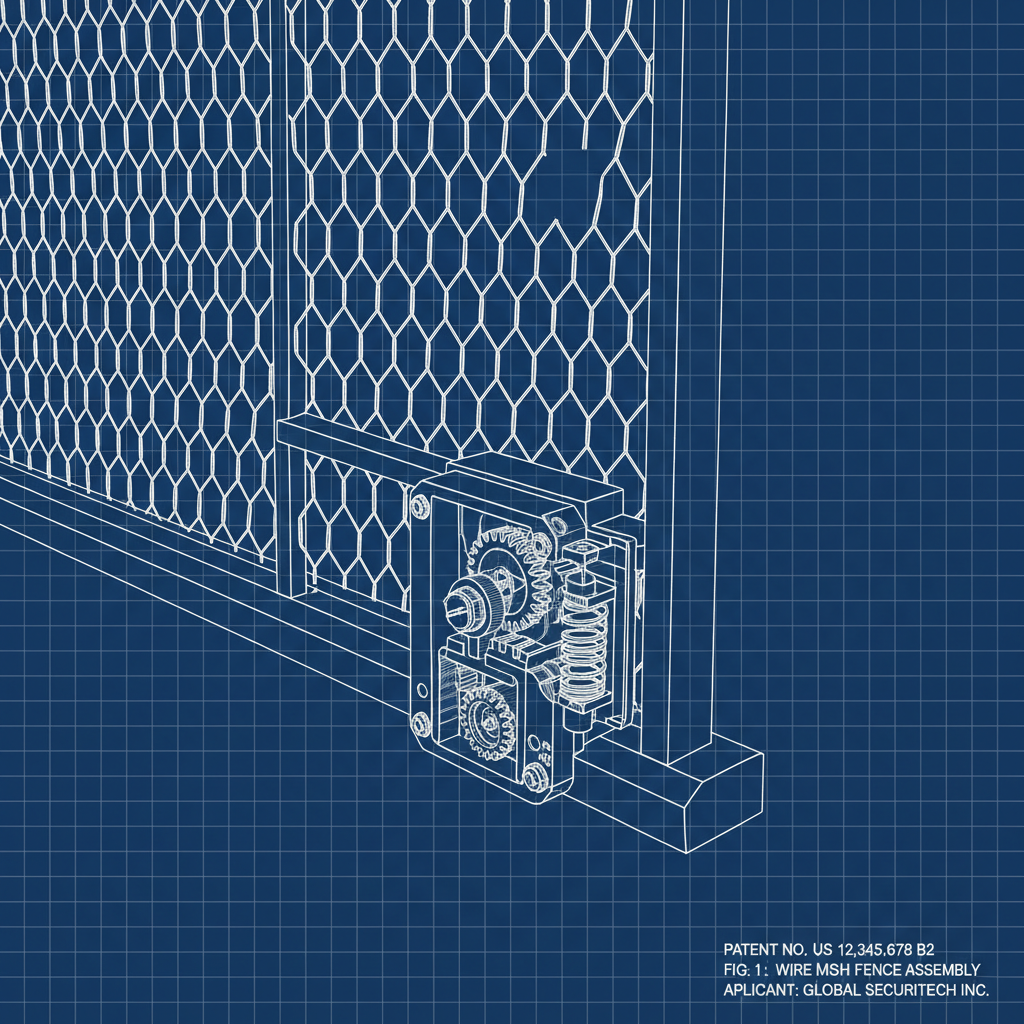
The fixings are important too. Bolts, nuts, washers…they need to be corrosion-resistant. And you need the right tools to tighten them properly. Don’t skimp on the torque wrench. I’ve seen too many fences start to fail because someone used a cheap wrench and didn’t get the bolts tight enough.
Then there’s the concrete. Like I said, aggregate quality is key. And you need to ensure proper curing. Too many guys rush that part.
Real-World Testing & Performance
Lab tests are fine, but they don’t tell the whole story. I’ve seen palisade fence pass all the lab tests and still buckle under heavy snow load. Real-world testing means putting it up in a harsh environment and letting it sit for a few years. And it means deliberately trying to break it. Seriously. We had a client who wanted a high-security fence for a data center. We had our guys try to climb it, cut through it, ram it with a vehicle. It held up surprisingly well.
We also test for corrosion resistance. We bury sections of the fence in different types of soil and leave them for a year. Then we dig them up and see how much rust has formed. It's not pretty, but it’s informative.
And you learn a lot just by talking to the guys who install it. They’re the ones who see what works and what doesn’t.
User Applications & Unexpected Uses
Obviously, security is the main application, but I’ve seen palisade fence used in some unexpected ways. Noise barriers along highways, for example. It’s surprisingly effective at reducing noise pollution. And I’ve seen it used as a windbreak in agricultural areas. Farmers like it because it’s strong and durable, and it doesn’t block the view.
I even saw one guy use it to create a retaining wall for his garden. It wasn’t the prettiest solution, but it worked. People are resourceful, you know? They'll find a way to use things for purposes they weren't originally intended for.
Palisade Fence Performance Metrics
Advantages & Disadvantages: A Pragmatic View
The biggest advantage? It’s tough. Seriously tough. It’s not easy to climb, it’s not easy to cut through, and it can withstand a lot of abuse. It's also relatively quick to install, especially compared to some other types of security fencing. But... it's not beautiful. Let’s be honest. It’s functional, but it’s not going to win any design awards.
And it can be expensive, especially if you need a high-security version with all the bells and whistles. It also requires regular maintenance to prevent rust. You’ve gotta keep an eye on it and touch up the paint when necessary. Otherwise, it'll start to look shabby pretty quickly.
Customization & Specific Cases
You can customize it quite a bit, actually. Height, panel design, color…you can get pretty creative. We had one client, a tech company in Silicon Valley, who wanted a palisade fence that looked like a circuit board. It was a crazy request, but we managed to pull it off. We used different colored panels and incorporated some geometric designs. It looked…unique.
We've also done a lot of work with adding integrated access control systems. Card readers, biometric scanners…you name it. That's becoming increasingly common, especially for high-security facilities.
Durability & Long-Term Reliability
Ultimately, a palisade fence is only as good as its installation. A poorly installed fence, no matter how high-quality the materials, is going to fail eventually. And the foundations…I keep coming back to the foundations. They’re the key.
We had a small boss in Shenzhen last month, making smart home devices. Insisted on switching the interface to to "future-proof" it. The result? Supply chain nightmares and a delayed launch. It’s the same with palisade fence. Don't overthink it. Focus on the basics: good materials, proper installation, and regular maintenance.
Anyway, I think, if you do those things, a palisade fence will give you decades of reliable service.
Palisade Fence Durability Factors
| Material Grade |
Corrosion Resistance |
Installation Quality |
Maintenance Frequency |
| High-Grade Steel |
Excellent (Galvanized/Powder Coated) |
Professional (Proper Foundations) |
Annual Inspection & Touch-Up |
| Medium-Grade Steel |
Good (Galvanized) |
Average (Some Foundation Issues) |
Bi-Annual Inspection & Touch-Up |
| Low-Grade Steel |
Poor (Prone to Rust) |
Poor (Inadequate Foundations) |
Frequent Maintenance Required |
| High-Grade Aluminum |
Excellent (Naturally Corrosion-Resistant) |
Professional (Lightweight Foundations) |
Minimal Maintenance |
| Recycled Steel |
Variable (Depends on Processing) |
Average (Requires Careful Inspection) |
Regular Inspection & Treatment |
| Stainless Steel |
Outstanding (Highly Corrosion-Resistant) |
Professional (Requires Specialized Welding) |
Virtually Maintenance-Free |
FAQS
If you really look after it – proper galvanization, regular painting, good foundations – you’re easily looking at 25, even 30 years. I’ve seen some older ones that are still standing strong after 40, but those are rare. It really comes down to the environment it’s in. Coastal areas are tough on anything metal, you know? Salt air eats away at everything. And of course, good installation is key, you can't skip any steps there.
It’s pretty effective, yeah. The pointed tops definitely deter most people. It's not impossible to climb, but it’s significantly harder than, say, a chain-link fence. You can also add extra security features, like barbed wire or anti-climb paint, but that gets expensive. We mostly advise clients that a good fence height, combined with a solid installation, is enough for most situations. No fence is completely impenetrable, let's be real.
Foundations, always foundations. People underestimate how much concrete you need. Also, getting the posts perfectly vertical is a pain. It's easy to be a little off, and that adds up over the length of the fence. And sometimes, the panels arrive damaged from the factory. It’s a hassle to deal with returns and replacements, especially when you’re on a tight schedule.
Absolutely. It requires a bit more planning and skill, though. You need to step the panels, following the contour of the ground. You can’t just run a straight line. Otherwise, you’ll end up with gaps underneath. It’s not a huge problem, but it’s something you need to think about during the design phase. You may need to use different post heights to achieve a clean look.
It’s generally more expensive than chain-link, but cheaper than some of the more high-end options, like wrought iron. You get what you pay for, though. Palisade fence offers a good balance of security and cost-effectiveness. The price will depend on the height, the gauge of the steel, and any extra features you add. And, of course, the cost of installation will vary depending on your location and the complexity of the job.
The main thing is to keep an eye out for rust. If you see any spots forming, touch them up with paint right away. Also, check the bolts and tighten them if necessary. And occasionally, you might need to trim any vegetation that’s growing up around the fence. It’s not a lot of work, but it’s important to stay on top of it to prevent bigger problems down the road.
Conclusion
So, all told, palisade fence isn’t flashy, but it’s a reliable workhorse. It’s been around for a reason. It provides good security, it’s relatively durable, and it’s customizable to fit a variety of needs. It’s not a silver bullet, but it’s a solid choice for a lot of applications.
Ultimately, whether this thing works or not, the worker will know the moment he tightens the screw. If it feels right, it’ll stand. And that's all that matters, isn’t it? If you're thinking about a palisade fence for your project, give us a shout at www.xzmetal.com. We can help you figure out what you need.