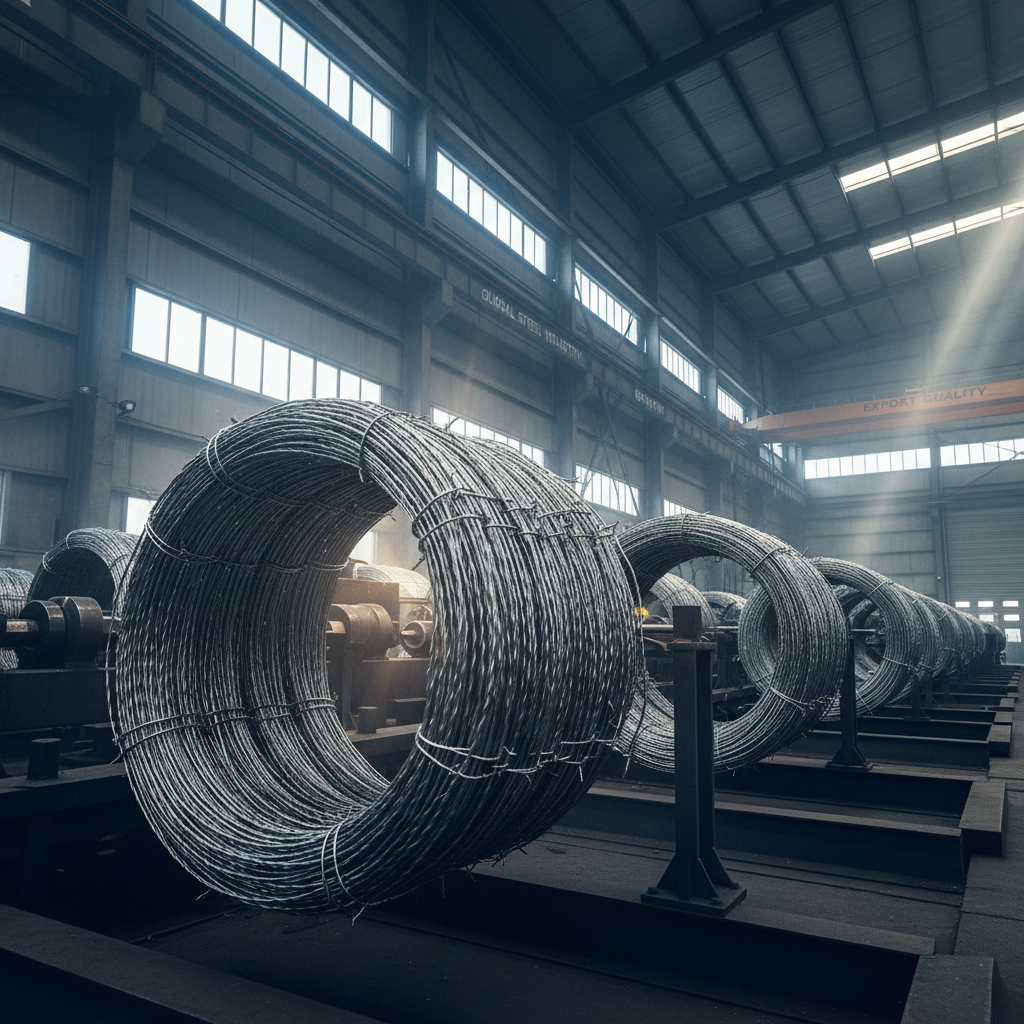
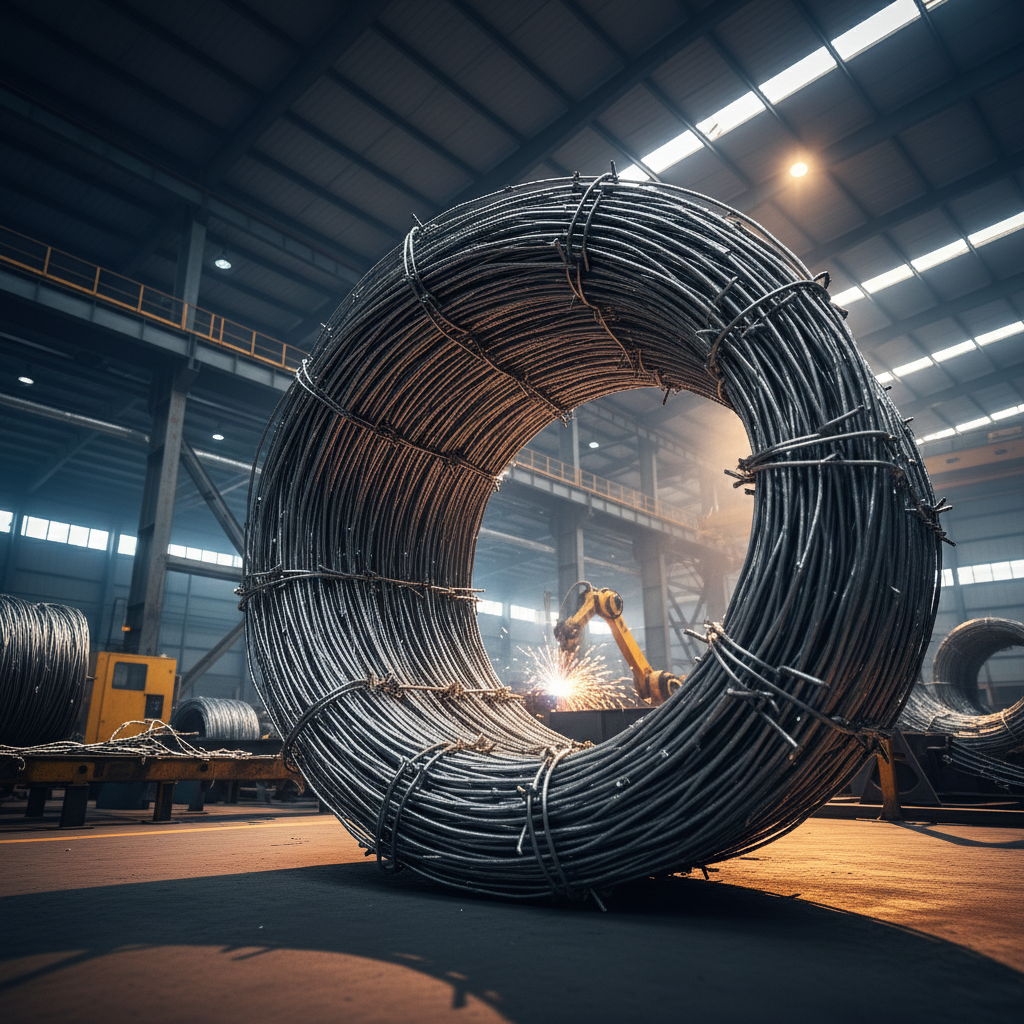
Barbed wire, a seemingly simple invention, plays a surprisingly crucial role in modern society. From agricultural fencing and security perimeters to its use in disaster relief and even wildlife management, barbed wire impacts countless aspects of life globally. Understanding its history, applications, and future innovations is essential for professionals in agriculture, security, construction, and humanitarian aid.
The global demand for barbed wire is consistently high, driven by factors like increasing population density, the need for enhanced security measures, and the expansion of agricultural lands. According to data from the UN, border security concerns alone contribute significantly to the demand, while the World Bank highlights the importance of secure land ownership, often facilitated by fencing like barbed wire, for economic development. This widespread use underscores its importance in addressing crucial societal needs.
Beyond its practical applications, barbed wire represents a complex intersection of innovation, security, and sometimes, unfortunately, conflict. Its accessibility and effectiveness have made it a readily available solution for a wide range of challenges, but also necessitate responsible use and consideration of ethical implications. A thorough understanding of barbed wire, therefore, extends beyond technical specifications to encompass its broader socio-political context.
The History and Evolution of Barbed Wire
The story of barbed wire is a fascinating example of how necessity breeds invention. While earlier forms of spiked fencing existed, it was Joseph Glidden’s 1874 patent for a wire with sharply angled barbs that truly revolutionized fencing. Prior to this, controlling livestock, especially on the vast American plains, was incredibly difficult and costly, leading to range wars and hindering agricultural expansion. Barbed wire provided a cost-effective and efficient solution, transforming the landscape of American ranching and agriculture.
Over time, barbed wire designs have evolved to address specific needs and improve performance. Different barb configurations, wire gauges, and coating materials have been developed to increase strength, durability, and resistance to corrosion. These advancements continue to shape the industry, ensuring that barbed wire remains a relevant and reliable solution for a wide array of applications.
Defining Barbed Wire and its Significance
At its core, barbed wire is a type of steel wire with sharp projections or barbs arranged along its length. These barbs serve as a deterrent to people and animals, making it an effective tool for perimeter security and livestock control. It’s generally manufactured from carbon steel wire, which is then twisted or woven with the barbs attached. The spacing and shape of these barbs are crucial in determining the wire’s effectiveness and suitability for specific applications.
The significance of barbed wire extends beyond simply containing livestock or securing a boundary. It’s been instrumental in shaping land ownership patterns, enabling agricultural intensification, and contributing to the development of modern infrastructure. Furthermore, its relatively low cost and ease of installation have made it accessible to a wide range of users, from large-scale agricultural operations to individual homeowners.
In the context of modern humanitarian needs, barbed wire also finds applications in creating secure zones in conflict areas or disaster relief camps. Although controversial, its ability to define boundaries and protect vulnerable populations makes it a pragmatic, though often debated, tool in emergency situations.
Core Components of Effective Barbed Wire Systems
Several key factors contribute to the overall effectiveness of a barbed wire system. Firstly, the wire gauge – the thickness of the wire – directly impacts its strength and resistance to cutting or breaking. Heavier gauges offer greater security but are also more expensive and difficult to install. Secondly, the type of barb – whether it’s a two-point, four-point, or other configuration – affects its deterrent capability and potential for injury.
Another critical component is the post spacing. Closer spacing provides a more continuous barrier, but requires more posts and increased installation costs. The optimal spacing depends on the terrain, the type of livestock being contained, and the level of security required. Finally, coating materials like galvanized zinc or epoxy provide corrosion resistance, extending the lifespan of the wire and reducing maintenance costs. The choice of coating is crucial, particularly in harsh environments.
Beyond the wire itself, the quality of anchors and tensioning systems is vital for maintaining the integrity of the fence. Properly installed and maintained tensioning systems ensure the wire remains taut, preventing sagging and increasing its effectiveness as a barrier. Regular inspections and repairs are essential for maximizing the long-term performance of any barbed wire system.
Global Applications and Diverse Use Cases
The applications of barbed wire are incredibly diverse and span numerous industries and regions. In agriculture, it remains the dominant fencing material for containing livestock, protecting crops from wildlife, and defining property boundaries, particularly in countries like the United States, Australia, and Argentina.
Security applications are equally widespread. Governments and private organizations utilize barbed wire for perimeter security around critical infrastructure, military installations, and correctional facilities. In regions with heightened security concerns, such as areas experiencing political instability or along international borders, barbed wire is frequently employed as a visible deterrent.
Beyond these primary applications, barbed wire is also used in erosion control, as a component in gabion baskets, and even in specialized applications like wildlife management – for example, guiding animal movement or protecting sensitive ecosystems. In post-disaster relief operations, it can be quickly deployed to create temporary security perimeters and establish order.
Barbed Wire Application Effectiveness
Advantages and Long-Term Value Proposition
The enduring popularity of barbed wire stems from its compelling combination of cost-effectiveness, durability, and ease of installation. Compared to alternative fencing materials like chain-link or concrete walls, barbed wire represents a significantly lower upfront investment, making it accessible to a wider range of users. Furthermore, its relatively simple installation process reduces labor costs and minimizes construction time.
From a long-term perspective, properly maintained barbed wire systems offer exceptional longevity. Galvanized or epoxy-coated wire can withstand decades of exposure to harsh weather conditions, reducing the need for frequent repairs or replacements. This durability translates into significant cost savings over the lifespan of the fence, making it a financially sound investment.
Future Trends and Technological Innovations
While the fundamental concept of barbed wire remains unchanged, several innovations are emerging to enhance its performance and address evolving needs. These include the development of high-tensile wire with increased strength and reduced stretch, as well as improved coating technologies that offer superior corrosion resistance. Smart fencing systems, incorporating sensors and alarms, are also gaining traction, providing enhanced security and real-time monitoring capabilities.
Sustainability is another key area of focus. Manufacturers are exploring the use of recycled materials in the production of barbed wire and developing more environmentally friendly coating processes. Furthermore, research into biodegradable barbed wire alternatives is underway, although widespread adoption remains a challenge due to cost and performance considerations.
Challenges and Sustainable Solutions in Barbed Wire Use
Despite its benefits, the use of barbed wire isn’t without its challenges. Potential for injury to humans and animals is a significant concern, necessitating careful installation and responsible use. Ethical considerations surrounding its use in border control and detention facilities also warrant attention. Furthermore, disposal of old or damaged barbed wire can pose environmental challenges due to its metallic content.
Addressing these challenges requires a multi-faceted approach. Improved safety training for installers, the use of alternative fencing materials in sensitive areas, and the implementation of responsible recycling programs can mitigate the negative impacts of barbed wire. Exploring biodegradable alternatives and investing in research and development of more sustainable materials are also crucial steps towards a more environmentally friendly future.
Implementing stricter regulations and guidelines regarding the installation and use of barbed wire, coupled with increased public awareness of its potential risks, can contribute to a more responsible and ethical approach to this ubiquitous material.
Summary of Key Challenges and Sustainable Solutions in Barbed Wire Use
| Challenge Area |
Severity of Impact |
Current Mitigation Strategies |
Potential Future Solutions |
| Injury Risk |
High |
Safety training, warning signs |
Blunt-tipped barb designs |
| Environmental Impact (Disposal) |
Medium |
Scrap metal recycling |
Biodegradable wire alternatives |
| Ethical Concerns (Border Control) |
High |
International guidelines, human rights monitoring |
Alternative non-lethal perimeter security systems |
| Corrosion and Longevity |
Medium |
Galvanized and epoxy coatings |
Advanced anti-corrosion materials |
| Wildlife Entanglement |
Medium |
Higher wire spacing, smooth wire tops |
Wildlife-friendly fencing designs |
| Security Breaches |
High |
Regular inspections, strong post systems |
Integrated sensor and alarm systems |
FAQS
The lifespan of a barbed wire fence depends heavily on the quality of the wire, the coating used, and the environmental conditions. Generally, a properly installed and maintained galvanized steel barbed wire fence can last anywhere from 20 to 30 years, or even longer. Epoxy-coated wire offers increased corrosion resistance and can extend the lifespan to 40 years or more. Regular inspections and prompt repairs are crucial for maximizing longevity. Harsh environments with high humidity, salinity, or industrial pollution will shorten the lifespan.
The gauge, or thickness, of barbed wire directly impacts its resistance to cutting and breaking. Lower gauge wire is thinner and easier to cut, offering less security. Higher gauge wire is thicker and more difficult to penetrate, providing a stronger barrier. For high-security applications, 12.5 gauge or even 11.5 gauge wire is recommended. For general-purpose fencing, 14.5 or 15.5 gauge wire may suffice. Consider the specific security needs and potential threats when selecting the appropriate gauge.
Both galvanized and epoxy-coated barbed wire offer corrosion resistance, but they differ in their application process and level of protection. Galvanizing involves coating the steel wire with a layer of zinc, which protects it from rust. Epoxy coating applies a layer of polymer over the galvanized wire, providing an additional barrier against corrosion and extending the lifespan of the fence. Epoxy-coated wire is generally more expensive but offers superior protection, particularly in harsh environments.
The legality of barbed wire use varies depending on local regulations and zoning laws. Some municipalities may have restrictions on the height, placement, or type of barbed wire fencing allowed, particularly in residential areas. It’s crucial to check with local authorities and homeowners associations before installing barbed wire to ensure compliance with all applicable laws and regulations. Restrictions often relate to visibility, safety, and potential liability concerns.
Safe installation requires wearing appropriate personal protective equipment (PPE), including gloves, safety glasses, and sturdy footwear. Use proper tools and techniques to avoid injuries. Ensure the posts are securely anchored in the ground and that the wire is properly tensioned. Be mindful of the barbs and avoid direct contact. Clear the area around the fence of debris and potential hazards. Follow all manufacturer’s instructions and local safety guidelines.
Yes, barbed wire is recyclable as scrap metal. Steel is a valuable commodity and can be recovered and reused in various applications. However, removing the barbs from the wire can be challenging and may require specialized equipment. Contact local scrap metal recycling facilities to inquire about their policies and procedures for accepting barbed wire. Proper recycling helps to reduce waste and conserve natural resources.
Conclusion
Barbed wire, despite its seemingly simple construction, remains a remarkably versatile and essential material in numerous sectors worldwide. From its historical role in shaping agriculture and land ownership to its continued use in security, containment, and even emergency response, its impact is undeniable. Understanding its core components, diverse applications, and evolving innovations is crucial for anyone involved in related industries or seeking effective solutions for perimeter security and livestock management.
Looking ahead, the future of barbed wire lies in sustainable practices and technological advancements. Developing biodegradable alternatives, improving corrosion resistance, and integrating smart technology will not only enhance its performance but also address ethical and environmental concerns. By embracing innovation and responsible use, we can ensure that barbed wire continues to serve as a valuable tool for decades to come. Visit our website at www.xzmetal.com to learn more about our barbed wire products and solutions.