Welded wire mesh is a versatile and essential material in modern construction, agriculture, and security applications. Its inherent strength, coupled with its relatively low cost, makes it a cornerstone in numerous industries globally. From reinforcing concrete structures to creating secure enclosures for livestock, welded wire mesh provides reliable and efficient solutions to a wide range of challenges. Understanding its properties and applications is crucial for professionals and anyone involved in infrastructure development and safety.
The global demand for welded wire mesh is continually increasing, driven by rapid urbanization, infrastructure growth in developing nations, and a heightened focus on security measures. According to industry reports, the market is projected to experience substantial growth in the coming years, fueled by innovations in manufacturing processes and the development of new applications. This underscores the importance of exploring the potential of this material and staying abreast of the latest advancements in its production and usage.
Ultimately, the success and accessibility of welded wire mesh rest on its ability to provide cost-effective, durable, and adaptable solutions. Its wide-ranging use underscores its significance in addressing global needs, from ensuring structural integrity in buildings to protecting valuable assets.
Introduction to Welded Wire Mesh
Welded wire mesh has become indispensable across a multitude of sectors, providing a robust and economical solution for a vast array of applications. Its design, where wires are perpendicularly joined at points and then welded together, creates a strong and rigid structure.
The simplicity of its manufacturing process, alongside its ability to be customized to specific needs, has propelled welded wire mesh to a position of prominence in industries ranging from construction and agriculture to security and even artistic endeavors. Its adaptability and strength are key factors in its widespread adoption.
Defining Welded Wire Mesh
Welded wire mesh is a type of wire fabric created by welding wires together at their points of intersection. This process forms a series of squares or rectangles, resulting in a durable and structurally sound panel. The wire itself can be made from various materials, including carbon steel, stainless steel, and galvanized steel, depending on the intended application and environmental conditions.
In essence, welded wire mesh represents a bridge between simple wire components and complex structural applications. It provides a readily available, cost-effective alternative to more elaborate fabrication methods. Its ability to provide both strength and permeability makes it ideal for a wide range of uses.
The accessibility and versatility of welded wire mesh contribute to its relevance in addressing both modern industrial challenges and urgent humanitarian needs, providing foundational components for shelter, security, and infrastructure.
Core Properties of Welded Wire Mesh
One of the fundamental properties of welded wire mesh is its Durability. The welded junctions create a strong and stable structure, capable of withstanding significant stress and strain. This inherent robustness makes it suitable for applications requiring long-term performance and resistance to wear and tear.
Another crucial factor is its Scalability. Welded wire mesh can be manufactured in a wide range of sizes and configurations, allowing for customization to meet specific project requirements. From small-scale enclosures to large-area fencing, its adaptability makes it a practical choice for diverse applications.
Furthermore, its Cost-Efficiency is a significant advantage. Compared to other materials offering similar strength and durability, welded wire mesh is often a more economical option, making it accessible to a broader range of users and projects. Finally, the material's Versatility, being formable and cuttable, allows easy adaptation to complex shapes.
Practical Applications of Welded Wire Mesh
Welded wire mesh finds extensive use in the construction industry as reinforcement for concrete structures. It enhances the tensile strength of concrete, preventing cracking and improving overall structural integrity. This is especially critical in foundations, walls, and floors.
In agriculture, welded wire mesh is employed to create fencing for livestock, protecting animals and preventing escapes. It’s also used for poultry enclosures, safeguarding birds from predators while allowing adequate ventilation.
Comparison of Welded Wire Mesh Applications
Global Usage and Industries Benefiting from Welded Wire Mesh
Welded wire mesh sees extensive adoption in North America for construction projects, fencing, and security applications. In Europe, its use is prominent in infrastructure development and agricultural sectors. Developing countries in Asia and Africa often utilize welded wire mesh for affordable housing solutions and disaster relief shelters.
Industries benefiting significantly include construction, agriculture, security, manufacturing, and even environmental protection. For instance, in post-disaster relief operations, welded wire mesh can be rapidly deployed to create temporary shelters and secure perimeter fencing.
Furthermore, in remote industrial zones, it’s crucial for securing valuable equipment and materials, protecting against theft and vandalism. The material's adaptability makes it a valuable asset across numerous contexts, facilitating both progress and safety.
Advantages and Long-Term Value
The economic benefits of using welded wire mesh are substantial. Its relatively low cost compared to other structural materials allows for significant savings in project budgets. It also exhibits long-term durability, reducing the need for frequent replacements, which contributes to a lower lifecycle cost.
From a sustainability standpoint, the recyclability of steel welded wire mesh minimizes its environmental impact. Furthermore, its use in strengthening concrete structures reduces the overall material consumption required for construction, contributing to a more sustainable building process.
Future Trends and Innovation
Innovations in coating technologies are enhancing the corrosion resistance of welded wire mesh, extending its lifespan in harsh environments. Research into high-strength steel alloys is leading to the development of lighter and more durable mesh products. The use of automation in manufacturing processes is also increasing efficiency and reducing production costs.
Furthermore, the integration of welded wire mesh with smart technologies, such as embedded sensors for structural health monitoring, is emerging as a promising trend. These advancements will likely expand the applications of welded wire mesh into new areas, including smart infrastructure and predictive maintenance.
The incorporation of green energy principles, such as using recycled materials and optimizing manufacturing processes for reduced energy consumption, is also gaining traction, reflecting a commitment to sustainability within the industry.
Challenges and Solutions
A common challenge with welded wire mesh is its susceptibility to corrosion, especially in marine or highly humid environments. However, solutions like galvanization, PVC coating, and stainless steel alloys significantly mitigate this issue. The selection of appropriate materials is crucial for long-term performance.
Another challenge is the potential for weld failure under extreme stress. Advancements in welding techniques and quality control measures are addressing this concern, ensuring stronger and more reliable welds. Regular inspections and maintenance can also help identify and address potential weaknesses before they escalate.
Finally, transportation and handling of large welded wire mesh panels can be cumbersome. Improved packaging and logistics solutions are streamlining this process, reducing damage during transit and simplifying installation.
Summary of Challenges & Solutions for Welded Wire Mesh
| Challenge |
Impact |
Solution |
Cost of Implementation |
| Corrosion |
Reduced lifespan, structural integrity |
Galvanization, PVC coating, Stainless steel |
Low to Medium |
| Weld Failure |
Loss of structural strength |
Improved welding techniques, Quality control |
Medium |
| Handling & Transport |
Damage during transport |
Improved Packaging, Logistics |
Low |
| Material Costs |
High initial project expense |
Sourcing alternative materials, Value engineering |
Variable |
| Installation Complexity |
Time-consuming, requires skilled labor |
Pre-fabricated panels, Simplified installation guides |
Low to Medium |
| Environmental Impact |
Carbon footprint, Waste generation |
Recycled materials, Sustainable manufacturing |
Medium |
FAQS
The most common coatings include galvanization (zinc coating), PVC coating (polyvinyl chloride), and epoxy coating. Galvanization provides a sacrificial layer of zinc, protecting the steel underneath. PVC coating creates a durable, waterproof barrier. Epoxy coatings offer excellent chemical resistance and adhesion. The choice of coating depends on the intended environment and application, with costs varying accordingly.
Selecting the right wire gauge depends on the load-bearing requirements and the intended use. Heavier loads or applications requiring greater security necessitate thicker (lower gauge) wire. Consulting with a structural engineer or a welded wire mesh supplier can provide expert guidance, ensuring the chosen gauge meets safety standards and project specifications.
Welded wire mesh, particularly when made from recycled steel, offers several environmental advantages. It requires less energy to produce than materials like concrete or wood. Its durability minimizes the need for frequent replacements, reducing waste. Additionally, the recyclability of steel at the end of its life cycle contributes to a circular economy.
Welded wire mesh can be used in saltwater environments, but requires specific precautions. Stainless steel 304 or 316 grade is highly recommended due to its superior corrosion resistance. Galvanization alone is insufficient in such harsh conditions. Regularly rinsing the mesh with fresh water can also help prolong its lifespan.
Lifespan varies widely based on environmental factors and coating type. In general, galvanized welded wire mesh lasts 10-20 years in moderate climates. Stainless steel can last 50+ years. PVC-coated mesh can last 20-30 years, while epoxy-coated mesh offers similar longevity. Proper installation and maintenance significantly extend lifespan.
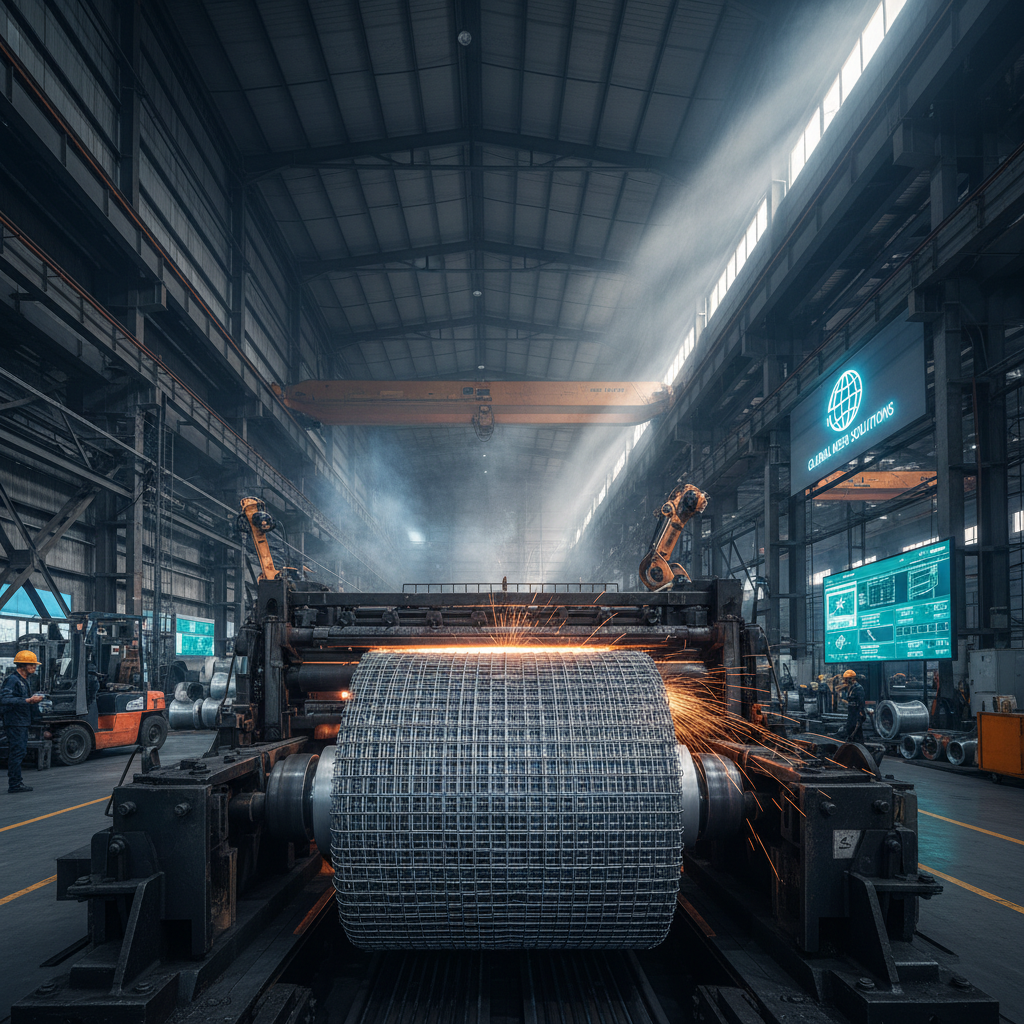
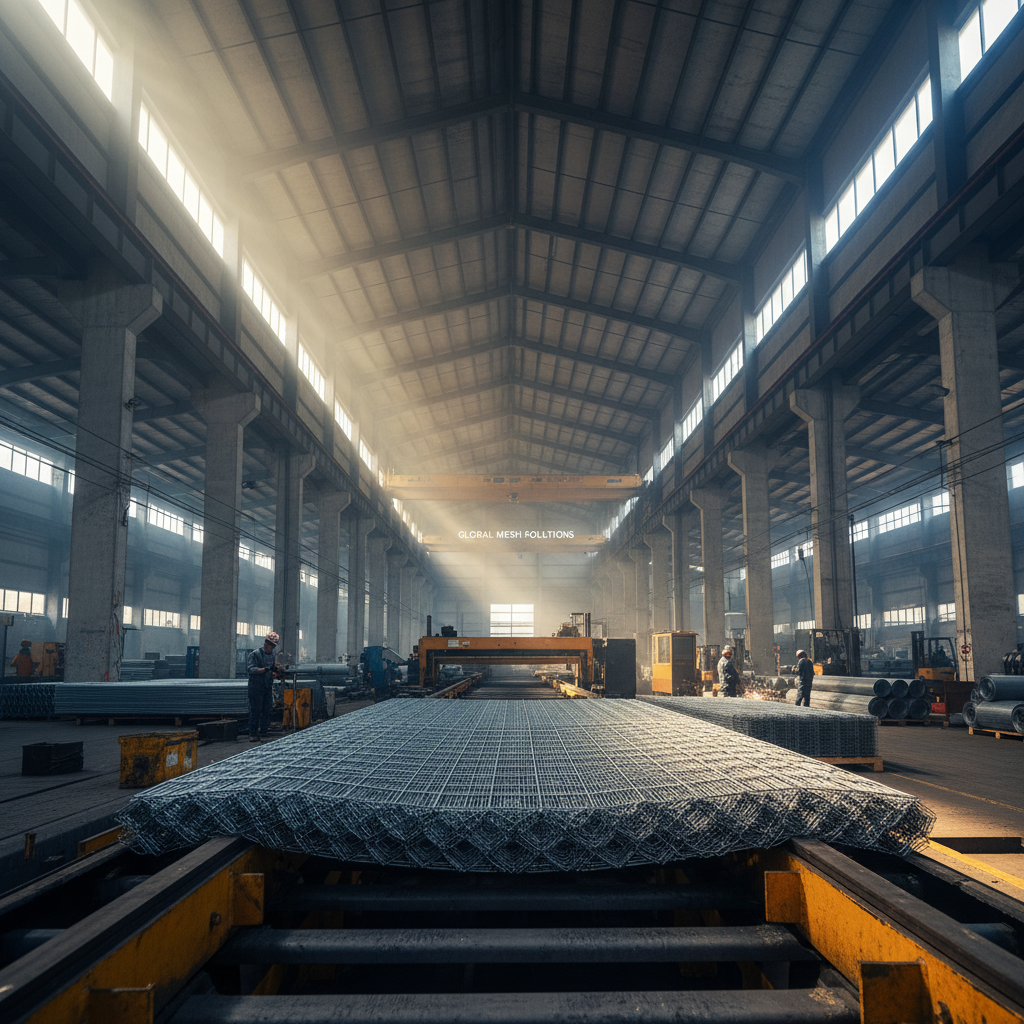
Welded wire mesh is manufactured by arranging wires in a grid pattern and then welding them together at each intersection using electrical resistance welding. Quality control measures include checking wire diameter, mesh opening size, weld strength, and coating thickness. Reputable manufacturers adhere to industry standards like ISO 9001 to ensure consistent product quality.
Conclusion
In conclusion, welded wire mesh stands as a remarkably versatile and essential material in modern society. Its inherent strength, scalability, cost-effectiveness, and adaptability have cemented its position across diverse industries, from construction and agriculture to security and environmental protection. Understanding its properties, applications, and future trends is vital for professionals and stakeholders alike.
Looking ahead, continued innovation in materials science, manufacturing techniques, and sustainable practices will further enhance the value and applicability of welded wire mesh. By embracing these advancements and addressing existing challenges, we can unlock its full potential to create a more resilient, sustainable, and secure future. For further information and quality welded wire mesh solutions, visit our website: www.xzmetal.com.