Wire mesh, a seemingly simple construct, plays a crucial role in a surprisingly diverse range of applications globally. From reinforcing concrete structures to providing security barriers, and even filtering water, its adaptability and affordability make it indispensable in modern infrastructure and numerous industries. Understanding its properties and applications is essential for engineers, architects, manufacturers, and anyone involved in building and maintaining the world around us.
The global demand for wire mesh is steadily increasing, driven by rapid urbanization, infrastructure development in emerging economies, and a growing focus on safety and security. According to market research reports, the wire mesh market is projected to reach significant growth in the coming years, presenting opportunities for innovation and efficiency. Addressing challenges such as corrosion resistance, material sustainability, and cost optimization will be key to unlocking its full potential.
This versatile material provides foundational support for countless advancements. From agricultural applications like animal enclosures and crop protection, to industrial sectors utilizing it in filtration and separation processes, wire mesh empowers innovation and efficiency. Its widespread use underscores its critical importance in a myriad of contexts, improving safety, enhancing productivity, and facilitating progress on a global scale.
The Significance of wire mesh
Wire mesh is far more than a simple construction material. It underpins critical aspects of modern life, influencing everything from infrastructure resilience to public safety. Its role in reinforcing structures prevents catastrophic failures, while its use in filtration systems safeguards water quality and public health.
The widespread adoption of wire mesh reflects its unique combination of affordability, versatility, and durability. As global populations grow and infrastructure demands intensify, the significance of this material continues to expand. Its adaptability allows for innovative solutions across a broad spectrum of industries, making it a cornerstone of modern development.
Defining Wire Mesh
Wire mesh is essentially a network of interwoven wires, typically made from metals like steel, stainless steel, aluminum, or copper. It's created through processes like weaving, welding, or crimping, resulting in a material characterized by its open structure and inherent strength. The specific type of wire and the method of construction determine its properties and suitability for different applications.
Its connection to modern industry is profound. Wire mesh is a fundamental component in countless manufacturing processes, used for everything from filtering liquids and gases to reinforcing composite materials. It’s also crucial in addressing humanitarian needs, particularly in situations requiring rapid deployment of shelters, sanitation solutions, and protective barriers.
The seemingly simple concept of interconnected wires belies its complex functionality. The open spaces within the mesh allow for airflow, passage of liquids, or visibility, while the interwoven structure provides strength, support, and containment. This unique combination of properties makes it incredibly versatile and adaptable to diverse challenges.
Core Characteristics of wire mesh
One of the most defining features of wire mesh is its permeability. The open spaces between the wires allow for the passage of air, water, or other materials, making it ideal for filtration, ventilation, and screening applications. This permeability can be precisely controlled by adjusting the wire diameter and mesh spacing.
Durability is another critical characteristic. Depending on the material used and the manufacturing process, wire mesh can withstand significant stress, corrosion, and environmental exposure. Stainless steel wire mesh, for example, offers exceptional corrosion resistance, making it suitable for harsh environments.
Flexibility is a key advantage. Many types of wire mesh can be easily cut, formed, and shaped to fit specific applications. This adaptability allows for creative design solutions and efficient installation. The pliability makes it easy to work with, reducing labor costs and project timelines.
Key Benefits and Attributes
Wire mesh offers exceptional strength-to-weight ratio. Compared to solid materials, it provides comparable structural support with significantly less weight, making it ideal for applications where weight reduction is crucial. This characteristic is particularly important in aerospace, automotive, and construction industries.
Cost-effectiveness is a significant advantage. Wire mesh is generally less expensive than many alternative materials, particularly those with similar strength and durability. This affordability makes it accessible for a wider range of projects and budgets.
Comparison of wire mesh Properties by Method
Diverse Applications of wire mesh
In construction, wire mesh is crucial for reinforcing concrete, creating stronger and more durable structures. It’s used in foundations, walls, and floors to prevent cracking and improve overall stability. From skyscrapers to residential buildings, it's a ubiquitous component of modern infrastructure.
The agricultural sector relies on wire mesh for fencing, animal enclosures, and crop protection. It safeguards livestock, prevents pests from damaging crops, and creates secure boundaries. In remote areas, it provides a cost-effective and reliable solution for farm management.
Long-Term Value and Advantages
Investing in wire mesh solutions translates to long-term cost savings. Its durability reduces the need for frequent replacements, lowering maintenance expenses. This longevity makes it a sustainable choice for projects with extended lifecycles.
Beyond economic benefits, wire mesh contributes to societal well-being. Its use in safety barriers and protective enclosures enhances public safety and security. In filtration systems, it safeguards water quality, promoting public health. This dual benefit – economic viability and social responsibility – underscores its enduring value.
The reliability of wire mesh is a significant advantage. It consistently performs as expected, providing predictable outcomes and reducing the risk of unexpected failures. This dependability is crucial in applications where structural integrity and safety are paramount.
Future Trends in wire mesh Technology
Research into new materials and coatings is expanding the capabilities of wire mesh. Innovations in polymer coatings, for example, enhance corrosion resistance and extend the lifespan of the material. Development of self-healing wire mesh is also underway, aiming to address damage automatically.
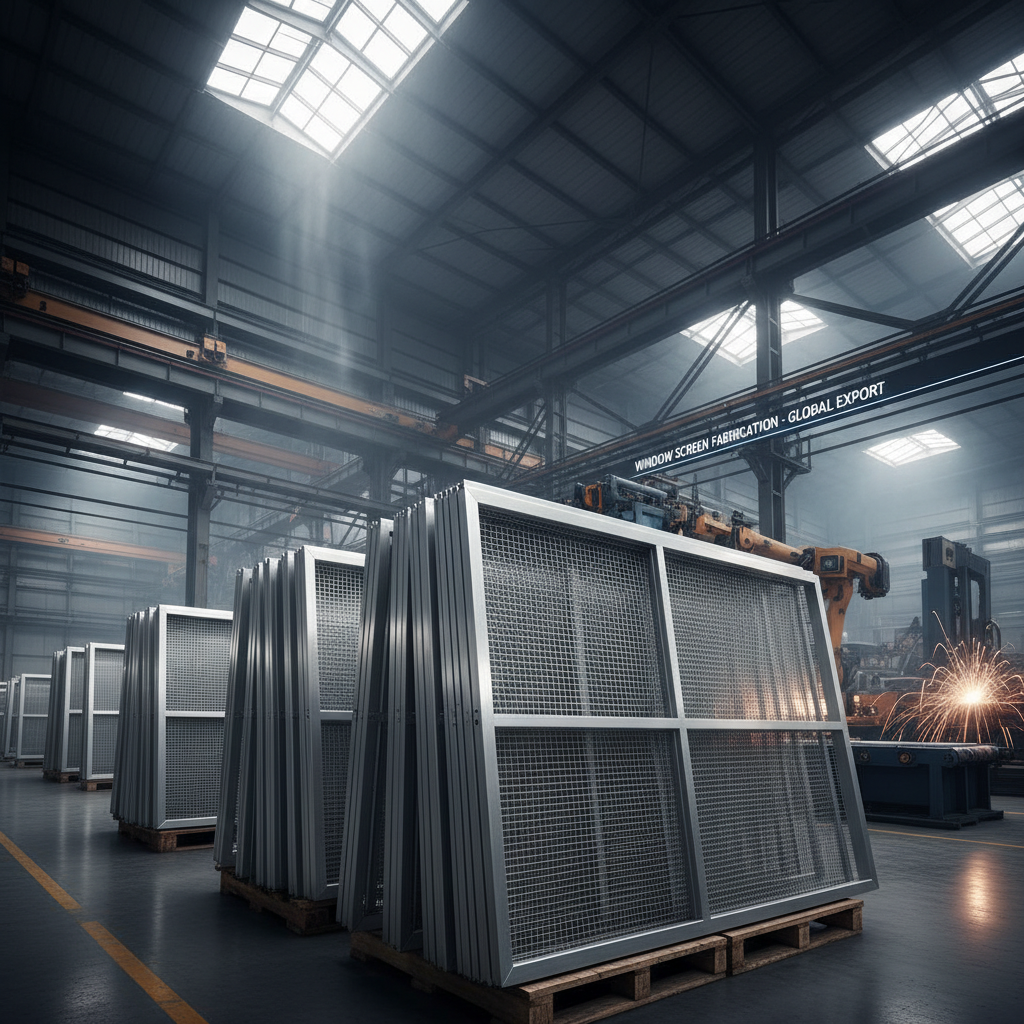
Automation is streamlining the manufacturing process, increasing efficiency and reducing production costs. Robotic welding and weaving technologies are enabling the creation of more complex and precise wire mesh structures.
Sustainability is becoming a key focus. Recycled materials and eco-friendly manufacturing processes are gaining prominence. Wire mesh made from recycled metals reduces environmental impact and supports circular economy principles.
Summary of Key Trends in wire mesh Manufacturing and Application
| Material Innovation |
Manufacturing Techniques |
Sustainability Practices |
Application Focus |
| Development of high-strength alloys |
Automated welding processes |
Increased use of recycled metals |
Smart agriculture |
| Advanced polymer coatings |
Precision weaving technologies |
Eco-friendly manufacturing processes |
Green infrastructure |
| Self-healing wire mesh materials |
Robotic mesh forming |
Reduced waste generation |
Water purification |
| Corrosion-resistant composites |
3D printing of wire mesh structures |
Life cycle assessment of materials |
Renewable energy |
| Lightweight metal matrix composites |
AI-powered quality control |
Closed-loop material systems |
Sustainable packaging |
| Bio-compatible wire mesh |
Digital twin modeling of manufacturing |
Responsible sourcing of raw materials |
Biomedical applications |
FAQS
The cost of wire mesh is influenced by several key factors, including the type of material used (stainless steel being more expensive than galvanized steel), the wire diameter, the mesh size (aperture), the manufacturing process, and the quantity ordered. Labor costs and transportation expenses also contribute to the overall price. Custom orders or specialized mesh configurations will generally incur higher costs than standard products.
Selecting the appropriate wire mesh requires careful consideration of the application's requirements. Key factors to assess include the load-bearing capacity, the desired level of filtration or permeability, the environmental conditions (corrosion resistance), and any specific regulatory standards. Considering material, mesh size, wire diameter, and weave type are crucial steps in making the correct choice.
Woven wire mesh is created by interlacing wires in a pattern, resulting in a flexible and tightly-knit structure. Welded wire mesh, on the other hand, is formed by joining wires at their intersections using welding techniques. Welded mesh is generally more rigid and offers higher strength, while woven mesh is more adaptable and offers better drape. The choice depends on the application’s specific demands.
Corrosion protection can be achieved through various methods. Galvanizing (coating with zinc) is a common and effective technique for steel wire mesh. Stainless steel offers inherent corrosion resistance. Applying protective coatings like epoxy or vinyl can also enhance resistance. Selecting a material appropriate for the environment is also a crucial step in preventing corrosion.
Yes, many types of wire mesh are highly recyclable, particularly those made from steel and aluminum. Recycling wire mesh conserves resources, reduces landfill waste, and minimizes environmental impact. It's essential to separate different metal types for efficient recycling. Contacting local recycling facilities can provide guidance on proper disposal procedures.
Emerging applications of wire mesh include 3D printed metal structures, biomedical implants (scaffolds for tissue regeneration), sensors, and advanced filtration systems. Its use in architectural facades for shading and aesthetics is also increasing. Researchers are exploring self-healing wire mesh for increased durability and longevity in demanding environments.
Conclusion
Wire mesh, a deceptively simple material, has proven to be an invaluable asset across a diverse spectrum of industries and applications. Its unique combination of strength, flexibility, permeability, and cost-effectiveness makes it an essential component in everything from construction and agriculture to filtration and security. Understanding its properties and continually exploring new applications will be crucial as we tackle increasingly complex global challenges.
Looking ahead, innovation in materials, manufacturing processes, and sustainability practices will further enhance the value of wire mesh. By embracing new technologies and prioritizing environmentally responsible solutions, we can unlock its full potential and pave the way for a more resilient, efficient, and sustainable future. For more information on our extensive range of wire mesh products, visit our website today.