Wire mesh fence solutions are becoming increasingly vital across a diverse range of applications, from securing perimeters and providing animal containment to acting as critical components in disaster relief and infrastructure projects. Their inherent versatility, combined with cost-effectiveness and relative ease of installation, has positioned them as a preferred choice for both short-term and long-term fencing needs globally. Understanding the nuances of different wire mesh fence types and their specific applications is crucial for optimal performance and longevity.
The global demand for wire mesh fence is directly linked to factors like population growth, increasing security concerns, and a greater emphasis on infrastructure development, especially in emerging economies. According to industry reports, the market is projected to continue expanding, driven by innovations in materials and manufacturing processes. This growth underscores the importance of sustainable and reliable fencing solutions, particularly in regions prone to natural disasters or geopolitical instability.
At its core, wire mesh fence represents a practical and scalable solution for boundary definition and protection. It addresses fundamental needs relating to security, safety, and property demarcation, making it a staple in a wide array of sectors. Beyond simple containment, modern wire mesh fences are designed to withstand harsh environmental conditions and provide robust defense against unauthorized access.
Introduction to wire mesh fence
Wire mesh fence, in its various forms, serves as a foundational element in securing properties, managing livestock, and contributing to public safety. Its adaptability makes it a preferred choice over more rigid or expensive fencing alternatives. The materials used, ranging from galvanized steel to stainless steel and even plastic-coated options, determine the fence’s longevity, corrosion resistance, and aesthetic appeal.
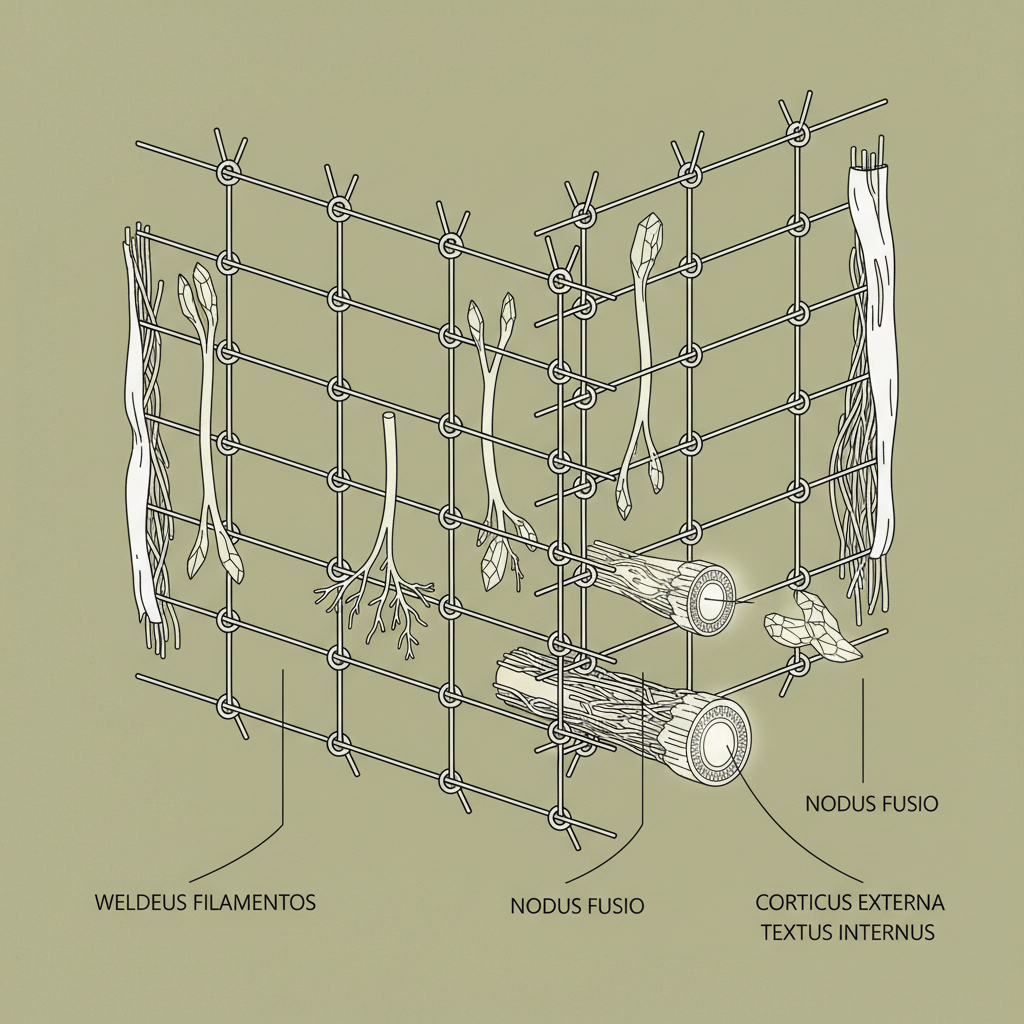
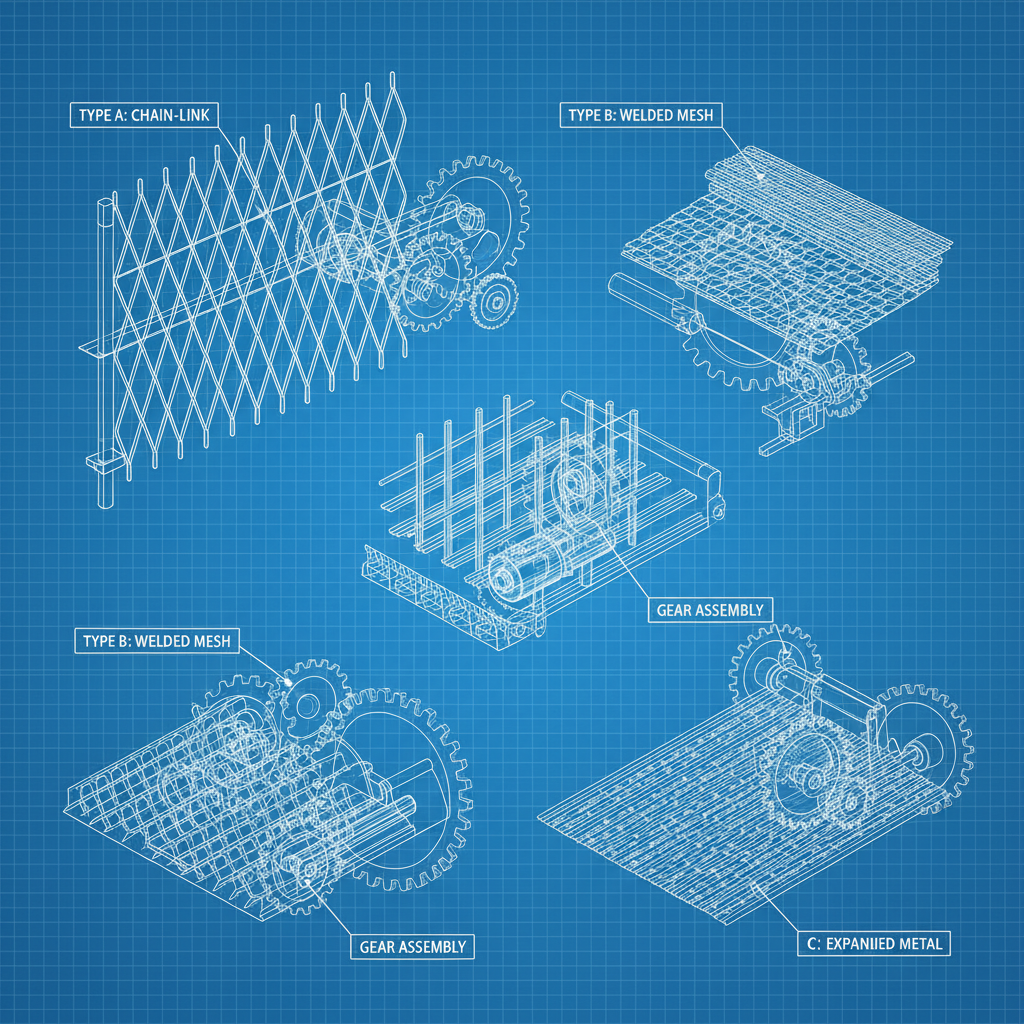
Understanding the different weave patterns – such as hexagonal, square, and welded – is crucial when selecting the right wire mesh fence for a specific application. Each weave offers a unique balance of strength, flexibility, and cost, catering to diverse requirements from agricultural fencing to high-security perimeter control.
Defining Wire Mesh Fence
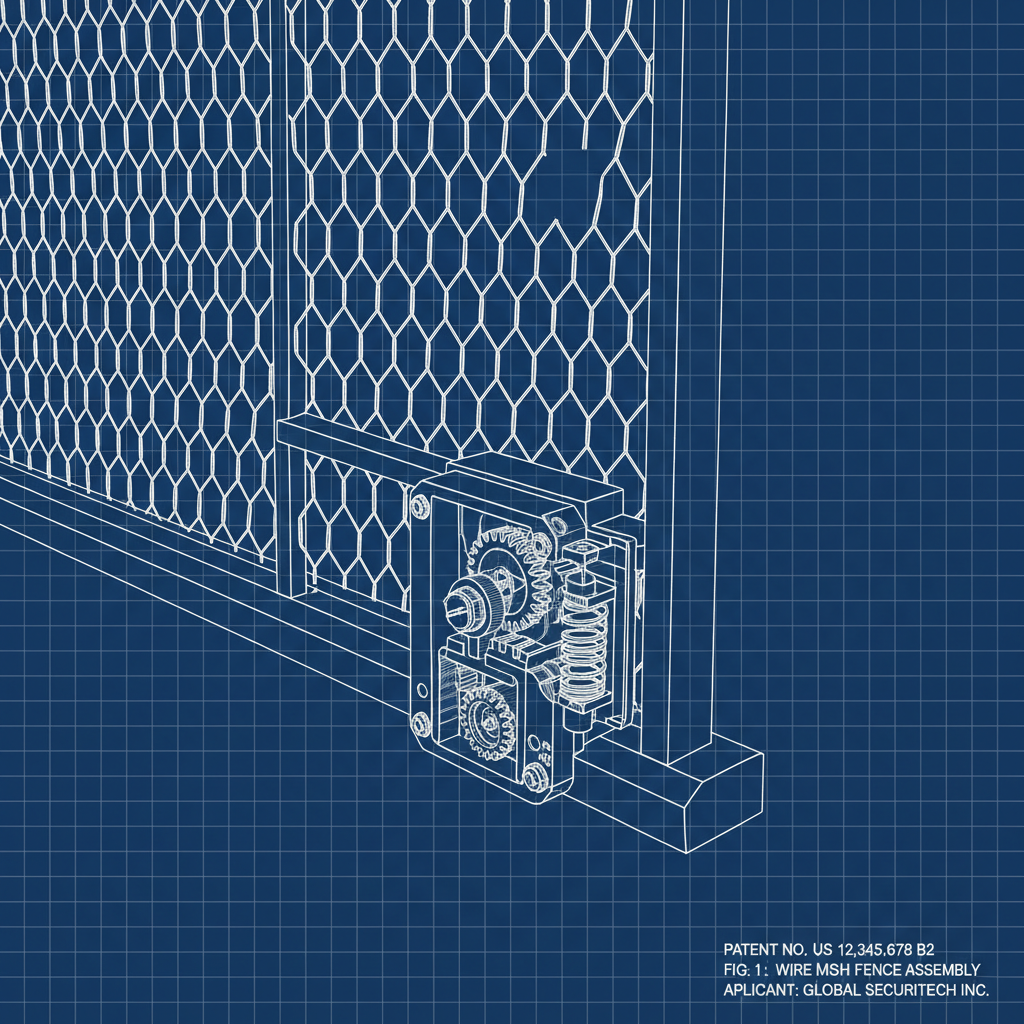
Wire mesh fence is a versatile barrier constructed from woven or welded metal wires, creating a network of openings. This construction method provides a balance of strength, visibility, and airflow, making it suitable for a wide range of applications. It differs significantly from solid fences, offering a degree of transparency that can be beneficial for security monitoring and aesthetic considerations.
The concept of wire mesh fencing evolved from the need for cost-effective and easily deployable barriers. Initially used primarily in agricultural settings for animal containment, its applications quickly expanded to encompass security fencing, industrial enclosures, and even architectural elements. Today, it's an integral part of modern infrastructure.
Its connection to modern humanitarian needs is particularly evident in disaster relief efforts, where wire mesh fence is used for establishing temporary shelters, creating secure perimeters for aid distribution, and controlling access to affected areas. The speed and ease of installation are paramount in these emergency situations.
Key Characteristics of wire mesh fence
Durability is a cornerstone of effective wire mesh fence construction. The choice of materials – galvanized steel, stainless steel, or PVC-coated wire – directly influences resistance to corrosion, weathering, and physical damage. Properly installed and maintained wire mesh fence can withstand decades of exposure to harsh environmental conditions.
Scalability refers to the ease with which wire mesh fence can be adapted to various terrain configurations and project sizes. Its flexible nature allows it to follow contours, navigate obstacles, and cover large areas efficiently. The modular design simplifies installation and enables incremental expansion as needed.
Cost-efficiency is a significant advantage of wire mesh fence compared to more substantial fencing materials like concrete or brick. The lower material costs, coupled with relatively simple installation procedures, result in substantial savings, making it an attractive option for projects with budgetary constraints.
Global Applications and Use Cases
In the agricultural sector, wire mesh fence is used extensively for livestock containment, crop protection, and creating secure boundaries around farmland. Different mesh sizes and wire gauges are selected based on the type of animal being contained and the level of security required. For instance, smaller mesh openings are used for poultry while larger openings suffice for cattle.
Industrial facilities rely on wire mesh fence for perimeter security, protecting valuable assets from theft and unauthorized access. High-security applications often incorporate multiple layers of fencing, integrated with surveillance systems and access control measures.
In post-disaster relief operations, wire mesh fence plays a critical role in establishing temporary settlements, creating safe zones for displaced populations, and controlling access to aid distribution centers. Its portability and ease of deployment make it an invaluable resource in emergency situations, particularly in remote or challenging environments.
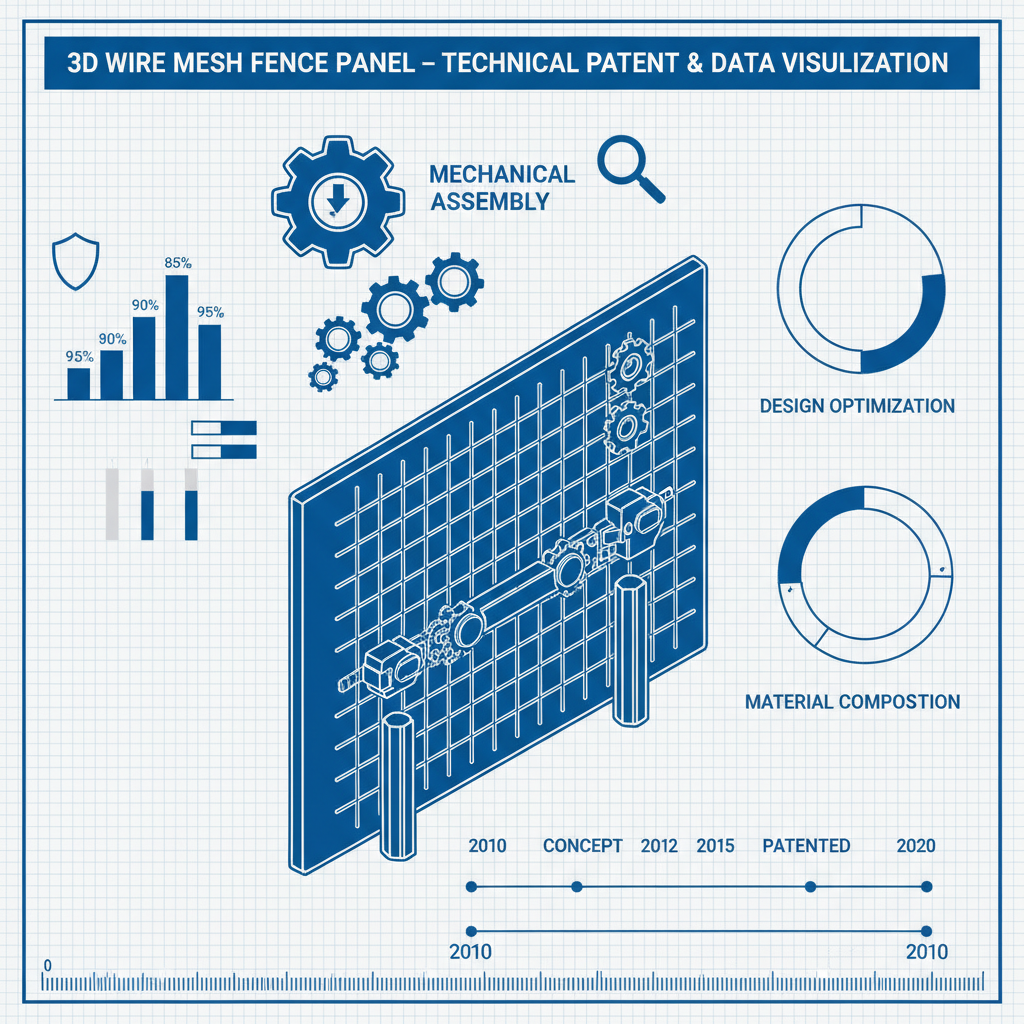
Wire Mesh Fence Performance Across Different Methods
Advantages and Long-Term Value
The cost-effectiveness of wire mesh fence makes it an accessible solution for a broad range of users, from individual homeowners to large-scale industrial operations. The lower initial investment, combined with minimal maintenance requirements, provides a significant return on investment over the lifespan of the fence.
From a sustainability standpoint, wire mesh fence can be constructed from recycled materials, reducing its environmental impact. Furthermore, the durability of the material minimizes the need for frequent replacements, contributing to a more sustainable lifecycle.
Future Trends in wire mesh fence
The integration of smart technology into wire mesh fence systems is a rapidly developing trend. This includes incorporating sensors for intrusion detection, remote monitoring capabilities, and automated access control systems. These advancements enhance security and provide real-time alerts to potential breaches.
Advancements in materials science are leading to the development of wire mesh fence with improved corrosion resistance, higher tensile strength, and enhanced aesthetic appeal. Nano-coatings and innovative alloys are being explored to extend the lifespan and reduce maintenance requirements.
The increasing focus on sustainable construction practices is driving demand for eco-friendly wire mesh fence options. Manufacturers are utilizing recycled materials and developing biodegradable coatings to minimize the environmental footprint of their products.
Challenges and Solutions
One common challenge is susceptibility to cutting or climbing, particularly with simpler wire mesh fence designs. Solutions include incorporating barbed wire extensions, adding anti-climb features, or utilizing smaller mesh openings to deter unauthorized access.
Corrosion can be a significant issue, especially in coastal environments or areas with high humidity. Galvanization, PVC coating, and stainless steel construction are effective methods for mitigating corrosion and extending the lifespan of the fence.
Proper installation is critical for ensuring the stability and effectiveness of wire mesh fence. Incorrectly installed fences are more vulnerable to damage and may not provide adequate security. Professional installation or thorough training for DIY installers are essential.
Summary of Solutions for Wire Mesh Fence Challenges
| Challenge |
Severity Level (1-10) |
Proposed Solution |
Implementation Cost (USD) |
| Cutting/Climbing |
7 |
Anti-Climb Features, Barbed Wire |
50-200 |
| Corrosion |
8 |
Galvanization, PVC Coating |
100-500 |
| Low Tensile Strength |
6 |
Higher Gauge Wire, Reinforced Supports |
150-600 |
| Wind Damage |
5 |
Windbreaks, Stronger Posts |
75-300 |
| Poor Installation |
9 |
Professional Installation, Detailed Instructions |
200-1000 |
| Aesthetic Concerns |
4 |
PVC Coating, Color Options |
50-150 |
FAQS
The most common types include welded wire mesh, hexagonal wire mesh (chicken wire), chain link fence, and woven wire mesh. Welded wire mesh offers superior strength and rigidity, ideal for security. Hexagonal mesh is lighter and more affordable, often used in agriculture. Chain link is known for its durability and versatility. Woven wire mesh provides a more robust barrier for animal containment.
Wire gauge refers to the thickness of the wire, with lower numbers indicating thicker wire. The appropriate gauge depends on the intended use of the fence. For light-duty applications like garden fencing, a lighter gauge (e.g., 14-16 gauge) may suffice. For high-security or livestock containment, a heavier gauge (e.g., 9-12 gauge) is recommended for increased strength and durability.
Galvanization is a process of coating steel wire with a layer of zinc to protect it from corrosion. This is crucial for extending the lifespan of wire mesh fence, especially in outdoor environments exposed to moisture and harsh weather conditions. Galvanized wire resists rust and maintains its structural integrity for a significantly longer period compared to uncoated steel.
Both PVC coating and galvanization protect against corrosion, but they offer different benefits. Galvanization provides a sacrificial layer of zinc, protecting the steel even if the coating is scratched. PVC coating offers additional color options and a smoother surface. However, if the PVC coating is damaged, the underlying steel can be exposed to corrosion.
Regular inspections are vital for identifying and addressing potential issues before they escalate. Inspect the fence at least twice a year, checking for corrosion, damage, loose wires, and compromised posts. Repair any damage promptly, and consider applying a protective coating if corrosion is present. Routine maintenance will significantly extend the fence's lifespan.
Always wear appropriate personal protective equipment (PPE), including gloves, safety glasses, and sturdy footwear. Be mindful of underground utilities before digging post holes. Properly tension the wire to prevent sagging and ensure stability. Handle barbed wire with extreme caution to avoid injuries. Follow manufacturer’s instructions for safe installation procedures.
Conclusion
Wire mesh fence remains a cornerstone solution for a vast range of fencing needs, offering a compelling combination of cost-effectiveness, durability, and versatility. From securing properties and protecting livestock to facilitating humanitarian efforts and supporting infrastructure development, its applications are far-reaching and continue to evolve with technological advancements. Understanding the different types, materials, and installation techniques is essential for maximizing its benefits.
Looking ahead, innovation in materials, smart technology integration, and a growing emphasis on sustainability will further enhance the value and longevity of wire mesh fence. By embracing these advancements and adopting best practices in installation and maintenance, we can ensure that this vital fencing solution continues to meet the evolving needs of communities and industries worldwide. Visit our website at www.xzmetal.com to explore our extensive range of wire mesh fence products.