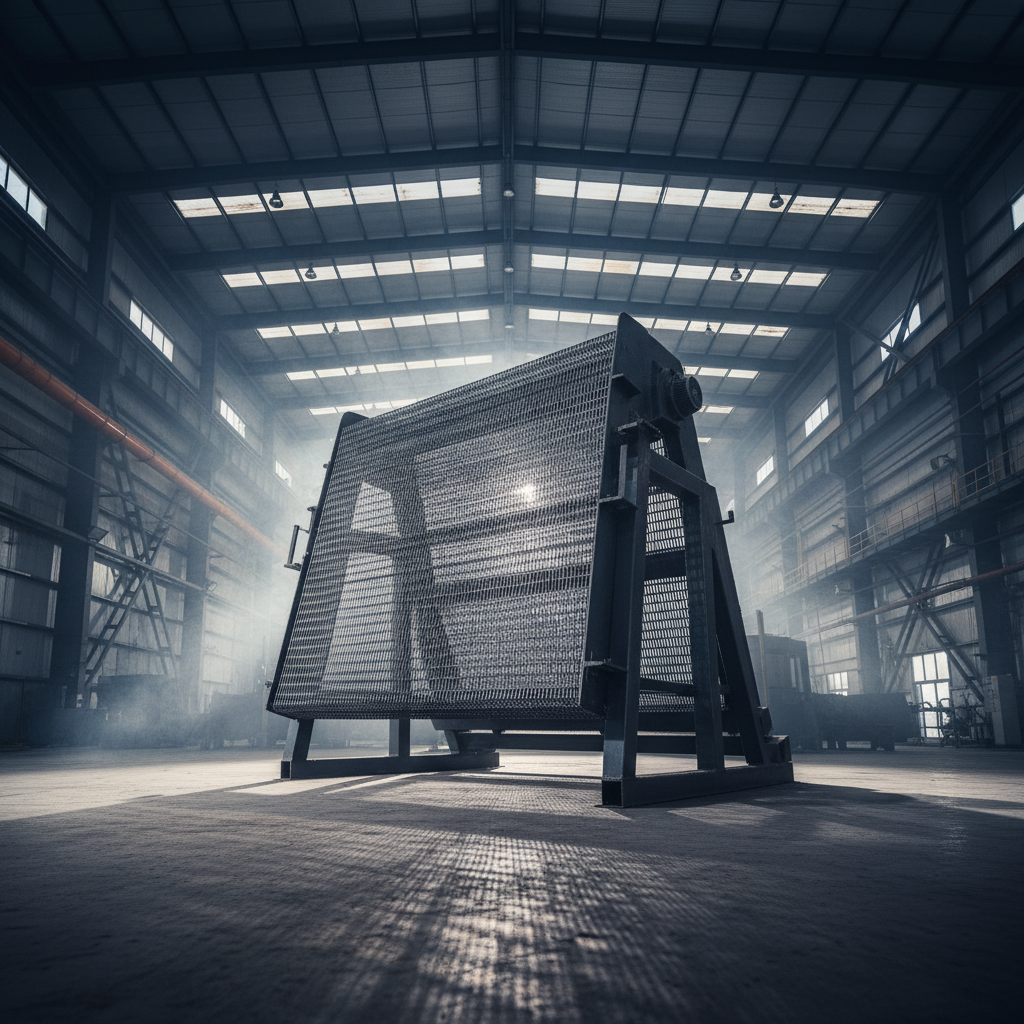
Welded wire mesh fence. Honestly, it’s been a busy year. Seems like everyone’s after quicker setups, more durable materials, and, of course, lower costs. We’ve seen a real push towards prefabricated fencing solutions, less on-site welding, more modular systems. It’s…well, it’s a response to labor shortages, really. Getting a good welding crew these days? Forget about it. And the projects are getting bigger, faster-paced. Everyone wants it yesterday. You know how it is.
You start looking at these spec sheets and thinking, “Okay, this looks good on paper.” But then you get to the site and… things are different. I’ve seen so many designs that look great in CAD but completely ignore how a guy’s actually going to handle this stuff in the rain, or the mud, or with gloves on. It's frustrating.
And the tolerances. Don’t even get me started on the tolerances. People are chasing these tight specs, but they haven't walked a mile in a steelworker’s boots.
The Rising Demand for Welded Wire Mesh Fence
To be honest, the demand has gone through the roof. It's not just security anymore. We’re seeing huge demand for it in agriculture – containing livestock, protecting crops from pests. Even in construction, it's being used for temporary site barriers, material containment. I encountered this at a big solar farm project in Nevada last time - miles and miles of the stuff. And it’s not just the quantity; it’s the spec of the mesh. People want higher tensile strength, smaller apertures, better coatings.
There’s a lot of pressure to find alternatives to traditional chain link, especially where aesthetics are important. Welded wire mesh just looks cleaner, more modern. Plus, it's less prone to sagging over time, which is a big win for maintenance.
Defining Welded Wire Mesh Fence: Beyond the Specs
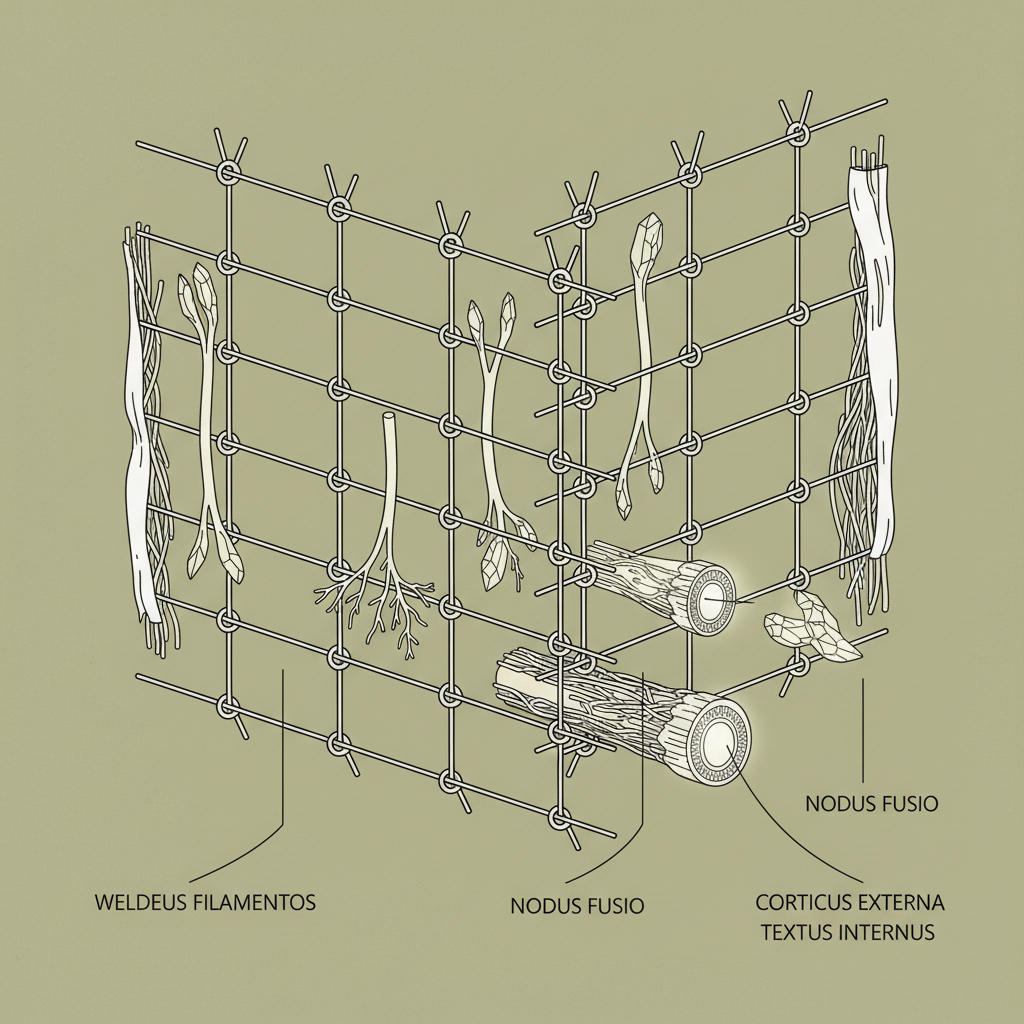
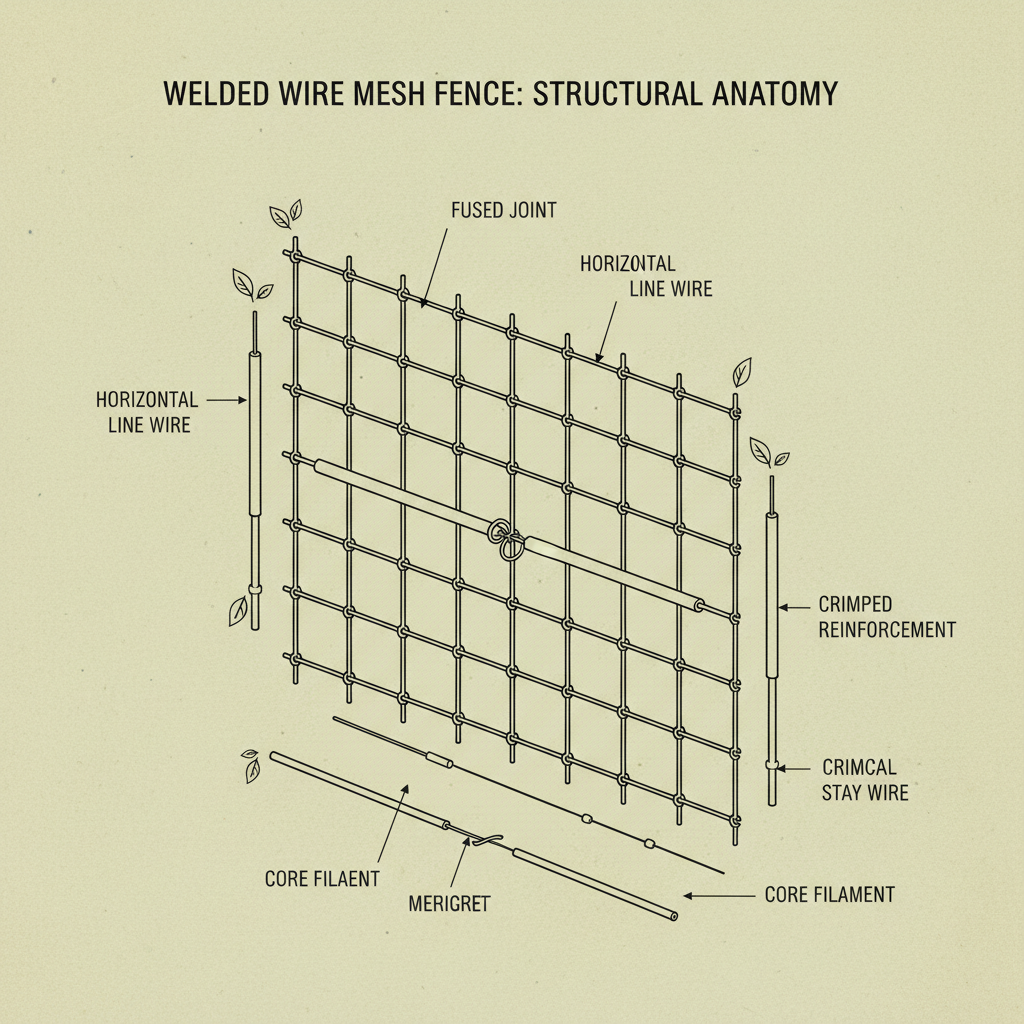
It's simple, right? Wires welded together to form a grid. But it’s more than that. It’s about understanding the why behind the grid. What’s it holding in? What’s it keeping out? What kind of environment is it going to be exposed to? That dictates the wire gauge, the aperture size, the coating. It's a system, not just a product.
You’ve got your galvanized steel, obviously. That’s the workhorse. But we’re also seeing a lot more powder-coated options, especially for residential applications. And increasingly, stainless steel for coastal environments – prevents rust like you wouldn’t believe. It’s expensive, though. Very expensive.
It connects to modern needs because it's adaptable. It's strong enough for high-security applications, yet flexible enough to be used for animal enclosures. And it's relatively easy to install, especially the prefabricated panels. That’s a huge selling point.
Core Components and Material Considerations
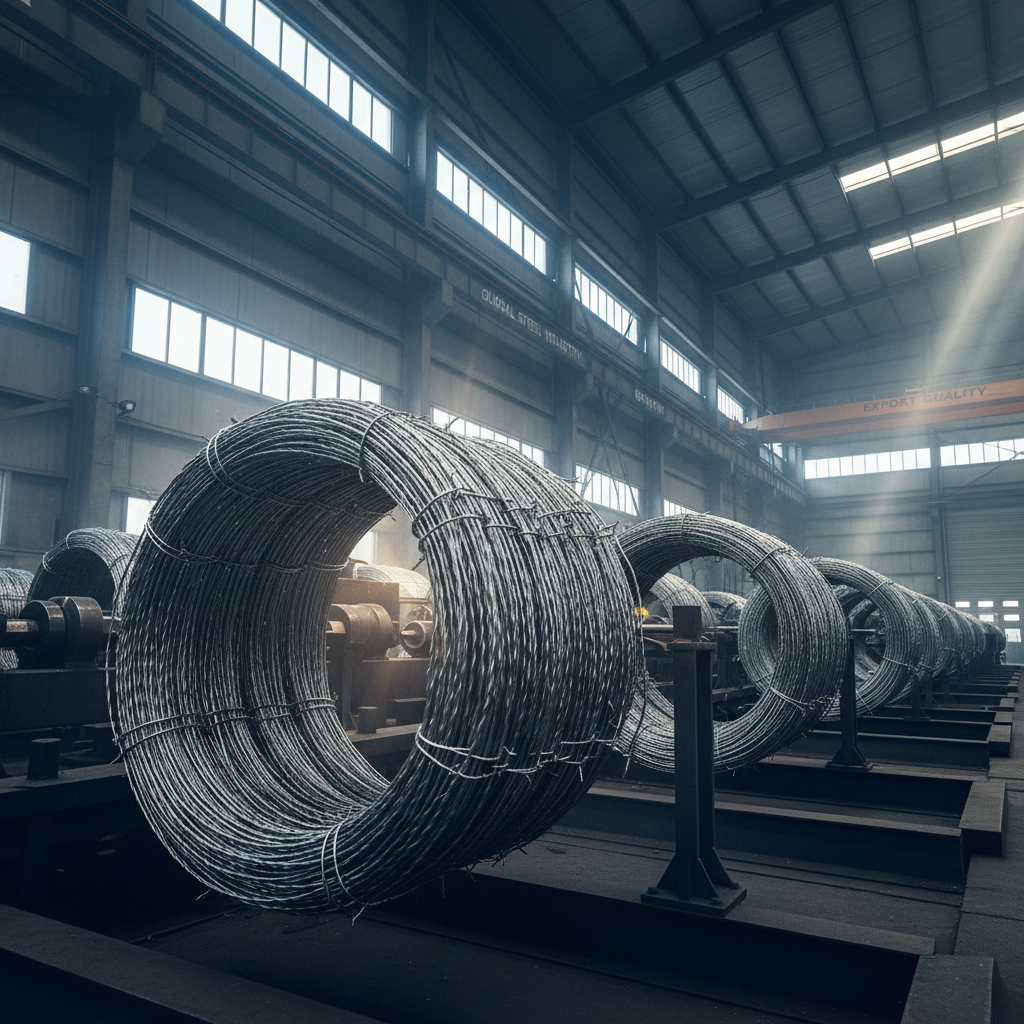
The wire itself is crucial. Low carbon steel is standard, but you'll get different strengths and ductility depending on the manufacturing process. I’ve seen some batches that are brittle as anything – a real headache. The welding process is also key. It needs to be consistent and strong, or the mesh will fail prematurely.
Coatings are another huge deal. Galvanization provides corrosion resistance, but the thickness of the coating matters. You want at least a Class 3 galvanization for outdoor applications. Then you’ve got powder coating, which adds color and extra protection, but it's susceptible to scratches. And then there's PVC coating - smells awful during production, but it’s incredibly durable. Strangely, some customers specifically request the PVC smell, they say it means it’s properly coated.
The mesh aperture size - that's the spaces between the wires - is another critical factor. Smaller apertures mean better security, but also higher cost. It's all about finding the right balance for the application. And don’t forget the edge treatment. Those sharp wire ends can be nasty.
Applications and Performance Metrics
We test this stuff hard. Forget the lab tests, though. Those are fine for baseline data, but they don't tell the whole story. We actually build sections of fence and put them through real-world abuse. We lean on them, try to cut through them, expose them to salt spray, even drive a truck over them (carefully, of course!).
The key metrics are tensile strength, shear strength, and corrosion resistance. We also measure the deflection under load – how much the mesh bends when you apply pressure. A good fence should hold its shape and not sag over time. Anyway, I think it's critical to simulate the actual conditions the fence will be exposed to.
Welded Wire Mesh Fence Performance Comparison
Global Use Cases: From Security to Agriculture
You see it everywhere, really. High-security prisons, obviously. Airports. Industrial sites. But also, surprisingly, a lot in vineyards. It’s perfect for supporting grape vines and keeping out birds. It's all about the right aperture size for airflow and bird deterrence.
I was in Australia last year, and they’re using it extensively for kangaroo fencing. Massive installations. Those animals are strong, so you need a really robust mesh and solid posts. They're also doing a lot with it for erosion control, stabilizing slopes.
Advantages, Disadvantages, and Long-Term Value
Advantages? It’s strong, relatively inexpensive, and easy to install. It’s also more aesthetically pleasing than chain link. But it's not perfect. It’s susceptible to cutting if someone’s determined enough, and it can rust if not properly coated. It’s not a magic bullet, let’s be clear.
Long-term value comes down to durability and low maintenance. A properly installed and maintained welded wire mesh fence can last for decades. And that saves money in the long run. It's also more environmentally friendly than some other fencing options.
But honestly, the biggest advantage is peace of mind. Knowing your property is secure, your livestock is contained, or your crops are protected. That's priceless.
Customization and Future Trends
Customization is huge. People want specific heights, widths, aperture sizes, coatings. Last month, that small boss in Shenzhen who makes smart home devices insisted on changing the interface to . And the result was a massive delay because the existing manufacturing equipment couldn’t handle it! He wanted it to be “future-proof”, but it ended up costing him a fortune. Anyway, we can usually accommodate most requests, but it adds to the cost and lead time.
I think we’ll see more automation in the manufacturing process in the future. Robotics will help improve consistency and reduce labor costs. We’re also looking at new materials – high-strength alloys, polymers – that offer better corrosion resistance and durability.
And I suspect we'll see more integration with smart technology. Fences with built-in sensors that can detect intrusion or damage. It's all coming.
Key Performance Indicators of Welded Wire Mesh Fence
| Application Type |
Material Composition |
Corrosion Resistance (1-10) |
Average Lifespan (Years) |
| Agricultural Enclosure |
Galvanized Steel |
6 |
15 |
| Security Perimeter |
High-Tensile Steel with PVC Coating |
8 |
20 |
| Industrial Site Barrier |
Galvanized Steel with Powder Coating |
7 |
18 |
| Residential Garden Fencing |
Galvanized Steel with Black Powder Coating |
5 |
12 |
| Coastal Erosion Control |
Stainless Steel |
10 |
30+ |
| Livestock Containment |
Heavy-Duty Galvanized Steel |
7 |
25 |
FAQS
A properly installed and maintained galvanized welded wire mesh fence typically lasts between 15 and 20 years, depending on environmental factors. Coastal areas with high salt exposure will reduce this lifespan. Regular inspection and touch-up painting can extend its service life significantly. It's a good investment, but don’t forget about maintenance.
For saltwater environments, stainless steel is the gold standard, offering superior corrosion resistance. However, it’s expensive. A robust powder coating over hot-dip galvanization is a more cost-effective alternative. PVC coating is also good, but the UV resistance can be an issue over time. Always opt for marine-grade coatings.
Wire gauge depends on the application. For light-duty applications like garden fencing, a lighter gauge is sufficient. For security or livestock containment, you'll need a heavier gauge. Consult with a fencing professional to assess your specific needs and recommend the appropriate wire gauge. Don’t skimp on this – it’s crucial for strength and durability.
Welded wire mesh offers a more rigid and aesthetically pleasing appearance compared to chain link. It’s also less prone to sagging. Chain link is generally more affordable and flexible. The choice depends on your budget, security requirements, and aesthetic preferences. For residential, welded wire is often preferred for its look.
Yes, welded wire mesh is highly customizable. Panels can be cut to specific heights and widths on-site. You can also order custom-made panels from manufacturers. However, custom orders typically have longer lead times and higher costs. Be prepared to pay a premium for non-standard sizes.
Proper post spacing is critical for stability. Use appropriate hardware and ensure the posts are securely anchored in the ground. The ground condition can impact the selection of post type. The tension on the mesh should be even to prevent sagging. Don’t cut corners on installation – it will cost you in the long run.
Conclusion
So, welded wire mesh fence… it's not glamorous, but it’s essential. It's a workhorse product that plays a vital role in security, agriculture, and construction. Understanding the materials, the installation techniques, and the long-term maintenance requirements is key to getting the most out of it. It’s about finding the right balance between cost, durability, and aesthetics.
Ultimately, whether this thing works or not, the worker will know the moment he tightens the screw. You can spec it out perfectly, run all the tests you want, but if it’s not practical on the ground, it’s useless. And if you’re looking for a reliable supplier, visit us at www.xzmetal.com. We understand the real-world challenges and can help you find the right solution.