Scaffold plank, a seemingly simple component, underpins a vast array of construction and industrial applications globally. From enabling safe working conditions at towering heights to facilitating rapid infrastructure deployment in disaster zones, its significance is often underestimated. Understanding the nuances of scaffold plank—its materials, construction, safety standards, and emerging innovations—is crucial for professionals in construction, engineering, and disaster relief, and increasingly, for those involved in sustainable building practices.
The demand for robust and reliable scaffold plank is intrinsically linked to global construction activity and infrastructure development, particularly in rapidly urbanizing regions of Asia, Africa, and South America. According to the UN, the world population is projected to reach nearly 10 billion by 2050, necessitating massive investment in housing, transportation, and essential infrastructure. This growth directly translates to an increased need for safe and efficient scaffolding systems, with the scaffold plank being a foundational element.
However, the current landscape faces challenges. Concerns surrounding worker safety, the environmental impact of traditional materials, and the need for cost-effective solutions are driving innovation in the design, manufacturing, and deployment of scaffold plank. A deeper understanding of these challenges, and the innovative approaches being developed to address them, is essential for building a safer, more sustainable future.
The Global Significance of Scaffold Plank
Scaffold plank is a globally recognized essential component in construction, maintenance, and repair projects. Its use transcends geographical boundaries, appearing in diverse environments from bustling urban centers to remote industrial sites. The demand for high-quality, durable scaffold plank is consistently high, fueled by ongoing infrastructure development and a commitment to workplace safety standards dictated by organizations like OSHA and ISO.
The economic impact of scaffold plank extends beyond direct sales. A reliable supply chain ensures projects remain on schedule and within budget, minimizing costly delays. Moreover, the availability of safe and compliant scaffold plank directly contributes to a reduction in workplace accidents, leading to lower insurance costs and improved productivity. This makes the choice of scaffold plank a strategic decision for project managers and construction companies worldwide.
Defining Scaffold Plank
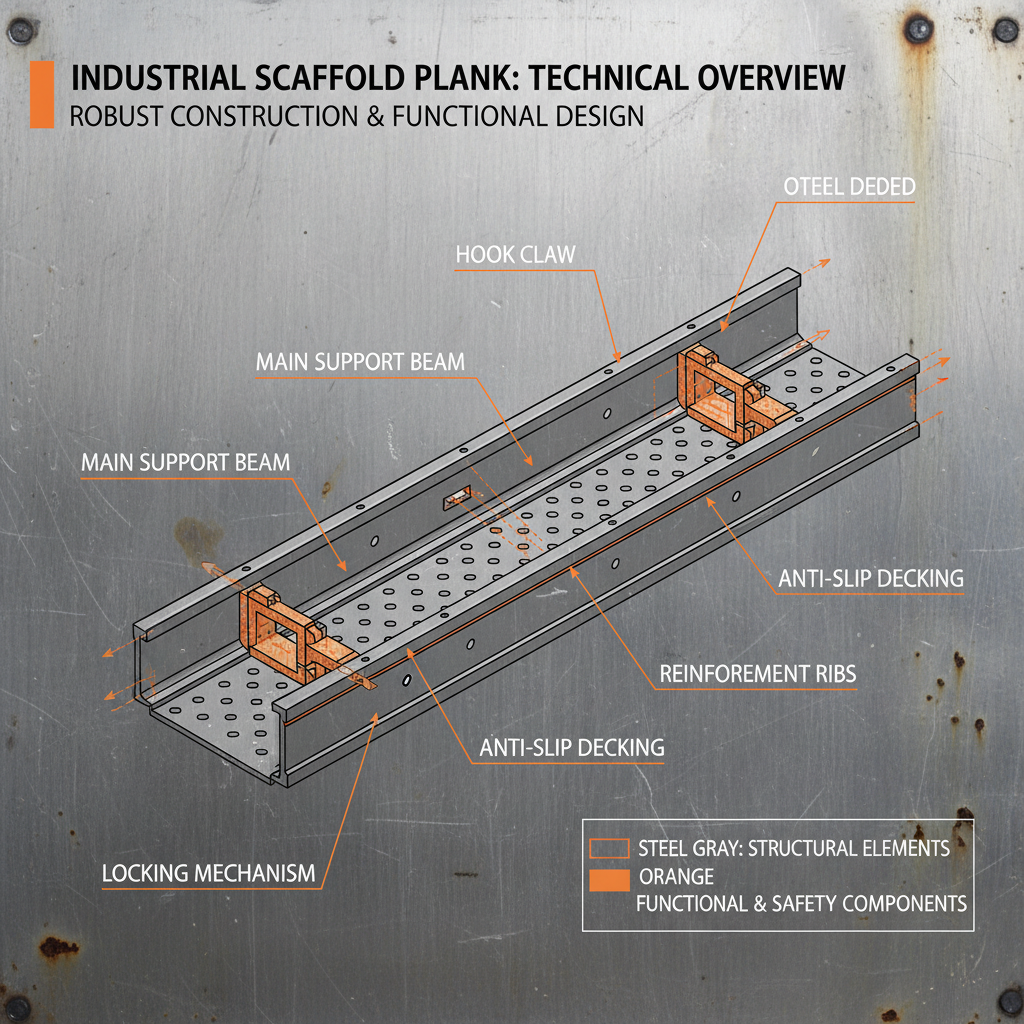
In its simplest form, scaffold plank refers to the horizontal boards used to create a working platform supported by a scaffolding structure. Traditionally made from timber, modern scaffold plank increasingly incorporates engineered wood products, aluminum, or composite materials. These planks provide a safe and stable surface for workers to perform tasks at elevated heights.
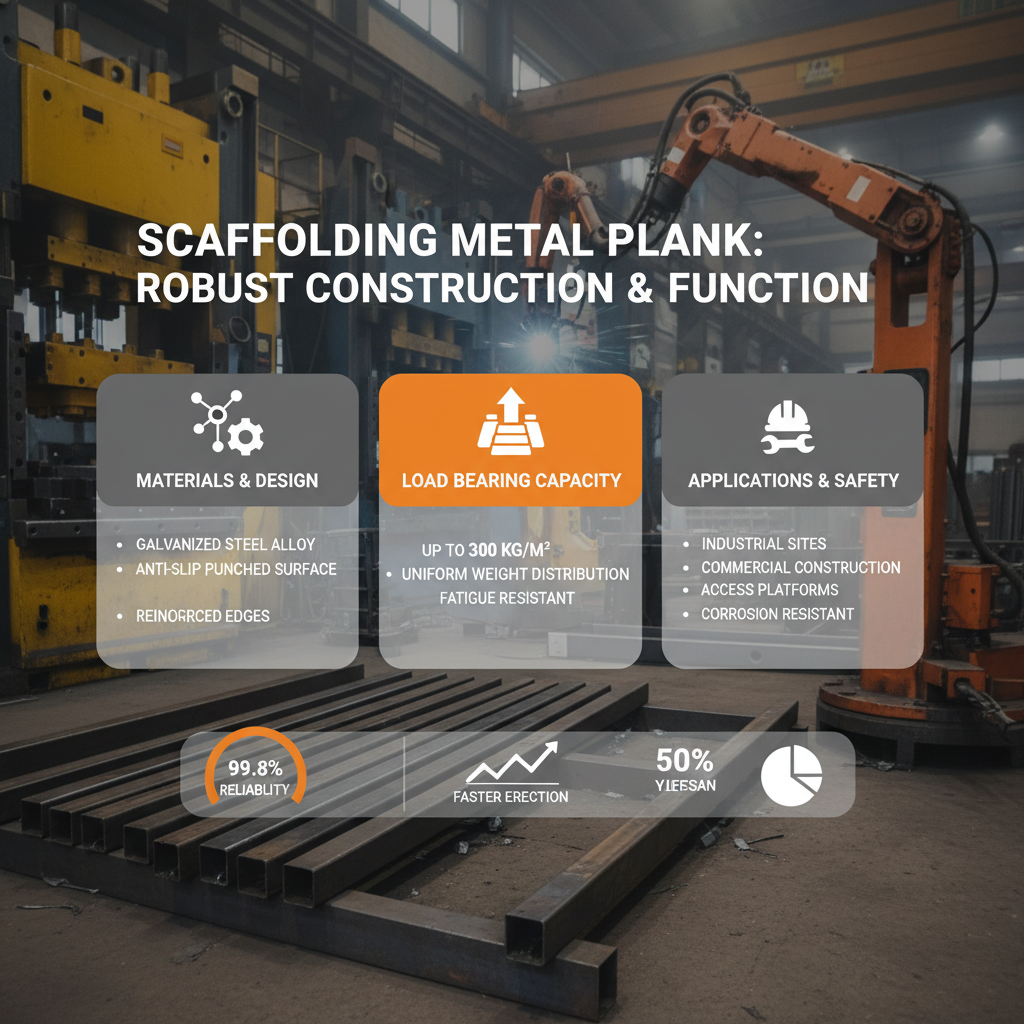
The role of scaffold plank extends far beyond just providing a flat surface. They are integral to the overall structural integrity of the scaffolding system, distributing loads and maintaining stability. Their selection and proper installation are critical for ensuring the safety of workers and the success of construction projects. The dimensions, material, and load-bearing capacity of the plank are all dictated by rigorous safety standards.
Today, scaffold plank plays a critical role in enabling humanitarian efforts and post-disaster reconstruction. Rapidly deployable scaffolding systems using durable plank materials are essential for establishing temporary shelters, repairing damaged infrastructure, and facilitating aid delivery in affected areas. The demand for lightweight, easy-to-assemble plank solutions is growing in this context.
Key Material Characteristics of Scaffold Plank
The material composition of scaffold plank is paramount to its performance and safety. Traditional timber planks, while cost-effective, are susceptible to rot, warping, and inconsistencies in strength. Engineered wood products, like plywood or laminated veneer lumber (LVL), offer improved dimensional stability and strength. Aluminum scaffold plank provides a lightweight and corrosion-resistant alternative, ideal for challenging environments.
Crucially, all materials used for scaffold plank must meet specific performance criteria, including load capacity, bending strength, and resistance to moisture and wear. Standards like EN 12811 (Europe) and ANSI/SSFI A10.8 (North America) dictate the requirements for different plank materials and their respective applications. Choosing the right material is dependent on the project's specific needs, environmental conditions, and budget constraints.
Emerging composite materials, often incorporating recycled plastics or fibers, offer a promising path towards more sustainable scaffold plank options. These materials can provide comparable strength and durability to traditional materials while reducing environmental impact. However, careful consideration must be given to their long-term performance and resistance to UV degradation.
Load Capacity and Safety Standards for Scaffold Plank
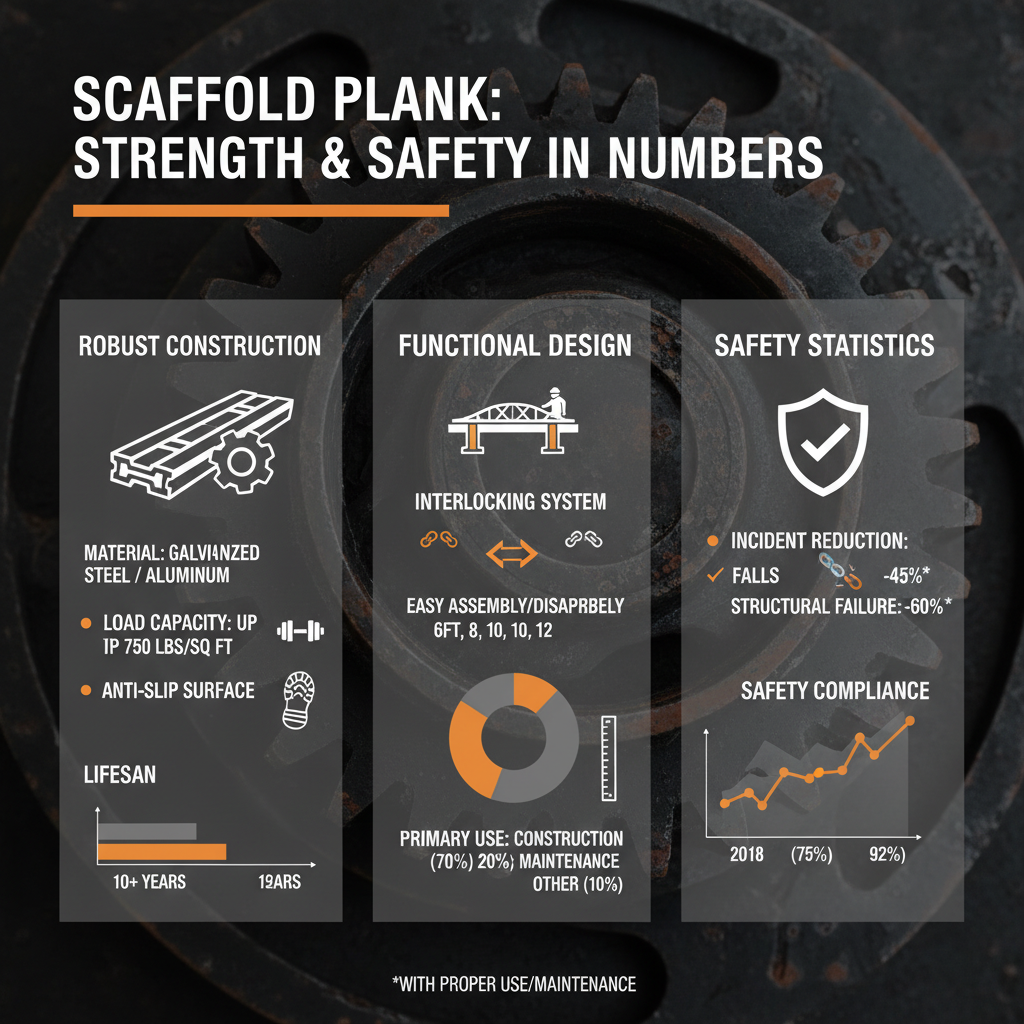
Understanding the load capacity of scaffold plank is critical for ensuring worker safety. Standards define both the uniform load (distributed weight) and concentrated load (point load) that a plank can safely support. These limits are based on factors like plank length, material, and support spacing. Exceeding these limits can lead to plank failure and potentially catastrophic accidents.
Safety standards also dictate inspection requirements for scaffold plank. Planks should be regularly inspected for defects such as cracks, splits, knots, and signs of rot or corrosion. Any damaged plank should be immediately removed from service. Proper labeling and tagging systems are essential for tracking plank inspections and ensuring that only compliant planks are used on site.
Scaffold Plank Safety Compliance Levels
Global Applications and Use Cases of Scaffold Plank
Scaffold plank finds application across a broad spectrum of industries. In construction, it's indispensable for building skyscrapers, bridges, and other large-scale infrastructure projects. Maintenance and repair work on buildings, power plants, and pipelines also rely heavily on safe and reliable scaffold plank systems.
In post-disaster relief operations, scaffold plank plays a crucial role in quickly establishing temporary shelters and restoring essential infrastructure. Its portability and ease of assembly make it ideal for challenging environments. Furthermore, in the entertainment industry, scaffold plank is used to construct stages and support lighting and sound equipment for concerts and events.
Advantages and Long-Term Value of Quality Scaffold Plank
Investing in high-quality scaffold plank translates to significant long-term benefits. Enhanced worker safety reduces the risk of costly accidents and associated legal liabilities. Durable plank materials minimize the need for frequent replacements, lowering overall maintenance costs. The inherent strength and stability of well-maintained scaffold plank contribute to increased project efficiency and reduced downtime.
Beyond the tangible economic advantages, prioritizing quality scaffold plank demonstrates a commitment to ethical and responsible business practices. It fosters a culture of safety and reinforces the value of human life. This builds trust with clients, employees, and stakeholders, ultimately enhancing a company’s reputation and long-term sustainability.
Future Trends and Innovations in Scaffold Plank Technology
The future of scaffold plank is poised for innovation, driven by the need for greater safety, sustainability, and efficiency. The development of lightweight, high-strength composite materials promises to reduce material costs and improve portability. Integration of smart sensors into scaffold plank can provide real-time monitoring of load distribution and structural integrity, alerting workers to potential hazards.
Digital technologies, such as Building Information Modeling (BIM), are increasingly being used to optimize scaffold design and ensure proper plank selection and installation. Automation and robotics are also emerging as potential solutions for automating plank handling and inspection tasks. Furthermore, the growing emphasis on circular economy principles is driving research into the use of recycled materials and the development of plank systems designed for disassembly and reuse.
The trend towards prefabrication and modular construction is also influencing the design of scaffold plank, with a focus on creating integrated systems that streamline the building process and minimize on-site waste. These advancements ultimately aim to create a safer, more sustainable, and more efficient construction industry.
FAQS
The lifespan of a high-quality scaffold plank varies depending on the material and usage conditions. Aluminum planks can last for decades with proper maintenance, while engineered wood planks typically have a lifespan of 5-10 years. Regular inspections and adherence to manufacturer’s guidelines are crucial for maximizing plank longevity. It’s essential to retire planks showing signs of significant wear, damage, or compromise to their structural integrity. Ensuring safety is paramount.
Scaffold plank should be inspected before each use, as well as regularly during extended periods of use. A thorough inspection should check for cracks, splits, warping, knots, corrosion, and any other signs of damage. Formal, documented inspections should be conducted by a competent person at least annually. Detailed records of inspections are vital for maintaining a safe work environment and demonstrating compliance with safety regulations.
Timber scaffold plank is typically more cost-effective but is susceptible to moisture damage and inconsistencies in strength. Aluminum scaffold plank is lightweight, corrosion-resistant, and offers consistent strength, but it’s generally more expensive. Aluminum doesn't conduct electricity, making it safer near power lines. The choice depends on the project’s specific needs, budget, and environmental conditions.
Several safety standards govern scaffold plank, including OSHA (Occupational Safety and Health Administration) regulations in the US, EN 12811 in Europe, and ANSI/SSFI A10.8. These standards specify requirements for material strength, load capacity, inspection frequency, and proper usage. Compliance with these standards is legally mandated and essential for protecting worker safety.
Purchase scaffold plank from reputable suppliers who can provide certification of compliance with relevant safety standards. Ensure the plank is clearly labeled with its load capacity and inspection dates. Implement a regular inspection program and train workers on proper plank usage and safety procedures. Keep detailed records of all inspections and maintenance activities.
Consider the environmental impact of the plank material. Sustainable options like engineered wood from responsibly managed forests or recycled composite materials are preferable. Aluminum is recyclable, but its production is energy-intensive. Proper disposal of damaged or end-of-life planks is also crucial to minimize environmental harm. Choosing durable plank reduces the frequency of replacement, lowering the overall environmental footprint.
Conclusion
Scaffold plank, though often overlooked, is a critical element in ensuring safe and efficient construction, maintenance, and disaster relief operations globally. From its fundamental role in providing stable work platforms to its increasing integration with innovative materials and technologies, understanding the nuances of scaffold plank is vital for professionals across diverse industries. A commitment to quality, rigorous inspection, and adherence to safety standards remains paramount.
Looking ahead, continued innovation in materials science, digital monitoring, and sustainable manufacturing will further enhance the performance and environmental responsibility of scaffold plank. By embracing these advancements and prioritizing worker safety, we can build a future where scaffolding systems are not only reliable and efficient but also contribute to a more sustainable and equitable world. Visit our website at www.xzmetal.com to explore our comprehensive range of scaffold plank solutions.