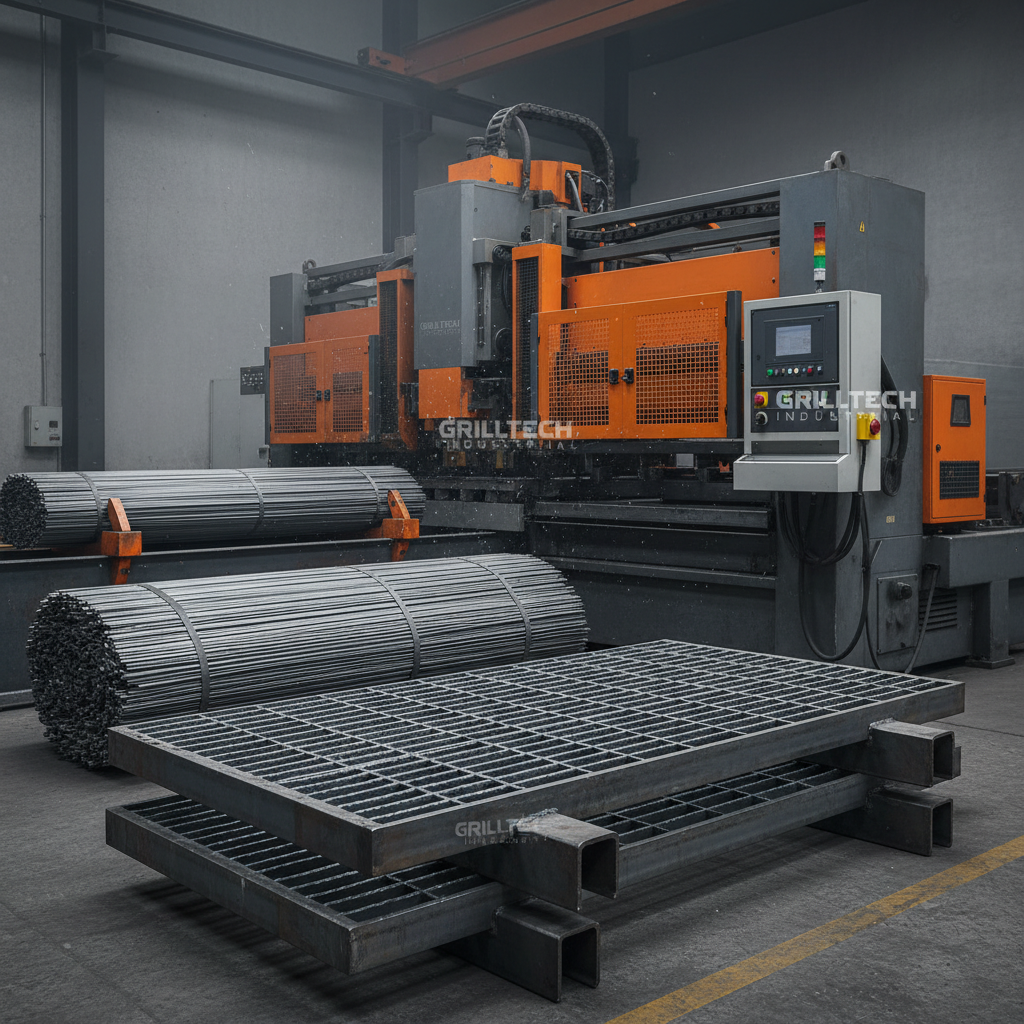
Scaffolding metal plank are critical components in the construction and industrial sectors, providing safe and efficient working platforms at height. Their robust nature and adaptability make them essential for a wide array of projects, from building construction and maintenance to bridge repairs and event staging. The global demand for these planks is steadily increasing, driven by ongoing infrastructure development and a heightened emphasis on worker safety regulations.
The evolution of scaffolding metal plank has seen a shift from traditional timber planks to more durable and reliable metal alternatives. These metal planks offer significant advantages in terms of strength, longevity, and resistance to environmental factors. Investing in high-quality scaffolding metal plank is not merely a matter of cost savings; it’s a commitment to worker wellbeing and project efficiency.
Understanding the nuances of scaffolding metal plank – their materials, safety standards, and applications – is crucial for professionals in the construction industry. This knowledge empowers them to select the appropriate planks for specific tasks, ensuring a secure and productive work environment.
The Importance of Scaffolding Metal Plank
Scaffolding metal plank represent a cornerstone of safe work practices in industries requiring elevated access. The reliability and durability of these planks directly impact worker safety and project timelines. A well-maintained and appropriately chosen scaffolding metal plank system can significantly reduce the risk of accidents and improve overall construction site efficiency.
The need for robust scaffolding solutions has increased globally with rapid urbanization and infrastructure expansion. Choosing the right scaffolding metal plank is a key investment in a project’s success, impacting both short-term costs and long-term operational integrity.
Defining Scaffolding Metal Plank
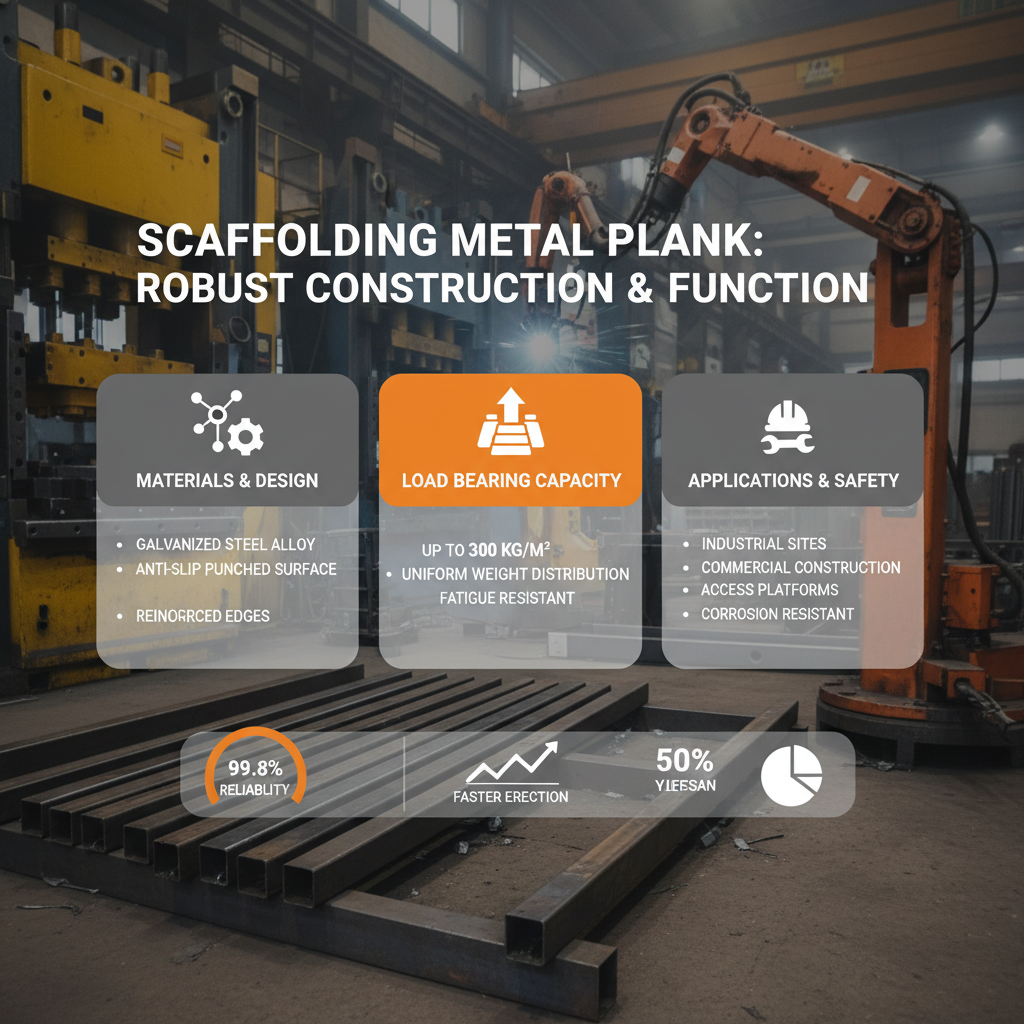
A scaffolding metal plank is a load-bearing component used in scaffolding systems to create a safe working platform for construction workers and other personnel. Typically manufactured from aluminum or steel, these planks are designed to distribute weight evenly and withstand significant stress. Their construction adheres to stringent safety standards established by organizations like OSHA and ANSI.
Unlike traditional timber planks, scaffolding metal plank offer superior strength-to-weight ratios, greater resistance to weathering, and a longer lifespan. This makes them a more sustainable and cost-effective choice in the long run. Their standardized sizes and compatibility with various scaffolding systems contribute to their widespread adoption in modern construction projects.
The application of scaffolding metal plank extends beyond typical building construction. They are frequently used in industrial maintenance, painting, repair work, and even in event staging to provide elevated platforms for technicians and performers.
Core Characteristics of High-Quality Scaffolding Metal Plank
High-quality scaffolding metal plank possess several crucial characteristics. Firstly, they must demonstrate exceptional strength and load-bearing capacity, meeting or exceeding relevant safety standards. A robust design is paramount to prevent bending, warping, or collapse under heavy loads.
Secondly, corrosion resistance is vital, especially in outdoor environments. Aluminum and galvanized steel are commonly used for their inherent resistance to rust and weathering. Thirdly, a secure locking mechanism or surface texture is essential to prevent slipping and ensure a safe working surface. Finally, the plank should be lightweight enough for easy handling and transportation, yet durable enough for repeated use.
Regular inspection and maintenance are crucial to ensuring these characteristics remain intact. Any signs of damage, such as cracks, corrosion, or loose components, should be addressed immediately to maintain the integrity of the scaffolding system.
Key Performance Indicators of Scaffolding Metal Plank
Evaluating the performance of scaffolding metal plank involves considering several key indicators. These metrics help determine the plank's suitability for specific applications and assess its long-term value.
These indicators include load capacity, deflection rate, corrosion resistance, and slip resistance. Load capacity refers to the maximum weight the plank can safely support, while deflection rate measures the amount of bending under load. Corrosion resistance assesses the plank's ability to withstand environmental factors, and slip resistance indicates the safety of the walking surface.
Scaffolding Metal Plank Performance Comparison
Global Applications of Scaffolding Metal Plank
Scaffolding metal plank are utilized extensively worldwide across numerous industries. In rapidly developing nations, they support the construction of new infrastructure, including high-rise buildings, bridges, and transportation networks. In established economies, they are essential for maintenance, repair, and renovation projects.
Specifically, in post-disaster relief operations, scaffolding metal plank can be quickly deployed to create temporary working platforms for rescue and reconstruction efforts. They’re also crucial in the oil and gas industry for platform maintenance and inspection, and within the shipbuilding sector for hull repairs.
Advantages and Long-Term Value
The advantages of using scaffolding metal plank extend beyond immediate safety benefits. Their durability significantly reduces replacement costs over time, offering substantial long-term savings. They are also easier to clean and maintain compared to timber planks, minimizing downtime and maximizing operational efficiency.
From a sustainability perspective, metal planks often have a longer lifespan and can be recycled at the end of their useful life, reducing environmental impact. The enhanced safety they provide fosters a more productive workforce, leading to increased project completion rates and reduced insurance premiums.
Future Trends and Innovations in Scaffolding Metal Plank
The future of scaffolding metal plank is intertwined with advancements in materials science and digital technology. We're seeing the development of lightweight, high-strength alloys that offer superior performance characteristics. Smart scaffolding systems, incorporating sensors and data analytics, are also gaining traction.
These smart systems can monitor load distribution, detect potential hazards, and alert workers to unsafe conditions. Furthermore, advancements in coatings and surface treatments are enhancing corrosion resistance and extending the lifespan of scaffolding metal plank. Sustainable manufacturing processes and the use of recycled materials are becoming increasingly prevalent.
Challenges and Solutions
Despite the numerous advantages, certain challenges remain in the realm of scaffolding metal plank. One key concern is the potential for galvanic corrosion when dissimilar metals are used in the scaffolding system. This can be mitigated by using compatible materials and applying protective coatings.
Another challenge is ensuring proper plank inspection and maintenance. Implementing regular inspection schedules and providing thorough training to personnel can help identify and address potential issues before they escalate. The adoption of digital inventory management systems can also streamline the tracking of planks and facilitate timely replacements.
The initial cost of high-quality scaffolding metal plank can be higher than traditional alternatives, but the long-term benefits—reduced maintenance, increased safety, and extended lifespan—often outweigh the upfront investment.
Summary of Scaffolding Metal Plank Challenges and Solutions
| Challenge |
Impact on Scaffolding Metal Plank |
Proposed Solution |
Implementation Cost (1-10) |
| Galvanic Corrosion |
Reduced plank lifespan, structural weakness |
Use compatible metals, apply protective coatings |
5 |
| Inadequate Inspection |
Undetected damage, increased risk of failure |
Implement regular inspection schedules & training |
3 |
| High Initial Cost |
Budget constraints, potential for cheaper alternatives |
Life cycle cost analysis, emphasize long-term savings |
6 |
| Improper Handling |
Damage during transport, bending or warping |
Implement proper handling guidelines & training |
2 |
| Lack of Standardization |
Compatibility issues, difficult replacement |
Adhere to industry standards (OSHA, ANSI) |
4 |
| Environmental Exposure |
Corrosion, degradation, reduced lifespan |
Utilize corrosion-resistant materials and coatings |
7 |
FAQS
The lifespan of scaffolding metal plank varies depending on the material, environmental conditions, and frequency of use. Aluminum planks can last 20-30 years with proper maintenance, while galvanized steel planks can offer a similar lifespan, although they might require more frequent inspection for corrosion. Regular cleaning and inspection are crucial to maximizing the lifespan of any scaffolding metal plank.
Yes, several safety standards govern the use of scaffolding metal plank. In the United States, OSHA (Occupational Safety and Health Administration) provides comprehensive guidelines. These standards address plank load capacity, proper plank spacing, secure fastening methods, and regular inspection procedures. Always consult local regulations and ensure compliance with all applicable safety standards.
Aluminum planks are lighter, making them easier to handle and transport, and are naturally corrosion-resistant. Steel planks are generally stronger and more durable, offering a higher load capacity. However, steel is susceptible to corrosion and requires protective coatings. The choice between aluminum and steel depends on the specific application and environmental conditions.
Scaffolding metal plank should be inspected before each use, as well as regularly during extended periods of use. Inspections should focus on identifying any signs of damage, such as cracks, corrosion, bending, or loose fastenings. Document all inspections and address any issues immediately to ensure continued safety.
Proper plank spacing is crucial for preventing materials from falling through the scaffolding and creating a safe working surface. OSHA regulations specify maximum plank spacing based on the size of the objects being handled. Insufficient spacing can create a hazardous situation, while excessive spacing can reduce the structural integrity of the platform.
Minor damage to scaffolding metal plank, such as superficial scratches, can often be addressed with appropriate repair methods. However, significant damage, such as cracks, severe corrosion, or bending, typically renders the plank unsafe for use and requires replacement. Always consult with a qualified safety professional before attempting any repairs.
Conclusion
Scaffolding metal plank are indispensable components of modern construction and industrial operations, offering a safe, durable, and efficient working platform. Their adoption has significantly enhanced worker safety and project productivity. Understanding their key characteristics, proper usage, and maintenance requirements is paramount for professionals in these fields.
Looking ahead, innovation in materials and digital technologies will further enhance the performance and safety of scaffolding metal plank. Continued investment in research and development, alongside adherence to stringent safety standards, will ensure that scaffolding remains a reliable and essential tool for building a safer and more sustainable future. For high-quality scaffolding metal plank, visit our website: www.xzmetal.com