Bar grating price is a crucial factor in numerous industries, from construction and infrastructure to manufacturing and security. Understanding the variables that influence the cost of bar grating—including material type, manufacturing process, dimensions, and market demand—is vital for efficient project budgeting and procurement. Fluctuations in raw material costs, particularly steel, directly impact the bar grating price, making it essential for buyers to stay informed about current market trends. Ultimately, a thorough understanding of bar grating price empowers informed decision-making and optimized resource allocation.
The global market for bar grating is substantial and growing, driven by increasing infrastructure development in emerging economies and the continued need for safety and security solutions in developed nations. According to industry reports, the demand for steel bar grating remains consistently high, with regional variations influenced by economic conditions and construction activity. This demand creates both opportunities and challenges for suppliers and buyers alike, necessitating a clear grasp of the factors affecting bar grating price to navigate the market effectively. Furthermore, efficient supply chain management and strategic sourcing are key to mitigating cost pressures.
Bar grating, beyond its functional purpose, represents a significant investment in long-term safety and durability. Properly specified and installed bar grating minimizes risks associated with slips, falls, and equipment damage. A careful analysis of bar grating price needs to consider not only the upfront cost, but also the lifecycle cost, including maintenance and replacement. Choosing quality materials and reputable manufacturers contributes to a lower total cost of ownership and enhanced overall project value.
Introduction to Bar Grating Price
The bar grating price isn't a static figure; it's a dynamic value influenced by a complex interplay of factors. From the initial cost of raw materials like steel or aluminum to the intricacies of manufacturing processes and the ever-shifting demands of the global market, understanding these elements is crucial for anyone involved in procuring or utilizing bar grating. Effective project planning relies heavily on accurately estimating and managing bar grating costs.
Across diverse sectors – industrial plants, commercial buildings, infrastructure projects – bar grating serves as a vital safety component and structural element. Variations in bar grating price directly impact project budgets, influencing the overall feasibility and return on investment. Staying abreast of market fluctuations, supplier pricing strategies, and potential cost-saving measures is paramount for maintaining competitive advantage and maximizing value.
Defining Bar Grating Price
Bar grating price refers to the total cost associated with acquiring bar grating, encompassing not only the material cost but also fabrication, finishing, and delivery charges. This price is typically quoted per square foot or square meter, and can vary significantly based on the specific type of grating, its dimensions, the material used (e.g., carbon steel, stainless steel, aluminum), and any customized features. It's crucial to obtain detailed quotes from multiple suppliers to ensure a competitive price.
The definition of bar grating price extends beyond the initial purchase. It’s important to factor in installation costs, potential maintenance requirements, and the anticipated lifespan of the grating. A lower initial bar grating price may not always represent the best long-term value if the material is of inferior quality or requires frequent replacements. Therefore, a holistic cost assessment is vital.
Understanding the different pricing structures – such as FOB (Free on Board), CIF (Cost, Insurance, and Freight), or delivered duty paid – is also essential. These terms dictate who is responsible for various costs associated with transportation and import duties, and can significantly affect the final bar grating price.
Key Factors Influencing Bar Grating Price
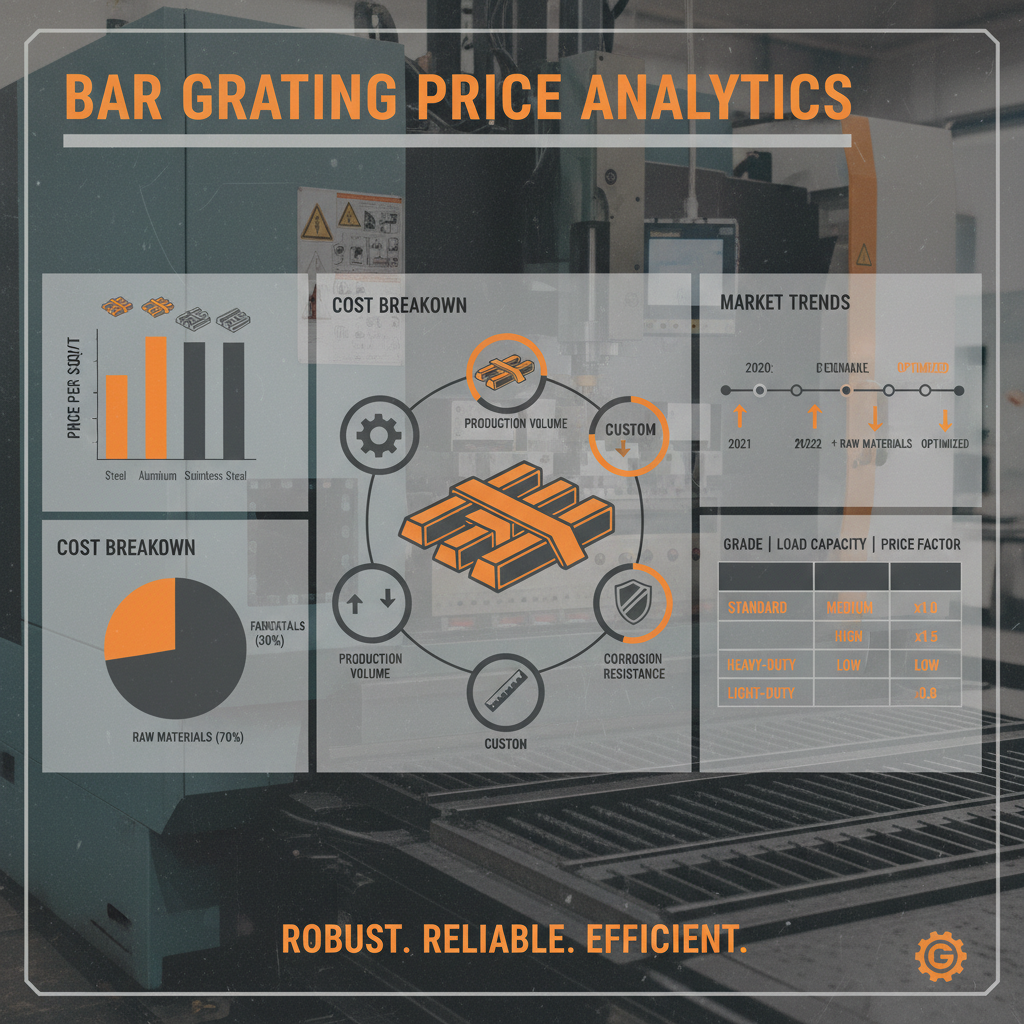
Several core components dictate the bar grating price. First, the material type is paramount. Stainless steel grating is considerably more expensive than carbon steel due to its corrosion resistance and longevity. Aluminum grating offers a lighter weight alternative, often at a mid-range price point. Secondly, manufacturing processes like welding, swaging, and pressing all contribute to production costs and ultimately, the final price.
The dimensions and load-bearing capacity of the bar grating play a vital role. Larger gratings and those designed to support heavier loads require more material and robust fabrication, driving up the cost. Similarly, surface treatments like powder coating or galvanization add to the price but enhance the grating’s durability and resistance to environmental factors. Finally, supply and demand dynamics within the steel market, geopolitical factors, and transportation costs all impact the bar grating price.
Beyond these primary factors, customization requirements can significantly alter the bar grating price. Non-standard sizes, intricate patterns, or specialized finishes will necessitate additional labor and tooling, resulting in higher costs. Furthermore, supplier location and shipping distances contribute to overall expenses, making it essential to consider regional sourcing options when possible.
Global Applications and Use Cases
Bar grating finds extensive application across diverse sectors globally. In industrial facilities, it’s used for walkways, platforms, stair treads, and ventilation covers, providing safe and durable working surfaces. In commercial construction, it's integrated into architectural designs for facade elements, sunshades, and security screens. Across the infrastructure sector, bar grating is utilized in bridge decking, trench covers, and drainage systems.
In post-disaster relief operations, lightweight and rapidly deployable bar grating can serve as temporary walkways or platforms. In remote industrial zones, where accessibility is limited, the robustness and low-maintenance characteristics of bar grating make it an ideal choice. For example, mining operations frequently utilize heavy-duty bar grating for safety flooring and equipment access.
Organizations such as infrastructure development firms in Southeast Asia, construction companies in North America, and industrial facilities in Europe are major consumers of bar grating. The demand is particularly high in rapidly developing economies where infrastructure projects are underway, leading to fluctuations in bar grating price depending on regional demand and supply.
Bar Grating Price Comparison by Method
Advantages and Long-Term Value
The advantages of utilizing bar grating extend far beyond its initial bar grating price. Its inherent durability ensures a long service life, reducing the need for frequent replacements and minimizing lifecycle costs. The open construction of bar grating promotes air and light circulation, contributing to a safer and more comfortable environment. This also reduces build-up of debris.
From a safety perspective, bar grating provides a secure walking and working surface, minimizing slip and fall hazards. The inherent strength-to-weight ratio allows for cost-effective designs without compromising structural integrity. Choosing high-quality bar grating translates to a lower total cost of ownership and increased peace of mind.
Future Trends and Innovations
The future of bar grating is poised for innovation, with advancements in materials and manufacturing processes. The development of lightweight, high-strength alloys is expected to reduce material costs and enhance performance. Integration with smart sensors to monitor load distribution and structural integrity is also on the horizon.
Furthermore, the increasing emphasis on sustainable construction is driving demand for bar grating made from recycled materials. Digital fabrication techniques, such as laser cutting and robotic welding, are streamlining production processes and reducing waste. These trends collectively suggest a future where bar grating becomes more efficient, cost-effective, and environmentally friendly.
Challenges and Solutions Regarding Bar Grating Price
One significant challenge is the volatility of raw material prices, particularly steel. Fluctuations in global commodity markets can dramatically impact the bar grating price. To mitigate this risk, buyers can explore long-term supply contracts and hedging strategies. Another challenge is the complexity of customization, which can lead to higher fabrication costs.
Standardizing designs and utilizing modular components can help reduce customization costs. Investing in efficient supply chain management and local sourcing can also minimize transportation expenses. Finally, embracing digital tools for accurate cost estimation and inventory management can optimize purchasing decisions and improve overall cost control.
Addressing these challenges requires a collaborative effort between suppliers, manufacturers, and end-users. Transparency in pricing, efficient communication, and a commitment to innovation are key to navigating the complexities of the bar grating market.
Bar Grating Price Analysis Summary
| Material Type |
Manufacturing Complexity |
Regional Demand |
Overall Price Impact (1-10) |
| Carbon Steel |
Simple Welding |
High – North America |
4 |
| Stainless Steel |
Complex Forming |
Moderate – Europe |
8 |
| Aluminum |
Extrusion & Assembly |
Growing – Asia |
6 |
| Galvanized Steel |
Standard Welding |
Consistent – Global |
5 |
| Custom Alloy |
Highly Specialized |
Niche – Industrial |
9 |
| Recycled Materials |
Processing Dependent |
Increasing – Worldwide |
7 |
FAQS
The bar grating price is most significantly affected by the cost of raw materials, especially steel and aluminum. Global market conditions, supply chain disruptions, and geopolitical events can all impact these material costs. Additionally, manufacturing complexity, customization requirements, and transportation expenses also play a role in price variations. Monitoring these factors is crucial for informed procurement decisions.
Material type is a major determinant of bar grating price. Carbon steel is generally the most affordable option, while stainless steel is considerably more expensive due to its superior corrosion resistance. Aluminum offers a mid-range price point and is valued for its lightweight properties. Specialized alloys further increase costs. Choosing the appropriate material involves balancing price with the specific application requirements and environmental conditions.
Yes, several strategies can help reduce bar grating price without sacrificing quality. Standardizing designs, opting for readily available sizes, and using modular components can minimize fabrication costs. Exploring local sourcing options can reduce transportation expenses. Negotiating long-term supply contracts and considering recycled materials can also lead to cost savings. Thoroughly comparing quotes from multiple suppliers is essential.
The lead time for custom bar grating orders typically ranges from 4 to 12 weeks, depending on the complexity of the design and the supplier’s workload. Rushing an order may incur expedited fees, increasing the overall price. Planning ahead and allowing sufficient lead time for fabrication is crucial for securing competitive pricing. Clear communication with the supplier regarding deadlines and specifications is also essential.
Shipping costs can significantly influence the final bar grating price, particularly for large orders or shipments to remote locations. Factors such as distance, mode of transportation (truck, rail, sea), and fuel surcharges all contribute to shipping expenses. Obtaining detailed shipping quotes from multiple carriers and considering Incoterms (International Commercial Terms) are essential for accurate cost assessment.
Investing in higher-quality bar grating translates to long-term cost savings through reduced maintenance, increased durability, and a longer service life. Lower-quality materials may require frequent replacements, resulting in higher lifecycle costs. Enhanced safety features and reduced downtime further contribute to the overall value proposition. Considering the total cost of ownership, rather than solely focusing on the initial bar grating price, is a wise investment strategy.
Conclusion
In conclusion, understanding bar grating price requires a comprehensive assessment of multiple factors, from raw material costs and manufacturing processes to customization options and shipping expenses. A well-informed approach to procurement, coupled with a focus on long-term value and lifecycle costs, empowers businesses to make strategic decisions that optimize project budgets and ensure lasting safety and durability.
Looking ahead, innovations in materials, manufacturing techniques, and sustainable practices will continue to shape the bar grating market. Embracing these advancements and proactively addressing challenges related to price volatility and supply chain disruptions will be crucial for maintaining a competitive edge and fostering a resilient industry. For competitive bar grating price and quality products, visit our website today.