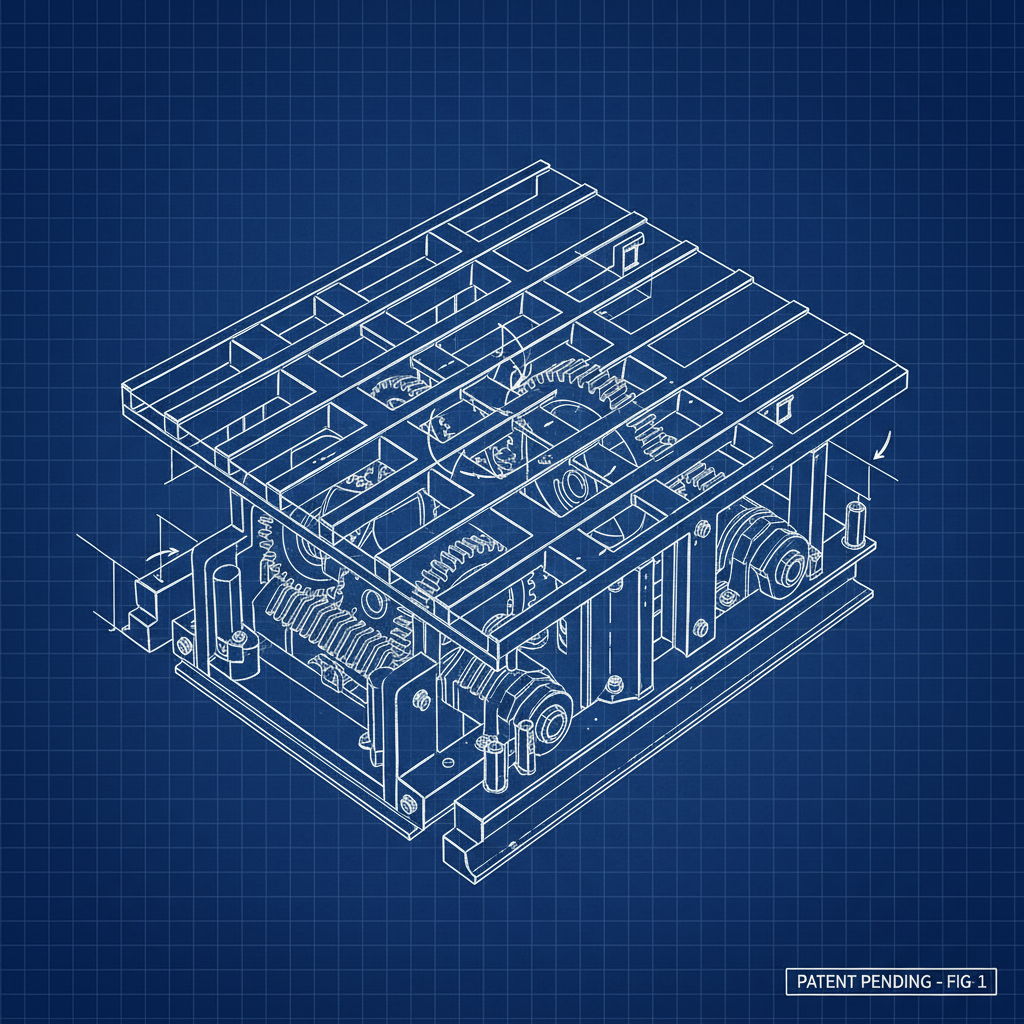
Scaffold board, a ubiquitous yet often overlooked element in construction, infrastructure, and increasingly, rapid deployment solutions, plays a critical role in facilitating progress and safety across the globe. From enabling the construction of towering skyscrapers to providing temporary access for maintenance on bridges, and even forming the basis of emergency shelters, its versatility is remarkable. Understanding its properties, applications, and evolving technologies is vital for professionals in the building trades and for those involved in disaster relief and humanitarian efforts.
The demand for scaffold board is directly linked to global construction activity, which is experiencing significant growth, particularly in developing nations. According to UN reports, the world population is projected to reach 9.7 billion by 2050, driving increased demand for housing, infrastructure, and commercial spaces. This growth necessitates safe and efficient construction practices, where reliable access solutions like scaffold board are paramount. Simultaneously, the escalating frequency and intensity of natural disasters highlight the need for rapidly deployable shelter systems, many of which utilize modified or repurposed scaffold board.
The increasing emphasis on sustainability and cost-effectiveness is also reshaping the landscape of the scaffold board industry. Innovations in material science and manufacturing are leading to lighter, stronger, and more environmentally friendly alternatives to traditional timber scaffold boards. This shift not only reduces the carbon footprint of construction projects but also enhances safety and reduces long-term costs, making it an essential consideration for modern building practices.
Introduction to Scaffold Board
Scaffold board is fundamentally a platform or supporting structure used to elevate workers and materials during the construction, repair, or maintenance of buildings, bridges, and other structures. Its primary function is to create a safe and stable work environment at height. Historically, scaffold board was almost exclusively constructed from timber, but modern innovations have introduced steel, aluminum, and composite materials to enhance strength, durability, and safety.
The enduring relevance of scaffold board stems from its essential role in allowing access to otherwise unreachable areas. In a world increasingly focused on vertical development and complex infrastructure projects, the need for reliable access solutions is paramount. Beyond construction, scaffold board finds applications in event staging, industrial cleaning, and disaster relief efforts, demonstrating its remarkable adaptability and contributing to a wide range of essential activities.
Defining Scaffold Board
In its simplest form, a scaffold board is a horizontal structural component providing a temporary working surface. However, the definition extends beyond just the plank itself. It encompasses the entire system – including supporting uprights (standards), cross braces, guardrails, and toeboards – that together create a safe and stable platform. The complete system must adhere to stringent safety regulations and standards, ensuring the protection of workers and the public.
The connection to modern industry isn’t merely about providing physical access; it's about enabling efficiency and precision. Complex projects demand sophisticated scaffold systems that can be adapted to intricate designs and challenging environments. Similarly, in humanitarian contexts, scaffold board principles are applied in creating rapidly deployable shelters and support structures, providing vital assistance to communities affected by disasters.
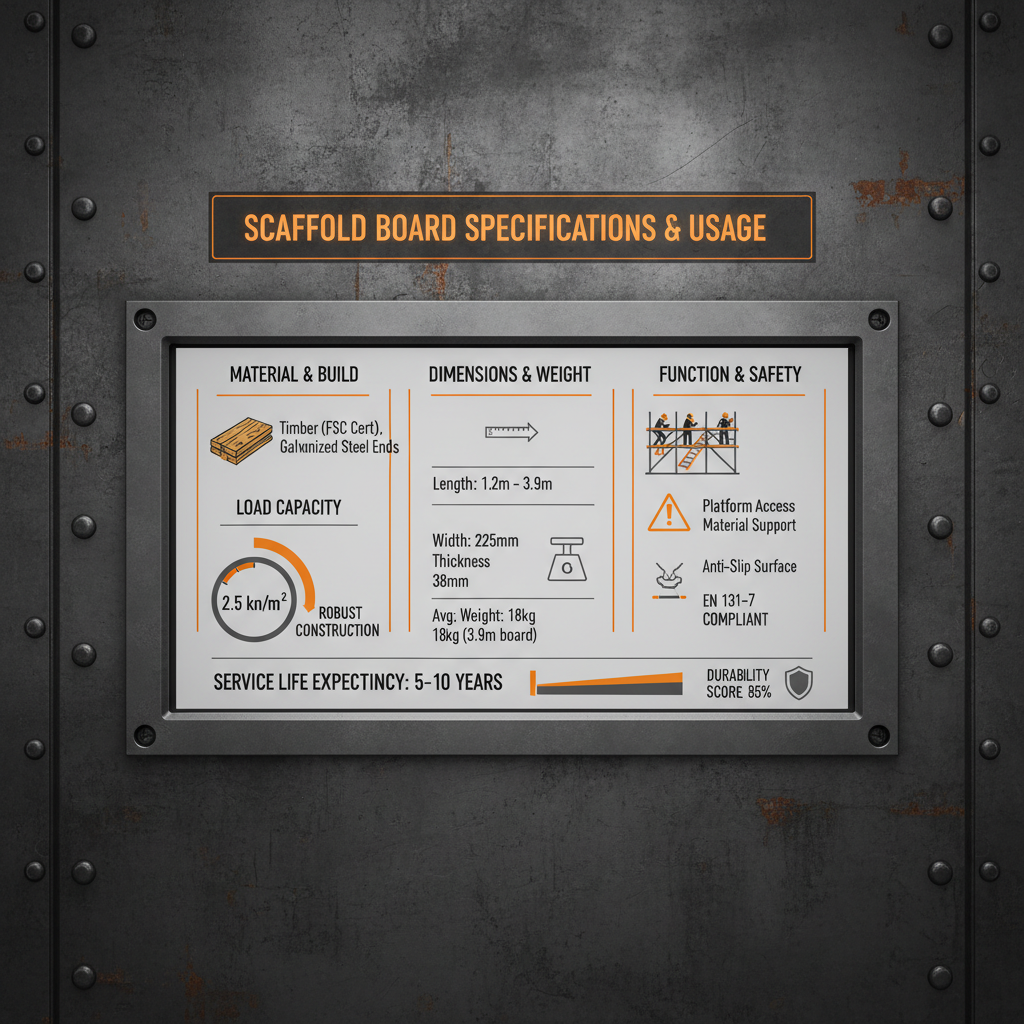
The term ‘scaffold board’ can also refer to the individual boards used as the walking surface. Traditionally, these were made from sawn timber, but are now commonly available in engineered wood products, aluminum, or composite materials to offer enhanced performance and safety features. The material choice often depends on the specific application and environmental factors.
Core Components of Scaffold Board
Durability is perhaps the most crucial aspect of any scaffold board system. The materials used must withstand significant loads, resist environmental degradation (weather, corrosion), and maintain their structural integrity over extended periods. Modern materials are designed to offer superior strength-to-weight ratios, reducing overall weight without compromising safety.
Scalability refers to the ability of a scaffold system to adapt to varying project requirements. Modular designs, employing standardized components, are paramount here. This allows for easy expansion, contraction, or reconfiguration of the scaffold to accommodate changes in building dimensions, site conditions, or work progress. A scalable system minimizes waste and maximizes cost-effectiveness.
Cost efficiency is a critical consideration for any construction project. While safety should never be compromised, selecting materials and systems that offer a balance between performance and price is essential. The total cost of ownership, including initial investment, maintenance, and potential replacement, must be carefully evaluated. Utilizing reusable components and minimizing material waste contributes significantly to cost savings.
Global Applications of Scaffold Board
Scaffold board is integral to the construction of high-rise buildings across major urban centers worldwide, from New York City to Dubai and Shanghai. These megaprojects rely heavily on sophisticated scaffolding systems to facilitate the erection of steel frameworks, concrete structures, and facade installations. Similarly, infrastructure projects like bridge construction and railway maintenance extensively utilize scaffold board for access and support.
In post-disaster relief operations, simplified scaffold board structures are often deployed to create temporary shelters, medical facilities, and distribution centers. Organizations like the Red Cross and Doctors Without Borders frequently employ lightweight, rapidly deployable scaffold systems in emergency situations. These provide immediate support to affected communities while more permanent solutions are being developed.
Remote industrial zones, such as oil refineries and mining operations, also depend on scaffold board for maintenance and repair of complex machinery and infrastructure. The harsh environments encountered in these locations necessitate robust and durable scaffolding systems capable of withstanding extreme weather conditions and corrosive substances.
Scaffold Board Performance Metrics
Advantages and Long-Term Value
The most tangible benefit of using robust scaffold board is cost reduction. While the initial investment might be significant, the durability and reusability of modern systems minimize the need for frequent replacements, resulting in lower lifecycle costs. Furthermore, safe and efficient access provided by scaffold board reduces project timelines and labor costs, contributing to overall project profitability.
From a sustainability perspective, the adoption of eco-friendly materials and responsible sourcing practices is becoming increasingly important. Utilizing recycled materials, reducing waste, and minimizing the carbon footprint of manufacturing processes demonstrate a commitment to environmental stewardship. This not only appeals to environmentally conscious clients but also aligns with evolving industry regulations.
Future Trends & Innovations
The integration of digital technologies, such as Building Information Modeling (BIM), is revolutionizing scaffold board design and installation. BIM allows for precise 3D modeling of scaffold systems, enabling clash detection, optimizing material usage, and improving safety planning. Drones are also being used for scaffold inspection and monitoring, providing real-time data and reducing the need for manual inspections.
Materials science is constantly evolving, leading to the development of lighter, stronger, and more durable scaffold board materials. Composite materials, incorporating carbon fiber and advanced polymers, offer exceptional strength-to-weight ratios and corrosion resistance. Self-climbing scaffold systems, utilizing automated lifting mechanisms, are gaining popularity for high-rise construction projects, improving efficiency and safety.
Challenges & Solutions
One of the primary challenges facing the scaffold board industry is ensuring worker safety. Falls from height remain a leading cause of construction-related injuries. Implementing rigorous safety training programs, enforcing strict adherence to safety regulations, and utilizing fall protection equipment are essential to mitigate this risk.
Another challenge is the logistical complexity of transporting and assembling large scaffold systems, particularly in urban environments with limited space. Modular design and pre-assembled components can simplify the installation process and reduce on-site congestion. Effective communication and coordination between all stakeholders are also crucial for seamless implementation.
Addressing the issue of material theft and vandalism is also vital. Utilizing secure fastening systems, implementing inventory tracking systems, and enhancing site security measures can help deter theft and protect valuable assets. Investing in durable and tamper-resistant materials can also minimize the risk of damage and prolong the lifespan of the scaffold system.
Summary of Common Scaffold Board Challenges and Solutions
| Challenge |
Impact on Project |
Proposed Solution |
Implementation Cost (1-10) |
| Worker Safety |
Increased risk of injuries, potential legal liabilities |
Comprehensive safety training, fall protection equipment, regular inspections |
7 |
| Logistical Complexity |
Project delays, increased labor costs, site congestion |
Modular design, pre-assembled components, efficient site planning |
6 |
| Material Theft |
Financial losses, project disruptions, safety concerns |
Secure fastening systems, inventory tracking, enhanced site security |
5 |
| Weather Dependency |
Project delays, reduced productivity, potential damage to materials |
Weather forecasting, protective coverings, adaptable scaffold designs |
4 |
| Regulatory Compliance |
Legal penalties, project shutdowns, reputational damage |
Up-to-date knowledge of regulations, regular audits, certified professionals |
8 |
| Material Degradation |
Reduced structural integrity, increased maintenance costs, safety hazards |
Durable materials, protective coatings, regular inspections and maintenance |
6 |
FAQS
Safety is paramount when using scaffold board. Regular inspections are crucial to identify any damage or wear. Ensure the scaffold is erected on stable ground and properly braced. Workers should always wear appropriate fall protection equipment, including harnesses and helmets. Load limits must be strictly adhered to, and the scaffold should not be overloaded. Finally, comprehensive training for all personnel involved in erection, use, and dismantling is essential.
The material significantly impacts performance. Timber is traditional but susceptible to rot and decay. Steel offers high strength but is heavy and can corrode. Aluminum is lightweight and corrosion-resistant but may be less strong than steel. Fiberglass is non-conductive and durable, ideal for electrical work. Composite materials offer tailored properties, balancing strength, weight, and durability, making them increasingly popular.
A well-maintained scaffold board system can have a significant lifespan. Steel and aluminum systems, with proper corrosion protection, can last for decades. Fiberglass and composite materials are also very durable. Timber systems require more frequent inspection and replacement due to potential rot and decay. Regular inspections and maintenance, including replacing damaged components, are critical to maximizing the lifespan of any scaffold system.
Regulatory standards, such as those established by OSHA in the US and similar bodies internationally, have a substantial impact on scaffold board usage. These standards dictate requirements for design, erection, inspection, and safe work practices. Compliance with these regulations is legally mandated and is vital to prevent accidents and ensure worker safety. Regular updates to these standards must also be followed.
Modular systems offer several advantages. They are quicker to erect and dismantle due to standardized components, reducing labor costs. Their scalability allows for easy adaptation to changing project needs. They often require less specialized training for assembly. The ease of transport and storage also contributes to their cost-effectiveness. Furthermore, modular designs often simplify inspections and maintenance.
Technology is playing an increasingly important role. BIM allows for virtual modeling and clash detection, identifying potential hazards before construction. Drones can perform remote inspections, minimizing the need for manual access. Sensor technology can monitor scaffold stability and load distribution in real-time. Digital checklists and reporting systems streamline inspections and documentation, improving accountability and safety.
Conclusion
In conclusion, scaffold board remains a cornerstone of modern construction, infrastructure development, and emergency response. Its ability to provide safe and reliable access at height is indispensable, and its versatility allows for a wide range of applications across diverse industries. From traditional timber systems to innovative composite materials and digitally integrated solutions, the field is continually evolving to meet the demands of a changing world. Understanding the core principles, key components, and future trends surrounding scaffold board is essential for professionals seeking to optimize project efficiency, enhance safety, and contribute to sustainable building practices.
Looking ahead, the future of scaffold board lies in embracing technological advancements, prioritizing sustainability, and fostering a culture of safety. Continued research and development in materials science, coupled with the integration of digital tools, will unlock new possibilities for creating more efficient, durable, and environmentally responsible scaffold systems. By investing in training, adhering to regulatory standards, and embracing innovation, we can ensure that scaffold board continues to play a vital role in building a safer and more resilient future. For reliable scaffold board solutions, visit our website: www.xzmetal.com