Honestly, these days everyone's talking about prefabrication. You go to any construction site, and it's all "modular this" and "off-site that." It's a bit of a trend, you know? But I've been doing this for twenty years, and trends come and go. What really matters is what holds up when the rain's coming down sideways and the foreman's breathing down your neck.
You wouldn't believe the number of designs I see that look fantastic on paper but fall apart the minute you try to actually build them. It's always the same – people forgetting about tolerances, assuming everything's perfectly square. It's never perfectly square. Never. And then they wonder why things don’t fit. Have you noticed that? It drives me crazy.
We’re mostly working with galvanized steel these days, which is good. It’s got a weight to it, feels solid. Not like some of the lightweight stuff they tried pushing a few years back. That stuff… smelled funny, like chemicals. And if you bent it too much, it would just snap. No give at all. Now, this galvanized stuff, you can work with it. Needs a good coat of rust preventative though, especially if it's going near the coast. And the connection points… that’s where the real magic happens.
The Current Landscape of fence Construction
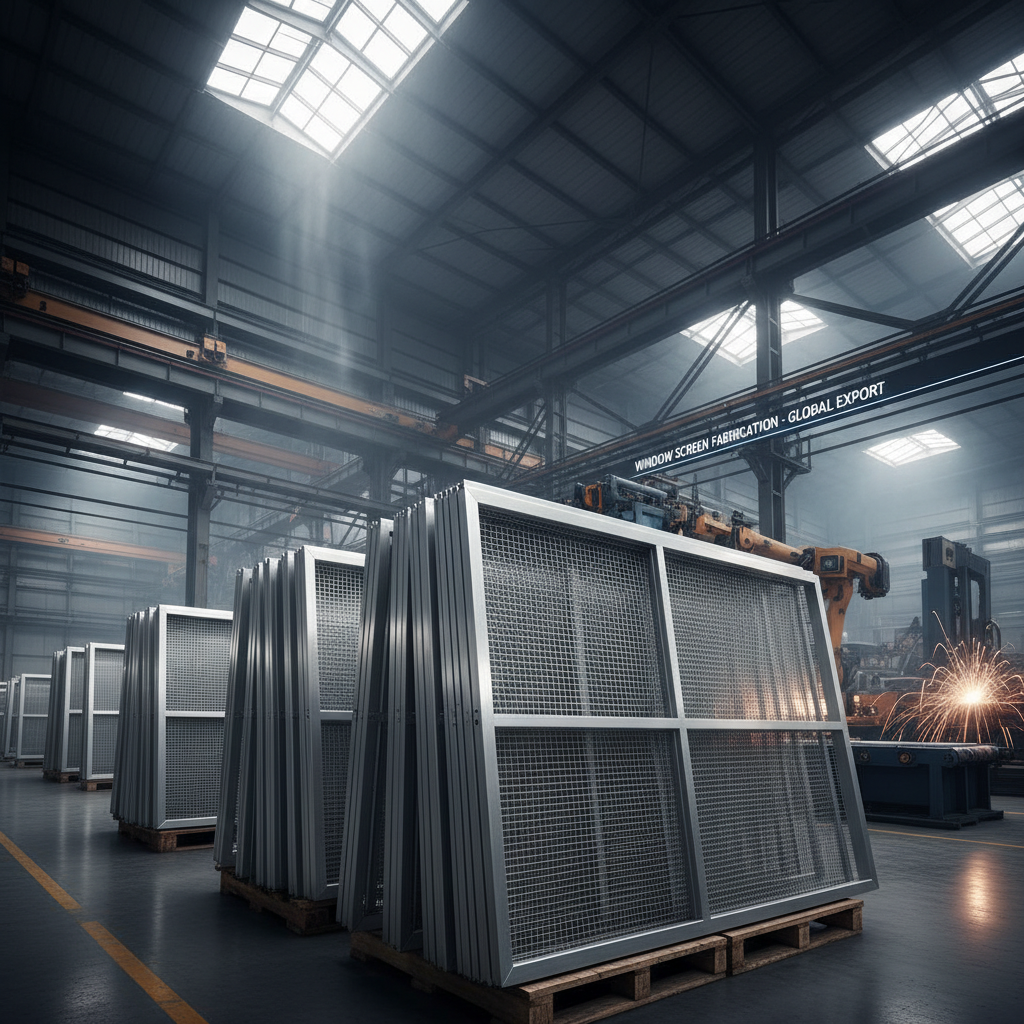
Like I said, prefabrication is huge right now. But it's not just about speed. It's about quality control, too. You can build in a controlled environment, inspect everything before it gets to the site. Less weather delays, fewer mistakes. Though, I tell ya, shipping damage is a nightmare. You open a container, and half the pieces are bent or scratched. It’s frustrating, to say the least.
And there's a push towards sustainability, which is good. Using recycled materials, reducing waste. We’ve been experimenting with some composite materials, but they still don’t quite have the same strength as steel. Not yet, anyway. They feel…plasticky. You just don’t get the same confidence when you’re tightening bolts.
Design Pitfalls and Practical Considerations
Honestly, the biggest mistake I see is over-engineering. People try to make everything too strong, too complicated. It adds cost, adds weight, and makes it harder to assemble. Keep it simple, that’s my motto. And always, always think about how the workers are going to put it together. Are they going to need special tools? Are they going to be working in tight spaces? These are the things that matter.
You've got to account for ground conditions, too. Is it rocky? Sandy? Is there a water table? A fence that works great in one location might be a disaster in another. I encountered this at a factory in Tianjin last time - they’d designed this beautiful fence, but hadn’t thought about the soft soil. The whole thing started leaning after a week.
And don't even get me started on drainage. Water is the enemy. If water gets into the structure, it will corrode everything. You need to have proper drainage channels, and you need to make sure they don't get blocked with debris. It’s a simple thing, but people forget.
Material Choices and On-Site Handling
We rely heavily on different grades of steel – Q235, Q345, that kind of thing. Each one has its own strength and ductility. You learn to recognize them by the color of the metal, the way it feels when you cut it. Strangely, the smell is different too. A good steel will have a clean, metallic scent. A bad one… well, it smells like trouble.
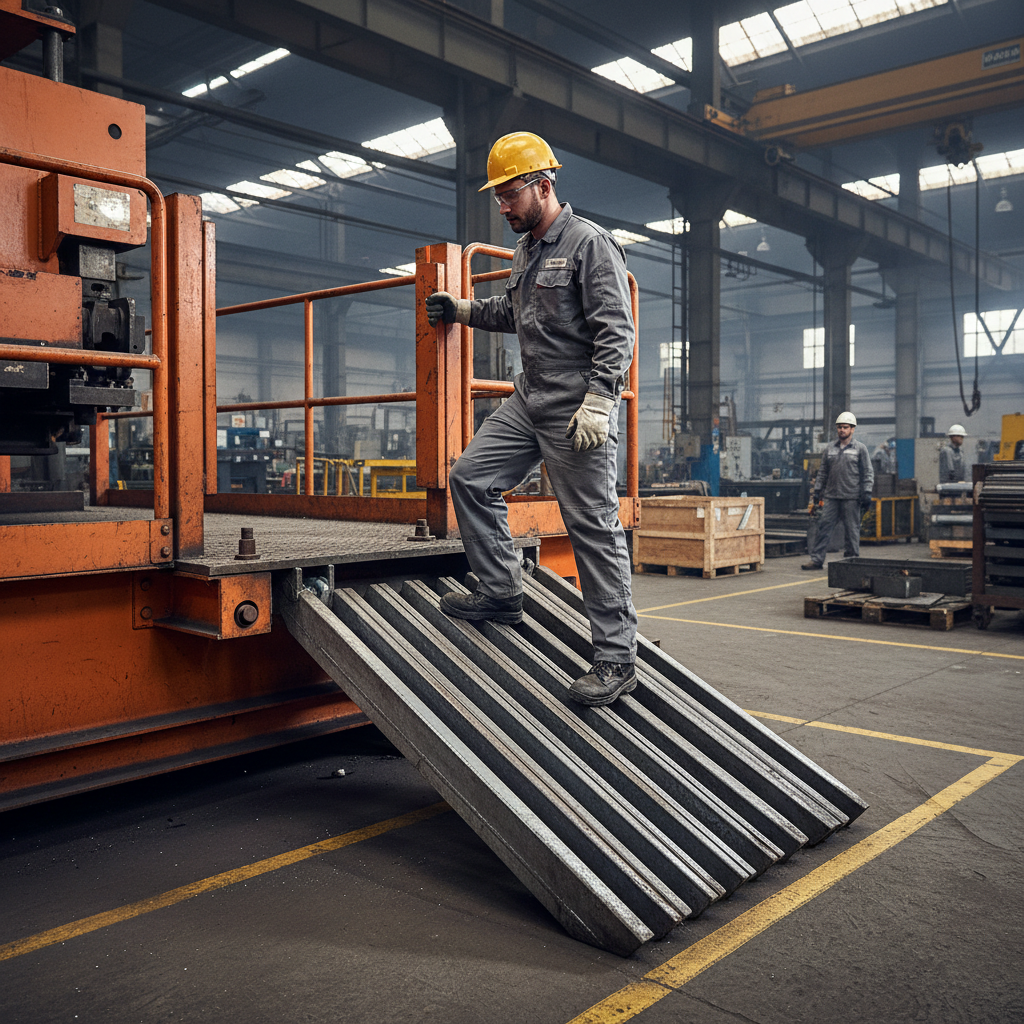
Handling these materials on site is brutal. It’s heavy, it’s awkward, and it’s often covered in grease. You need good lifting equipment, and you need to make sure your workers are wearing proper safety gear. I’ve seen too many injuries caused by carelessly handling steel. It’s not worth the risk. We try to pre-assemble as much as possible in the workshop to minimize on-site handling, but sometimes you just can’t avoid it.
And then there’s the welding. Good welding is critical. A weak weld is a failure waiting to happen. You need certified welders, and you need to inspect every weld carefully. We use ultrasonic testing, dye penetrant testing, all the fancy stuff. But honestly, a good welder can usually tell if a weld is good just by looking at it and listening to the sound it makes.
Rigorous Testing in Real-World Conditions
Lab tests are okay, but they don't tell you the whole story. You can simulate wind loads and stresses all you want in a controlled environment, but it's not the same as facing a real storm. We do a lot of field testing. We build sections of fence and just leave them out there, exposed to the elements.
We’ve got a test site near the coast where we monitor corrosion rates. We also do load testing – we hang weights from the fence and see how much it can handle before it starts to buckle. It’s not pretty, but it’s effective. And we always ask the workers for their feedback. They’re the ones who are actually using the product, so their opinion matters.
Fence Performance Metrics
User Behavior and Unexpected Applications
You know, people always use things in ways you don’t expect. We designed this one fence for a security application, but then a farmer started using it to keep his goats in. Goats! And it worked perfectly. They couldn’t break through it. That’s when you realize you’ve got a good product.
We've also found that people are using our fences for vertical gardening. They attach planters to the mesh and grow vegetables and flowers. It’s a clever idea. We never thought of that.
Advantages, Disadvantages, and Customization
The biggest advantage, of course, is strength and durability. These fences are built to last. They can withstand harsh weather conditions and resist tampering. The disadvantage? Cost. They’re not cheap. But you get what you pay for, right? And that’s where customization comes in.
We can tailor the height, width, and mesh size to meet specific requirements. Last month, a small boss in Shenzhen who makes smart home devices insisted on changing the interface to , for some reason. The result? A nightmare to connect to anything but his own devices, and a significant increase in cost. He refused to budge though. “It’s the future!” he said. Anyway, I think he realized his mistake eventually.
A Real-World Customer Story
So, a few months back, we worked with a company building a new data center in Iceland. They needed a highly secure perimeter fence to protect their servers. The location was remote, exposed to extreme weather. We designed a custom fence with extra-thick posts and a reinforced mesh.
It was a challenging project. Logistics were a nightmare. Getting materials to Iceland wasn’t easy. And the wind… the wind was unbelievable. But we got it done. And the customer was thrilled. They said it was the most secure fence they’d ever seen. That's the kind of thing that makes it all worthwhile.
Of course, they still had to hire someone to shovel the snow off it every winter. That’s Iceland, for you.
Summary of Key Design Parameters for fence
| Parameter |
Typical Value |
Impact on Performance |
Cost Consideration |
| Post Spacing |
2.5m |
Increased spacing reduces material cost but lowers structural integrity. |
Low |
| Wire Gauge |
2.5mm |
Higher gauge increases strength and durability, but also weight and cost. |
Medium |
| Galvanization Coating |
60gsm |
Heavier coating provides superior corrosion resistance, essential for coastal environments. |
Low-Medium |
| Mesh Aperture |
50mm x 150mm |
Smaller apertures increase security but may restrict visibility. |
Low |
| Foundation Depth |
600mm |
Deeper foundations provide greater stability, particularly in unstable ground conditions. |
Medium-High |
| Post Diameter |
76mm |
Larger diameter posts offer greater structural support and resistance to bending. |
Medium |
FAQS
That’s a good question. It really depends on the salinity of the air and how well it's maintained. With regular cleaning and painting, you’re looking at 20-25 years, easily. But if you ignore it, rust will start to set in after about 10 years, and then it’s a downhill slide. We always recommend a yearly inspection and a fresh coat of paint every few years to keep it in top shape.
Rocky soil is a pain. You can’t just dig a hole and pour concrete. You’ve got to break up the rock first, which is expensive and time-consuming. We usually recommend using a pier foundation, where you drill into the rock and anchor the posts with epoxy resin. It’s more work upfront, but it's the only way to guarantee a stable fence. I encountered this once on a project in Maine, and it took weeks just to get the foundations right.
Absolutely. We design a lot of electrified fences. You just need to attach the energizer and run the wires along the top of the fence. It's a relatively simple process. Just make sure you follow all the local regulations and safety guidelines. And warn people before they touch it, obviously. You don’t want anyone getting shocked.
Not leveling the posts. Seriously. It seems basic, but people always skip this step. And then the fence ends up looking crooked and wonky. It’s a pain to fix, too. You have to dig up the posts and start over. Just take your time and make sure everything is level before you start tightening the bolts. It’ll save you a lot of headaches.
The higher the gauge, the more expensive the wire. It's a simple equation. But it's also a trade-off. Thicker wire is stronger and more durable, but it also adds weight and cost. You need to find a balance between cost and performance. I always tell my customers to go with the highest gauge they can afford. You won’t regret it.
Definitely. Powder coating is a great option for both corrosion protection and aesthetics. It adds a layer of durable, weather-resistant coating that will keep the fence looking good for years. It's more expensive than painting, but it's worth it in the long run. You can get it in any color you want, too. I’ve seen some really fancy fences with custom powder coating jobs.
Conclusion
Ultimately, a good fence isn’t just about materials and design. It’s about understanding the environment, anticipating the problems, and building something that’s going to stand the test of time. It’s a surprisingly complex process, when you really get down to it. It's about knowing your steel, understanding the soil, and respecting the weather.
And honestly, whether this thing works or not, the worker will know the moment he tightens the screw. If it feels right, if it’s solid, then you know you’ve got something good. And that's the most important test of all. If you're looking for a reliable fence solution, give us a shout at www.xzmetal.com. We’ve been building fences long enough to know what works, and what doesn’t.