Wire fencing plays a crucial role in modern infrastructure and security, extending far beyond simple boundary demarcation. From agricultural applications protecting crops and livestock to high-security perimeter defenses for critical installations, the versatility of wire fencing is undeniable. Its effectiveness in controlling access, deterring threats, and defining spaces makes it a foundational element in numerous sectors globally. Understanding its intricacies – from material science to installation techniques – is paramount for effective and long-lasting implementations.
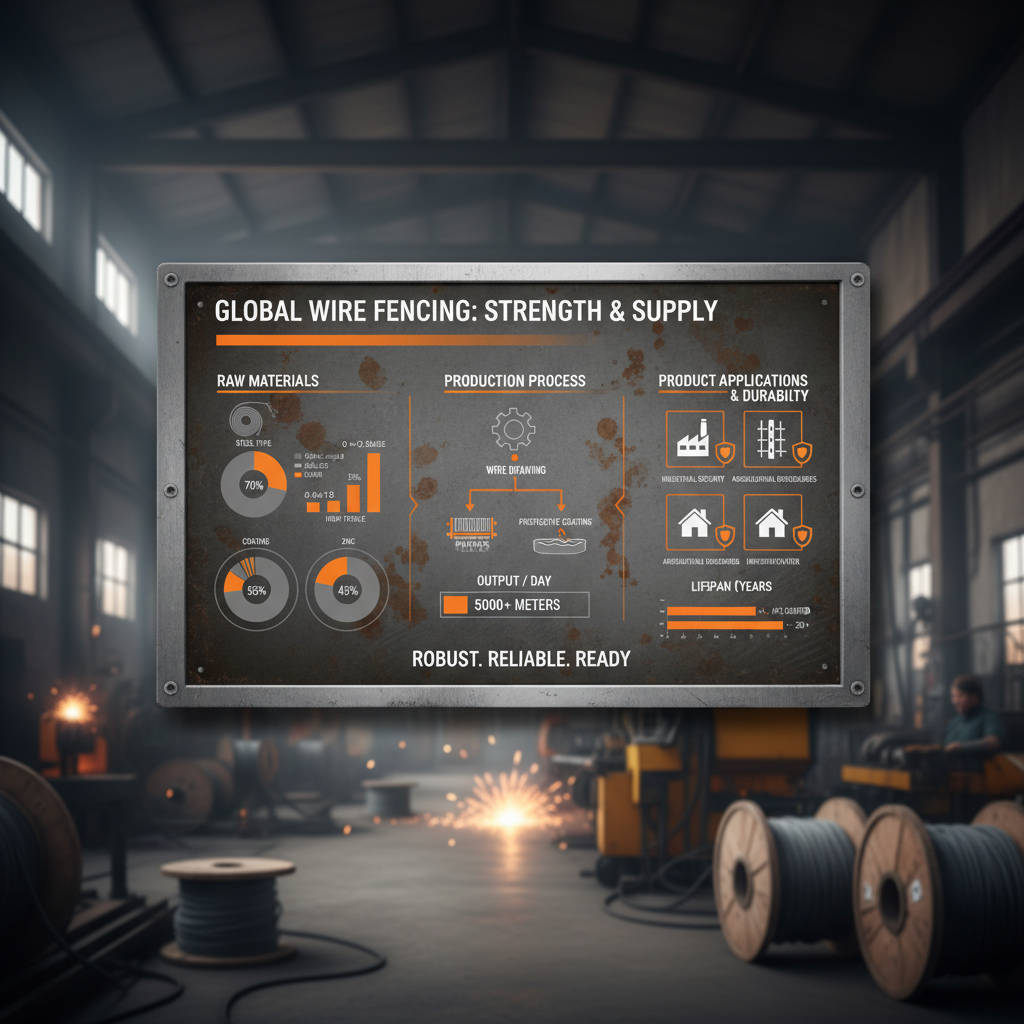
The global demand for wire fencing is driven by population growth, increasing security concerns, and the expansion of agricultural practices. The United Nations estimates over 828 million people face hunger globally (UN, 2023), underscoring the need for efficient agricultural protection. Furthermore, escalating geopolitical instability and the protection of critical infrastructure require robust security solutions, placing considerable demand on quality wire fencing. This demand necessitates innovation in materials and construction to meet evolving needs and environmental considerations.
A key challenge lies in balancing security requirements with cost-effectiveness, particularly in large-scale projects and developing economies. Effective wire fencing solutions, therefore, need to be accessible, durable, and easily deployable, offering a practical answer to varied and complex challenges.
Introduction to wire fencing
Wire fencing is a remarkably adaptable security and containment solution used globally. Its fundamental purpose – to create a physical barrier – translates into a wide range of applications, from safeguarding agricultural land to protecting high-security facilities. The continuous advancements in wire fencing materials and manufacturing processes are driving increased efficiency and reliability.
The effectiveness of a wire fencing system relies heavily on the quality of materials, the expertise of installation, and adherence to industry standards. Properly installed and maintained wire fencing can provide decades of reliable service, offering a sustainable and cost-effective solution for a variety of needs. Choosing the right type of wire fencing is pivotal to its long-term performance.
Defining wire fencing
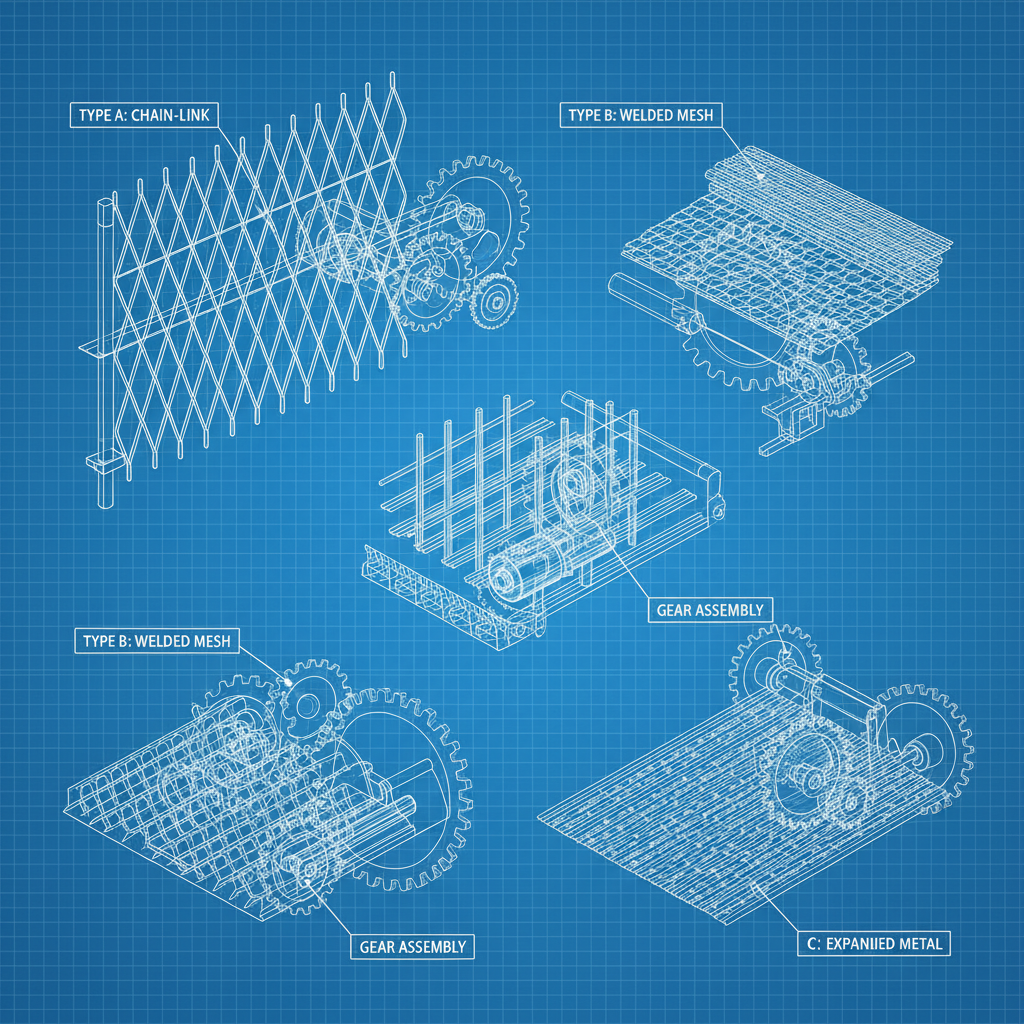
Wire fencing, in its simplest form, is a barrier constructed from woven, twisted, or welded wires, designed to enclose, separate, or protect areas. These wires can be made from various materials, most commonly steel, galvanized steel, or stainless steel, and are often coated with polymers like PVC or polyethylene for added corrosion resistance and durability. It's a broad category encompassing a diverse range of construction methods and wire gauges.
The connection to modern industry is evident in its widespread use in agriculture, livestock management, and security applications. Humanitarian needs are addressed through the rapid deployment of wire fencing for establishing temporary shelters, creating secure perimeters in refugee camps, and protecting vital resources in disaster-stricken areas. Its inherent flexibility and relative ease of installation make it an ideal solution for a variety of scenarios.
The core function of wire fencing transcends its physical structure. It represents a deliberate attempt to establish control, maintain order, and safeguard valuable assets—be they crops, livestock, infrastructure, or human life. Its very presence often acts as a deterrent, discouraging unauthorized access and potential threats.
Key Characteristics of wire fencing
Durability: Wire fencing, especially when constructed from galvanized or stainless steel, exhibits exceptional resistance to corrosion, weathering, and physical damage, ensuring a long service life. The choice of gauge and coating significantly impacts its longevity and ability to withstand harsh environmental conditions.
Scalability: A major advantage of wire fencing is its scalability. Systems can be easily extended or modified to accommodate changing needs, making it a highly adaptable solution. Whether expanding an agricultural enclosure or increasing the perimeter security of a facility, wire fencing can be readily adjusted.
Cost Efficiency: Compared to other fencing options like concrete walls or brick structures, wire fencing offers a significantly more cost-effective solution, particularly for large-scale projects. The lower material and installation costs make it accessible to a wider range of users.
Versatility: Wire fencing can be adapted to a multitude of applications. Different weaves, heights, and coatings allow it to effectively contain livestock, secure perimeters, protect crops, or serve as a safety barrier.
Ease of Installation: While professional installation is recommended, wire fencing is relatively straightforward to install, particularly for smaller projects. This simplicity translates to reduced labor costs and faster project completion.
Applications of wire fencing Worldwide
Wire fencing's applications are truly global, extending across diverse industries and environments. In agriculture, it's used extensively to contain livestock, delineate property boundaries, and protect crops from wildlife. Across vast farmlands in Australia and the Argentinian pampas, wire fencing safeguards valuable grazing land and agricultural investments.
In the security sector, wire fencing forms an essential component of perimeter security systems for military bases, airports, correctional facilities, and industrial sites. The demand for high-security wire fencing is particularly pronounced in regions with heightened geopolitical instability. In remote industrial zones such as those in Canada's oil sands, wire fencing secures critical infrastructure and protects against unauthorized access.
In post-disaster relief operations, wire fencing is crucial for establishing temporary shelters, creating secure zones for aid distribution, and controlling access to affected areas. Organizations like the Red Cross and UNHCR frequently utilize wire fencing for rapid perimeter establishment in refugee camps and emergency situations.
Wire fencing Application Areas
Advantages of Utilizing wire fencing
The benefits of choosing wire fencing extend beyond its immediate functionality. The cost-effectiveness is a primary driver, particularly for large-scale installations. Compared to more expensive options like concrete walls, wire fencing delivers comparable security at a fraction of the price. This allows resources to be allocated to other critical areas.
Sustainability is also a key advantage. Many wire fencing materials are recyclable, minimizing environmental impact. Furthermore, the long lifespan of properly maintained wire fencing reduces the need for frequent replacements, conserving resources and reducing waste. The reliability of wire fencing provides peace of mind, knowing that assets and boundaries are securely protected.
Future Trends in wire fencing
Innovation in wire fencing is accelerating, driven by advancements in materials science and digital technologies. We are seeing a move towards incorporating smart fencing systems, integrating sensors and IoT (Internet of Things) devices to provide real-time monitoring, intrusion detection, and remote access control. These technologies will vastly enhance security capabilities.
The development of more sustainable materials, such as bio-based polymers for coatings and recycled steel for wire production, is gaining momentum. This aligns with growing global demand for eco-friendly solutions. Furthermore, automation in manufacturing processes is increasing efficiency and reducing production costs.
The integration of wire fencing with renewable energy sources, such as solar-powered sensors and alarms, is another emerging trend, offering a self-sufficient and environmentally responsible solution for perimeter security and containment. These advancements will shape the future of wire fencing, making it even more versatile and effective.
Challenges and Innovative Solutions in wire fencing
Despite its many advantages, wire fencing faces challenges such as susceptibility to cutting or climbing, and potential for corrosion in harsh environments. Addressing these limitations requires continuous innovation. High-tensile wire fencing combined with anti-climb features, such as barbed wire or razor wire, enhances security significantly.
Corrosion resistance can be improved through the use of advanced coatings, such as epoxy or specialized polymer blends. Regular maintenance and inspection are also crucial for identifying and addressing corrosion issues before they escalate. The use of galvanized steel with a high zinc content also provides excellent long-term corrosion protection.
Another challenge lies in ensuring proper installation. Incorrect installation can compromise the integrity of the fencing system, making it vulnerable to breaches. Investing in skilled and experienced installers, and adhering to industry best practices, are essential for maximizing the effectiveness of wire fencing.
Summary of Innovative Solutions in Wire Fencing
| Challenge |
Solution Type |
Implementation Cost (1-10) |
Effectiveness Rating (1-10) |
| Vulnerability to Cutting |
High-Tensile Wire & Barbed/Razor Wire |
6 |
9 |
| Corrosion in Harsh Climates |
Advanced Polymer Coatings |
7 |
8 |
| Climbing |
Anti-Climb Mesh Panels |
8 |
9 |
| Monitoring & Alerting |
Integrated Sensor Systems (IoT) |
9 |
7 |
| Installation Quality |
Certified Installer Programs |
5 |
10 |
| Environmental Impact |
Recycled Materials & Sustainable Coatings |
6 |
7 |
FAQS
The most prevalent materials are galvanized steel, known for its rust resistance, and stainless steel, offering superior durability and corrosion protection. Other materials include PVC-coated wire for added protection and aesthetic appeal, and high-tensile steel wire for robust security applications. The choice depends on budget, environmental factors, and required security levels.
The lifespan of wire fencing varies significantly depending on the material, coating, and environmental conditions. Galvanized steel fencing can last 15-20 years with proper maintenance. Stainless steel offers a lifespan of 30+ years. Regularly inspecting for corrosion and damage and applying protective coatings can extend its lifespan considerably.
Woven wire fencing is created by interweaving vertical and horizontal wires, providing flexibility and strength. Welded wire fencing has wires joined by welding, resulting in a more rigid structure. Woven wire is better suited for containing livestock, while welded wire is often used for security and garden fencing.
Yes, wire fencing can be adapted for steep terrain, but requires careful planning and installation. Using heavier gauge wire, closer post spacing, and proper bracing are crucial for maintaining stability. Chain-link fencing or welded wire mesh can often provide better results on challenging slopes than woven wire.
Installation costs vary based on the type of fencing, the length of the perimeter, terrain difficulty, and labor rates. Material costs range from $2 to $15 per linear foot. Labor typically adds another $2 to $8 per linear foot. Complex installations on steep terrain will significantly increase costs.
Regular inspection for corrosion, damage, and loose wires is essential. Repair any damage promptly. Apply protective coatings to exposed areas. Clear vegetation growing around the fence line to prevent moisture buildup and corrosion. Tighten any loose wires or posts to maintain structural integrity.
Conclusion
Wire fencing remains an indispensable solution for a diverse range of applications, from agriculture and security to disaster relief and infrastructure protection. Its cost-effectiveness, scalability, and durability, coupled with ongoing innovations in materials and technologies, solidify its position as a cornerstone of modern containment and security systems. The adaptability of wire fencing ensures its continued relevance in addressing evolving global challenges.
Looking ahead, the integration of smart technologies, a focus on sustainable materials, and improved installation practices will further enhance the value of wire fencing. Investing in quality materials, professional installation, and regular maintenance will ensure long-term reliability and maximize the return on investment. For all your wire fencing needs, visit our website: www.xzmetal.com