
Feb . 22, 2026 01:45 Back to list
Comprehensive Guide to China Gabion Bags Applications and Benefits
China Gabion Bag: A Comprehensive Guide to Applications & Benefits
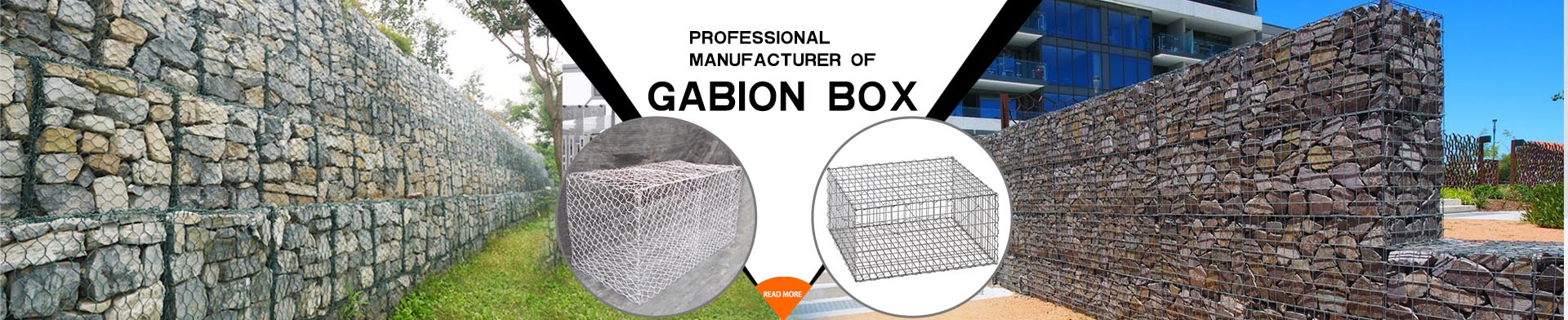
Gabion baskets, particularly those manufactured in China, have become increasingly popular in various civil engineering and landscaping projects worldwide. These wire mesh containers filled with rocks, stones, or other materials offer a cost-effective and environmentally friendly solution for erosion control, retaining walls, and aesthetic landscaping. This article provides an in-depth look at China gabion bags, their applications, benefits, and what to consider when purchasing from a supplier.
Understanding Gabion Bags and Their Construction
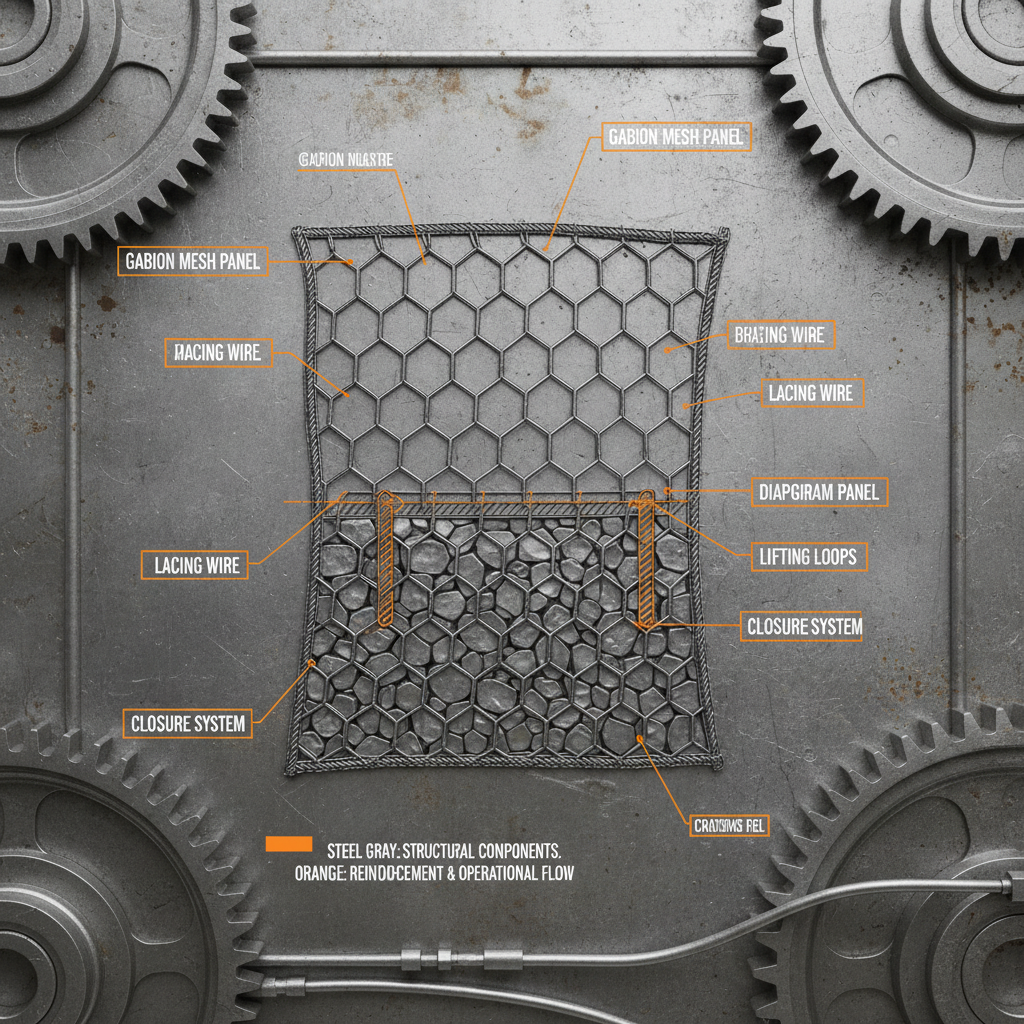
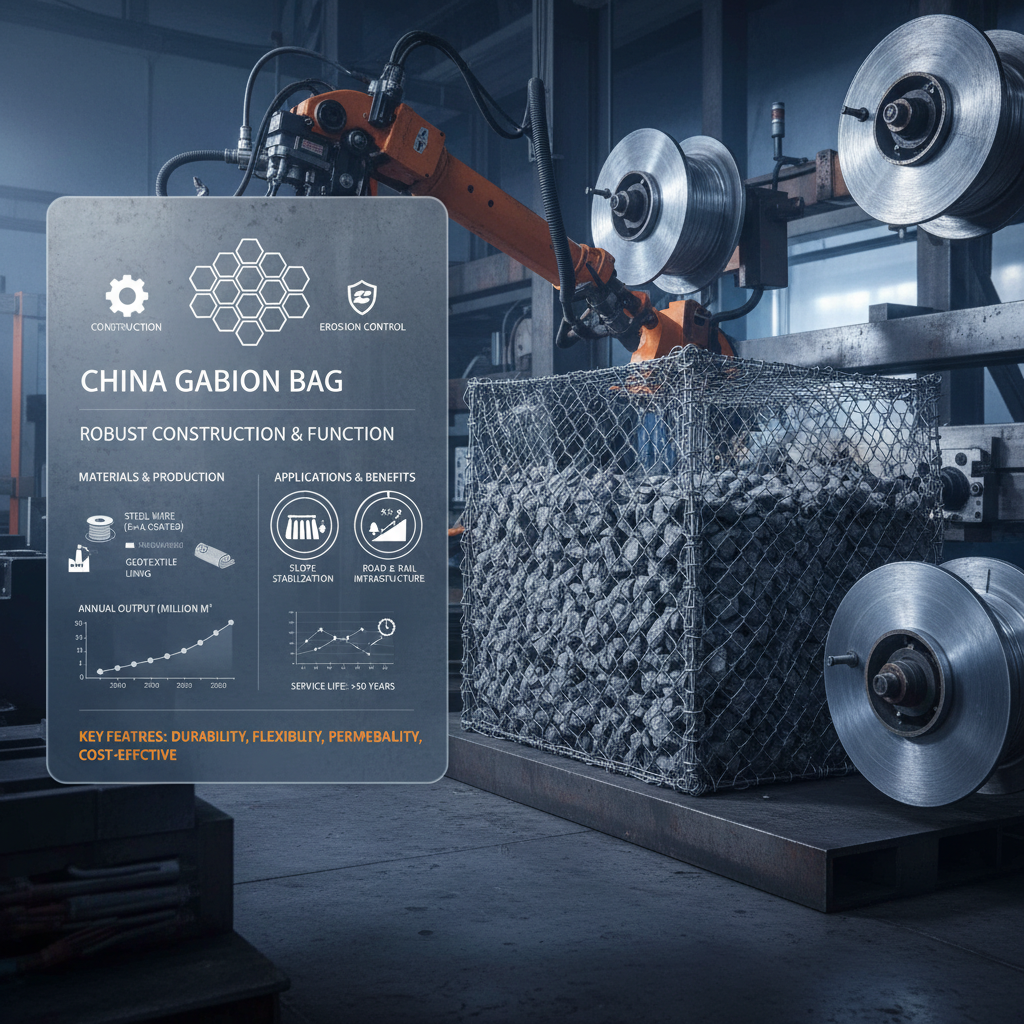
A gabion bag is essentially a wire mesh cage designed to be filled with inorganic materials like rocks, concrete, or sand. The mesh is typically made from galvanized steel, but can also be PVC coated for added durability and corrosion resistance. The construction of China gabion bags emphasizes strength and longevity, often utilizing high-tensile steel wire and precise welding techniques. These bags come in various sizes and shapes to suit diverse project requirements. The flexibility of gabion structures allows them to conform to the terrain, providing a natural-looking and effective solution for erosion control and stabilization.
Key Benefits: Cost-effective, permeable, environmentally friendly, flexible, durable, and aesthetically pleasing.
Key Applications of China Gabion Bags
The versatility of China gabion bags makes them suitable for a broad spectrum of applications, including:
- Retaining Walls: Providing support for slopes and preventing landslides.
- Erosion Control: Protecting riverbanks, shorelines, and hillsides from erosion.
- Channel Lining: Stabilizing stream beds and drainage channels.
- Landscaping: Creating attractive and functional features in gardens and public spaces.
- Road Construction: Building noise barriers and slope stabilization structures.
- Architectural Features: Designing unique and aesthetically pleasing facades and structures.
Application Highlights:
• Versatile solutions for diverse engineering challenges.
• Cost-effective alternative to traditional construction methods.
• Environmentally sustainable and promotes vegetation growth.
China Gabion Bags vs. Other Retaining Wall Solutions
Compared to traditional retaining wall methods like concrete or timber, China gabion bags offer several advantages. They are often more cost-effective, easier to install, and require less specialized equipment. Gabion walls are also permeable, allowing water to drain freely, which reduces hydrostatic pressure and enhances stability. Furthermore, gabion structures are flexible and can adapt to ground movement without cracking, unlike rigid concrete walls. They also have a smaller environmental impact and can promote vegetation growth, blending seamlessly into the surrounding landscape.
Choosing the Right China Gabion Bag Supplier
When sourcing China gabion bags, it’s crucial to select a reputable supplier that offers high-quality products and reliable service. Look for suppliers with:
- ISO 9001 Certification: Demonstrates a commitment to quality management.
- Competitive Pricing: Balance cost with quality and reliability.
- Wide Product Range: Ability to meet diverse project requirements.
- Strong Manufacturing Capabilities: Ensure consistent product quality and timely delivery.
- Excellent Customer Support: Responsive and helpful assistance throughout the process.
Conclusion: A Sustainable and Effective Solution
Investing in Quality Gabion Bags
China gabion bags offer a sustainable, cost-effective, and reliable solution for a wide range of engineering and landscaping projects. By choosing a reputable supplier like XZ Metal, you can ensure you receive high-quality products and expert support. Consider the specific requirements of your project and select gabion bags that meet the necessary standards for durability and performance.
Frequently Asked Questions (FAQs)
What size gabion bags are available?
XZ Metal offers a comprehensive range of gabion bag sizes to cater to diverse project needs. Common sizes include 1m x 1m x 1m, 2m x 1m x 1m, 3m x 1m x 1m, and 4m x 1m x 1m. Custom sizes are also available upon request, allowing for tailored solutions. The choice of size depends on the project's scale, the type of fill material used, and the desired aesthetic outcome. Proper size selection ensures optimal stability and efficient installation.
What materials can be used to fill gabion bags?
Gabion bags are typically filled with durable, inorganic materials. Common choices include rocks, stones, concrete rubble, and even recycled materials. The material should be angular and well-graded to maximize interlock and stability. Avoid using organic materials like soil or wood chips, as they can decompose and compromise the structure's integrity. The fill material should also be resistant to weathering and degradation to ensure long-term performance.
How long do gabion walls typically last?
With proper design and construction, gabion walls can have a lifespan of 50 to 100 years or even longer. The durability depends on factors such as the quality of the materials used (including the wire mesh and fill material), the environmental conditions, and the level of maintenance. Regularly inspecting the structure for signs of corrosion or damage and addressing any issues promptly can significantly extend its lifespan. Choosing a reputable supplier like XZ Metal ensures you receive high-quality materials built to last.
Are gabion walls suitable for seismic zones?
Yes, gabion walls are well-suited for seismic zones due to their inherent flexibility. Unlike rigid structures, gabion walls can absorb and dissipate seismic energy, reducing the risk of collapse. The interconnected mesh allows the wall to deform and adjust to ground movement without fracturing. However, it's crucial to consult with a qualified geotechnical engineer to ensure the design meets the specific seismic requirements of the location and that appropriate reinforcement measures are incorporated.
-
Hop Dipped Galvanized/PVC Coated Temporary Fence-Durable, Versatile, Reliable|Anping County Xingzhi Metal Wiremesh Products Co., Ltd
NewsApr.14,2026
-
Hop Dipped Galvanized/PVC Coated Temporary Fence-Durable, Versatile, Reliable|Anping County Xingzhi Metal Wiremesh Products Co., Ltd
NewsApr.14,2026
-
Hop Dipped Galvanized/PVC Coated Temporary Fence-Durable, Versatile, Reliable|Anping County Xingzhi Metal Wiremesh Products Co., Ltd
NewsApr.14,2026
-
China PVC Coated Gabion Basket A Comprehensive Guide to Sourcing and Applications
NewsFeb.24,2026
-
China Gabion Wall Solutions for Construction and Erosion Control
NewsFeb.23,2026
-
Comprehensive Guide to China Gabion Bags Applications and Benefits
NewsFeb.22,2026