
Feb . 18, 2026 01:45 Back to list
Comprehensive Guide to China Temporary Fencing for Construction Site Safety
China Temporary Fencing for Construction Site: A Comprehensive Guide
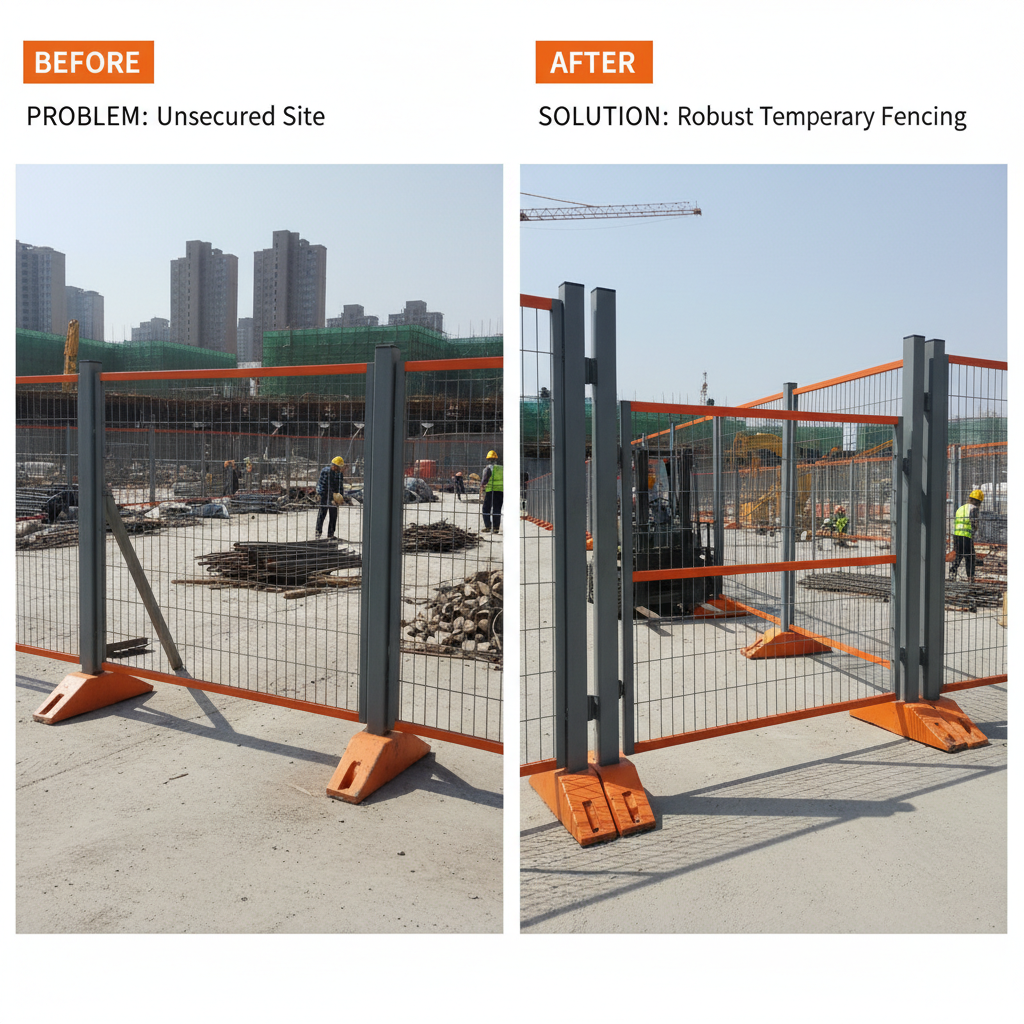
Construction sites demand robust safety measures, and effective perimeter control is paramount. China temporary fencing provides a cost-effective and reliable solution for securing construction sites, controlling access, and enhancing overall safety. This article delves into the benefits, types, installation, and considerations when choosing temporary fencing from China for your construction project. Investing in quality temporary fencing is a critical step towards a safe and organized construction environment.
Why Choose Temporary Fencing from China?
Sourcing temporary fencing from China offers significant advantages, primarily in terms of cost-effectiveness. Chinese manufacturers have streamlined production processes and benefit from economies of scale, allowing them to offer competitive pricing without compromising on quality. Beyond price, a wide range of fencing options are available, from welded mesh panels to chain link fencing, catering to diverse site requirements. Furthermore, many Chinese suppliers, like XZ Metal, offer customization options, ensuring the fencing perfectly fits your specifications. Reliable suppliers can also provide efficient shipping and logistics solutions, ensuring timely delivery to your construction site.
Types of China Temporary Fencing
Several types of temporary fencing are commonly sourced from China. Each type offers different levels of security and suitability for various applications. Here's an overview:
Key Types of Temporary Fencing: Welded Mesh Panels, Chain Link Fencing, Crowd Control Barriers, Plastic Barrier Fencing.
China Temporary Fencing for Construction Site: Comparison of Popular Options
Choosing the right type of temporary fencing requires careful consideration of your project's specific needs. Here's a comparison of some popular options:
Installation and Best Practices
Proper installation is crucial for the effectiveness of your temporary fencing. Start by conducting a site assessment to identify potential hazards and determine the optimal fencing layout. Ensure the ground is relatively level and stable. Use appropriate fencing feet or stabilizers to provide a secure base. Connect panels securely using clamps or ties. Regularly inspect the fencing for damage or instability, especially after adverse weather conditions. Consider adding warning signs to clearly demarcate the construction zone and prevent unauthorized access. XZ Metal can provide guidance on installation best practices and even offer installation services.
Key Considerations When Sourcing from China
When sourcing China temporary fencing, prioritize suppliers with a proven track record of quality and reliability. Verify their certifications and quality control processes. Clearly communicate your specifications and requirements to ensure accurate production. Request samples to assess the quality of the materials and workmanship. Factor in shipping costs and lead times when evaluating pricing. Look for suppliers offering comprehensive support, including pre-sales consultation, installation guidance, and after-sales service.
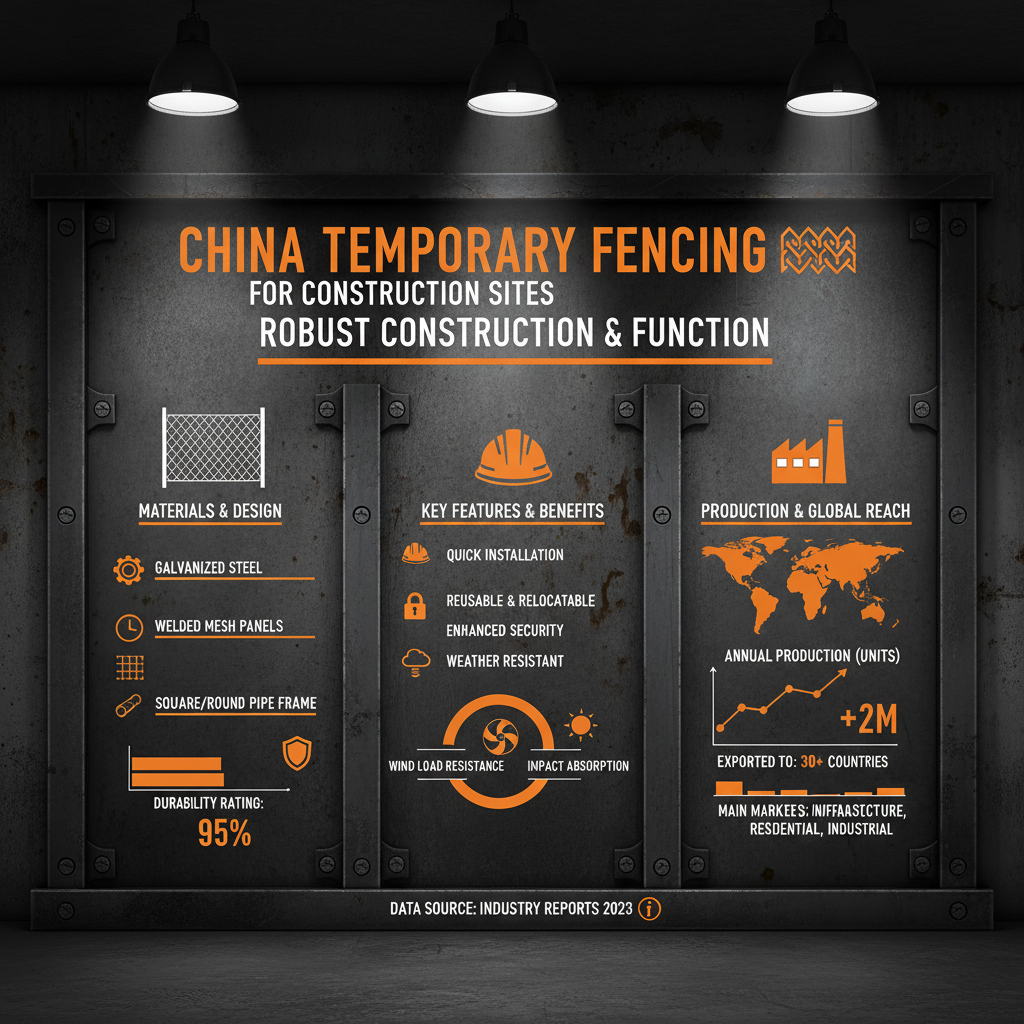
Conclusion: Secure Your Site with Quality Chinese Temporary Fencing
Investing in high-quality temporary fencing from China is a smart and cost-effective way to enhance safety and security on your construction site. By carefully considering your project's needs, choosing a reputable supplier, and following best practices for installation and maintenance, you can create a secure perimeter that protects your workers, equipment, and the public. Don't compromise on safety – choose a reliable fencing solution from a trusted Chinese manufacturer.
Frequently Asked Questions (FAQs)
What is the typical lifespan of temporary fencing sourced from China?
The lifespan of temporary fencing varies depending on the material and environmental conditions. Generally, galvanized steel fencing can last for several years with proper maintenance. Welded mesh panels, often made of lower carbon steel, may have a shorter lifespan, especially if exposed to harsh weather. Plastic fencing is typically less durable. Regular inspection for rust, corrosion, and damage is crucial. Proper storage during periods of non-use can also extend the lifespan of the fencing. Consider the frequency of use and the expected environmental conditions when estimating the lifespan and planning for replacements.
What are the common shipping methods for temporary fencing from China?
The most common shipping methods for temporary fencing from China are sea freight and air freight. Sea freight is generally more cost-effective for large orders but has longer transit times (typically 3-6 weeks). Air freight is faster (typically 3-7 days) but significantly more expensive. For smaller orders or urgent requirements, express courier services like DHL or FedEx can be used. The choice of shipping method depends on your budget, time constraints, and the volume of the order. Be sure to factor in shipping costs when comparing quotes from different suppliers.
What certifications should I look for when choosing a supplier?
Look for suppliers with certifications like ISO 9001 (Quality Management System) and CE marking (European Conformity). These certifications demonstrate a commitment to quality control and adherence to international standards. Additionally, verify that the fencing meets relevant safety standards for your region. Request documentation from the supplier to confirm the validity of their certifications. Working with a certified supplier provides assurance that you are receiving a product that meets the required safety and quality standards.
-
Hop Dipped Galvanized/PVC Coated Temporary Fence-Durable, Versatile, Reliable|Anping County Xingzhi Metal Wiremesh Products Co., Ltd
NewsApr.14,2026
-
Hop Dipped Galvanized/PVC Coated Temporary Fence-Durable, Versatile, Reliable|Anping County Xingzhi Metal Wiremesh Products Co., Ltd
NewsApr.14,2026
-
Hop Dipped Galvanized/PVC Coated Temporary Fence-Durable, Versatile, Reliable|Anping County Xingzhi Metal Wiremesh Products Co., Ltd
NewsApr.14,2026
-
China PVC Coated Gabion Basket A Comprehensive Guide to Sourcing and Applications
NewsFeb.24,2026
-
China Gabion Wall Solutions for Construction and Erosion Control
NewsFeb.23,2026
-
Comprehensive Guide to China Gabion Bags Applications and Benefits
NewsFeb.22,2026