
Feb . 11, 2026 01:45 Back to list
Comprehensive Guide to China Construction Site Fence Safety and Selection
China Construction Site Fence: A Comprehensive Guide
Ensuring site safety is paramount in any construction project, and a robust china construction site fence is a critical component of that strategy. These fences act as barriers, protecting workers and the public from potential hazards. This article delves into the various types of construction site fencing, their benefits, materials, and crucial factors to consider when making a purchase. We'll explore how choosing the right fencing can enhance safety, security, and overall project efficiency. A well-chosen fence isn’t just a boundary; it's a vital safety measure.
Types of China Construction Site Fences
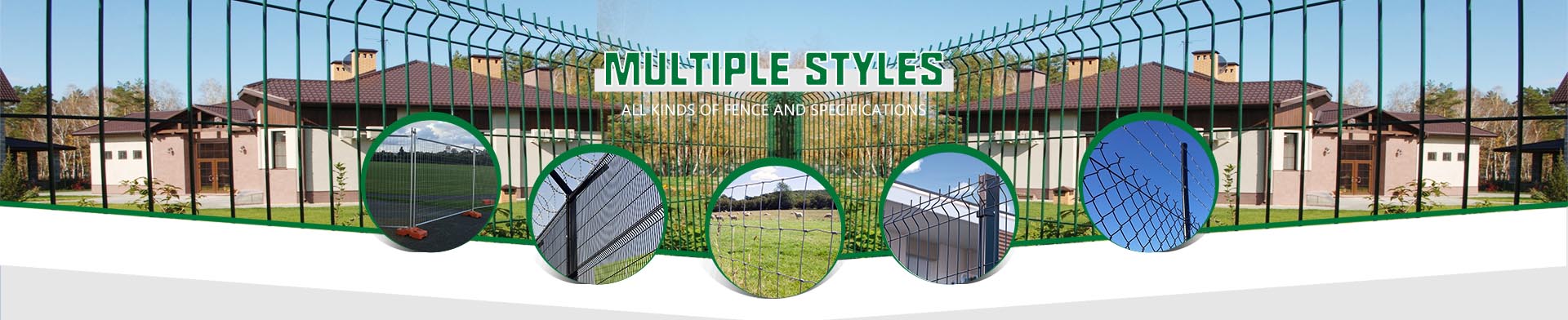
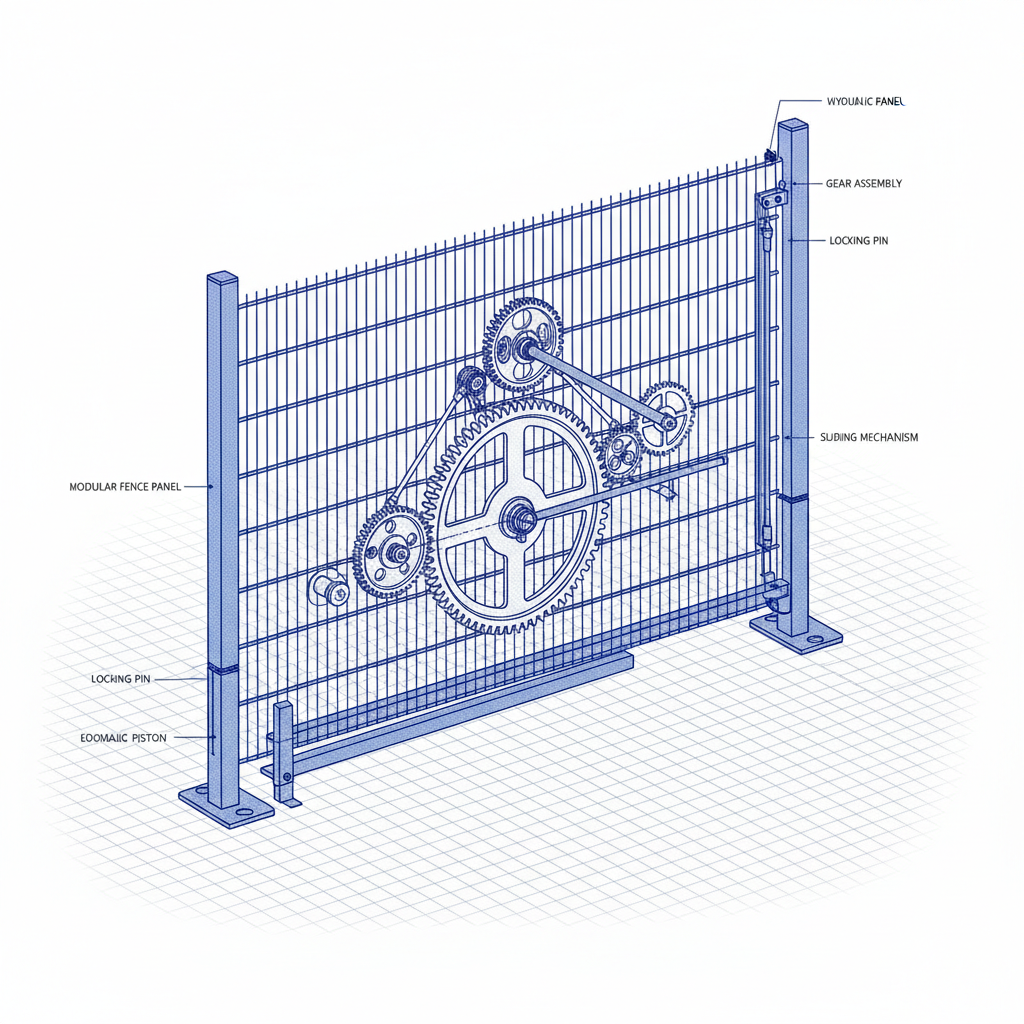
The market offers a variety of construction site fences designed to meet different needs and budgets. Common types include chain link fences, welded wire mesh fences, plastic safety netting, and temporary fencing systems. Chain link is a cost-effective, durable option, while welded wire mesh provides greater security. Plastic safety netting is primarily used to contain dust and debris. Temporary fencing, often made of metal or plastic, is portable and easy to install, making it ideal for projects with changing boundaries. Selecting the right type depends on the site's specific requirements, including security level, wind load, and budget constraints.
Key Considerations: Understanding your site’s security needs, potential weather conditions, and budget are crucial when selecting the appropriate construction fence.
Materials Used in China Construction Site Fences
Construction site fences are typically made from materials like galvanized steel, PVC-coated steel, and high-density polyethylene (HDPE). Galvanized steel offers excellent strength and corrosion resistance. PVC coating adds an extra layer of protection against rust and weathering. HDPE is a lightweight, durable plastic ideal for temporary fencing. The choice of material depends on the environment and the desired lifespan of the fence. For coastal areas or sites with harsh weather conditions, galvanized steel or PVC-coated steel are recommended. Investing in quality materials ensures longevity and reduces maintenance costs.
Material Advantages:
• Galvanized Steel: Strength and corrosion resistance.
• PVC-Coated Steel: Enhanced protection against rust and weathering.
• HDPE: Lightweight and durable for temporary solutions.
China Construction Site Fence vs. Other Fencing Options
Compared to residential or agricultural fencing, china construction site fence is built for robust protection and temporary use. It prioritizes functionality and security over aesthetics. Residential fences often focus on privacy and visual appeal, while construction fences are designed to deter unauthorized access and contain hazards. Construction site fencing typically uses heavier gauge materials and more secure fastening systems to withstand the demanding conditions of a building site. It is also designed for easier installation and removal as project needs evolve.
Factors to Consider When Purchasing
When selecting a china construction site fence, consider the following: site size, security needs, local regulations, wind load requirements, and budget. Ensure the fence height is sufficient to deter unauthorized access. Check local building codes for specific fencing requirements. Choose a supplier with a reputation for quality and reliability, like XZ Metal. Proper installation is also crucial for ensuring the fence's effectiveness and stability. Don’t overlook the importance of safety signage to clearly indicate restricted areas.
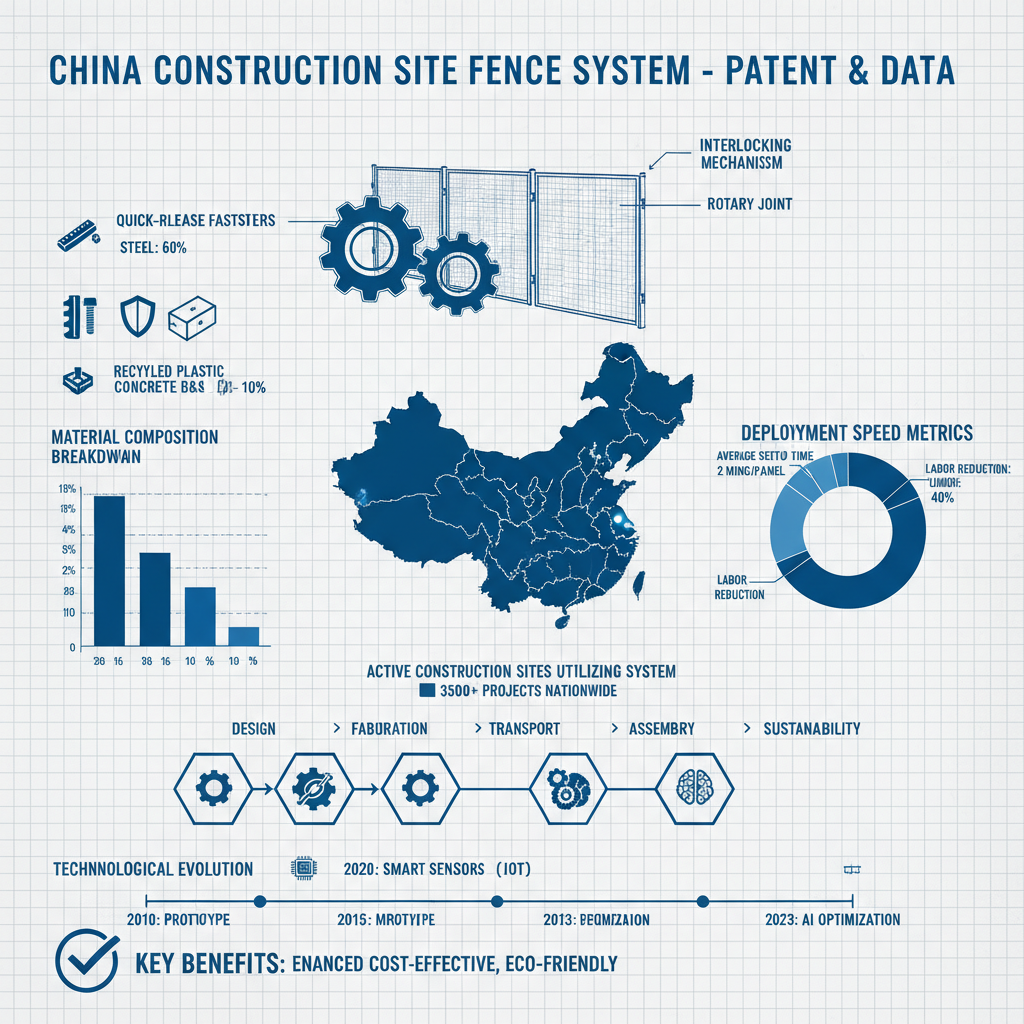
Product Specifications and Quality Control
Reliable manufacturers like XZ Metal adhere to strict quality control measures throughout the production process. This includes material testing, weld inspections, and dimensional accuracy checks. Common specifications for construction site fences include wire gauge, mesh size, post diameter, and coating thickness. Understanding these specifications is essential for ensuring the fence meets your project's requirements. A high-quality fence will not only provide superior security but also withstand the rigors of the construction environment.
Conclusion: Prioritizing Safety with Quality Fencing
Investing in a high-quality china construction site fence from a trusted supplier like XZ Metal is an investment in safety and security. Proper fencing prevents accidents, protects workers and the public, and helps maintain a secure construction site. Choosing the right materials and specifications ensures the fence can withstand the demands of the environment and provide long-lasting performance. Don’t compromise on safety – choose wisely.
Frequently Asked Questions (FAQs)
What is the recommended height for a construction site fence?
The recommended height for a construction site fence is typically between 6ft (1.8m) and 8ft (2.4m). This height is sufficient to deter most unauthorized access and provides a visible barrier. Local regulations may specify minimum height requirements, so it's crucial to check with your local building authority. The height should also be considered in relation to the site's topography and potential climbing hazards.
How often should construction site fencing be inspected?
Construction site fencing should be inspected regularly, ideally on a weekly basis, and after any significant weather events. Inspections should focus on identifying any damage, such as holes, loose wires, or unstable posts. Damaged sections should be repaired or replaced immediately to maintain the fence's integrity and effectiveness. Documenting inspections can provide a record of maintenance and demonstrate compliance with safety regulations.
What are the benefits of using temporary fencing?
Temporary fencing offers several benefits, including portability, ease of installation, and cost-effectiveness. It’s ideal for projects with changing boundaries or short-term needs. Temporary fencing is typically made of lightweight materials, making it easy to move and adjust as the construction progresses. It provides a quick and efficient solution for securing a construction site without the need for permanent infrastructure.
Does XZ Metal offer custom fencing solutions?
Yes, XZ Metal provides custom fencing solutions tailored to your specific project requirements. We can adapt fence heights, mesh sizes, and coatings to meet your needs. Our team will work with you to design and manufacture a fencing system that ensures optimal safety and security for your construction site.
-
Hop Dipped Galvanized/PVC Coated Temporary Fence-Durable, Versatile, Reliable|Anping County Xingzhi Metal Wiremesh Products Co., Ltd
NewsApr.14,2026
-
Hop Dipped Galvanized/PVC Coated Temporary Fence-Durable, Versatile, Reliable|Anping County Xingzhi Metal Wiremesh Products Co., Ltd
NewsApr.14,2026
-
Hop Dipped Galvanized/PVC Coated Temporary Fence-Durable, Versatile, Reliable|Anping County Xingzhi Metal Wiremesh Products Co., Ltd
NewsApr.14,2026
-
China PVC Coated Gabion Basket A Comprehensive Guide to Sourcing and Applications
NewsFeb.24,2026
-
China Gabion Wall Solutions for Construction and Erosion Control
NewsFeb.23,2026
-
Comprehensive Guide to China Gabion Bags Applications and Benefits
NewsFeb.22,2026