
Dec . 02, 2025 11:20 Back to list
Comprehensive Guide to Gabion Box Sizes: Applications, Benefits & Vendors
Understanding Gabion Box Sizes: Practical Insights for Global Applications
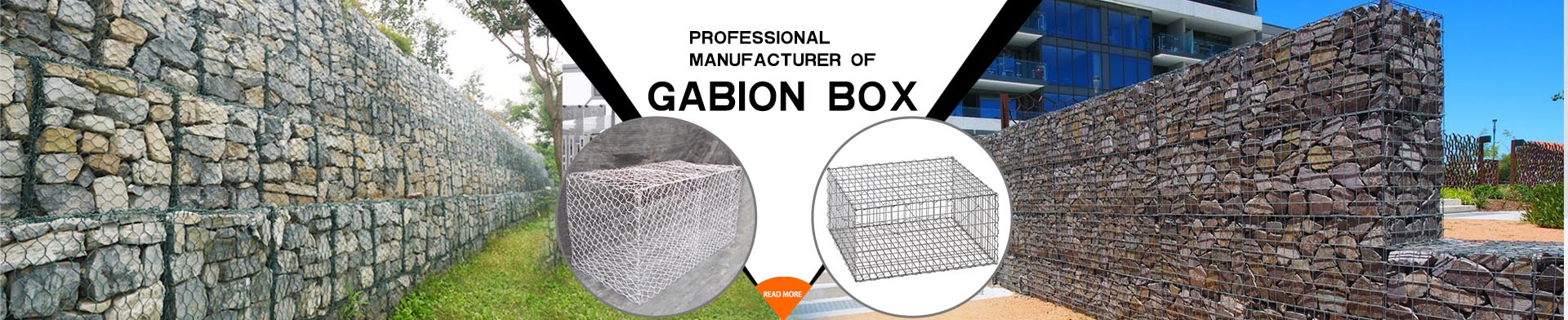
Gabion boxes might not be the flashiest topic in the construction or humanitarian space, but their sizes and configurations play a surprisingly vital role worldwide. Essentially, these wire mesh containers filled with stone are foundational in erosion control, landscaping, and infrastructure works. But why does gabion box size truly matter? Well, picking the right size affects everything from durability to cost, flexibility, and even how quickly a project can be executed — especially in critical scenarios like flood defenses or post-disaster recovery efforts.
Global Context: Why Gabion Box Sizes Matter Everywhere
Globally, increasing urbanization coupled with climate change has ramped up demand for efficient and sustainable construction methods. The United Nations’ Sustainable Development Goals emphasize resilient infrastructure—gabion boxes fit this bill nicely. As per the World Bank, over 1.6 billion people live in slums or vulnerable housing, where affordable and rapid construction solutions become essential, often leveraging gabions for retaining structures or temporary barriers.
One challenge surfaces, though: Without standardized or appropriate gabion box sizes, projects can get bogged down by material waste, structural inefficiencies, or logistical headaches. That’s where understanding these sizes provides leverage — literally and figuratively — in engineering safer, greener, and more cost-effective solutions.
Defining Gabion Box Sizes
In simple terms, gabion boxes are wire cages often made of galvanized steel or PVC-coated mesh, filled with stones or rubble. Their dimensions, or gabion box sizes, vary primarily in length, width, and height and often come as modular units, e.g., 1 m × 1 m × 1 m or larger. The sizes are chosen based on the specific application, terrain, and load requirements.
Modern construction and humanitarian aid increasingly depend on modular solutions. Gabion box sizes allow flexibility; engineers can stack or connect them to create walls, embankments, or flood barriers. It’s a practical answer to both infrastructure demands in remote industrial zones and emergency shelter in disaster-stricken areas.
Core Components Influencing Gabion Box Size Choice
- Durability: The physical stress, weather, and intended lifespan influence what size and mesh type is appropriate.
- Scalability: Smaller boxes are easier to transport and assemble on site, whereas larger sizes reduce assembly labor but demand heavier machinery.
- Cost Efficiency: Size directly impacts costs — not just material, but transport and labor as well.
- Environmental Adaptability: Different terrains or climate zones require particular gabion configurations to prevent erosion effectively.
- Load-bearing Requirements: Infrastructure needs define gabion dimensions — for example, road retaining walls versus small garden landscaping.
Mini takeaway: Deciding on the right gabion box size is a balancing act involving project scale, budget, and environmental conditions — no one-size-fits-all.
Gabion Box Size Specs – Typical Dimensions
| Model | Length (m) | Width (m) | Height (m) | Mesh Type | Typical Fill |
|---|---|---|---|---|---|
| Standard Cube | 1.0 | 1.0 | 1.0 | 4x4mm galvanized | River stone |
| Rectangular Large | 2.0 | 1.0 | 1.0 | PVC coated 5x5mm | Granite rubble |
| Small Cube | 0.5 | 0.5 | 0.5 | Galvanized 4x4mm | Mixed stones |
Real-World Uses of Gabion Box Sizes Globally
From mountainous regions in Nepal to coastal defenses in the Netherlands, gabion boxes adapt well thanks to varied sizes. Disaster relief organizations often use smaller gabion boxes for rapid deployment barriers against flooding, while civil engineers prefer larger sizes for highway embankments.
- Post-disaster Flood Control: In flood-prone areas like Bangladesh, modular gabion boxes act as quick, reusable flood walls.
- Infrastructure Development: In mining zones in Australia, gabion sizes are selected to stabilize slopes and protect access roads.
- Urban Landscaping: Cities use gabion walls for noise reduction and greenery support, choosing sizes that blend form with function.
Mini takeaway: Flexibility in gabion box sizes ensures they fit into diverse sectors across continents—making them indispensable in both emergency and long-term projects.
Advantages & Lasting Value
Gabion boxes score high on cost efficiency because they use locally available stone, lowering transport costs. They’re sustainable, with a 100% recyclable wire mesh and no need for concrete, which means a smaller carbon footprint. Socially, their rapid deployment enhances community safety and dignity during fragile moments.
There’s also an emotional satisfaction in seeing something “heavy and rough” become a nurturing retaining wall or bridge foundation. Engineers often mention the trustworthiness and longevity these structures provide, sometimes lasting decades with minimal maintenance.
Future Trends Shaping Gabion Box Sizes
Oddly enough, innovations are sprouting around these “traditional” cages. New materials like high-tensile steel and biodegradable coatings promise durability with yet less environmental impact. Digital modeling enables precise custom sizes for complex terrains — reducing waste.
Expect to see integration with green energy concepts: solar panel installations atop gabion walls or vegetation-enhancing gabion designs that improve air quality and urban biodiversity.
Challenges & Expert Solutions
One sticking point is transportation. Larger gabion boxes require heavy machinery — not always accessible in remote areas. But experts suggest pre-assembled modular kits or collapsible designs to circumvent this.
Another concern is corrosion in harsh environments. Using PVC-coated mesh or stainless steel offers a promising fix, though it ups costs somewhat. Still, many engineers view these alloys as essential investments for long-term performance.
FAQ About Gabion Box Sizes
- What are the standard gabion box sizes used in erosion control?
- Typically, sizes range from 0.5 to 2 meters in length, width, and height, often modular for stacking. The exact size depends on the project's scale and load requirements.
- Can gabion box sizes be customized for specific project needs?
- Yes, manufacturers often fabricate gabion boxes to custom dimensions based on engineering specifications, enabling tailored solutions for unique terrains or structural demands.
- How does size affect the durability of gabion structures?
- Larger boxes reduce the number of joints and potential weak points but may be harder to install. Smaller boxes allow more flexibility but require careful assembly to maintain strength.
- Are gabion boxes with larger sizes more cost-effective?
- Not necessarily. While they save labor, they often increase transport and handling costs. The most cost-effective size balances ease of installation with material efficiency.
- Where can I find reliable gabion box suppliers with varied sizes?
- You can visit specialized vendors such as gabion box sizes suppliers who offer a wide range of options, including custom sizes and finishes.
Vendor Comparison: Gabion Box Sizes
| Vendor | Standard Sizes | Material Quality | Customization | Lead Time | Price Level |
|---|---|---|---|---|---|
| XZ Metal | 0.5–2.0 m flexible | Galvanized & PVC coated | Full custom options | 2–4 weeks | Mid-range |
| StoneGuard | 1.0 m standard only | Galvanized mesh | Limited customization | 1–2 weeks | Higher |
| BuildSafe | 0.6–1.5 m variety | PVC coated | On-request custom | 3–5 weeks | Mid-high |
Conclusion: The Last Word on Gabion Box Sizes
In real terms, paying attention to gabion box sizes unlocks a cascade of benefits — from construction efficiency to ecological impact and community resilience. As cities grow and climates shift, understanding these details becomes more than technical nitpicking; it’s part of building a safer, greener future. If you’re involved in infrastructure or humanitarian projects, I’d say it’s worth diving into the specifics of gabion dimensions and your local supplier options. Curious? Feel free to explore further at https://www.xzmetal.com.
To wrap this up, gabion boxes might be a “simple” technology, but their sizes carry profound implications for sustainability and safety worldwide — definitely more than meets the eye.
References:
1. United Nations - Sustainable Development Goals (SDG) - sdgs.un.org/goals
2. World Bank Data - Urban Population and Infrastructure - data.worldbank.org
3. ISO 1461:2009 - Hot Dip Galvanized Coatings on Fabricated Iron and Steel Articles
-
Comprehensive Guide to China Chicken Wire Mesh for Poultry and Garden Use
NewsJan.27,2026
-
China Hot Dip Galvanized Welded Wire Mesh Your Comprehensive Sourcing Guide
NewsJan.27,2026
-
Why China Removable Fence from XZMetal is Ideal for B2B Industrial Security Solutions
NewsJan.06,2026
-
China D Section Pale Fence – Durable Industrial Fencing Solutions from China
NewsJan.06,2026
-
China Welded Mesh – Durable Mesh Solutions from XZMetal
NewsJan.05,2026
-
China 3/8 Inch Welded Wire Mesh – Durable, Cost-Effective Industrial Solution from China
NewsJan.05,2026