
Dec . 02, 2025 11:56 Back to list
Gabion Box Suppliers: Global Leaders in Durable Infrastructure Solutions
Gabion Box Suppliers: Essential Partners in Modern Infrastructure and Environmental Solutions
Gabion boxes — those wire mesh baskets filled with rock or other durable materials — might not be the first thing that pops into your mind when thinking about modern industry or environmental protection, but they’re surprisingly pivotal. Globally, gabion box suppliers play a critical role in everything from flood control to road construction and even post-disaster relief. Frankly, understanding who these suppliers are and why they're important can give you insight into how engineering solutions meet ecological and humanitarian needs worldwide.
Introduction: The Global Context of Gabion Box Suppliers
According to the UN Office for Disaster Risk Reduction, natural disasters such as floods and landslides affect millions annually, costing billions in recovery. Gabion boxes have risen as a practical, cost-effective, and environmentally friendly option to stabilize slopes, reinforce riverbanks, and prevent erosion. Countries witnessing rapid urbanization and intensified climate events increasingly rely on reliable gabion box suppliers to supply materials that help build resilient infrastructure.
Oddly enough, despite their long history dating back to ancient times, today's gabion boxes incorporate modern materials and standards, reflecting ISO certifications on wire strength and corrosion resistance globally upheld by suppliers. The challenge? Finding gabion box manufacturers who consistently deliver quality, scalability, and innovation.
What Are Gabion Box Suppliers?
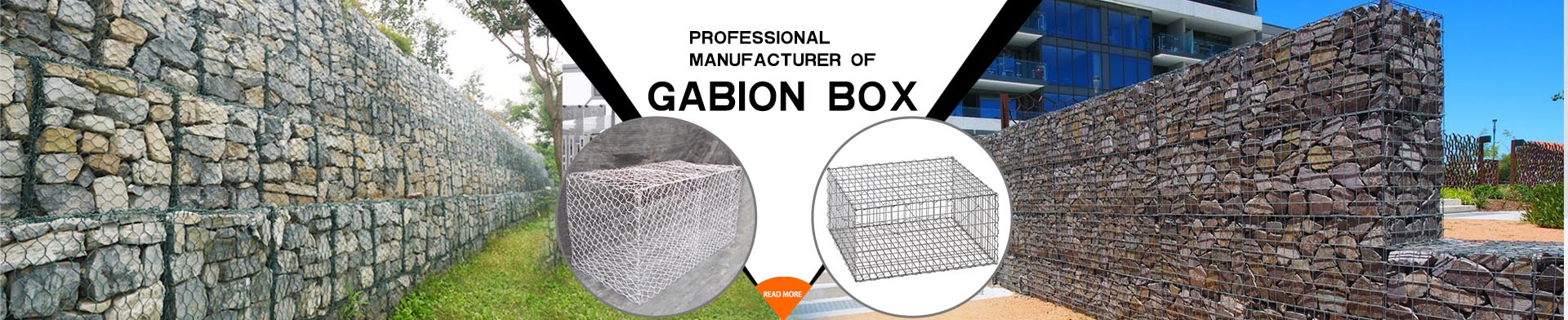
Gabion box suppliers are specialized manufacturers and distributors who provide prefabricated wire mesh cages and baskets used primarily in civil engineering, landscaping, and environmental protection projects. These boxes are typically filled onsite with stones or other materials, creating a robust, flexible structure. The suppliers not only offer the boxes but also ensure the cages meet stringent durability standards and adapt to diverse project needs.
In modern industries and humanitarian contexts, gabion boxes are indispensable. For example, NGOs working on disaster resilience rely on suppliers that can ship durable gabions worldwide quickly, ensuring vital infrastructure support.
Key Aspects of Gabion Box Suppliers’ Offerings
1. Durability
The wire mesh used by reputable gabion box suppliers is often galvanized, PVC-coated, or made of stainless steel. These treatments protect against corrosion, which is crucial in harsh environments where these boxes are deployed — think salty coastal areas or chemical plants.
2. Scalability & Customization
Good suppliers provide varying sizes and mesh densities to fit everything from small landscaping projects to extensive flood control barriers. Custom orders tailored with specific wire gauges, mesh sizes, and box dimensions have become common — which frankly makes a big difference in project success.
3. Cost Efficiency
Because gabion boxes can be filled with locally sourced stones, the expense lies mostly in the basket supply and installation logistics. Efficient suppliers minimize cost through precise manufacturing, reducing waste and ensuring standard conformity.
4. Environmental Impact
Eco-conscious gabion box manufacturers increasingly use recyclable materials and adhere to sustainability certifications. These features resonate well with the growing demand for green infrastructure globally.
5. Delivery & Support
Fast and reliable shipping, installation guidance, and technical support are often the make-or-break factors distinguishing gabion box suppliers — especially for large or remote projects.
Typical Product Specifications: An Example
| Specification | Standard Offer | Customization Available |
|---|---|---|
| Material | Galvanized steel wire, PVC coated | Stainless steel, duplex coatings |
| Wire Diameter | 3.0 mm - 4.0 mm | 2.0 mm - 5.0 mm |
| Mesh Size | 75x75 mm | Custom sizes (up to 150x150 mm) |
| Dimensions | 1m x 1m x 1m standard | Custom lengths and widths |
| Coating Thickness | ≥ 275 g/m² zinc coating | Up to 300 g/m² + PVC layers |
Global Applications & Use Cases
Gabion boxes show up in surprising places worldwide. In Southeast Asia, where rivers frequently flood, local governments lean heavily on gabion box suppliers to secure embankments. In parts of Africa impacted by soil erosion, NGOs use gabions to support agricultural terraces and retain fertile soil.
The industrial sector uses gabion boxes around facilities exposed to vibration or shifting ground. Even post-natural disaster situations call for rapid deployment of gabions to prevent further soil degradation and enable reconstruction.
For example, during the 2019 Cyclone Idai recovery in Mozambique, international relief organizations credited gabion boxes for stabilizing damaged infrastructure while local stone was sourced economically — a clear story of impact and cost-efficiency.
Comparing Leading Gabion Box Suppliers
| Supplier | Material Quality | Customization | Global Reach | Lead Time |
|---|---|---|---|---|
| XZ Metal | Premium galvanized & PVC | Extensive | Worldwide | 2-4 weeks |
| StoneSecure Co. | Galvanized wire only | Limited | Regional | 4-6 weeks |
| EcoGabions Ltd. | Eco-friendly coated wire | Moderate | International | 3-5 weeks |
Advantages & Long-Term Value of Using Gabion Box Suppliers
- Cost Savings: Utilizing locally sourced infill with durable cages reduces material and labor costs.
- Environmental Compatibility: Permeable structures reduce erosion while supporting vegetation growth.
- Structural Reliability: Ability to withstand vibrations and shifting ground adds resilience to infrastructure.
- Community Impact: Their applications enhance safety and foster peaceful coexistence with nature for local populations.
When I think about it, gabion boxes don’t just hold rocks—they hold communities together. There’s a certain dignity in providing affordable, reliable, and sustainable solutions to infrastructure challenges.
Future Trends & Innovations in Gabion Box Supply
Digitally enabled manufacturing processes and automated quality testing are beginning to streamline production. Meanwhile, innovations in coating materials, including nano-technology enhanced anti-corrosion layers, are emerging. Smart gabion boxes equipped with sensors to monitor structural integrity in real-time? It’s not just science fiction anymore, but a growing reality. Plus, the integration of more recycled materials mirrors global sustainability pushes, much encouraged by ISO environmental management standards.
Challenges & How Gabion Box Suppliers Are Addressing Them
One big hurdle has been balancing cost with quality amidst fluctuating raw material prices. Sometimes shipment delays cause project slowdowns, especially in remote regions. Suppliers are increasingly offering flexible order quantities, local warehousing options, and more transparent sourcing to tackle these issues. There is still room for improvement — especially in standardizing global certifications and improving education on gabion box best practices.
FAQ: Frequently Asked Questions About Gabion Box Suppliers
- Q: How do gabion box suppliers ensure the durability of their products in coastal environments?
- A: Most reliable suppliers use galvanized steel coated with PVC or special anti-corrosion layers rated for salty conditions, extending the lifespan of gabion boxes by decades. Proper maintenance and quality infill also play roles.
- Q: Can gabion boxes be customized to fit unusual shapes or project requirements?
- A: Absolutely. Many suppliers now offer tailored sizes, mesh densities, and wire diameters to meet unique engineering demands, improving fit and function for challenging sites.
- Q: Are gabion boxes eco-friendly and sustainable compared to concrete walls?
- A: Yes, gabion structures promote natural drainage, allow vegetation growth, are filled with local materials, and often use recyclable wire, making them greener alternatives.
- Q: What lead times should one expect when ordering gabion boxes internationally?
- A: It varies, but efficient suppliers like gabion box suppliers typically deliver within 2–4 weeks, considering customization and logistics constraints.
- Q: How can small NGOs source gabion boxes affordably for disaster relief?
- A: Partnering with established suppliers offering flexible order sizes, leveraging group buying, and planning for local stone infill can significantly reduce costs and delivery times.
Conclusion: Long-Term Benefits and Next Steps
All things considered, gabion box suppliers are more than just vendors—they are crucial enablers of resilient, sustainable infrastructure worldwide. Whether you’re an engineer, a relief organizer, or a developer, choosing the right supplier means investing in durability, cost efficiency, and environmental responsibility.
If you want to explore reliable options and custom solutions, I encourage you to visit https://www.xzmetal.com and see how top-tier gabion box suppliers can support your next project.
Mini takeaway: Gabion boxes may seem simple, but their supply chain complexity and the quality of manufacturers behind them are vital to building safe, sustainable, and cost-effective infrastructure worldwide.
References:
-
Comprehensive Guide to China Chicken Wire Mesh for Poultry and Garden Use
NewsJan.27,2026
-
China Hot Dip Galvanized Welded Wire Mesh Your Comprehensive Sourcing Guide
NewsJan.27,2026
-
Why China Removable Fence from XZMetal is Ideal for B2B Industrial Security Solutions
NewsJan.06,2026
-
China D Section Pale Fence – Durable Industrial Fencing Solutions from China
NewsJan.06,2026
-
China Welded Mesh – Durable Mesh Solutions from XZMetal
NewsJan.05,2026
-
China 3/8 Inch Welded Wire Mesh – Durable, Cost-Effective Industrial Solution from China
NewsJan.05,2026