
Dec . 02, 2025 12:35 Back to list
Gabion Planter Box: Durable, Sustainable Solutions for Urban and Industrial Landscaping
Exploring the Gabion Planter Box: Durable Green Solutions for Modern Needs
In a world where sustainability and aesthetics meet functionality, the gabion planter box is gaining traction as a versatile landscaping and structural solution. But what exactly is it, and why should industries worldwide care? The gabion planter box represents more than just a decorative element—it’s a resilient, eco-friendly component used in urban development, environmental management, and even humanitarian projects. Understanding its benefits is crucial, as it aligns with the global push toward sustainable infrastructure and green urban spaces.
Global Context: Why Gabion Planter Boxes Matter
The United Nations reports that over 55% of the world’s population now lives in urban areas, a figure expected to rise to 68% by 2050 [1]. With this rapid urbanization comes the challenge of managing stormwater, reducing urban heat islands, and creating green spaces without consuming additional land. Gabion planter boxes provide a smart solution—they’re not only modular and scalable but also contribute to sustainable urban drainage systems (SUDS) by facilitating natural water infiltration.
Moreover, industries ranging from landscaping to civil engineering adopt these structures to stabilize slopes, reduce erosion, and beautify spaces. The global construction market’s shift toward eco-sensitive materials makes gabion planter boxes a timely innovation that addresses environmental concerns head-on.
What Exactly Is a Gabion Planter Box?
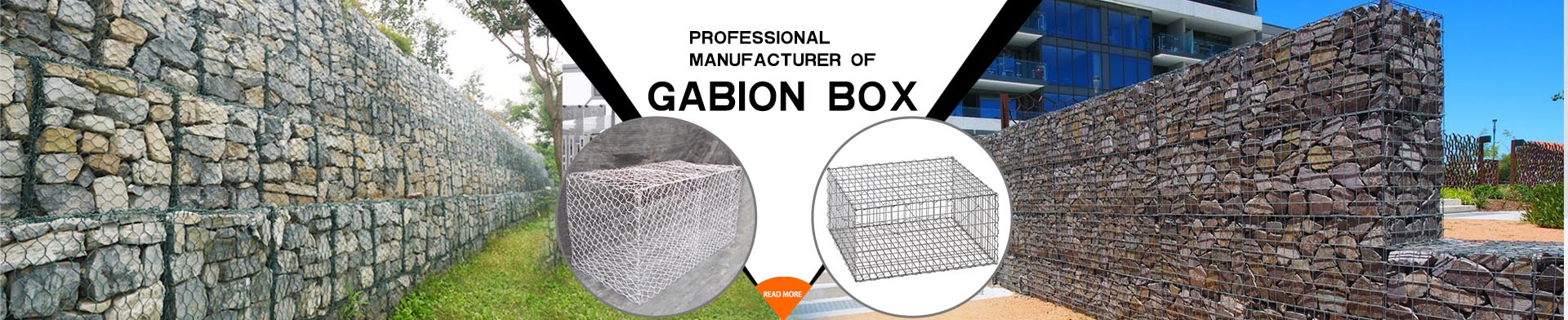
Simply put, a gabion planter box is a wire mesh container filled with stones or other materials that also functions as a planter. Think of it as an evolution of traditional gabions—commonly used for retaining walls or erosion control—adapted to support plant life while maintaining strength and durability. This hybrid approach brings together civil infrastructure robustness with green landscaping’s natural appeal.
Industries see the gabion planter box as a multifunctional element—housing plants that improve air quality and aesthetics, while its stone structure works as erosion control or reinforcement. In humanitarian zones, the robust design can be used quickly for temporary green partitions or protective barriers, reflecting their surprising utility beyond just garden settings.
Core Components That Make Gabion Planter Boxes Stand Out
1. Durability and Structural Integrity
Constructed from galvanized or PVC-coated wire mesh, gabion planter boxes resist weathering, corrosion, and mechanical wear. Their stone-filled interiors provide mass and stability, making them suitable for harsh environments—from coastal regions battling salt spray to mountainous zones prone to landslides.
2. Scalability and Modularity
One of the beauties of gabion planter boxes is their stackable, modular nature. They can be combined or adjusted in size depending on project needs, from a simple garden feature to a complex retaining wall system with integrated planting.
3. Eco-Friendliness and Sustainability
Using locally sourced stones and recyclable wire meshes minimizes environmental impact. Additionally, integrating plants promotes biodiversity and helps mitigate urban heat island effect, supporting sustainability goals outlined in ISO 37123 (Sustainable cities and communities) [2].
4. Cost Efficiency
Compared to traditional concrete walls or conventional planters requiring frequent replacement or maintenance, gabion planter boxes often reduce lifecycle costs. Their ease of assembly and long lifespan translate into significant savings.
5. Aesthetic Flexibility
They’re visually adaptable. By varying the stone types, colors, and plant species, gabion planter boxes can fit rustic landscapes or sleek urban designs alike, making them favorites for architects and designers.
Gabion Planter Boxes in Action: Real-World Applications
Across Southeast Asia, gabion planter boxes support sloping roadsides, preventing erosion while adding greenery to dense urban corridors. In Europe, cities like Amsterdam employ them within public parks to improve drainage and beautify promenades. Oddly enough, some mining companies in Australia use these boxes to stabilize tailings ponds’ edges, integrating environmental aesthetics with safety.
In disaster relief contexts, NGOs sometimes use gabion planter boxes to rapidly create protective green walls, restoring dignity and shade in temporary shelters. Their modularity allows easy transportation and assembly, critical when time and resources are scarce.
Product Specifications at a Glance
| Feature | Specification |
|---|---|
| Material | Galvanized steel wire, PVC-coated mesh option |
| Dimensions | Customizable, typically 1m x 0.5m x 0.5m (L x W x H) |
| Filling Material | Locally sourced stones or crushed rock |
| Weight | Approx. 150–250 kg per box (stone-dependent) |
| Plant Types Supported | Shrubs, grasses, succulents, small trees |
| Lifespan | 20+ years under normal weathering conditions |
Vendor Comparison: Choosing the Right Supplier
| Vendor | Material Quality | Customization Options | Lead Time | Price Range (per unit) |
|---|---|---|---|---|
| XZ Metal | High-grade galvanized steel, PVC coating available | Fully customizable dimensions and mesh size | 2-3 weeks | $120–$180 |
| GreenStructures Ltd. | Standard galvanized wire | Limited sizes | 1-2 weeks | $100–$140 |
| EcoMesh Co. | Galvanized with eco-friendly coatings | Moderate customization | 3-4 weeks | $130–$170 |
The Advantages and Long-Term Value of Gabion Planter Boxes
One of the lasting appeals is cost-effectiveness—not just in initial outlay, but in durability with minimal upkeep. Add to that the environmental value: promoting local biodiversity and absorbing rainwater, all while reducing urban heat. There’s an emotional satisfaction too, seeing technology and nature hang out side-by-side, building resilience.
And frankly, the trust these structures garner from engineers and planners isn’t unfounded—they consistently perform in flood-prone areas and show up well in sustainability reports.
Emerging Trends and Innovations
As with anything worth following, the gabion planter box world is evolving. We’re seeing interests in integrating sensors that monitor moisture and structural integrity, feeding data to city management systems. New composite mesh materials are being tested for even greater longevity and lighter weight. Plus, there’s a growing eco-conscious push to fill gabions with recycled glass or architectural salvage stones, adding an artistic touch while recycling waste.
Challenges & Expert Solutions
Despite all the positives, gabion planter boxes face some practical hurdles. For instance, in extremely arid climates, plant survival can be tricky without irrigation. Also, if poorly installed, the mesh can corrode faster. Experts advise choosing coated meshes and local plant species adapted to the environment, plus periodic inspections to ensure longevity.
Frequently Asked Questions About Gabion Planter Boxes
- Can gabion planter boxes support large trees?
Typically, gabion planter boxes support smaller plants and shrubs. For large trees, customized deeper and reinforced structures are necessary to accommodate root systems. - Are gabion planter boxes waterproof?
The mesh is permeable by design to allow drainage. They retain stones and plants but don’t hold water like plastic planters. This helps avoid waterlogging. - How do I import gabion planter boxes internationally?
Working with suppliers experienced in export logistics, like gabion planter box manufacturers, streamlines customs and shipping. Ensuring compliance with local import regulations is key. - What maintenance do gabion planter boxes require?
Minimal maintenance entails checking for mesh corrosion, replacing plants as needed, and ensuring the filling remains intact—usually annually. - Is it possible to customize gabion dimensions?
Yes, many vendors offer fully customizable sizes and mesh openings to fit your project needs.
Conclusion: Why Gabion Planter Boxes Are an Investment in the Future
In real terms, gabion planter boxes blend utility with nature in a way that’s sustainable, visually appealing, and cost-efficient. For landscapers, city planners, and humanitarian responders alike, they offer a flexible tool to meet modern challenges—like urban heat, erosion, or temporary shelter greening—with elegance and durability.
If you’re intrigued by their potential, consider exploring next steps and product offerings from trusted specialists at XZ Metal. It’s a simple move toward greener, more resilient spaces.
Mini takeaway: Gabion planter boxes aren’t just garden fixtures—they’re a small but meaningful part of the broader shift toward environmentally integrated urban design.
References:
1. United Nations, World Urbanization Prospects 2018 Revision, https://www.un.org/en/climatechange/science/climate-issues
2. ISO 37123: Sustainable Cities and Communities, https://www.iso.org/standard/82507.html
3. Engineering Toolbox, Gabion Wall Design, https://www.engineeringtoolbox.com/gabion-walls-design-d_942.html
-
Comprehensive Guide to China Chicken Wire Mesh for Poultry and Garden Use
NewsJan.27,2026
-
China Hot Dip Galvanized Welded Wire Mesh Your Comprehensive Sourcing Guide
NewsJan.27,2026
-
Why China Removable Fence from XZMetal is Ideal for B2B Industrial Security Solutions
NewsJan.06,2026
-
China D Section Pale Fence – Durable Industrial Fencing Solutions from China
NewsJan.06,2026
-
China Welded Mesh – Durable Mesh Solutions from XZMetal
NewsJan.05,2026
-
China 3/8 Inch Welded Wire Mesh – Durable, Cost-Effective Industrial Solution from China
NewsJan.05,2026