
Dec . 02, 2025 13:10 Back to list
What Is a Galvanized Gabion Box? Durable Solutions for Erosion and Flood Control
Understanding the Galvanized Gabion Box: A Durable Solution for Global Challenges
At first glance, a galvanized gabion box might seem like just a clunky metal basket packed with rocks—something you’d find along a creek or a roadside. But dig a little deeper (pun intended), and you’ll see it’s a quietly revolutionary product with deep implications for infrastructure, environmental protection, and even humanitarian relief worldwide. This simple but effective piece of engineering offers solutions to erosion, flood control, and slope stabilization that are both cost-efficient and environmentally friendly.
Why does it matter? In an age where climate-related disasters are increasing in frequency and severity, finding reliable, sustainable ways to protect communities and infrastructure is paramount. A galvanized gabion box provides a key tool in addressing this problem, blending durability, sustainability, and adaptability.
Global Context: Why Galvanized Gabion Boxes Matter Across Industries
According to UN water reports, soil erosion and flood damage affect over 1.5 billion people annually. Infrastructure losses in flood-prone regions—especially in developing countries—can account for billions of dollars. Against this backdrop, galvanized gabion boxes serve as a practical, widely applicable solution.
World Bank data confirms that erosion control and riverbank stabilization can significantly reduce disaster risk. Gabion boxes are favored because they don’t require heavy machinery or complex logistics, making them invaluable both in densely populated urban settings and remote industrial zones.
What Is a Galvanized Gabion Box?
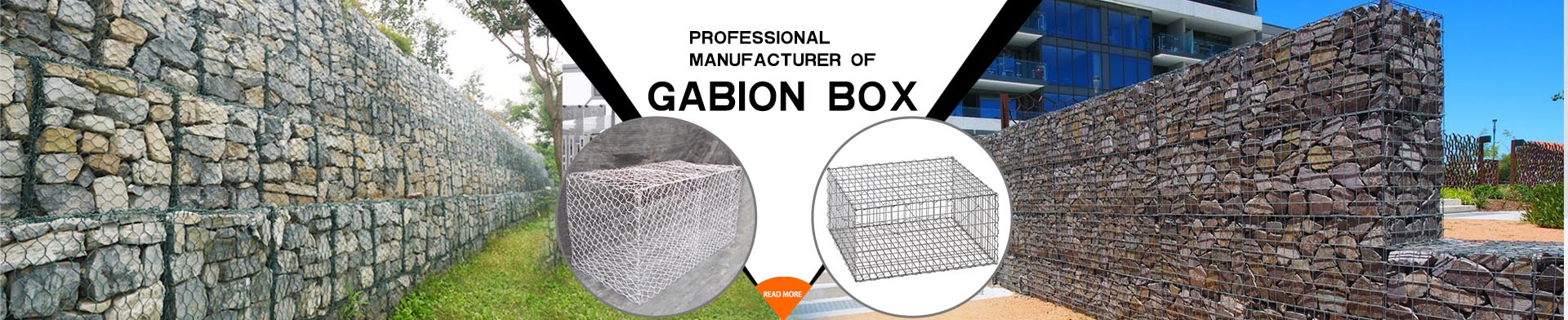
Put simply, a galvanized gabion box is a wire mesh cage, coated with zinc for corrosion resistance, filled with stones or rubble, and used mainly for erosion control and retaining walls. The “galvanized” part means it’s protected against rust—critical for long service in harsh environments.
Though initially developed for civil engineering projects, its utility spans industries: from road construction and mining to environmental restoration and even fast-setup flood barriers for emergency relief.
Core Components That Make Galvanized Gabion Boxes So Effective
1. Durability
The galvanized coating significantly extends the lifespan of the wire mesh—often surpassing 50 years in moderately aggressive environments. This durability is what makes gabion boxes a preferred choice for long-term projects.
2. Scalability
These boxes come in modular sizes and can be stacked or arranged to fit the project needs. Whether it’s a small retaining wall or a kilometers-long shoreline protection, scalable gabion systems simplify construction.
3. Cost Efficiency
The relative low cost of manufacturing, the availability of local fill materials, and minimal skilled labor required mean the total investment is lower than many conventional methods like concrete walls.
4. Environmental Compatibility
Because gabion boxes use natural rock fill, they blend into landscapes and allow water to pass through, reducing upstream water pressure compared to solid concrete barriers.
Specification Overview: Typical Galvanized Gabion Box
| Specification | Details |
|---|---|
| Mesh Material | High tensile galvanized steel wire |
| Wire Diameter | 3.0 - 4.0 mm |
| Mesh Size | 50 x 50 mm |
| Typical Dimensions | 2 m x 1 m x 1 m |
| Coating Thickness | 275 g/m² zinc |
| Typical Fill Material | Granite or basalt stones |
Global Applications and Real-World Use Cases
You’ll find galvanized gabion boxes along riverbanks in Southeast Asia, protecting highways from flood erosion. NGOs use them in sub-Saharan Africa to create erosion barriers after heavy rains. In Europe, they form part of renewable energy projects, stabilizing soils around wind farms.
One striking example: after severe flooding in Bangladesh, quick deployment of gabion walls helped protect critical infrastructure, buying time before permanent roads were rebuilt. Oddly enough, their low-tech nature proved a significant advantage; local workers could assemble them without cranes or complicated tools.
Advantages and Long-Term Impact
- Cost Savings: The simplicity reduces both labor and material costs.
- Longevity: Corrosion-resistant coating extends their service life significantly.
- Environmental Harmony: Porosity supports natural water flow, preventing damage to ecosystems.
- Community Safety and Confidence: Their visible strength instills trust in local populations facing natural hazards.
It’s not just about rocks in a cage—there’s a human element too. For many communities, these boxes symbolize safety, resilience, and hope in the face of climate uncertainty.
Looking Ahead: Future Trends and Innovations
Research is now exploring composite coatings that combine galvanization with polymer layers for even longer life spans, especially in coastal environments where salt spray accelerates corrosion. Digital modeling helps engineers optimize gabion geometry, reducing material use while maintaining strength.
Automation is another budding trend. Robots or drones might assist in surveying and installation, particularly in hazardous or hard-to-access locations.
On the sustainability front, some projects test using recycled materials like concrete rubble inside gabions instead of quarried stones—cutting both waste and costs.
Challenges and Expert Solutions
Of course, galvanized gabion boxes aren’t without their issues. For example, in very acidic or industrially polluted environments, even galvanized coatings degrade faster. That's why some experts recommend using PVC-coated wire mesh for added protection in such cases.
Another challenge is ensuring proper stone fill size and placement to avoid mesh bulging or premature failure. Training local labor and quality monitoring during installation address this.
Comparing Leading Vendors of Galvanized Gabion Boxes
| Vendor | Wire Diameter (mm) | Coating Type | Customization Options | Typical Lead Time |
|---|---|---|---|---|
| XZ Metal | 3.2 - 4.0 | Zinc Galvanized + PVC coating optional | Size, mesh size, custom branding | 2-4 weeks |
| RiverReinforce Ltd. | 3.0 - 3.8 | Hot-Dip Galvanized | Standard sizes only | 4-6 weeks |
| EcoGab Systems | 3.5 - 4.2 | Zinc Galvanized + Green coating | Custom sizes and eco-friendly fill advice | 3-5 weeks |
FAQ: Your Galvanized Gabion Box Questions Answered
- How long do galvanized gabion boxes typically last?
- With proper installation and environmental conditions, galvanized gabion boxes can last 40 to 60 years. The zinc coating protects the wires from corrosion, significantly extending service life compared to untreated mesh.
- Are galvanized gabion boxes environmentally friendly?
- Absolutely. They use natural stone fill, allow water permeability, and their modular design minimizes landscape disruption. Plus, they can be dismantled and reused if necessary.
- Can I customize the size or mesh of a galvanized gabion box?
- Yes, many vendors offer customization in mesh size, wire diameter, and overall box dimensions to suit specific engineering or site needs.
- What types of stones work best as fill material?
- Hard, angular stones like granite, basalt, or crushed concrete provide good interlocking and stability. Rounded river stones are less ideal as they slip more easily inside the cages.
- How are galvanized gabion boxes delivered to remote locations?
- They usually ship flat-packed for efficiency and are assembled onsite. Because they don’t require heavy machinery for installation, they suit remote or disaster-affected areas well.
Conclusion: Investing in Durable, Sustainable Protection
Whether it’s a flood-prone village, a highway vulnerable to landslides, or a mining site needing erosion control, the galvanized gabion box stands out as a practical, cost-effective, and sustainable choice. Its combination of durability, adaptability, and environmental compatibility truly makes it a solution for the modern world.
If you want to explore reliable galvanized gabion boxes tailored to your needs, visit our website for detailed specifications and custom options.
Ultimately, these sturdy cages filled with simple stones embody an elegant answer to complex problems—a testament to how combining traditional materials with smart engineering can protect both people and planet.
Mini takeaway: Galvanized gabion boxes are a surprisingly versatile tool—robust, eco-friendly, and increasingly important worldwide in tackling erosion, flood control, and infrastructure stabilization.
References
-
Comprehensive Guide to China Chicken Wire Mesh for Poultry and Garden Use
NewsJan.27,2026
-
China Hot Dip Galvanized Welded Wire Mesh Your Comprehensive Sourcing Guide
NewsJan.27,2026
-
Why China Removable Fence from XZMetal is Ideal for B2B Industrial Security Solutions
NewsJan.06,2026
-
China D Section Pale Fence – Durable Industrial Fencing Solutions from China
NewsJan.06,2026
-
China Welded Mesh – Durable Mesh Solutions from XZMetal
NewsJan.05,2026
-
China 3/8 Inch Welded Wire Mesh – Durable, Cost-Effective Industrial Solution from China
NewsJan.05,2026