
Dec . 02, 2025 13:46 Back to list
Hexagonal Gabion Box: Essential Guide to Durable, Flexible, and Sustainable Construction Solutions
Understanding the Hexagonal Gabion Box: A Modern Solution in Construction and Environmental Engineering
If you're dipping your toes into civil engineering or environmental protection, chances are you've come across the term hexagonal gabion box. It’s one of those fascinating yet underappreciated innovations that quietly play a huge role globally. But why does it truly matter, and what benefits does understanding this concept offer? In short, hexagonal gabion boxes are versatile wire mesh containers, usually filled with rock or other inert materials, designed to stabilize soil, reduce erosion, and create durable structures. They are particularly vital in disaster relief, infrastructure, and even in sustainable landscaping, acting as a bridge between nature and engineered resilience.
Global Context: The Growing Demand for Sustainable Construction
In a world that’s increasingly vulnerable to climate change, natural disasters, and rapid urbanization, the need for cost-effective, sustainable building solutions has never been greater. According to the United Nations Climate Change reports, soil erosion and flood control remain among the top global environmental challenges. Interestingly, the hexagonal gabion box is at the center of many mitigation efforts because of its ability to adapt to difficult terrains and its long-term durability.
Industries from civil engineering to landscaping, and organizations like the World Bank, are recommending gabion technology for its environmental benefits and relatively low carbon footprint. It’s a practical answer to the question: how do we build reliable structures in fragile environments?
Defining the Hexagonal Gabion Box
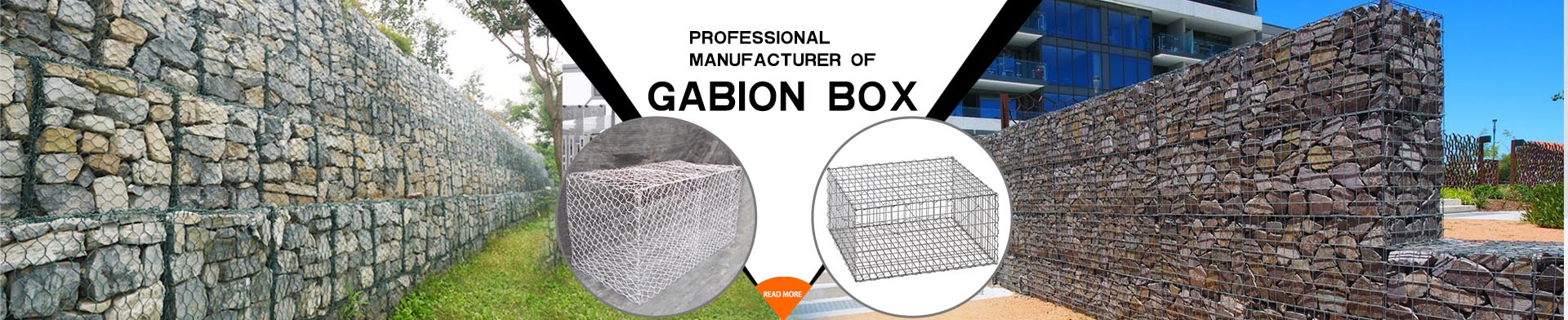
In more straightforward terms, a hexagonal gabion box is a three-dimensional wire mesh container, woven in a hexagonal pattern, designed to hold rocks or other fill materials. The hexagonal weaving offers extra flexibility and strength compared to square meshes. This design helps the structure absorb and redistribute stress, especially in erosion-prone slopes or riverbanks.
The concept evolved alongside demands in modern construction, where modular, adaptable, and eco-friendly materials are valued. In humanitarian contexts, these boxes help form quick, durable flood barriers after natural disasters, often when traditional methods would be too slow or costly.
Core Components and Key Factors
1. Durability and Strength
One thing engineers love about hexagonal gabion boxes is their resilience. Galvanized or PVC-coated steel wires resist corrosion, which means these structures can last decades, even in harsh aquatic or marine environments. This robustness helps ensure long-term stability without major maintenance.
2. Flexibility and Scalability
Unlike rigid concrete walls, hexagonal gabion boxes conform to natural terrain shifts and settling without cracking. Also, they come in various sizes and can be easily stacked, making them scalable from small garden projects to large infrastructure uses.
3. Cost Efficiency
The materials are relatively inexpensive, especially compared to concrete or masonry walls. Plus, since they can be assembled using local rocks or debris as filling, transportation costs drop significantly. For large-scale projects, this is a game-changer.
4. Environmental Compatibility
Because they’re permeable, gabion boxes don’t drastically alter natural water flow, reducing upstream and downstream flooding risks. They also encourage vegetation growth through gaps, helping restore ecosystems.
5. Easy Installation and Maintenance
It’s surprisingly straightforward to install these. No heavy machinery is often needed, and repairs, if any, can be spot-fixed rather than replacing entire sections.
Product Specifications at a Glance
| Specification | Details |
|---|---|
| Material | Galvanized steel wire or PVC coated wire |
| Mesh Type | Hexagonal weave, typically 8x10 cm opening |
| Dimensions | Customizable; common sizes up to 2m x 1m x 1m |
| Filling Material | Local stones, rocks, recycled concrete |
| Weight Capacity | Depends on fill; generally several tons per unit |
Global Applications & Use Cases
- Flood control and riverbank stabilization: In Southeast Asia and parts of Africa, gabion boxes reinforce vulnerable banks and reduce erosion after seasonal floods.
- Road construction: Mountainous regions in South America use gabion boxes to secure slopes prone to landslides.
- Post-disaster relief: NGOs deploy them rapidly to form retaining walls and barriers after earthquakes or hurricanes, speeding recovery.
- Landscaping and urban design: In urban parks in Europe and North America, gabion boxes serve as planters and seating walls — blending functionality with aesthetics.
For example, I spoke to an engineer overseeing riverbank protection in Nepal. He noted how flexible the hexagonal design was, adapting to shifts from seasonal rains, something rigid concrete never tolerated well.
Vendor Comparison: Popular Producers of Hexagonal Gabion Boxes
| Vendor | Material Quality | Customization Options | Price Range | Lead Time |
|---|---|---|---|---|
| XZ Metal | High (PVC-coated steel) | Fully customizable sizes and coatings | Mid to high range | 2-3 weeks |
| GeoGabions Inc. | Standard galvanized wire | Limited sizing | Budget | 1-2 weeks |
| EcoWire Solutions | Recycled steel wire | Custom coatings available | Mid-range | 3-4 weeks |
Advantages & Long-Term Value of Hexagonal Gabion Boxes
Many engineers appreciate how these boxes blend cost savings with sustainability — two factors often in tension. They offer long-term resilience, even in extreme weather events, thereby protecting communities and infrastructure alike. On a social level, there’s something reassuring about structures that respect the earth’s natural movements and still provide safety — it’s about dignity and trust.
From an innovation standpoint, their modular, reusable nature means projects can scale up or down quickly, meeting unpredictable demands. Plus, because vegetation can grow through the mesh, they help maintain biodiversity and limit urban heat islands, a subtle yet important win.
Looking Ahead: Future Trends and Innovations
The future of hexagonal gabion box technology looks surprisingly exciting. Manufacturers experiment with advanced coatings to extend lifespan beyond 50 years. Some are exploring biodegradable fill materials for green landscaping that leaves no lasting footprint.
Digital transformation also plays a role — AI-powered design tools optimize gabion sizes for specific local conditions, minimizing waste and maximizing performance. And in line with the global shift to green energy, some engineers combine gabion walls with solar panel arrays, creating multifunctional infrastructure.
Challenges & How to Overcome Them
Of course, no solution is perfect. Hexagonal gabion boxes can be labor-intensive to fill and install properly, especially in remote locations without skilled crews. Wire corrosion, though much reduced with coatings, remains a risk in highly acidic or saline environments.
To counter these, some organizations invest in workforce training and prefer modular prefabricated units. Others combine gabions with geotextiles to boost filtration and extend durability. Basically, the key is thoughtful site assessment paired with quality materials and ongoing maintenance.
FAQ: Frequently Asked Questions About Hexagonal Gabion Boxes
-
What makes hexagonal gabion boxes better than traditional concrete walls?
Hexagonal gabion boxes offer flexibility, permeability, and easier installation. Unlike rigid concrete, they adapt to ground movements and promote vegetation, reducing environmental impact and repair costs. -
How long can hexagonal gabion boxes last outdoors?
With high-quality galvanized or PVC coatings, these structures can last 30 to 50 years or more, depending on environmental conditions and maintenance practices. -
Are hexagonal gabion boxes suitable for international disaster relief?
Absolutely. Their modular nature, ease of transport when empty, and local fill use make them ideal for rapid deployment in varied disaster zones worldwide. -
Can I customize the size and mesh of a gabion box?
Yes, many vendors offer customizable dimensions and wire coatings to suit specific project needs and environmental demands. -
Is this technology environmentally friendly compared to alternatives?
Generally, yes. The permeability and use of local fill reduce material transport, carbon emissions, and water flow disruption, making gabion boxes a greener option.
Conclusion: Why Hexagonal Gabion Boxes Deserve Your Attention
To tie everything up — the hexagonal gabion box is more than a mesh-wired container; it’s a thoughtful synthesis of industrial know-how, sustainability, and adaptability. It meets modern challenges with a balance of cost efficiency and environmental harmony. If you’re involved in infrastructure, environmental protection, or humanitarian relief, this solution is worthy of your serious consideration.
Curious to learn more or explore product options? Feel free to visit hexagonal gabion box specialists at XZ Metal for detailed specs and expert consultation.
A modest structure, yet with an outsized global impact — quite the clever invention, don’t you think?
References
-
Comprehensive Guide to China Chicken Wire Mesh for Poultry and Garden Use
NewsJan.27,2026
-
China Hot Dip Galvanized Welded Wire Mesh Your Comprehensive Sourcing Guide
NewsJan.27,2026
-
Why China Removable Fence from XZMetal is Ideal for B2B Industrial Security Solutions
NewsJan.06,2026
-
China D Section Pale Fence – Durable Industrial Fencing Solutions from China
NewsJan.06,2026
-
China Welded Mesh – Durable Mesh Solutions from XZMetal
NewsJan.05,2026
-
China 3/8 Inch Welded Wire Mesh – Durable, Cost-Effective Industrial Solution from China
NewsJan.05,2026