
Dec . 02, 2025 09:30 Back to list
Gabion Box Manufacturer: Durable Solutions for Modern Infrastructure and Environmental Protection
Understanding Gabion Box Manufacturers: Building Strong Foundations Worldwide
If you’ve ever walked along a reinforced riverbank or noticed a retaining wall made of wire mesh baskets filled with rocks, you’ve seen the handiwork of a gabion box manufacturer. These companies produce modular, wire-cage structures filled with stone or aggregate material, offering a surprisingly elegant, sustainable solution to many civil engineering challenges. Globally, gabion boxes are gaining traction not only for their durability but also their environmental benefits — from erosion control to affordable flood defenses. Understanding the role and innovations of gabion box manufacturers matters, especially as climate change increases demand for resilient infrastructure.
Global Context and the Importance of Gabion Box Manufacturers
Worldwide, coastal erosion affects nearly 70% of shorelines (1), while flooding impacts over 1.6 billion people globally (2). Gabion box manufacturers step into this scene as essential players, providing materials that governments, NGOs, and construction firms rely on for rapid stabilization and protection projects. In fact, the gabion market has been steadily expanding, expected to grow at over 6.5% CAGR through 2030 (3). Yet, the challenge remains: how to deliver quality, scalability, and sustainability in these baskets that seem deceptively simple at first glance.
In real terms, a gabion box manufacturer offers more than just boxes; they shape durable, modular systems that address urgent environmental and infrastructural challenges around the world. From African flood control projects to Europe’s green public spaces, these products matter on many fronts.
What Exactly is a Gabion Box Manufacturer?
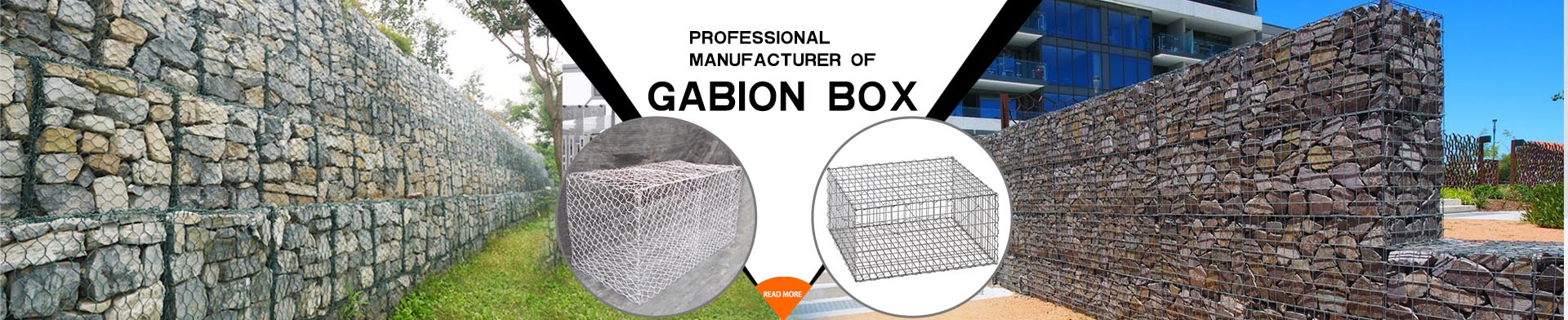
Put simply, a gabion box manufacturer fabricates cages made typically from galvanized steel wire, expertly woven or welded into a rectangular shape. These boxes are then filled with stones or other hard aggregates to form retaining walls, erosion barriers, noise protection, or decorative facades. The manufacturer’s expertise lies in sourcing durable wire coatings, ensuring structural integrity, and often customizing sizes or mesh designs to suit specific engineering needs.
Beyond construction, gabion boxes also respond to humanitarian and environmental demands. For instance, in disaster relief scenarios where rapid foundation-building is essential, gabion materials create stable, flexible solutions fast. This connection to both infrastructure and social resilience demonstrates the broad impact of quality gabion box manufacturing.
Key Factors That Define Outstanding Gabion Box Manufacturers
Durability and Material Quality
Gabion boxes must withstand harsh environmental conditions for decades. Manufacturers often use galvanized or PVC-coated steel wire to prevent rust and degradation. Some specialty producers even employ double-coating techniques to enhance longevity in salty, coastal environments.
Customization and Scalability
Every site is unique. The ability to provide tailored sizes, mesh apertures, and interlocking designs allows gabion box manufacturers to serve a wide variety of projects — from tiny garden walls to massive dam reinforcements.
Cost Efficiency and Supply Chain Reliability
Efficient production methods and reliable supply chains allow manufacturers to deliver competitively priced products worldwide. This matters especially when NGOs or public works departments operate within tight budgets yet require top-quality materials.
Environmental Sustainability
Many manufacturers now emphasize eco-friendly coatings and recyclable materials, aligning with global sustainability goals. It also includes designing boxes that allow vegetation growth for habitat restoration.
Technical Support and Integration
The best manufacturers don’t just ship products; they provide engineering guidance, detailed specifications, and after-sales support, ensuring the gabion solutions integrate flawlessly with other construction elements.
Product Specification Table: Typical Gabion Box Parameters
| Specification | Standard Range | Notes |
|---|---|---|
| Material | Galvanized Steel, PVC Coated | Double coating for high-corrosion areas |
| Mesh Size | 75x75 mm to 150x150 mm | Custom sizes available |
| Wire Diameter | 2.0 mm to 4.0 mm | Depends on structural load |
| Dimensions | 1x1x1 m up to 3x1x1 m | Modular and stackable |
| Filling Material | Local stone, recycled concrete | On-site sourcing encouraged |
Global Applications and Use Cases
Gabion boxes appear in a range of environments worldwide. In Asia’s Himalayan region, manufacturers supply durable retaining walls that protect against landslides. In Europe, their use in urban noise barriers and green roof facades is growing, blending utility with aesthetics. Africa’s riverbanks have seen increased flood defense projects using gabions after devastating rains.
One story that sticks with me happened recently in a remote Indonesian village. After severe flooding, a local gabion box manufacturer coordinated rapid shipment of pre-fabricated gabions. The community rebuilt river defenses quickly, restoring access to clean water and roads — a reminder that these seemingly simple cages can be lifelines, practically and emotionally.
Comparing Top Gabion Box Manufacturers
| Manufacturer | Material Quality | Customization Options | Delivery Speed | Price Range |
|---|---|---|---|---|
| XZ Metal | Premium galvanized + PVC | Highly customizable | 2-3 weeks worldwide | Mid-range |
| SteelWave Corp | Standard galvanized | Limited sizes | 4-5 weeks | Budget |
| EcoCage Solutions | Recycled steel w/PVC | Moderate | 3 weeks | Eco-premium |
Advantages and Long-Term Value of Choosing the Right Manufacturer
- Cost-Effectiveness: Properly manufactured gabions reduce maintenance costs and extend lifespan, ultimately saving money for infrastructure projects.
- Environmental Sustainability: Using recycled materials or promoting vegetation growth within gabions supports ecosystem health.
- Social Impact: Communities feel safer and more empowered with reliable flood defenses or stable retaining structures.
- Reliability and Innovation: Established manufacturers innovate coatings and integration methods to handle future challenges, enhancing trust.
There’s also an emotional element, oddly enough. Knowing that your community’s roadway or riverbank is protected by sturdy gabions crafted with care gives a reassuring feeling — a blend of safety and trust in engineering.
Future Trends and Innovations in Gabion Box Manufacturing
Advancements continue steadily. Green coating materials reduce ecological footprints, while automating wire weaving and welding cuts production time. Some manufacturers experiment with smart sensors embedded within gabions to monitor structural integrity in real time, a form of digital transformation rarely associated with “wire baskets.”
Furthermore, policies encouraging sustainable construction push gabion box manufacturers to innovate eco-friendly solutions, supporting global climate goals. The future looks like a marriage of traditional strength and 21st-century technology.
Challenges and Expert Solutions
Of course, there are hurdles. Transporting heavy gabion boxes is expensive, and improper filling can compromise stability. Some manufacturers struggle with inconsistent supply of quality materials, especially in developing regions.
Experts recommend strategic local sourcing of stones, onsite assembly to minimize freight cost, and rigorous quality controls on wire coating thickness. For engineers, partnering with a gabion box manufacturer offering thorough technical support is invaluable to navigate these challenges.
FAQ: Your Questions About Gabion Box Manufacturers Answered
- Q: What makes a gabion box manufacturer stand out in quality?
A: In addition to material coatings and wire thickness, a manufacturer’s ability to customize sizes and provide engineering support differentiates quality suppliers. - Q: How long do gabion structures last?
A: Typically 50-60 years if properly manufactured and maintained, especially with galvanized or PVC coatings protecting against rust. - Q: Are gabion boxes environmentally friendly?
A: Yes, particularly if manufacturers use recycled steel and design cages that foster vegetation growth, improving ecosystem health. - Q: Can NGOs import gabion boxes for disaster relief projects?
A: Absolutely, many top manufacturers have experience exporting globally and offer speedy delivery and support tailored to humanitarian needs.
Conclusion: Why Choosing the Right Gabion Box Manufacturer Matters
Ultimately, the long-term performance, sustainability, and impact of gabion-based projects hinge on the manufacturer behind the product. A trusted gabion box manufacturer ensures resilient structures that protect communities, promote environmental harmony, and often innovate beyond expectations. For anyone involved in infrastructure or disaster resilience, tapping into experienced manufacturers is a smart move.
Curious for more or interested in partnering? Visit https://www.xzmetal.com and explore how thoughtful gabion solutions can support your next project.
Final Reflection: It’s fascinating how a simple woven cage can hold so much promise — blending engineering, ecology, and community needs. Sometimes the strongest solutions are the ones you don’t immediately notice.
-
Comprehensive Guide to China Chicken Wire Mesh for Poultry and Garden Use
NewsJan.27,2026
-
China Hot Dip Galvanized Welded Wire Mesh Your Comprehensive Sourcing Guide
NewsJan.27,2026
-
Why China Removable Fence from XZMetal is Ideal for B2B Industrial Security Solutions
NewsJan.06,2026
-
China D Section Pale Fence – Durable Industrial Fencing Solutions from China
NewsJan.06,2026
-
China Welded Mesh – Durable Mesh Solutions from XZMetal
NewsJan.05,2026
-
China 3/8 Inch Welded Wire Mesh – Durable, Cost-Effective Industrial Solution from China
NewsJan.05,2026