
Dec . 02, 2025 10:06 Back to list
Gabion Box Manufacturers: Sustainable Solutions for Global Infrastructure by XZ Metal Solutions
Gabion Box Manufacturers: Building Sustainable Solutions Across the Globe
When you first hear “gabion box manufacturers,” you might wonder, what exactly are these boxes, and why do they matter globally? Well, gabion boxes—those wire mesh cages filled with rocks—play a surprisingly crucial role in civil engineering, environmental conservation, and even humanitarian efforts. The industry behind producing these is expanding rapidly, supporting infrastructure projects around the world. Understanding the role and benefits of gabion box manufacturers opens a window into sustainable construction, flood control, erosion prevention, and cost-effective earth-retaining solutions.
Global Context: Why Gabion Box Manufacturers Matter Today
In an era where climate change intensifies flooding and land degradation, gabion box manufacturers have stepped up to meet a growing demand for resilient and eco-friendly engineering materials. Consider that the United Nations estimates over 1.6 billion people live in flood-prone areas globally, which puts infrastructure at serious risk. Gabion boxes are widely recognized by organizations like the ISO and the World Bank for sustainable civil engineering. Yet, despite their historical roots, the modern companies making these structures are innovating in materials and processes to meet these challenges.
It’s also worth noting that in developing regions, gabion box manufacturers provide low-cost solutions that can help protect roads, bridges, and foundations from erosion—all with minimal environmental impact.
What Are Gabion Box Manufacturers?
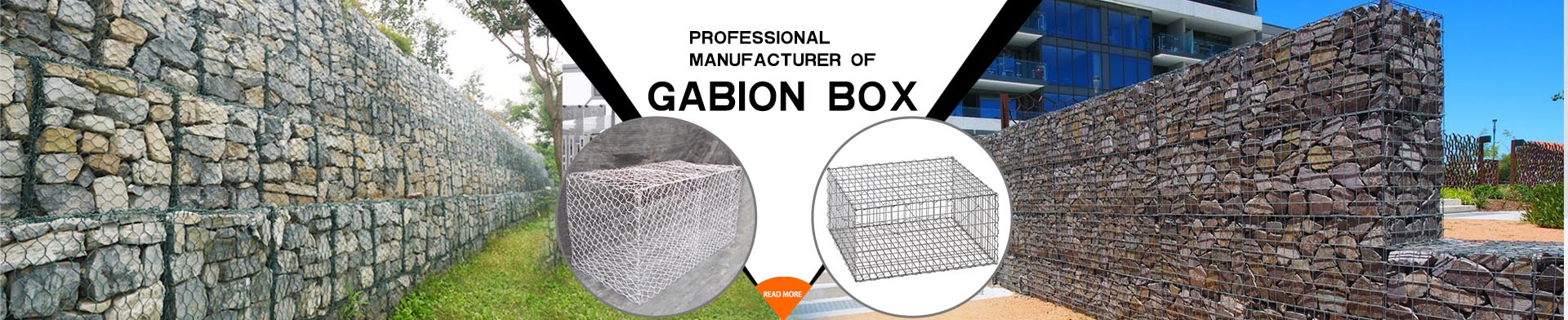
Simply put, gabion box manufacturers produce wire mesh cages, typically galvanized or PVC-coated, that get filled with stones or locally sourced rocks. These boxes are then placed along riverbanks, slopes, or construction sites to stabilize soil, prevent erosion, and absorb floodwaters. The manufacturers don’t just supply boxes; many offer customized sizes, materials, and delivery options tailored to specific engineering needs.
The connection to modern industry is quite direct: these manufacturers help build stronger, smarter infrastructure that can last decades. On the humanitarian side, they’re sometimes deployed in rapid response projects where traditional concrete solutions aren’t feasible.
Key Factors That Define Quality Gabion Box Manufacturers
Durability
The mesh must resist corrosion over decades. Mostly, manufacturers use galvanized steel wire coated with PVC for extra protection—some even employ stainless steel in harsh coastal environments. Durability ensures the gabion boxes remain structurally sound through extreme weather events.
Customization & Scalability
Leading manufacturers offer flexible sizing and mesh patterns to fit various projects—from small gardens to massive hydroelectric dams. The ability to scale production also matters for urgent government or NGO projects.
Cost Efficiency
Because gabions use locally filled rocks rather than expensive concrete, manufacturing focuses on affordability—without sacrificing quality. Efficient processes and bulk sourcing can lower prices significantly.
Environmental Sustainability
Many producers now prioritize using eco-friendly coatings and recycling old mesh. The low-carbon footprint of gabion structures makes them favored among green builders globally.
Delivery & Support
Reliable suppliers provide technical support for installation and often collaborate on training local teams, which is crucial in remote or disaster-prone zones.
Product Specification Table
| Specification | Typical Value | Notes |
|---|---|---|
| Material | Galvanized Steel Wire, PVC Coated | Corrosion-resistance, 50+ years lifespan |
| Mesh Size | 50x100mm (WxH) | Standard, customizable |
| Dimensions | 1x1x1 m (typical) | Other sizes available on request |
| Weight (empty) | 15-20 kg per box | Varies by mesh gauge |
Global Applications & Real-World Use Cases
In practical terms, gabion box manufacturers serve industries from civil engineering and infrastructure, to environmental restoration. For instance:
- Flood protection in Southeast Asia: After repeated floods, Vietnam’s government uses gabions extensively along river levees to mitigate damage.
- Road stabilization in remote African regions: In Kenya’s hilly areas, gabions help protect vulnerable dirt roads from erosion during rainy seasons.
- Environmental restoration in Europe: Projects along the Danube River focus on habitat-friendly gabion revetments to protect fish spawning grounds.
- Post-disaster relief: NGOs rely on fast deployment gabion solutions in earthquake zones, where concrete pours aren’t immediately feasible.
Clearly, gabion box manufacturers play a role in areas where traditional methods would be too costly or slow to implement.
Vendor Comparison Table: Top Gabion Box Manufacturers
| Vendor | Material Quality | Customization | Support Services | Typical Lead Time |
|---|---|---|---|---|
| XZ Metal Solutions | High-grade galvanized + PVC | Full range; bespoke sizes | Technical and installation support | 2–4 weeks |
| GreenStructures Inc. | Eco-friendly coatings | Limited standard sizes | Consultation only | 4–6 weeks |
| BuildTek Global | Standard galvanized mesh | Standard panels only | Installation manuals provided | 1–3 weeks |
Advantages & Long-Term Value of Gabion Boxes
When thinking about gabion box manufacturers, it’s easy to focus just on price or material specs, but the real value comes from a bundle of advantages:
- Cost Savings: Using local stone fill cuts transport and material costs drastically.
- Environmental Harmony: Gabions allow water permeability, unlike impermeable concrete, maintaining natural hydrology.
- Longevity: Properly coated gabions last decades without significant maintenance.
- Emotional Impact: For communities near disaster-prone zones, seeing such reliable protection builds trust and a sense of safety.
- Simplicity & Flexibility: They can adapt to changing landscapes or be dismantled if needed.
Emerging Trends in Gabion Box Manufacturing
Looking ahead, the industry is abuzz with innovations such as:
- Eco-friendly coatings derived from biodegradable materials to reduce microplastic risk.
- Automation in wire mesh weaving to reduce defects and improve production speed.
- Integration with smart sensors, monitoring structural integrity and erosion in real time.
- Green energy-powered factories, lowering manufacturing footprints.
Interestingly, some manufacturers are exploring composite materials as alternatives to steel, although these remain niche.
Challenges and Expert Solutions
Despite their benefits, gabion box manufacturers face hurdles like corrosion in saline environments and difficulties in remote site access. To overcome these, experts suggest:
- Using higher-grade stainless steel wire or dual coatings for corrosion resistance.
- Partnering with logistics firms offering modular delivery systems for hard-to-reach sites.
- Investing in local training programs to ensure proper installation, raising durability.
FAQ About Gabion Box Manufacturers
Q1: How do gabion boxes compare to concrete retaining walls in cost and durability?
A: Gabion boxes generally cost less up-front due to using local fill material and simpler installation. While concrete walls can last longer structurally, well-maintained gabions outlast expectations (30-50 years) with proper corrosion protection, especially in flood-prone areas.
Q2: Can gabion boxes be customized for unique project needs?
A: Absolutely. Most quality gabion box manufacturers offer a variety of mesh sizes, wire gauges, and box dimensions. They often work closely with engineers to meet site-specific requirements.
Q3: Are gabion boxes environmentally friendly?
A: Yes, they promote natural drainage and reduce carbon footprint compared to concrete. Many manufacturers now also highlight eco-friendly coatings and recycling programs to enhance sustainability.
Q4: What regions see the highest demand for gabion box products?
A: Regions with frequent flooding or erosion—like Southeast Asia, Africa, and parts of Europe—lead demand. NGOs and governments invest heavily here for climate adaptation infrastructure.
Q5: How quickly can manufacturers deliver gabion boxes to international projects?
A: Depending on customization, lead times range from 2 to 6 weeks for most reputable manufacturers. Expedited orders and local warehousing can shorten this significantly.
Conclusion & Call to Action
Long story short: gabion box manufacturers are quietly enabling better, greener infrastructure worldwide. They blend traditional techniques with modern innovation, ensuring projects are cost-effective, durable, and environmentally sound. For anyone seeking reliable, scalable gabion solutions, I’d recommend exploring options with gabion box manufacturers like XZ Metal Solutions—they seem to strike that balance nicely.
Ready to secure your next engineering project with top-quality gabion products? Visit https://www.xzmetal.com and discover what’s possible.
In real terms, gabion boxes feel like a humble yet transformative element in infrastructure. They quietly hold ground, literally and figuratively — and their manufacturers keep evolving to meet tomorrow’s challenges.
References
-
Comprehensive Guide to China Chicken Wire Mesh for Poultry and Garden Use
NewsJan.27,2026
-
China Hot Dip Galvanized Welded Wire Mesh Your Comprehensive Sourcing Guide
NewsJan.27,2026
-
Why China Removable Fence from XZMetal is Ideal for B2B Industrial Security Solutions
NewsJan.06,2026
-
China D Section Pale Fence – Durable Industrial Fencing Solutions from China
NewsJan.06,2026
-
China Welded Mesh – Durable Mesh Solutions from XZMetal
NewsJan.05,2026
-
China 3/8 Inch Welded Wire Mesh – Durable, Cost-Effective Industrial Solution from China
NewsJan.05,2026