
Dec . 02, 2025 10:41 Back to list
Gabion Box Retaining Wall: Sustainable & Cost-Effective Solutions for Modern Infrastructure
Gabion Box Retaining Wall: A Sustainable Solution to Modern Structural Needs
Whether you’re strolling along a riverbank or driving through hilly terrain, gabion box retaining walls often go unnoticed — yet they play a fundamental role in landscape stability and water management worldwide. In a world confronting soil erosion, rising sea levels, and infrastructure challenges, gabion box retaining walls have quietly become a versatile, cost-effective, and environmentally friendly answer.
At its core, understanding gabion box retaining walls helps engineers, urban planners, and environmentalists address some pressing problems — from flood control to highway stabilization. Frankly, paying attention to these structures might seem niche, but their impact is quite global and long-lasting.
Global Context: Why Gabion Box Retaining Walls Matter
As per the United Nations World Water Development Report, soil erosion threatens agricultural productivity on roughly 12 million hectares annually worldwide. Retaining structures that are both durable and eco-friendly are in higher demand than ever. Meanwhile, with over 60% of the world’s population residing in urban areas (UN DESA, 2023), city planners need cost-efficient solutions to stabilize slopes and waterfronts. Here’s where gabion box retaining walls come into play — providing a balance between natural integration and engineering demands.
They answer challenges such as:
- Controlling soil erosion near rivers and roads
- Flood and wave impact protection
- Cost-effective and rapid installation in hard-to-reach locations
What Is a Gabion Box Retaining Wall?
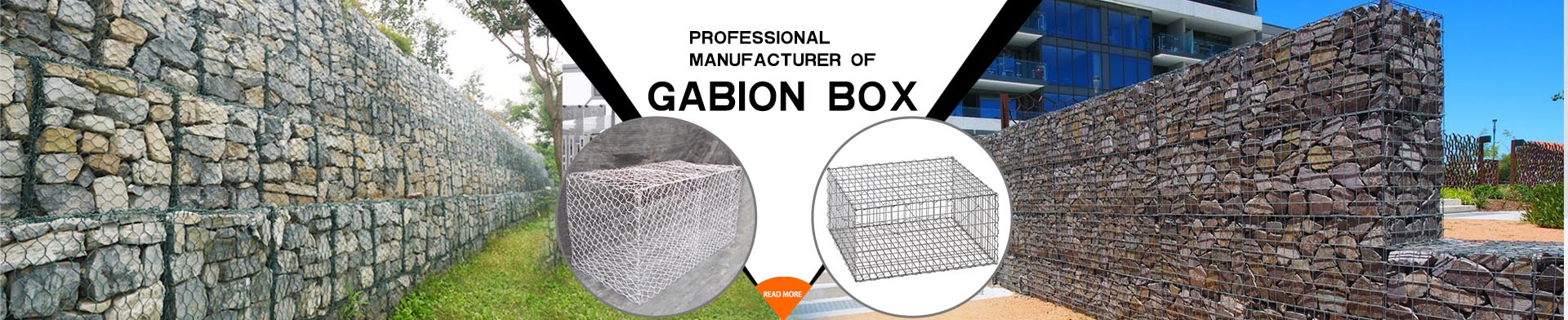
Simply put, a gabion box retaining wall is a modular cage or box, usually made of galvanized steel mesh, filled with rocks or other inert materials to form a retaining structure. The system uses gravity and the weight of the infill to counteract soil pressures and stabilize slopes.
The “boxes” are assembled onsite and stacked or placed in various configurations, depending on the terrain and load requirements. Because of their permeability and flexibility, gabions adjust well to ground movement and reduce hydrostatic pressure — qualities that traditional concrete walls often lack. This makes gabion retaining walls a particularly modern solution aligned with both engineering principles and environmental stewardship.
Core Components of Gabion Box Retaining Walls
1. Durability
The steel mesh, often galvanized and sometimes PVC-coated, ensures resistance to corrosion. Depending on the environment — say coastal vs. inland — the mesh specification varies to extend lifespan beyond 50 years.
2. Scalability
Gabion boxes come in various sizes — commonly 1m x 1m x 1m or larger — tailored to small garden walls or massive civil engineering projects. You can scale up while keeping installation pretty straightforward.
3. Cost Efficiency
Because the filler can often be sourced locally (river stones, quarry waste), material costs stay low. Reduced need for heavy machinery on-site further cuts expenses.
4. Environmental Compatibility
Permeability allows water to drain easily, reducing pressure buildup. Plus, the natural stone fill encourages vegetation growth over time, blending the structure with the landscape.
5. Ease of Installation
Modular design means assembly can be done by small teams without specialized training, making gabion walls ideal for remote or emergency deployments.
Typical Specifications of a Standard Gabion Box Retaining Wall
| Specification | Details |
|---|---|
| Material | Galvanized Steel Wire Mesh (4-5mm thickness) |
| Dimensions (typical box) | 1 m (L) × 1 m (W) × 1 m (H) |
| Mesh Aperture | 50 × 100 mm (rectangular) |
| Infill | Locally sourced angular stones 60-150 mm |
| Expected Service Life | 50+ years (depending on coating and environment) |
Global Applications and Use Cases
Gabion box retaining walls have found widespread adoption, from European riverbank protection to Afrian hillside stabilization and Asian urban flood control.
- Post-Disaster Relief: After flooding or earthquakes, rapid deployment of gabion walls supports rebuilding efforts and prevents further erosion.
- Transportation Infrastructure: Highway embankments in mountainous regions, such as the Swiss Alps or Nepal’s roads, benefit from flexible, resilient gabion retaining solutions.
- Coastal Protection: In countries like the Netherlands and Bangladesh, eco-friendly seawalls made with gabion boxes mitigate wave impact while promoting habitat growth.
- Urban Development: City planners use gabion walls in parks and landscaping to add durability without sacrificing aesthetics.
Oddly enough, many non-engineering communities also embrace gabion baskets for gardening and small water containment.
Vendor Comparison: Popular Gabion Box Suppliers
| Vendor | Material Quality | Customization | Price Range | Lead Time |
|---|---|---|---|---|
| XZ Metal | Hot-dip galvanized + PVC coated | Fully customizable dimensions & coatings | $$ | 2-4 weeks |
| SteelMesh Corp | Standard galvanized only | Limited sizes | $ | 3-5 weeks |
| EcoStone Solutions | Galvanized + eco-friendly coating | Custom sizes & consultation | $$$ | 4-6 weeks |
Advantages and Long-Term Value
Gabion box retaining walls offer tangible benefits beyond mere structural support. They fuse economic, environmental, and social advantages in one package.
- Cost Savings: Minimal formwork and use of local materials reduce overall project costs and timeframes.
- Sustainability: The permeability encourages groundwater recharge and lessens ecological disruption.
- Social Impact: Their aesthetic adaptability promotes community acceptance and natural habitat corridors.
- Reliability: Durability withstands natural disasters like floods or seismic activity better than rigid walls.
Above all, these walls bring a subtle reassurance — they keep landscapes intact, protect lives, and do so with a kind of humble elegance.
Emerging Trends and Innovations
Looking ahead, the gabion industry is weaving in some fascinating new threads:
- Green Coatings: Biodegradable or environmentally friendly coatings to reduce steel corrosion and the carbon footprint.
- Digital Design Integration: Advanced modeling software helps tailor gabion geometry for maximum efficiency and aesthetic impact.
- Hybrid Walls: Combining gabions with geotextiles or concrete slabs to extend application ranges.
- Automation: Robotics for cage assembly and infill distribution are being tested in large-scale projects.
Such trends suggest a promising future where gabion box retaining walls become smarter, greener, and more accessible... a natural fit for sustainability goals.
Common Challenges and Expert Solutions
Not everything is perfect, of course. Typical issues include:
- Corrosion Risk: In salty or industrial environments, steel mesh can degrade faster without proper coatings.
- Settlement: In poorly prepared ground, gabions may settle unevenly.
- Infill Sourcing: Finding suitable stone nearby with the right size and angularity can be tricky.
Experts recommend site-specific corrosion-resistant coatings, thorough soil compaction prior to installation, and pre-project audits to ensure material quality. Partnering with reliable vendors such as XZ Metal helps navigate these technical hurdles smoothly.
FAQ: Common Questions About Gabion Box Retaining Walls
Q1: How long do gabion box retaining walls last?
A1: With proper galvanized or PVC coating, gabions typically last 50 years or more. Environmental conditions and maintenance affect lifespan, but they generally outlast traditional wooden or basic concrete structures.
Q2: Are gabion walls suitable for steep slopes?
A2: Yes, their flexible, permeable nature allows them to conform to slope irregularities, making them excellent for stabilizing steep terrain where rigid walls might crack.
Q3: Can I use recycled materials as infill?
A3: Sometimes — provided they are non-degradable, angular, and clean. Proper stone sizing is critical to prevent mesh damage or structural failures.
Q4: Do gabion walls require permits or special engineering?
A4: That depends on local regulations. Large installations usually require engineering oversight, while smaller landscaping projects often have simpler requirements. Consulting your local building authority is advisable.
Conclusion: Why Gabion Box Retaining Walls Should Be On Your Radar
In summary, gabion box retaining walls offer a smart, resilient, and sustainable way to protect landscapes and infrastructure worldwide. Their adaptability to various environments, economic advantages, and minimal ecological footprint make them future-ready solutions for urban planners and engineers alike. For anyone building or stabilizing terrain, these walls blend tradition with innovation in a way that frankly feels both grounded and forward-looking.
If this sounds like the right fit for your next project, I encourage you to visit our website — explore specifications, customization options, and expert advice to make your retaining wall both effective and elegant.
References
-
Comprehensive Guide to China Chicken Wire Mesh for Poultry and Garden Use
NewsJan.27,2026
-
China Hot Dip Galvanized Welded Wire Mesh Your Comprehensive Sourcing Guide
NewsJan.27,2026
-
Why China Removable Fence from XZMetal is Ideal for B2B Industrial Security Solutions
NewsJan.06,2026
-
China D Section Pale Fence – Durable Industrial Fencing Solutions from China
NewsJan.06,2026
-
China Welded Mesh – Durable Mesh Solutions from XZMetal
NewsJan.05,2026
-
China 3/8 Inch Welded Wire Mesh – Durable, Cost-Effective Industrial Solution from China
NewsJan.05,2026