Steel bar grating is a crucial component in modern infrastructure, playing a vital role in safety, accessibility, and durability across a wide range of applications. Its open grid design allows for efficient drainage, ventilation, and light transmission, making it ideal for diverse environments. Understanding its properties and applications is paramount for engineers, architects, and anyone involved in construction and industrial projects. steel bar grating offers a robust and cost-effective solution to many design challenges.
Globally, the demand for reliable and safe infrastructure is continually increasing. Steel bar grating directly addresses this need by providing secure walking surfaces, protective barriers, and efficient material handling solutions. From industrial plants and commercial buildings to public spaces and wastewater treatment facilities, this versatile material contributes to the functionality and longevity of countless structures. Recent data indicates a steady rise in the use of steel bar grating, particularly in rapidly developing nations focusing on infrastructure upgrades.
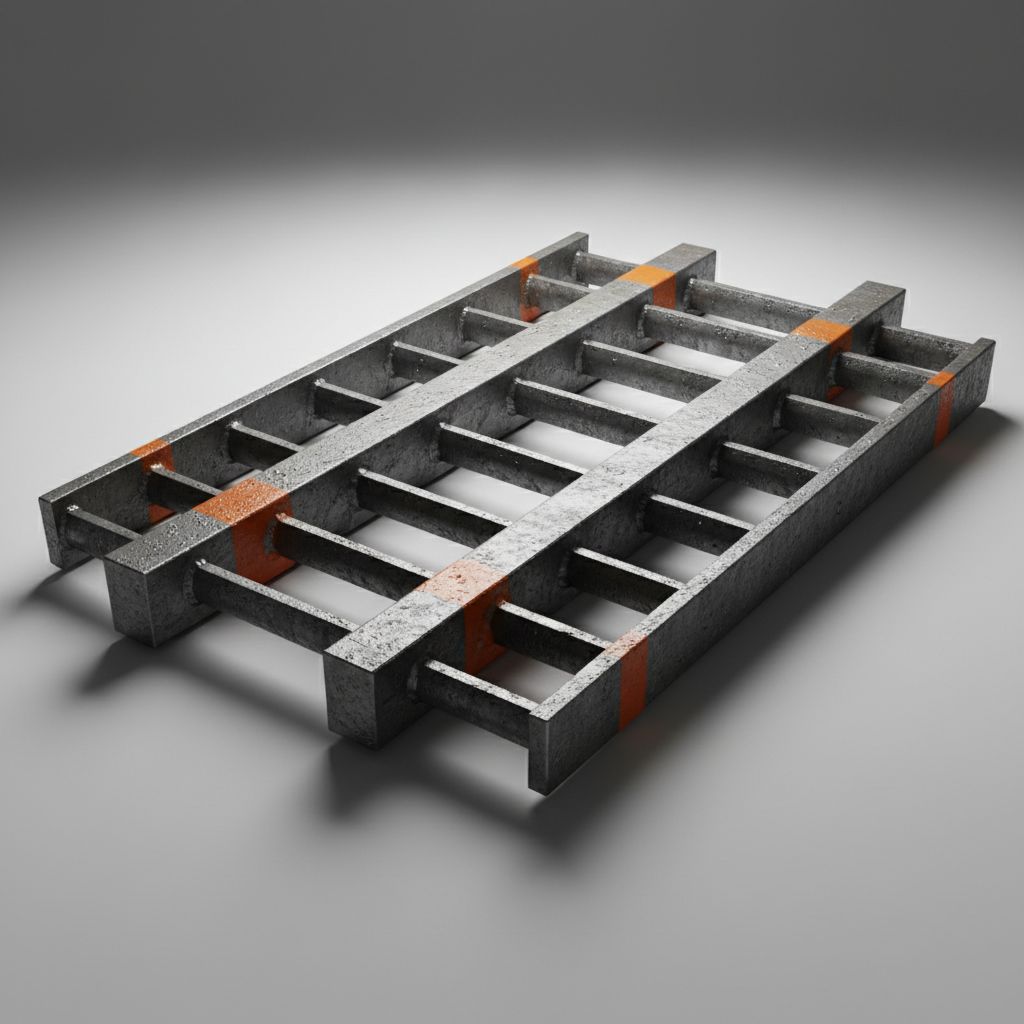
Essentially, steel bar grating consists of interwoven metal bars, typically made of carbon steel, stainless steel, or aluminum, joined by welding, press-locking, or swaging. This creates a strong, lightweight structure capable of supporting significant loads. Its inherent design promotes safety by minimizing slip hazards and allowing debris to fall through, reducing the risk of accumulation and potential obstructions. This makes steel bar grating a crucial safety feature in many industries.
Introduction to Steel Bar Grating
Steel bar grating’s fundamental strength lies in its ability to provide a structurally sound and safe surface in various challenging environments. Its design allows for the passage of light, air, and fluids, making it a preferred choice where these factors are important. This combination of strength and functionality makes it a cost-effective solution for a wide spectrum of industrial and commercial needs.
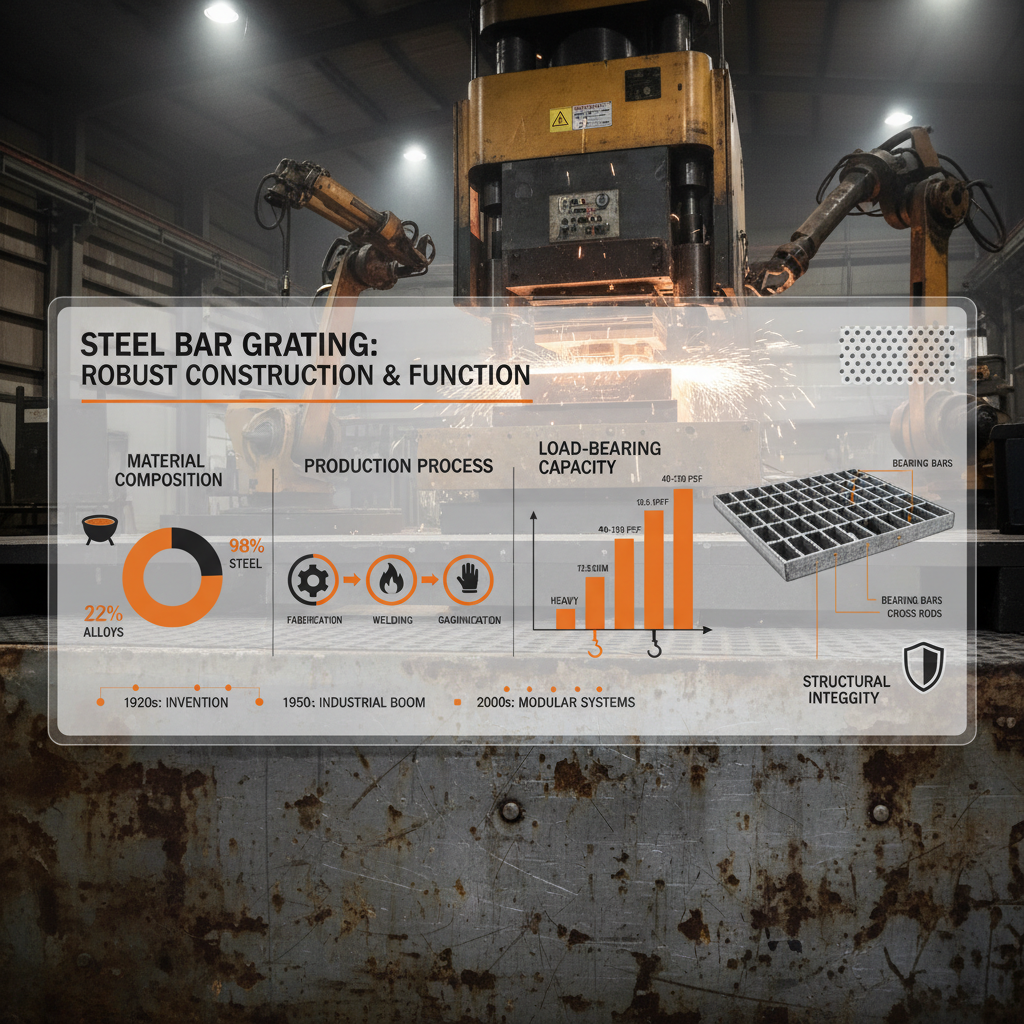
The manufacturing process of steel bar grating is relatively straightforward, involving the precise assembly of bearing bars and crossbars. This simplicity, coupled with the inherent strength of steel, translates into a product that is not only durable but also easily customizable to meet specific project requirements. The modular nature of grating also simplifies installation and maintenance.
Global Relevance and Industry Context
The global construction industry relies heavily on materials like steel bar grating to meet increasingly stringent safety standards and infrastructure demands. The United Nations Industrial Development Organization (UNIDO) emphasizes the importance of robust infrastructure for sustainable industrialization, and steel grating plays a vital role in achieving this goal. Growth in developing economies is driving significant demand for durable and cost-effective building materials.
A significant challenge within the construction sector is balancing cost-effectiveness with long-term durability and safety. Many traditional flooring materials can degrade rapidly in harsh environments, leading to costly repairs and potential hazards. Steel bar grating offers a solution by providing a long-lasting, low-maintenance alternative that minimizes lifecycle costs.
Furthermore, the increasing focus on workplace safety regulations globally directly contributes to the demand for steel bar grating. Its slip-resistant surface and open grid design help prevent accidents and ensure a safer working environment, particularly in industrial settings. This alignment with international safety standards makes it an essential component in modern construction projects worldwide.
Defining Steel Bar Grating
Steel bar grating is fundamentally an assembly of metal bars joined together to form an open grid structure. These bars are typically manufactured from carbon steel, stainless steel, or aluminum, each offering unique properties based on the application. The arrangement of bearing bars (running in one direction) and crossbars (running perpendicular) creates a load-bearing surface with inherent strength and stability.
Its connection to modern industry is deeply rooted in its ability to facilitate efficient operations and ensure worker safety. From providing secure walkways in manufacturing plants to serving as drainage covers in wastewater treatment facilities, steel bar grating is an integral part of numerous industrial processes. It enables smooth material handling, ventilation, and illumination, all crucial for productivity and operational efficiency.
In terms of humanitarian needs, steel bar grating can also be adapted for temporary structures and emergency shelters, providing a durable and safe foundation in disaster relief situations. While not its primary application, its strength and adaptability offer a viable solution where rapid deployment and structural integrity are paramount.
Key Factors of Steel Bar Grating
One of the most significant aspects of steel bar grating is its Durability. Constructed from robust materials like steel and stainless steel, it withstands heavy loads, corrosive environments, and constant wear and tear, ensuring a long service life with minimal maintenance. This durability translates into long-term cost savings and reduced downtime for businesses.
Another key factor is Scalability. Steel bar grating can be easily fabricated to specific dimensions and configurations, allowing it to be integrated seamlessly into a wide range of projects. Its modular design facilitates customization and allows for future expansion or modifications without disrupting existing structures. This adaptability makes it an ideal choice for complex projects with evolving needs.
Steel Bar Grating Performance Metrics
Global Applications and Use Cases
In industrial settings worldwide, steel bar grating is extensively used for walkways, platforms, stair treads, and safety barriers. Facilities in the petrochemical, power generation, and manufacturing sectors rely on its strength and durability to provide safe working environments. For example, in remote oil and gas platforms in the North Sea, steel bar grating provides critical walkways and support structures.
Municipal applications include drainage grates in roadways, sidewalks, and parking lots, as well as security fences and pedestrian bridges. Wastewater treatment plants utilize steel bar grating for flooring, covers, and filtration systems. In cities like Tokyo and Singapore, where space is limited and infrastructure demands are high, steel grating provides an efficient and robust solution for urban development.
Advantages and Long-Term Value
The advantages of using steel bar grating extend beyond its immediate functionality. From a cost perspective, its long lifespan and minimal maintenance requirements result in significant savings over time compared to alternative materials. Furthermore, the recyclability of steel contributes to its sustainability profile, minimizing environmental impact.
The enhanced safety provided by steel bar grating builds trust and reduces the risk of workplace accidents and liability concerns. Its open grid design allows for natural ventilation and light transmission, improving worker comfort and productivity. This blend of economic, environmental, and safety benefits makes it a wise investment for any organization prioritizing long-term value.
Future Trends and Innovations in Steel Bar Grating
The future of steel bar grating is poised for innovation, with developments focusing on enhanced materials, smart technologies, and sustainable manufacturing processes. The use of high-strength, lightweight alloys and composite materials is gaining traction, offering improved performance and reduced weight.
Digitalization and automation are streamlining the fabrication and installation of steel bar grating, improving efficiency and accuracy. Integration with Building Information Modeling (BIM) software allows for seamless design and coordination with other building components. Sustainable manufacturing practices, such as utilizing recycled steel and minimizing waste, are becoming increasingly important to reduce the environmental footprint of the industry.
Challenges & Solutions
One common challenge with steel bar grating is corrosion, particularly in harsh marine or industrial environments. While galvanized steel offers some protection, it's not always sufficient for long-term durability. A key solution is the increasing adoption of stainless steel or specialized coatings designed to withstand extreme conditions.
Another challenge is the potential for noise generation when walking or operating machinery on steel grating. To address this, manufacturers are developing innovative damping materials and underlayments that absorb sound and vibration. These enhancements improve worker comfort and reduce noise pollution.
Finally, optimizing the design of steel bar grating for specific load requirements and safety standards remains an ongoing process. Advanced engineering software and finite element analysis (FEA) are being used to refine designs and ensure structural integrity under various operating conditions.
Summary of Steel Bar Grating Challenges and Solutions
| Challenge |
Severity (1-5) |
Solution |
Implementation Cost (1-5) |
| Corrosion |
4 |
Stainless Steel / Protective Coatings |
3 |
| Noise Generation |
3 |
Damping Materials / Underlayments |
2 |
| Structural Load Capacity |
2 |
Advanced FEA Design / Optimized Bar Spacing |
3 |
| Installation Complexity |
2 |
Modular Grating Systems / Pre-Fabricated Components |
2 |
| Material Costs |
3 |
Optimized Design / Alternative Steel Alloys |
2 |
| Long-Term Maintenance |
2 |
Protective Coatings / Regular Inspections |
1 |
FAQS
Steel bar grating is typically manufactured using carbon steel, stainless steel, or aluminum. Carbon steel is the most common due to its cost-effectiveness and strength. Stainless steel offers superior corrosion resistance, making it ideal for harsh environments. Aluminum is chosen for its lightweight properties and resistance to certain chemicals. The selection depends on the specific application and environmental conditions.
In industrial settings, steel bar grating is widely used for walkways, platforms, stair treads, safety barriers, and drainage covers. Its open grid design provides excellent ventilation and allows for the passage of liquids and debris. It's found in industries like oil & gas, petrochemical, power generation, and manufacturing where safety and durability are paramount.
Steel bar grating enhances workplace safety through its slip-resistant surface and open grid design. The open grid allows liquids, oils, and debris to fall through, minimizing slip hazards. It also provides excellent visibility, reducing the risk of trips and falls. Properly installed grating meets or exceeds relevant safety standards and regulations.
The lifespan of steel bar grating varies depending on the material, environmental conditions, and maintenance practices. Carbon steel grating with proper galvanization can last 20-30 years. Stainless steel grating offers a significantly longer lifespan, often exceeding 50 years, due to its superior corrosion resistance. Regular inspections and maintenance can further extend the lifespan of any steel grating installation.
Yes, steel bar grating is a relatively sustainable material choice. Steel is one of the most recycled materials globally, and much of the steel used in grating is sourced from recycled content. Its long lifespan reduces the need for frequent replacements, minimizing waste. Furthermore, the recyclability of steel at the end of its life ensures that materials can be recovered and reused.
Steel bar grating generally offers a comparable, and often superior, load-bearing capacity to solid flooring when designed correctly. Its open grid design does not compromise structural integrity and can distribute loads efficiently. Engineers carefully calculate the appropriate bar spacing and thickness to meet specific load requirements. However, the load capacity must be carefully considered for point loads and concentrated weights.
Conclusion
Steel bar grating stands as a cornerstone of modern infrastructure, offering a robust, safe, and cost-effective solution for a wide array of applications. From industrial platforms and walkways to drainage systems and architectural features, its versatility and durability continue to make it an indispensable material in numerous industries. Its inherent strengths, combined with ongoing innovations in materials and manufacturing processes, ensure its relevance for years to come.
Looking ahead, the continued development of sustainable manufacturing practices and smart technologies will further enhance the value of steel bar grating. Investing in high-quality steel bar grating and prioritizing proper installation and maintenance are crucial steps in maximizing its long-term benefits. We encourage you to explore our extensive range of grating solutions and contact us to discuss your specific project needs.